
Last Updated: March 21, 2026
When you’re ready to cut metal with a plasma cutter, one big question probably pops into your mind: how thick can it actually cut? Whether you’re working on a small DIY project or a heavy-duty industrial job, knowing the limits of your plasma cutter is crucial.
You don’t want to waste time or damage your tool by trying to slice through metal that’s too thick. You’ll discover exactly how thick a plasma cutter can cut, what factors affect its cutting capacity, and how to choose the right settings to get clean, precise cuts every time.
Keep reading, and you’ll gain the confidence to tackle any metal cutting challenge with ease.
Plasma Cutter Basics
Plasma cutters can slice through metal ranging from thin sheets up to several inches thick. Cutting ability depends on the machine’s amperage and metal type. Higher power machines handle thicker materials with cleaner cuts.
What Is A Plasma Cutter?
A plasma cutter is a tool that cuts metal using a high-speed jet of hot plasma. It melts the metal and blows it away, creating a clean cut. This process works well on conductive metals like steel, aluminum, and copper.
Plasma cutters are common in workshops and industries because they cut faster than many other methods. They can handle thin sheets and thick plates with ease.
How Does A Plasma Cutter Work?
The cutter sends an electric arc through a gas, turning it into plasma. This plasma reaches very high temperatures, enough to melt metal quickly. The force of the plasma jet pushes the molten metal out of the cut, leaving a smooth edge.
The operator controls the speed and power to match the metal type and thickness. Proper settings ensure clean cuts without damaging the material.
Main Parts Of A Plasma Cutter
A plasma cutter has several key parts. The power supply creates the electric arc. The torch directs the plasma jet. The gas supply provides the gas, often air, nitrogen, or oxygen. Lastly, the ground clamp completes the electrical circuit.
Each part must work well for the cutter to perform efficiently. Understanding these components helps in choosing the right cutter for your needs.
Cutting Thickness Range
The cutting thickness range shows how thick a plasma cutter can slice through metal. Plasma cutters work on metals from very thin sheets to thick plates. The thickness depends on the cutter’s power and the metal type. Understanding this range helps choose the right cutter for your job.
Different plasma cutters have varied cutting capacities. Some machines cut thin metal, while others handle thick steel plates. Let’s explore key factors affecting cutting thickness and typical ranges.
Typical Cutting Thickness For Low-amperage Plasma Cutters
Low-amperage plasma cutters usually cut metal up to 1/4 inch thick. These are good for light work, like automotive repair or sheet metal projects. They use less power and are more affordable but have limited thickness capacity.
Mid-range Plasma Cutters And Their Cutting Limits
Mid-range plasma cutters can cut metal from 1/4 inch to 3/4 inch thick. They suit medium-duty tasks such as fabrication and repair work. These cutters offer a balance of power and precision for most workshop needs.
High-amperage Plasma Cutters For Thick Metal Cutting
High-amperage plasma cutters handle thick metals up to 1.5 inches or more. These machines are used in heavy industry and manufacturing. They deliver strong, clean cuts through thick steel plates quickly and efficiently.
Factors Affecting Maximum Cutting Thickness
Cutting thickness depends on amperage, metal type, and cutting speed. Higher amperage allows cutting thicker metals. Slower cutting speeds improve cut quality on thick materials. Some metals are easier to cut than others.
Amperage And Thickness
The thickness a plasma cutter can cut depends largely on its amperage. Amperage controls the heat of the plasma arc. A higher amperage means more energy to melt thicker metal. This relationship between amperage and thickness is key for effective cutting.
Choosing the right amperage is essential for clean, fast cuts. Using too low amperage may cause slow or incomplete cuts. Too high amperage can waste power and damage thinner materials. Understanding this balance helps achieve the best cutting results.
What Is Amperage In Plasma Cutting?
Amperage measures the electric current flowing through the plasma cutter. It directly affects the temperature of the plasma arc. Higher amperage creates a hotter arc, which melts metal faster. Most plasma cutters range from 20 to 100 amps or more.
Lower amperage settings work well for thin metals like sheet steel. Higher amperage is needed for thick metal plates. Adjusting amperage controls the cut’s speed and quality.
How Amperage Affects Cutting Thickness
Higher amperage allows cutting through thicker metals easily. For example, a 40-amp plasma cutter can cut up to about ⅜ inch steel. A 60-amp cutter can handle ½ inch or more. Industrial machines with 100 amps or higher cut several inches thick.
Thickness capacity grows as amperage increases. This link guides users on selecting the right machine for their metal thickness needs.
Balancing Amperage And Material Thickness
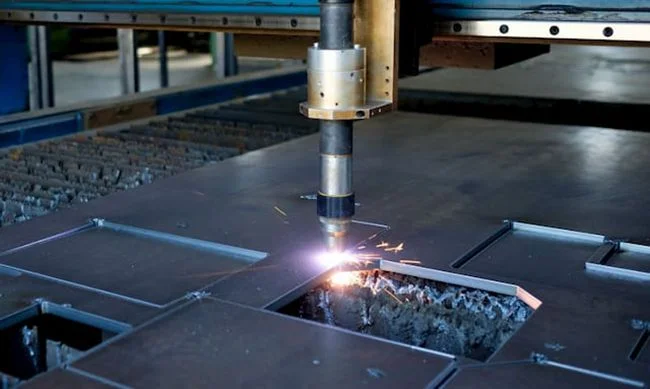
Using the correct amperage prevents poor cuts. If amperage is too low, the plasma arc won’t fully penetrate the metal. This results in rough, incomplete cuts. Too high amperage can cause excessive melting and a wider cut kerf.
Match amperage to the metal’s thickness for smooth, precise cuts. Many plasma cutters come with charts or settings to assist this process.
Credit: www.igolden-cnc.com
Material Types And Impact
Plasma cutters slice through metals using a high-temperature plasma arc. Different materials react differently to this intense heat. The thickness a plasma cutter can handle depends largely on the type of material being cut. Understanding how various metals respond helps in choosing the right settings and tools. This knowledge ensures clean, efficient cuts without damaging the metal or the equipment.
Cutting Mild Steel
Mild steel is the easiest metal to cut with a plasma cutter. It melts quickly under the plasma arc. Plasma cutters can slice through mild steel up to several inches thick. Typically, a 50-amp cutter cuts mild steel up to 1/2 inch thick well. More powerful machines can handle thicknesses of 1 inch or more. Mild steel’s low carbon content helps achieve smooth cuts.
Cutting Stainless Steel
Stainless steel resists heat more than mild steel. Plasma cutting stainless steel requires higher amperage and slower speed. This metal can be cut up to about 3/4 inch thick with a powerful plasma cutter. Cutting thicker stainless steel may cause rough edges or warping. Using proper gas mixtures improves cut quality on stainless steel.
Cutting Aluminum
Aluminum is soft but has high thermal conductivity. It absorbs heat rapidly, making cutting harder. Plasma cutters can cut aluminum up to 1/2 inch thick effectively. Thicker aluminum requires slower cutting speeds and higher power. Thin aluminum sheets cut easily but need steady handling to avoid distortion.
Cutting Copper And Brass
Copper and brass conduct heat very well, which challenges plasma cutting. These metals need high amperage and slower feed rates. Plasma cutters can cut copper and brass up to about 1/4 inch thick cleanly. Thicker pieces risk poor cut quality and dross buildup. Specialized tips and gases help improve results.
Impact Of Material Thickness
Thicker materials require more power and slower cutting speeds. Cutting beyond the plasma cutter’s capacity causes rough cuts. Excessive thickness increases dross and heat-affected zones. Properly matching cutter capacity with material thickness leads to precise, clean cuts. Always check your plasma cutter’s specifications before working on thick metals.
Cnc Vs Handheld Plasma Cutting
Plasma cutting offers a powerful way to slice through metal. Choosing between CNC and handheld plasma cutting affects the cutting precision and thickness capability. Both methods use plasma arcs to cut, but their control and efficiency vary. Understanding the differences helps pick the right tool for your project.
Cnc Plasma Cutting Precision
CNC plasma cutters use computer controls for accuracy. They follow programmed paths to create clean, exact cuts. This precision suits complex shapes and detailed designs. CNC machines maintain consistent speed and angle, reducing errors and waste. They handle thicker metals better due to steady control.
Handheld Plasma Cutting Flexibility
Handheld plasma cutters offer freedom to move and cut anywhere. They are ideal for quick jobs or repairs. Operators control the speed and angle manually. This can lead to less precise cuts, especially on thick metal. Handheld tools work well on thinner sheets and simple shapes.
Cutting Thickness Comparison
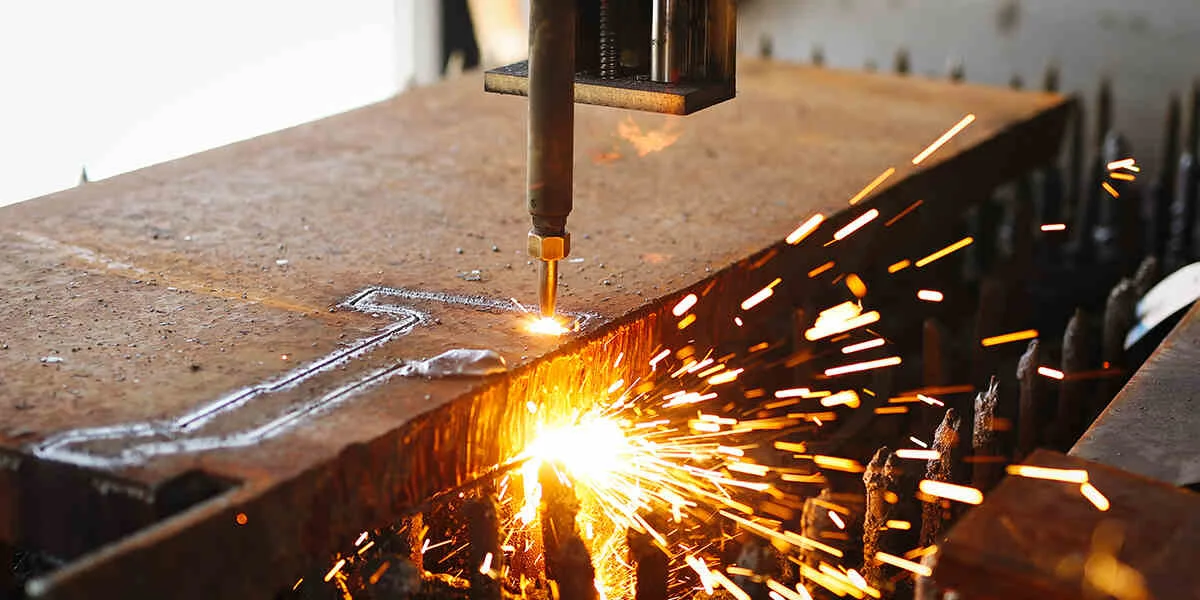
CNC plasma cutters generally cut thicker metal than handheld ones. CNC machines reach up to 1 inch or more, depending on power. Handheld cutters usually handle metal up to about half an inch thick. The steady motion of CNC helps cut dense or layered materials smoothly.
Cost And Setup Differences
CNC plasma cutters require higher initial investment and setup time. Programming and machine maintenance add to costs. Handheld plasma cutters are affordable and ready to use quickly. They need less space and fewer accessories. This makes handheld tools popular for small workshops and DIY use.
Credit: www.cyriousmetalworks.com
Power Supply And Gas Choices
The thickness a plasma cutter can cut depends heavily on its power supply and the type of gas used. These factors affect the cutting speed, quality, and maximum thickness. Understanding how power and gas choices work can help select the right setup for your cutting needs.
Power Supply And Amperage
The power supply controls the amperage delivered to the plasma cutter. Higher amperage means more energy to cut thicker metals. Low amperage is best for thin sheets to avoid warping or burning through the material. Most plasma cutters range from 20 to 100+ amps. For thick metals over one inch, look for cutters with higher amps for cleaner cuts.
Types Of Gases Used
Different gases affect the plasma arc and cutting quality. Compressed air is common for mild steel and is cost-effective. Nitrogen is often used for stainless steel and aluminum, giving a clean cut. Oxygen helps increase cutting speed on thick steel but can cause rougher edges. Choosing the right gas depends on metal type and thickness.
Gas Flow Rate And Pressure
Gas flow rate and pressure must match the cutter’s requirements. Too low pressure reduces cutting power and causes slag buildup. Too high pressure wastes gas and makes the arc unstable. Manufacturers provide guidelines for optimal gas flow and pressure based on amperage. Proper settings improve cut quality and extend consumable life.
Tips For Cutting Thick Metals
Cutting thick metals with a plasma cutter needs special care and technique. Using the right settings and tools helps achieve clean, precise cuts. Safety and accuracy must be top priorities during the process.
Adjust The Amperage For Thick Metals
Use higher amperage to cut thicker metals smoothly. Low amperage causes slow cutting and rough edges. Follow your plasma cutter’s guide for recommended settings. This ensures faster, cleaner cuts on thick plates.
Use The Correct Air Pressure
Set the air pressure according to metal thickness and cutter type. Too low pressure causes poor cutting and slag buildup. Too high pressure may blow molten metal away too quickly. Adjust air pressure for smooth, even cuts.
Maintain A Steady Cutting Speed
Keep a consistent speed to avoid uneven edges. Moving too fast causes incomplete cuts and rough surfaces. Too slow causes excessive heat and warping. Practice steady hand movements for better results on thick metals.
Choose The Right Consumables
Select electrodes and nozzles designed for thick metal cutting. Worn or wrong parts reduce cutting power and quality. Replace consumables regularly to maintain sharp, clean cuts and extend equipment life.
Ensure Proper Metal Preparation
Clean the metal surface before cutting. Remove rust, paint, and dirt to improve cut quality. A clean surface allows the plasma arc to work efficiently and prevents slag buildup.
Use Multiple Passes If Needed
For very thick metals, cut in multiple passes. Make a shallow cut first, then deepen it gradually. This reduces strain on the cutter and improves edge quality. Multiple passes help achieve a precise finish.
Common Challenges And Solutions
Plasma cutting offers efficient metal slicing but comes with common challenges. These challenges can affect cut quality and machine performance. Understanding these issues helps improve results and extend tool life.
Below are some frequent problems faced while cutting thick metals and practical solutions to fix them.
Overheating and Machine WearCutting thick metal generates high heat that may damage the plasma cutter. Overheating can reduce cutting speed and cause machine failure. To prevent this, use proper cooling systems and avoid prolonged cutting without breaks. Regular maintenance also keeps the cutter in good condition.
Poor Cut Quality on Thick MaterialsThick metals can cause rough or uneven cuts. This happens when amperage is too low or the cutting speed is incorrect. Increase the amperage to match the metal thickness. Adjust the cutting speed slowly to find the right balance for a clean edge.
Difficulty Piercing Thick MetalStarting a cut on thick metal can be hard. The plasma arc may fail to penetrate fully. Use a pilot arc to initiate the cut smoothly. Preheating the metal slightly can also help the arc break through the surface faster.
Excessive Dross and Slag FormationThick cuts often leave slag on the metal, which needs cleaning. Slag forms due to improper gas flow or incorrect cutting speed. Adjust the gas pressure to the manufacturer’s recommendations. Experiment with slower cutting speeds to reduce slag buildup.
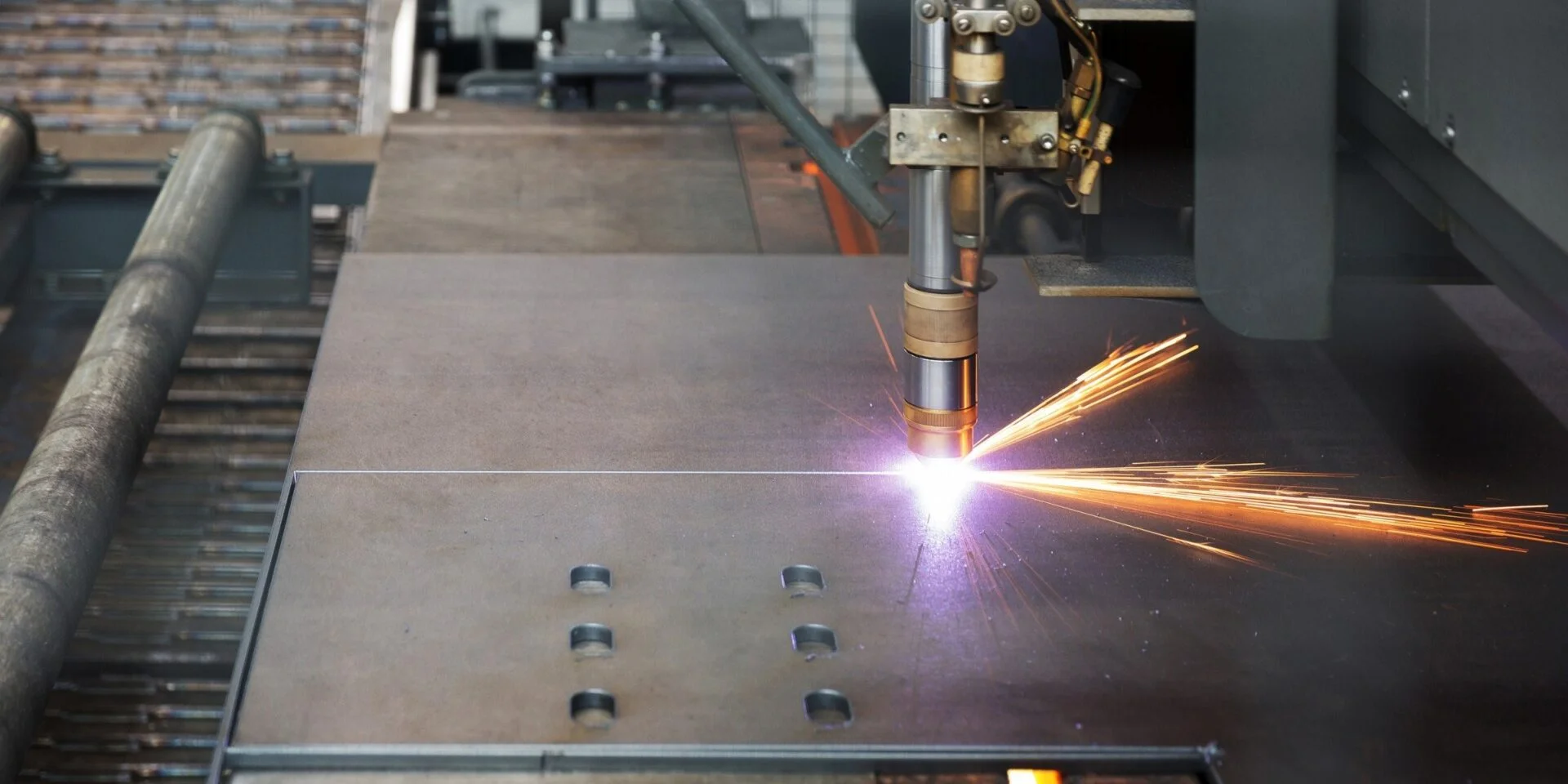
Inconsistent Cut ThicknessMaintaining consistent cut depth is challenging on thick plates. Variations in torch angle or distance affect cut quality. Keep the torch steady and perpendicular to the metal surface. Use a guide or CNC system for precise control over the cut path.
Credit: surefirecnc.com
Frequently Asked Questions
How Thick Of Metal Will A 50 Amp Plasma Cutter Cut?
A 50 amp plasma cutter can cut metal up to 1/2 inch (12. 7 mm) thick cleanly. It may pierce thicker metals but with reduced quality.
How Thick Can A 100 Amp Plasma Cutter Cut?
A 100 amp plasma cutter can cut metal up to 1 inch (25 mm) thick effectively. Thicker materials may require multiple passes.
How Thick Can A 30 Amp Plasma Cutter Cut?
A 30 amp plasma cutter can cut steel up to 3/8 inch (about 9. 5 mm) thick efficiently. Thicker cuts may reduce quality.
How Thick Can A 20 Amp Plasma Cutter Cut?
A 20 amp plasma cutter typically cuts metal up to 1/4 inch (6 mm) thick. Thinner metals cut faster and cleaner.
What Is The Maximum Thickness A Plasma Cutter Can Cut?
Plasma cutters can cut metal from thin sheets up to about 1 inch thick, depending on power.
Conclusion
Plasma cutters can slice through metals of various thicknesses. The cutting limit depends mainly on the machine’s amperage and the metal type. Higher amperage machines handle thicker plates with ease. For thin sheet metals, even low amperage cutters work well.
Always match your plasma cutter to the job’s thickness needs. This ensures clean, precise cuts every time. Understanding these basics helps you choose the right tool. Cutting thicker metals requires more power and skill. Keep these points in mind to get the best results from your plasma cutter.
{ “@context”: “https://schema.org”, “@type”: “Article”, “headline”: “How Thick Can a Plasma Cutter Cut: Ultimate Thickness Guide”, “description”: “Discover how thick a plasma cutter can cut by understanding its capacity to slice through various metal thicknesses using ionized gas for precise and…”, “url”: “https://www.powertoolstoday.com/how-thick-can-a-plasma-cutter-cut/”, “datePublished”: “2025-12-12”, “dateModified”: “2026-03-19”, “author”: { “@type”: “Organization”, “name”: “Power Tools Today”, “url”: “https://www.powertoolstoday.com” }, “publisher”: { “@type”: “Organization”, “name”: “Power Tools Today”, “url”: “https://www.powertoolstoday.com” }, “mainEntityOfPage”: { “@type”: “WebPage”, “@id”: “https://www.powertoolstoday.com/how-thick-can-a-plasma-cutter-cut/” }, “image”: { “@type”: “ImageObject”, “url”: “https://www.powertoolstoday.com/wp-content/uploads/2025/11/how-thick-can-a-plasma-cutter-cut.jpg” } }{ “@context”: “https://schema.org”, “@type”: “Article”, “headline”: “How Thick Can a Plasma Cutter Cut: Ultimate Thickness Guide”, “description”: “Discover how thick a plasma cutter can cut by understanding its capacity to slice through various metal thicknesses using ionized gas for precise and…”, “url”: “https://www.powertoolstoday.com/how-thick-can-a-plasma-cutter-cut/”, “datePublished”: “2025-12-12”, “dateModified”: “2026-03-19”, “author”: { “@type”: “Organization”, “name”: “Power Tools Today”, “url”: “https://www.powertoolstoday.com” }, “publisher”: { “@type”: “Organization”, “name”: “Power Tools Today”, “url”: “https://www.powertoolstoday.com” }, “mainEntityOfPage”: { “@type”: “WebPage”, “@id”: “https://www.powertoolstoday.com/how-thick-can-a-plasma-cutter-cut/” }, “image”: { “@type”: “ImageObject”, “url”: “https://www.powertoolstoday.com/wp-content/uploads/2025/11/how-thick-can-a-plasma-cutter-cut.jpg” } }nn