
Have you ever wondered how a plasma cutter slices through thick metal like it’s butter? If you’ve worked with metal or are curious about cutting tools, understanding how a plasma cutter works can change the way you approach your projects.
This powerful tool uses a mix of electricity and gas to create an intense, superheated stream that melts and cuts metal quickly and precisely. You’ll discover exactly what happens inside a plasma cutter and why it’s become a favorite for professionals and hobbyists alike.
Stick with me, and you’ll see how this technology can make your metal cutting faster, cleaner, and easier than ever before.
Plasma Cutting Basics
Plasma cutting uses a special process to cut metal quickly and cleanly. It combines electricity and gas to create a very hot stream called plasma. This plasma melts metal and blows it away, making precise cuts.
The process works only on metals that conduct electricity. It can cut steel, aluminum, copper, and other metals easily. Plasma cutting is popular in many industries because it saves time and effort.
What Is Plasma?
Plasma is a state of matter like solid, liquid, or gas. It forms when gas heats up and becomes ionized. This means the gas has free electrons and ions that carry electricity. Plasma can reach very high temperatures.
In a plasma cutter, the plasma is hot enough to melt metal quickly. The plasma stream moves fast and cuts through the metal like a knife.
How The Plasma Cutter Creates Plasma
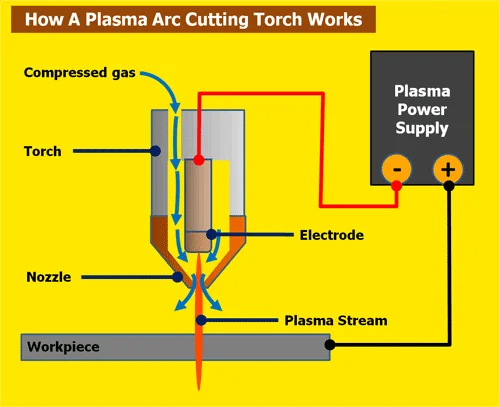
The plasma cutter sends gas through a small nozzle at high speed. An electric arc passes through this gas. The arc heats the gas and turns it into plasma.
The electric arc comes from a power supply connected to the metal being cut. The arc’s energy keeps the plasma hot and strong. This makes the cutting process fast and accurate.
The Role Of Compressed Gas
Compressed gas is essential in plasma cutting. It flows through the cutter’s torch and becomes plasma. Common gases include air, nitrogen, and oxygen.
The gas also blows molten metal away from the cut. This clears the cutting path and keeps the metal edges clean. Without compressed gas, plasma cutting would not work properly.
Cutting Electrically Conductive Metals
Plasma cutting only works on metals that conduct electricity. The electric arc needs a path through the metal. Materials like steel, aluminum, and copper are good choices.
Non-conductive materials such as wood or plastic cannot be cut with plasma. This limitation makes plasma cutters suited mainly for metalworking jobs.

Credit: www.lincolnelectric.com
Components Of A Plasma Cutter
A plasma cutter consists of several key parts that work together. Each component plays a vital role in the cutting process. Understanding these parts helps you grasp how the plasma cutter functions.
These components manage the power, gas flow, and the plasma arc. They ensure the cutter delivers precise and clean cuts on metal surfaces. Let’s explore the main parts of a plasma cutter.
Power Supply
The power supply generates the electric current. It converts standard electrical power into the high voltage needed. This current creates the plasma arc that melts the metal.
Plasma Torch
The plasma torch directs the gas and electric arc. It holds the electrode and nozzle, focusing the plasma stream. The torch must withstand high heat and pressure during cutting.
Electrode
The electrode sits inside the torch. It carries the electrical current to create the plasma arc. Made from materials like copper or tungsten, it resists wear and heat.
Nozzle
The nozzle shapes and controls the plasma gas flow. It narrows the arc to increase speed and precision. The nozzle’s size affects the cut quality and thickness.
Gas Supply
The gas supply feeds compressed gas into the torch. Common gases include air, nitrogen, or oxygen. The gas ionizes and forms the plasma needed for cutting.
Control System
The control system manages the cutter’s settings. It adjusts power, gas flow, and arc start. This system helps maintain consistent and accurate cuts.
How The Plasma Arc Forms
Understanding how the plasma arc forms is key to knowing how a plasma cutter works.
The arc is the main tool that cuts through metal quickly and cleanly.
Creation Of An Electric Arc
The plasma cutter starts by creating an electric arc between the torch and the metal.
This arc is a flow of electricity that jumps through the air.
The arc heats the gas flowing through the cutter to very high temperatures.
Ionization Of Gas
The gas inside the cutter is usually air, nitrogen, or argon.
The electric arc heats this gas until it becomes ionized.
Ionization means the gas turns into plasma, a hot, electrically charged state.
Formation Of The Plasma Jet
The plasma gas is pushed out of a small nozzle at high speed.
This fast-moving plasma jet reaches temperatures over 20,000 degrees Celsius.
The plasma jet melts the metal and blows the molten metal away from the cut.
Maintaining The Arc
The cutter keeps the electric arc stable by controlling the gas flow and power supply.
Stable arc means smooth, precise cuts with less metal damage.
The system adjusts quickly to keep the arc strong as the torch moves.
Credit: www.youtube.com
Role Of Compressed Gas
Compressed gas plays a crucial role in plasma cutting. It helps create and shape the plasma jet that melts metal. The gas flows through the plasma cutter’s torch under high pressure. This flow is essential to form a narrow, focused plasma stream.
The compressed gas also cools the torch and the cut metal. It keeps the cutting process smooth and stable. Different gases change how the plasma cutter works. The choice of gas affects cutting speed and quality.
Creating The Plasma Arc
Compressed gas moves through a small nozzle inside the torch. The plasma cutter sends an electric arc into this gas. The gas becomes ionized and turns into plasma. This plasma can reach temperatures over 20,000°F. It melts metal quickly and precisely.
Shielding The Cut Area
The gas also protects the cut metal from air. It blows away molten metal and dirt. This prevents contamination and oxidation. Shielding with gas helps produce clean, smooth cuts. It reduces the need for extra finishing.
Cooling The Torch And Workpiece
Compressed gas cools the torch nozzle during cutting. It stops the torch from overheating and breaking. The gas also cools the metal being cut. This limits warping and damage to the material. Proper cooling extends the tool’s life and improves safety.
Cutting Process Explained
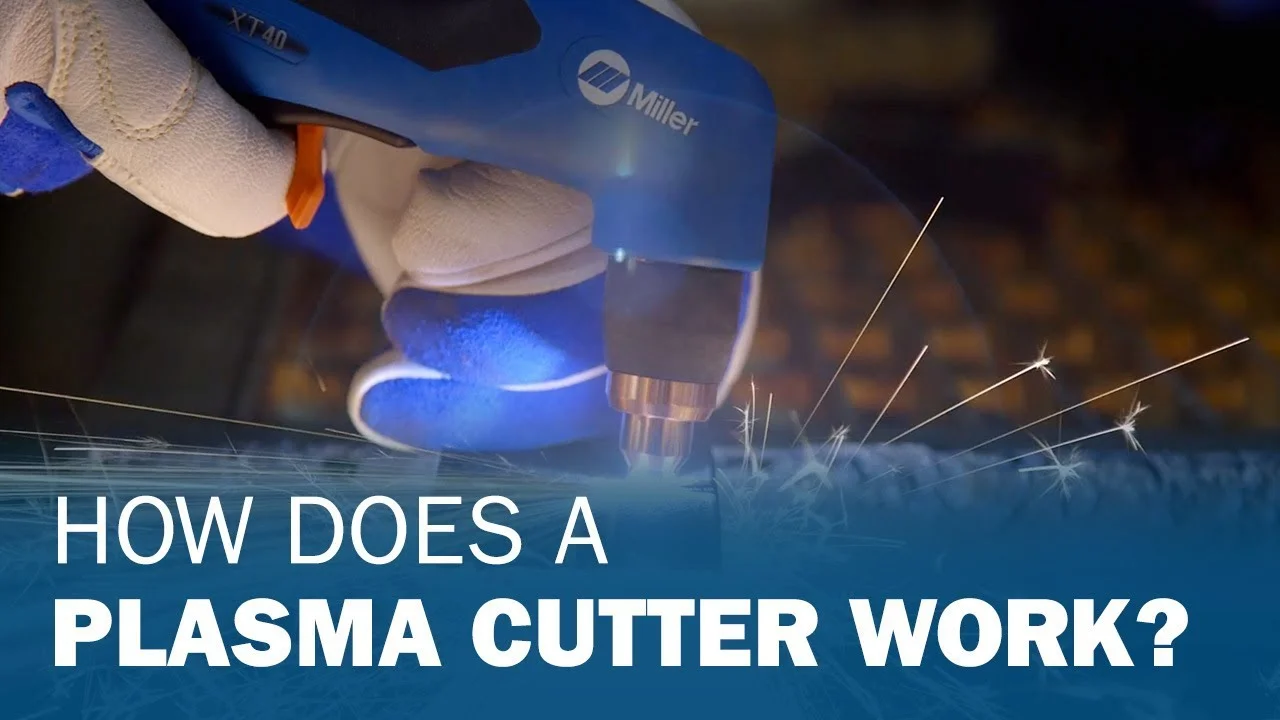
The plasma cutting process uses a powerful jet of ionized gas to cut metal. This gas, called plasma, reaches extremely high temperatures. It melts the metal in its path quickly and precisely.
The plasma cutter combines electricity and compressed gas to create this hot plasma. The plasma then blows away the molten metal, leaving a clean cut edge. The entire process is fast and efficient, suitable for many types of metal.
Ionization Of Gas
The cutting begins by forcing compressed gas through a small nozzle. An electric arc passes through this gas, turning it into plasma. This plasma is very hot and electrically charged, able to melt metal on contact.
Electric Arc Creation
The electric arc forms between the plasma cutter’s electrode and the metal surface. This arc generates intense heat. It focuses energy on a small spot to melt the metal quickly and cleanly.
Metal Melting And Cutting
As the plasma jet hits the metal, it instantly melts a narrow path. The force of the plasma blows the molten metal away. This action creates a precise cut through the metal sheet or plate.
Movement And Control
The operator guides the plasma cutter along the desired cut line. Some machines use computer controls for exact cuts. This control ensures smooth, straight, or curved cuts with minimal waste.
Materials Suitable For Plasma Cutting
Plasma cutting works best on metals that conduct electricity well. The process uses a high-temperature plasma jet to slice through these materials. Not all metals are suitable. Understanding which materials fit plasma cutting helps you get clean, fast cuts.
Many metals respond well to plasma cutting. Each metal type may require different settings. Knowing this ensures smooth and precise cutting results.
Ferrous Metals
Ferrous metals contain iron and are commonly cut with plasma cutters. Steel is a prime example. Carbon steel and stainless steel cut easily with plasma. These metals melt quickly under the plasma jet. Plasma cutting creates sharp edges on these materials.
Non-ferrous Metals
Non-ferrous metals like aluminum and copper also suit plasma cutting. These metals conduct electricity and heat well. Aluminum requires slower cutting speeds to avoid warping. Copper’s high thermal conductivity demands more power. Plasma cutters handle these metals efficiently with proper settings.
Other Conductive Materials
Besides metals, some conductive materials also work with plasma cutting. Brass is one such metal. It cuts well but needs care to prevent rough edges. Titanium is another option. It requires precise control for clean cuts. Plasma cutting offers versatility across many conductive materials.
Safety Measures And Precautions
Using a plasma cutter involves risks that require strict safety measures and precautions. The intense heat and bright light can cause serious injuries without proper care. Safety is the top priority for anyone working with this tool. Following rules protects the user and others nearby.
Proper safety steps reduce accidents and ensure smooth operation. Understanding these precautions helps maintain a safe work environment. Here are essential safety measures to follow when handling a plasma cutter.
Protective Clothing And Gear
Wear flame-resistant clothing to prevent burns. Use heavy gloves made for welding or cutting tasks. Safety goggles or a welding helmet with the correct shade protect your eyes from sparks and intense light. Avoid loose clothing that may catch fire.
Ventilation And Fume Control
Work in a well-ventilated area to avoid inhaling harmful fumes. Use fans or exhaust systems to clear smoke and gases. Plasma cutting releases metal fumes that can be dangerous over time. Proper ventilation keeps the air safe to breathe.
Safe Handling And Workspace Setup
Keep the workspace clean and free of flammable materials. Secure the metal piece firmly before cutting. Use insulated mats to stand on to prevent electric shocks. Always check cables and connections for damage before starting.
Electrical Safety
Ensure the plasma cutter is properly grounded. Avoid working in wet or damp conditions to reduce shock risk. Turn off and unplug the cutter when not in use. Inspect power cords regularly for signs of wear or damage.
Fire Safety Measures
Have a fire extinguisher nearby and know how to use it. Sparks can ignite surrounding materials quickly. Keep a bucket of water or sand close for emergencies. Never leave the plasma cutter unattended while it is on.
Credit: esab.com
Advanced Plasma Cutting Techniques
Advanced plasma cutting techniques improve precision and efficiency in metal cutting. These methods use newer technology and refined control to deliver cleaner cuts. They help reduce waste and increase productivity on cutting projects.
These techniques also extend the life of consumables and improve safety for operators. Understanding these advanced methods benefits users who want better results from plasma cutting tools.
Inverter Plasma CuttersInverter plasma cutters use modern electronics to convert power efficiently. They are lighter and more compact than traditional models. This makes them easier to handle and transport.
Their precise power control creates a stable arc. This leads to smooth, accurate cuts on various metal thicknesses. Users save energy and reduce operating costs with inverters.
CNC Plasma Cutting MethodsCNC plasma cutting uses computer control to guide the torch. This allows for highly detailed and repeatable cuts. Complex shapes and patterns can be cut quickly and accurately.
Automation reduces human error and speeds up production. CNC systems often include software that optimizes cutting paths. This lowers material waste and increases efficiency.
High-Definition Plasma CuttingHigh-definition plasma cutting produces very narrow kerfs and smooth edges. It uses advanced nozzles and gas mixtures for better arc control. This technique works well on thin and thick metals alike.
It reduces the need for secondary finishing processes. The cuts are cleaner and more precise, improving overall project quality. This technique is popular in industries requiring fine detail.
Frequently Asked Questions
How Does A Plasma Cutter Actually Work?
A plasma cutter uses an electric arc to ionize gas, creating hot plasma. This plasma melts metal, while air blows molten metal away, enabling precise cuts.
What Are The Disadvantages Of Plasma Cutting?
Plasma cutting produces rough edges requiring cleanup. It struggles with non-conductive materials and consumes significant power. Noise and intense heat pose safety risks. Equipment costs and maintenance can be high. It may cause metal warping on thin sheets.
What Metals Cannot Be Cut With A Plasma Cutter?
Plasma cutters cannot cut non-conductive metals like aluminum oxide or titanium alloys. They also struggle with thick stainless steel and cast iron.
What Is Needed To Run A Plasma Cutter?
A plasma cutter needs a power supply, compressed gas (like air or nitrogen), and an electric arc to cut metal efficiently.
What Is The Basic Principle Behind A Plasma Cutter?
A plasma cutter uses an electric arc and compressed gas to create hot plasma that melts metal.
Conclusion
A plasma cutter uses electricity and gas to cut metal quickly. It creates a hot plasma jet that melts metal edges. The process works well on many types of conductive metals. It offers cleaner and faster cuts than traditional methods.
Understanding how it works helps you choose the right tool. Plasma cutting is a valuable skill for metalworkers and hobbyists alike. Its efficiency and precision make it a popular choice in many industries.
