
Last Updated: March 30, 2026
Cutting concrete can feel like a tough job, but with the right tool and technique, you can make clean, precise cuts without breaking a sweat. If you’re wondering how to cut concrete with an angle grinder, you’re in the right place.
This powerful tool, when paired with a diamond blade and proper safety gear, turns a challenging task into something manageable—even if you’re new to concrete work. In this guide, you’ll discover simple steps to cut concrete slabs safely and effectively, how to control dust, and tips to avoid common mistakes.
Stick with me, and by the end, you’ll have the confidence to tackle your concrete cutting project like a pro. Ready to get started? Let’s dive in!
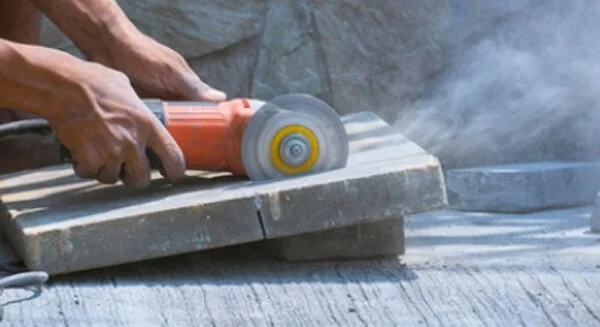
Credit: www.theclickcommunity.com
Tools And Materials
Cutting concrete with an angle grinder requires the right tools and materials. Having everything ready helps you work safely and efficiently. Using the correct items also ensures clean, precise cuts without damaging the grinder or the material.
Angle Grinder
The angle grinder is the main tool for cutting concrete. Choose a model with enough power, usually 7 to 9 inches in diameter. A more powerful grinder will cut faster and last longer when working on tough concrete.
Diamond Blade
A diamond blade is essential for cutting concrete. It has a rim embedded with diamond particles that grind through hard surfaces. Avoid using standard abrasive wheels, as they wear out quickly and do not cut concrete well.
Safety Gear
Safety gear protects you from dust and flying debris. Use a respirator to avoid inhaling dust. Wear safety goggles to shield your eyes. Gloves protect your hands, while a dust shroud helps control dust around the cutting area.
Water Spray Bottle
A spray bottle filled with water helps reduce dust. Lightly spraying water during cutting keeps dust down and cools the blade. This also extends the blade’s life and improves cutting performance.
Additional Tools
Keep a chisel and hammer nearby. These tools help remove small concrete pieces after cutting. They are useful for cleaning up edges or breaking up concrete that is hard to cut all the way through.
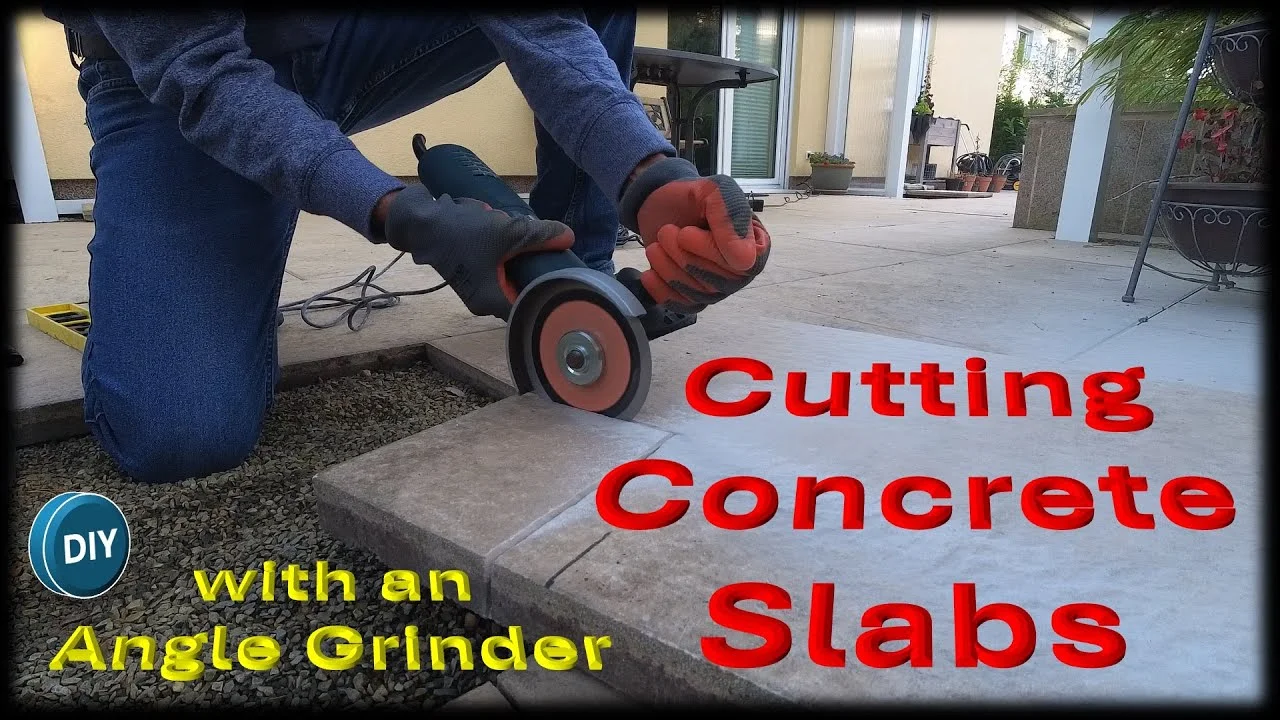
Credit: www.youtube.com
Choosing The Right Blade
Choosing the right blade for cutting concrete with an angle grinder is very important. The blade affects how clean and fast the cut will be. Using the wrong blade can cause damage to the tool or make the work unsafe. This section explains how to pick the best blade for your concrete cutting task.
Diamond Blades For Concrete Cutting
Diamond blades work best for cutting concrete. They have small diamonds attached to the edge. These diamonds cut through hard materials easily. Diamond blades last longer and cut smoother than other blades. They also create less dust and reduce the chance of the blade breaking.
Blade Size And Compatibility
Check the angle grinder’s manual for the right blade size. Blades come in different diameters, like 4 inches or 7 inches. Using the wrong size can be dangerous. The blade must fit the grinder’s arbor hole tightly. A secure fit prevents wobbling and unsafe cuts.
Choosing Wet Or Dry Cutting Blades
Wet cutting blades use water to cool the blade and reduce dust. They cut concrete cleaner and keep the blade cooler. Dry cutting blades do not need water but create more dust. Choose wet blades if you can use water safely. Otherwise, dry blades work well for small jobs.
Blade Quality And Price
High-quality blades cost more but last longer. Cheap blades wear out fast and cut poorly. Look for blades from trusted brands. They offer better performance and safety. A good blade saves money and time in the long run.
Essential Safety Gear
Wearing the right safety gear is vital when cutting concrete with an angle grinder. Concrete dust and debris can harm your eyes, lungs, and skin. Proper protection reduces the risk of injury and keeps you comfortable during work.
Safety gear also helps you stay focused. It prevents distractions caused by dust or flying particles. Using the correct equipment ensures a safer and smoother cutting process.
Personal Protective Equipment (ppe)
Always wear safety goggles to protect your eyes from dust and fragments. A face shield adds extra protection from flying debris.
Use a respirator or dust mask to avoid inhaling harmful concrete dust. This dust can cause serious lung problems over time.
Wear heavy-duty gloves to shield your hands from sharp edges and vibration. Gloves improve your grip on the angle grinder.
Long sleeves and pants protect your skin from sparks and dust. Choose breathable fabrics to stay cool.
Ear Protection
Angle grinders are loud and can damage your hearing. Use earplugs or earmuffs to protect your ears.
Consistent exposure to noise above 85 decibels can cause hearing loss. Protect your ears even during short cutting sessions.
Proper Footwear
Wear sturdy, closed-toe shoes with good grip. Concrete cutting creates slippery surfaces.
Steel-toe boots offer extra protection from falling debris and heavy materials.
Additional Safety Tools
Use a dust shroud or vacuum attachment to reduce airborne dust. This keeps your workspace cleaner and safer.
Keep a first aid kit nearby in case of minor injuries. Quick access helps prevent complications.
Preparing The Work Area
Preparing the work area is a crucial first step before cutting concrete with an angle grinder. A clean and organized space helps ensure safety and precision. It reduces risks and makes the task easier to manage. Taking time to set up properly prevents accidents and damage.
Clear the area of any obstacles or loose debris. Remove items that could get in the way or cause tripping. Make sure the surface is dry and stable for steady footing. A well-lit environment improves visibility during cutting. Good lighting helps you see the cut lines clearly.
Check the surroundings for any hazards like electrical cords or water sources. Keep the power cable of the angle grinder away from the cutting path. Position yourself so you have enough room to move safely. Proper spacing allows better control of the tool.
Gather Safety Equipment
Wear safety goggles to protect your eyes from dust and debris. Use a respirator mask to avoid inhaling harmful concrete dust. Gloves protect your hands from sharp edges and vibration. Ear protection shields your hearing from loud noise. Dress in long sleeves and pants for added skin protection.
Set Up Dust Control Measures
Concrete cutting creates a lot of dust, which can be harmful. Use a dust shroud on your angle grinder if available. A spray bottle with water helps keep dust down. Lightly mist the cutting area during work. Wet cutting reduces airborne particles and improves visibility.
Mark The Cutting Line
Use a chalk line or marker to outline where you want to cut. Clear, straight lines guide the angle grinder precisely. Double-check measurements before starting. Accurate marking prevents mistakes and saves time.
Marking And Scoring The Cut Line
Marking and scoring the cut line is an essential first step when cutting concrete with an angle grinder. It helps guide the blade and ensures a straight, accurate cut. Taking time to mark and score the line properly reduces mistakes and saves effort later.
Clear marking provides a visual guide. Scoring the line creates a shallow groove that guides the blade. Both steps improve control and precision during the cut.
Choosing The Right Tools For Marking
Use a pencil or chalk to mark the cut line. Chalk works well on rough concrete surfaces. For smoother surfaces, a pencil or marker may be better. A straight edge or ruler helps make straight lines. Tape measure ensures correct measurements.
How To Mark The Cut Line Accurately
Measure the area carefully before marking. Double-check measurements for accuracy. Use the straight edge to draw the line. Make the line visible and clear. Avoid thick or blurry lines that confuse the blade path.
Scoring The Cut Line For Guidance
Use the angle grinder with a diamond blade to score the line. Set the blade depth shallow, about 1/8 inch. Run the grinder slowly along the marked line. Create a thin groove without cutting deep. This groove guides the full cut later.
Safety Tips During Marking And Scoring
Wear safety goggles and gloves when scoring. Keep your workspace clean and clear. Control dust by spraying water lightly along the line. Take your time to avoid slips or mistakes. Proper marking and scoring make cutting easier and safer.
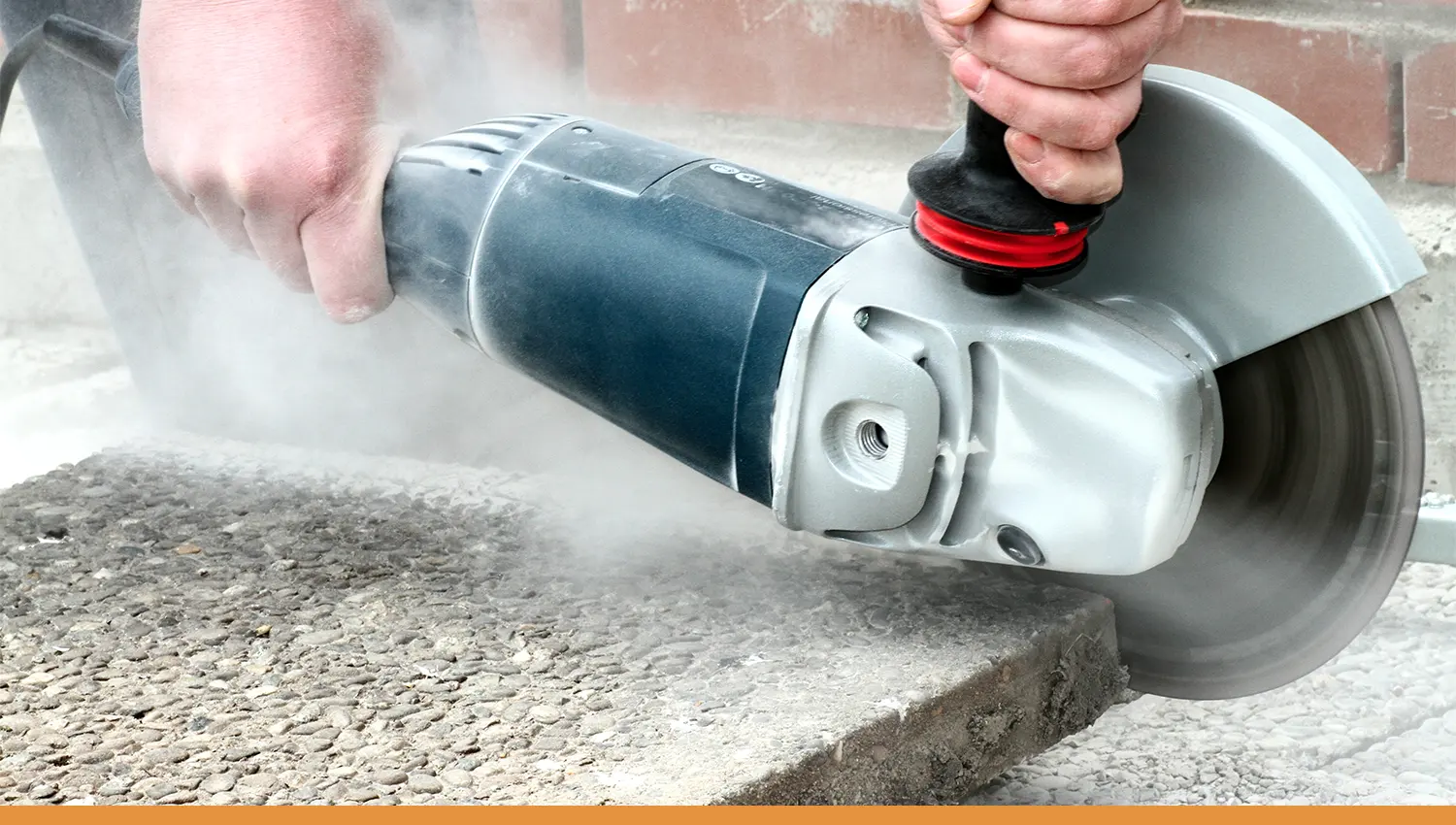
Credit: www.bigrentz.com
Cutting Techniques And Tips
Cutting concrete with an angle grinder demands specific techniques to achieve clean, accurate cuts. Proper handling and preparation improve safety and results. This section outlines key cutting techniques and tips for best performance.
Select a diamond blade made for concrete cutting. Avoid standard abrasive wheels as they wear quickly and cut poorly. The diamond blade lasts longer and cuts smoothly through concrete.
Marking Your Cut Line
Use a chalk line or pencil to mark the cut clearly. Straight and visible lines guide your cutting and reduce mistakes. Measure twice before starting the cut.
Securing The Concrete Piece
Clamp the concrete firmly to prevent movement. Movement can cause uneven cuts and increase the risk of kickback. Stable material ensures safer operation.
Starting The Cut Properly
Begin with a shallow cut to create a groove along the marked line. This guides the blade for the deeper cut. Avoid forcing the blade; let it do the work.
Use a water spray or dust shroud to reduce dust. Concrete dust is harmful if inhaled and limits visibility. Keep a steady water flow to cool the blade and minimize dust clouds.
Maintaining A Steady Pace
Cut at a consistent speed without rushing. Moving too fast strains the blade and creates rough edges. A slow, steady pace improves cut quality and blade life.
Handling Blade Heat
Pause occasionally to let the blade cool down. Overheated blades lose cutting efficiency and wear out faster. Use water to cool the blade during cutting.
Using Proper Safety Gear
Wear safety goggles, gloves, and a respirator. Concrete dust and debris pose health risks. Protect your eyes, lungs, and hands at all times during cutting.
Controlling Dust And Debris
Cutting concrete with an angle grinder creates a lot of dust and debris. This dust can harm your health and make the workspace messy. Controlling dust and debris is crucial for safety and cleanliness. Proper dust control helps you see the cut line clearly. It also prevents dust from spreading to other areas.
Use A Dust Shroud Attachment
A dust shroud attaches to your angle grinder. It surrounds the blade and catches dust as you cut. Connect the shroud to a vacuum to remove dust quickly. This method reduces airborne dust and keeps the area clean. It also protects your lungs from harmful particles.
Spray Water While Cutting
Spraying water on the cutting surface lowers dust. Water traps dust particles and prevents them from flying. Use a spray bottle or a misting system. Keep the water light to avoid slipping or electric hazards. This method is simple and effective for dust control.
Wear Proper Safety Gear
Wear a respirator or dust mask to protect your lungs. Use safety goggles to shield your eyes from dust and debris. Gloves protect your hands from sharp fragments. Long sleeves and pants help avoid skin contact. Safety gear is essential when cutting concrete.
Work In A Well-ventilated Area
Good airflow helps move dust away from you. Open doors and windows if possible. Use fans to push dust outside. This reduces dust concentration in the air. A clean, ventilated area keeps you safer and more comfortable.
Breaking And Removing Concrete
Breaking and removing concrete after cutting with an angle grinder is a critical step. It ensures clean edges and prepares the area for the next phase of your project. Proper technique makes this process easier and safer. Patience and the right tools help avoid damage to surrounding surfaces.
Preparing The Cut Concrete For Removal
Begin by making deep, straight cuts with the angle grinder. Use a diamond blade to score the concrete fully. This weakens the section and guides the break. Avoid cutting too shallow or unevenly. Mark the area clearly to maintain control during removal.
Using Tools To Break The Concrete
After cutting, use a hammer and chisel to break the concrete along the cut lines. Tap gently near the edges to loosen chunks. Work slowly to prevent cracks spreading beyond the cut. For thicker slabs, a sledgehammer can help. Always wear safety gear to protect from flying debris.
Removing Concrete Debris Safely
Lift broken pieces carefully to avoid injury. Use a crowbar for leverage on heavy chunks. Place debris in a wheelbarrow or container for easy disposal. Clean the area with a broom or blower to remove dust and small fragments. Keep the workspace tidy to avoid accidents.
Frequently Asked Questions
Can I Cut Concrete With An Angle Grinder?
Yes, you can cut concrete with an angle grinder using a diamond blade. Wear safety gear and control dust carefully.
What Blade Do I Need For An Angle Grinder To Cut Concrete?
Use a diamond blade designed specifically for concrete or masonry cutting with your angle grinder. Avoid standard abrasive wheels.
What Is One Common Mistake To Avoid When Using An Angle Grinder?
A common mistake is using the wrong blade. Always use a diamond blade designed for cutting concrete to avoid damage and injury.
How To Cut Concrete By Hand?
Use an angle grinder with a diamond blade for cutting concrete by hand. Mark the cut line clearly. Make shallow score cuts first, then deepen gradually. Wear safety gear like goggles, respirator, and gloves. Control dust with water spray and work steadily without forcing the tool.
Can An Angle Grinder Cut Through Concrete Effectively?
Yes, with a diamond blade, an angle grinder can cut concrete efficiently and precisely.
Conclusion
Cutting concrete with an angle grinder takes care and the right tools. Use a diamond blade for clean cuts. Always wear safety gear like goggles and a respirator. Control dust by using water and a dust shroud. Take your time to make straight, even cuts.
Keep the work area clear and stable. With practice, you can handle concrete cutting safely and effectively. Stay focused and follow safety tips to avoid accidents. Concrete cutting is manageable with patience and proper preparation.
