
Last Updated: March 20, 2026
Cutting plexiglass might seem tricky, especially if you want clean, precise edges without cracks or chips. But what if you could use your circular saw—the tool you already have—to get the job done smoothly?
In this guide, you’ll learn exactly how to cut plexiglass with a circular saw, step by step. You’ll discover the right blade to choose, how to set your saw for the best results, and simple techniques that protect your material from damage.
Keep reading, and you’ll gain the confidence to handle your plexiglass cutting like a pro, saving time and avoiding costly mistakes.
Credit: www.bobvila.com
Choosing The Right Blade
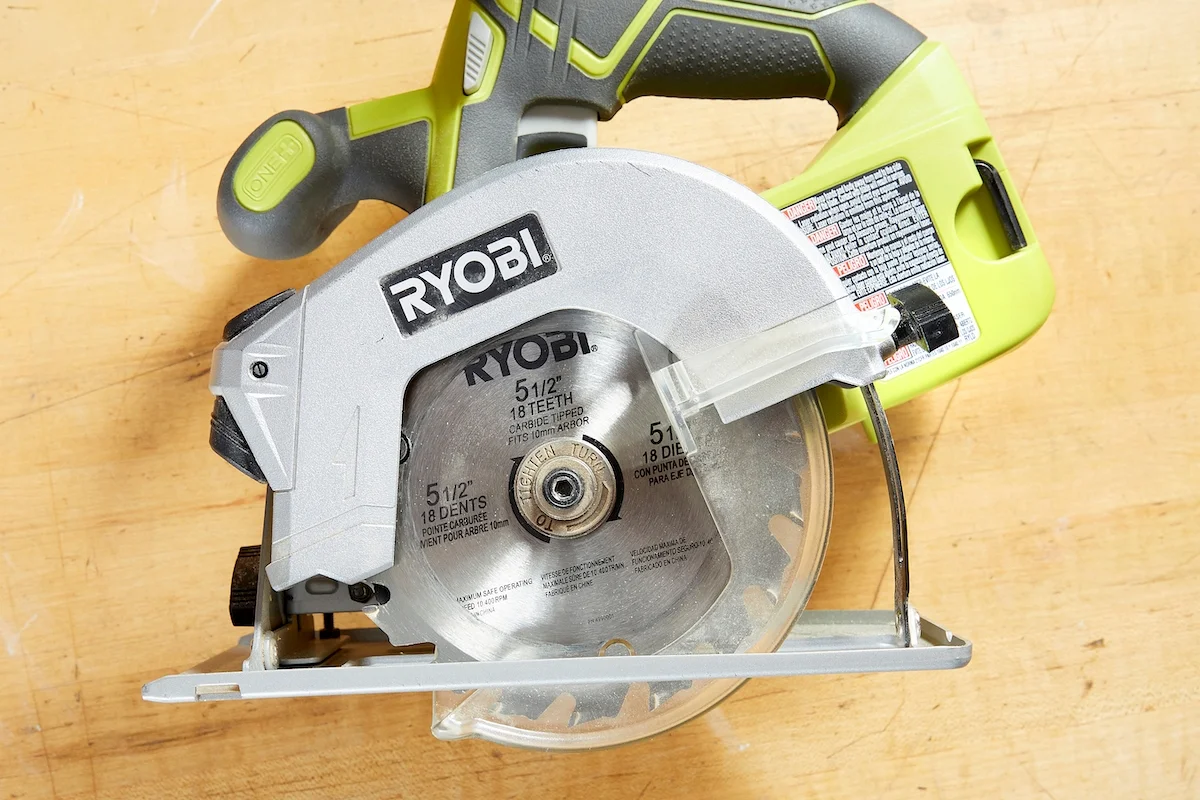
Choosing the right blade is key to cutting plexiglass cleanly with a circular saw. The wrong blade can cause cracks, chips, or melting. Plexiglass is sensitive to heat and pressure. A blade designed for plastics will give the best results.
Blades vary in tooth design, material, and purpose. Each factor affects the cut quality. Understanding these differences helps you pick the perfect blade for your project.
Triple-chip Grind Teeth
Triple-chip grind teeth have a unique shape. They alternate between a flat and a sharp tooth. This design reduces heat buildup. It also lowers the risk of melting the plexiglass.
These teeth produce smooth cuts and less chipping. They work well on hard plastics like plexiglass. Using a blade with triple-chip grind teeth is highly recommended.
Carbide-tipped Blades
Carbide-tipped blades are very durable. They stay sharp longer than steel blades. This sharpness helps cut plexiglass cleanly. The tips resist wear and heat.
These blades provide precise cuts without cracking the material. They are a popular choice for cutting acrylic sheets. Invest in a carbide-tipped blade for best results.
Blades For Acrylic
Some blades are made specifically for acrylic and plastics. These blades have a special tooth count and shape. They minimize chipping and melting during cutting.
Blades labeled for acrylic ensure smooth, clean edges. They help you avoid sanding or finishing after cutting. Selecting a blade for acrylic is a smart step for easy plexiglass work.
Credit: onevantool.com
Preparing Plexiglass For Cutting
Preparing plexiglass for cutting is a crucial step before using a circular saw. Proper preparation ensures clean cuts and prevents damage. It also helps keep you safe and improves accuracy.
Follow simple steps to measure, secure, and protect your plexiglass sheet. These steps make your cutting process smooth and efficient.
Measuring And Marking
Start by measuring the plexiglass sheet carefully. Use a tape measure or ruler to get exact dimensions. Mark the cutting line with a fine-tip marker or pencil. Draw straight, clear lines to guide your saw. Double-check your measurements before cutting to avoid mistakes.
Securing The Sheet
Place the plexiglass on a flat, sturdy surface. Clamp the sheet firmly to prevent movement. Use soft clamps to avoid scratching or cracking the material. Make sure the cutting line extends beyond the edge of the work surface. This setup reduces vibrations and improves control while cutting.
Protective Film Use
Keep the protective film on the plexiglass during cutting. It shields the surface from scratches and dust. Remove the film only after finishing the cut and smoothing edges. If the film has tears, cover the area with tape to protect it further. This keeps your plexiglass clean and looking new.
Setting Up The Circular Saw
Setting up your circular saw correctly is vital before cutting plexiglass. It ensures clean cuts and protects the material from damage. Proper setup also keeps you safe while working. Follow these simple steps to prepare your saw for the task.
Adjusting Blade Height
Set the blade height so it just clears the thickness of the plexiglass. This reduces splintering and overheating. Raise the blade to about 1/8 inch above the material surface. A higher blade can cause rough edges and more waste.
Selecting Speed Settings
Use the lowest speed setting available on your circular saw. Slow speed prevents the plexiglass from melting during the cut. High speed generates heat, causing the plastic to warp or stick to the blade. Maintain a steady, gentle pressure for smooth results.
Safety Precautions
Wear safety goggles to protect your eyes from flying debris. Use a dust mask to avoid inhaling plastic dust. Clamp the plexiglass securely to a stable surface to prevent movement. Keep your hands away from the blade path at all times.

Credit: www.eplastics.com
Cutting Techniques For Clean Edges
Cutting plexiglass with a circular saw requires care to achieve smooth, clean edges. Using the right techniques helps avoid cracks, chips, and rough cuts. These tips focus on controlling the saw and material for the best finish.
Applying Steady Pressure
Keep your hand firm but gentle on the saw. Too much force can crack the plexiglass. Let the saw blade do the cutting work. Move the saw at a steady, even pace. This control helps maintain a straight, clean line without jagged edges.
Avoiding Overheating
Heat can melt plexiglass, causing rough edges or sticky cuts. Use the lowest speed setting on your saw. Take breaks if the material feels hot. Cooling the plexiglass prevents warping and keeps the edges crisp and clear.
Preventing Chipping
Chips ruin the look and can weaken the plexiglass. Use a blade designed for plastic, such as a carbide-tipped blade with a triple-chip grind. Support the sheet firmly during cutting to reduce vibrations. Scoring the cut line before using the saw also helps minimize chipping.
Handling Thick And Large Sheets
Handling thick and large plexiglass sheets requires careful planning and the right techniques. These sheets can be heavy and prone to cracking if not supported properly. Cutting them with a circular saw needs extra attention to avoid damage and ensure clean edges. The key is to keep the sheet stable, use the right blade, and cut slowly and steadily.
Below are useful tips and methods to help you cut thick and large plexiglass sheets safely and accurately.
Support And Stability Tips
Place the plexiglass sheet on a flat, sturdy surface. Use sawhorses or a large workbench for support. Clamp the sheet firmly to prevent movement during cutting. Use scrap wood pieces under the sheet to avoid blade damage. Avoid letting the sheet hang unsupported at the edges. This keeps it from bending or cracking as you cut.
Multiple Passes Method
Cutting thick plexiglass in one pass can cause melting or chipping. Instead, make several shallow passes with the saw. Start by scoring the cut line lightly. Gradually increase blade depth with each pass. This reduces heat buildup and stress on the sheet. Take breaks between passes to let the material cool. This method produces smoother, cleaner cuts.
Dealing With Curves
Cutting curves requires extra care and precision. Draw the curve clearly on the plexiglass before cutting. Use a circular saw with a fine-tooth blade or switch to a jigsaw for tight curves. Move the saw slowly and steadily along the curve line. Support the sheet well to avoid vibrations. For sharp curves, make small relief cuts to help the saw turn easily.
Finishing And Smoothing Edges
After cutting plexiglass with a circular saw, the edges often need finishing. Rough edges can be sharp and unsightly. Smoothing these edges improves both safety and appearance. Proper finishing also prepares the plexiglass for any further work like gluing or painting. Follow these simple steps to get smooth, polished edges that look professional.
Sanding Tips
Start sanding with medium-grit sandpaper, around 120 grit. Use a sanding block or sponge to keep pressure even. Sand along the edge, not across it, to avoid scratches. After the rough sanding, move to finer grits like 220 or 320. This will smooth out the surface further. Keep the sandpaper wet or use wet sanding to reduce dust and heat. Sand gently until the edge feels smooth to the touch.
Polishing Methods
Polishing makes edges clear and shiny. Use a plastic polish or a fine abrasive polish for best results. Apply a small amount on a soft cloth or buffing wheel. Rub the edge in small circles with light pressure. Repeat until the edge becomes transparent and smooth. For quick polishing, use a heat gun carefully to soften the edge slightly, then smooth it with a cloth. Always test polishing on a scrap piece first.
Removing Protective Film
Plexiglass sheets usually come with a protective film on both sides. Remove this film only after cutting and sanding. Peel the film slowly to avoid bending or scratching the edges. If any adhesive remains, clean it gently with warm soapy water. Avoid harsh chemicals that can damage the plexiglass surface. Removing the film last keeps the sheet clean and scratch-free during work.
Frequently Asked Questions
What Kind Of Circular Saw Blade To Cut Plexiglass?
Use a carbide-tipped circular saw blade with a triple-chip grind for clean, heat-free cuts on plexiglass. Choose blades made for acrylic or plastic.
How To Cut Plexiglass Without It Cracking?
Score a shallow cut first along the plexiglass to avoid cracking. Use a fine-tooth blade at low speed, applying gentle, steady pressure. Support the sheet firmly and finish the cut slowly to ensure a clean edge without cracks.
What’s The Best Tool To Cut Plexiglass With?
The best tool to cut plexiglass varies by thickness and shape. Use a utility knife for thin sheets, a fine-tooth jigsaw for curves, and a circular or table saw with a fine-tooth blade for thicker pieces. Always cut slowly to avoid cracking or melting.
What Are Common Mistakes When Cutting Acrylic?
Common mistakes when cutting acrylic include using the wrong blade, applying too much pressure, cutting too fast, and neglecting to secure the sheet properly. These errors cause chipping, cracking, or melting. Always use a fine-tooth blade, steady gentle pressure, and slow speed for clean cuts.
What Blade Type Is Best For Cutting Plexiglass With A Circular Saw?
A carbide-tipped blade with a triple-chip grind works best to reduce melting and chipping.
How Fast Should I Run The Circular Saw When Cutting Plexiglass?
Use the lowest speed setting to avoid overheating and melting the plexiglass.
Conclusion
Cutting plexiglass with a circular saw is simple when you follow key steps. Use the right blade and adjust the speed to low. Apply gentle pressure and keep the blade high for smooth cuts. Take your time to avoid cracks or melting.
With care, your plexiglass will have clean, precise edges. Practice safety and patience for the best results every time.
{ “@context”: “https://schema.org”, “@type”: “Article”, “headline”: “How to Cut Plexiglass With a Circular Saw: Expert Tips & Tricks”, “description”: “Learn how to cut plexiglass with a circular saw by understanding the proper tools, techniques, and safety measures for clean, precise cuts on acrylic sheets.”, “url”: “https://www.powertoolstoday.com/how-to-cut-plexiglass-with-a-circular-saw/”, “datePublished”: “2025-11-18”, “dateModified”: “2026-03-18”, “author”: { “@type”: “Organization”, “name”: “Power Tools Today”, “url”: “https://www.powertoolstoday.com” }, “publisher”: { “@type”: “Organization”, “name”: “Power Tools Today”, “url”: “https://www.powertoolstoday.com” }, “mainEntityOfPage”: { “@type”: “WebPage”, “@id”: “https://www.powertoolstoday.com/how-to-cut-plexiglass-with-a-circular-saw/” }, “image”: { “@type”: “ImageObject”, “url”: “https://www.powertoolstoday.com/wp-content/uploads/2025/11/how-to-cut-plexiglass-with-a-circular-saw.webp” } }{ “@context”: “https://schema.org”, “@type”: “Article”, “headline”: “How to Cut Plexiglass With a Circular Saw: Expert Tips & Tricks”, “description”: “Learn how to cut plexiglass with a circular saw by understanding the proper tools, techniques, and safety measures for clean, precise cuts on acrylic sheets.”, “url”: “https://www.powertoolstoday.com/how-to-cut-plexiglass-with-a-circular-saw/”, “datePublished”: “2025-11-18”, “dateModified”: “2026-03-19”, “author”: { “@type”: “Organization”, “name”: “Power Tools Today”, “url”: “https://www.powertoolstoday.com” }, “publisher”: { “@type”: “Organization”, “name”: “Power Tools Today”, “url”: “https://www.powertoolstoday.com” }, “mainEntityOfPage”: { “@type”: “WebPage”, “@id”: “https://www.powertoolstoday.com/how-to-cut-plexiglass-with-a-circular-saw/” }, “image”: { “@type”: “ImageObject”, “url”: “https://www.powertoolstoday.com/wp-content/uploads/2025/11/how-to-cut-plexiglass-with-a-circular-saw.webp” } }nnnn