
Last Updated: March 20, 2026
Cutting plexiglass can feel tricky if you’ve never done it before, especially when using a jigsaw. But what if you knew a simple way to get smooth, precise cuts without cracking or melting your material?
Whether you’re working on a DIY project or a professional job, mastering the right technique will save you time, frustration, and wasted plexiglass. In this guide, you’ll discover step-by-step how to cut plexiglass with a jigsaw safely and effectively—so you can handle curves, straight lines, and intricate shapes like a pro.
Ready to make your next cut flawless? Let’s dive in.
Choosing The Right Blade
Choosing the right blade is essential for clean, precise cuts in plexiglass. The blade type affects how smoothly the jigsaw moves through the material. Using an incorrect blade can cause cracking or melting. Select a blade designed to handle plastic materials to ensure the best results.
Fine-tooth Vs. Metal-cutting Blades
Fine-tooth blades have many small teeth. They create smooth cuts and reduce cracking. These blades work well on thin plexiglass sheets. Metal-cutting blades have fewer, sharper teeth. They cut faster but may cause rough edges. Use metal-cutting blades for thicker or harder acrylics. Fine-tooth blades are better for delicate or detailed work.
Blade Size And Tooth Count
Blade size affects control and cutting speed. Smaller blades offer more control for curves. Larger blades cut faster on straight lines. Tooth count impacts cut quality. More teeth per inch (TPI) mean smoother cuts. Fewer teeth mean faster, rougher cuts. For plexiglass, choose blades with 10 to 14 TPI. This balance avoids chipping and melting.
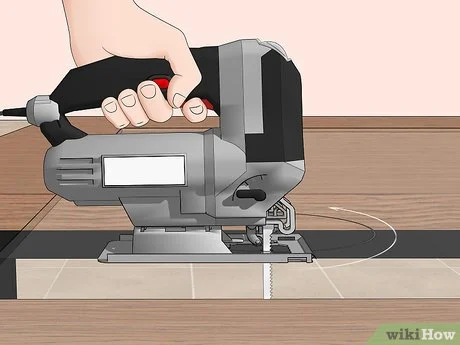
Credit: www.wikihow.com
Preparing Plexiglass For Cutting
Preparing plexiglass before cutting is essential for a clean and safe job. Proper preparation helps avoid mistakes and damage. Take time to set up your work area and tools correctly. This reduces stress and makes cutting easier. Follow these steps to get your plexiglass ready for the jigsaw.
Cleaning And Marking Cut Lines
Start by cleaning the plexiglass surface. Use a soft cloth and mild soap with water. Remove dust, dirt, and grease for clear visibility. Dry the sheet completely to prevent slipping. Next, mark your cut lines with a fine-tip marker or grease pencil. Use a ruler or straight edge for accuracy. Clear, precise lines guide your jigsaw and improve results.
Securing Plexiglass With Clamps
Place the plexiglass on a stable workbench or table. Use clamps to hold the sheet firmly in place. Clamp near the edges but away from the cut path. This prevents movement during cutting and reduces vibrations. Secure clamping ensures smooth, accurate cuts and protects your safety.
Using Masking Tape To Prevent Scratches
Apply masking tape along the cut lines on both sides of the plexiglass. The tape acts as a protective layer and helps prevent scratches. It also reduces chipping along the edges. Mark the cut lines on the tape for better visibility. Masking tape is an inexpensive way to keep your plexiglass looking new.
Setting Up The Jigsaw
Setting up your jigsaw correctly is essential for cutting plexiglass smoothly and safely. Proper setup helps avoid cracks and rough edges. It also ensures better control over the cutting process. Take time to prepare your tool well before starting.
Adjusting Speed For Plexiglass
Set your jigsaw to a low or medium speed. High speed may melt the plexiglass. A slower speed keeps the cut clean and prevents damage. Adjust the speed dial according to your jigsaw model. Test the speed on a scrap piece first. This step improves precision and safety.
Installing The Blade Correctly
Choose a fine-tooth blade designed for plastics or metal. Avoid blades meant for wood, as they cause chipping. Insert the blade firmly into the jigsaw’s blade holder. Make sure the teeth face forward and downwards. Tighten the blade securely to prevent wobbling. A well-installed blade gives smooth, accurate cuts.
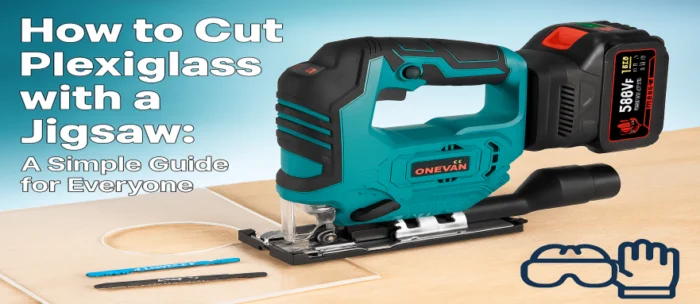
Credit: onevantool.com
Techniques For Straight Cuts
Cutting plexiglass with a jigsaw requires steady hands and clear techniques. Straight cuts need precision to avoid cracks and uneven edges. Using the right methods can make your cuts clean and professional. Here are two key techniques to help you achieve straight cuts easily.
Using Guides And Rulers
Start by marking your cut line clearly with a pencil or marker. Use a metal ruler or straight edge as a guide for your jigsaw. Clamp the guide firmly to the plexiglass to prevent it from moving. This helps keep the jigsaw blade on track during the cut. A steady guide reduces mistakes and jagged edges. It also speeds up the cutting process with confidence.
Making Slow And Controlled Passes
Set your jigsaw to a low speed to avoid melting the plexiglass. Move the saw slowly along the guide for a smooth cut. Do not force the blade; let it cut naturally through the material. Slow, steady passes prevent cracks and chips along the edge. Pause if you feel resistance and adjust your position. This careful approach results in a clean, straight line every time.
Handling Curved And Intricate Cuts
Cutting curved and intricate shapes in plexiglass requires focus and care. Straight cuts are simpler, but curves need a steady hand and the right technique. Using a jigsaw for these shapes is possible with the correct approach. This section explains how to handle curved and complex cuts smoothly.
Choosing The Right Cutting Path
Plan your cutting path carefully before starting. Mark the curve clearly on the plexiglass with a fine marker. Use a flexible curve ruler or a template for accuracy. Avoid sharp angles that can crack the material. Smooth, gradual curves reduce stress on the plexiglass. Follow the lines slowly to keep the cut clean and precise.
Managing Turns And Curves Smoothly
Use a jigsaw with a fine-tooth blade designed for plastics. Set the jigsaw to a low speed to prevent melting. Guide the saw gently without forcing it through the material. Take wide, slow turns to avoid cracking. Keep the plexiglass firmly clamped to prevent vibration. Pause at tight curves and adjust your angle carefully. Smooth, steady movements help create neat, clean edges.
Safety Tips And Finishing Touches
Cutting plexiglass with a jigsaw requires attention to safety and detail. Protecting yourself and finishing the edges well ensures a good result. This section covers key safety tips and how to smooth your cuts for a clean finish.
Wearing Safety Gear
Always wear safety glasses to protect your eyes from flying plastic chips. Use a dust mask to avoid inhaling tiny particles. Gloves keep your hands safe from sharp edges and the jigsaw blade. Wear ear protection if the jigsaw noise is loud. Dress in long sleeves to avoid skin contact with debris.
Sanding Edges For A Clean Finish
After cutting, the edges of plexiglass can be rough or sharp. Use fine-grit sandpaper to smooth these edges gently. Sand in a circular motion for even results. For best results, wet the sandpaper slightly to reduce dust. Finish by wiping the edges with a soft cloth to remove dust. This step prevents cuts and gives your project a polished look.
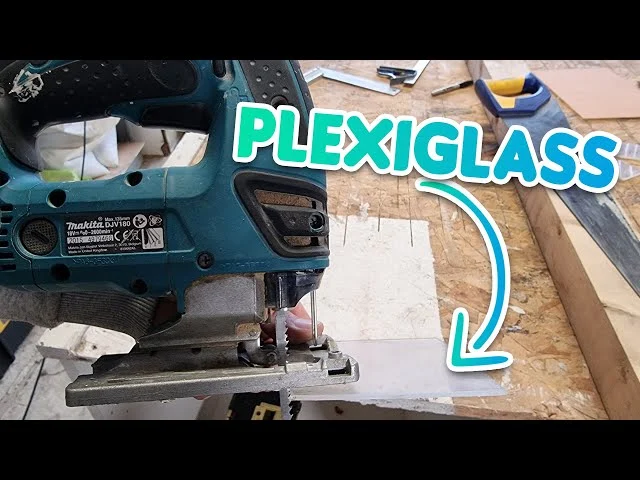
Credit: www.youtube.com
Frequently Asked Questions
What Is The Best Tool To Cut Plexiglass With?
The best tool to cut plexiglass depends on thickness and shape. Use a utility knife for thin sheets. Use a jigsaw with a fine-tooth blade for curves and straight cuts. For thick sheets, choose a table saw or circular saw with a fine-tooth blade.
How Do I Cut Plexiglass Without Cracking It?
Score the plexiglass deeply with a utility knife along a straight edge. Snap it carefully. For thicker sheets, use a fine-tooth blade saw at low speed. Always clamp the material, apply masking tape on the cut line, and cut slowly to avoid cracking.
Wear safety gear.
What Kind Of Jigsaw Blade To Use On Plexiglass?
Use a fine-tooth jigsaw blade designed for plastics or metal. Cut slowly to avoid melting or cracking plexiglass.
What Are Common Mistakes When Cutting Acrylic?
Common mistakes when cutting acrylic include using the wrong blade, cutting too fast, not securing the sheet, skipping protective tape, and ignoring safety gear.
What Blade Is Best For Cutting Plexiglass With A Jigsaw?
Use a fine-tooth or metal-cutting blade to reduce cracking and melting.
How Do I Prevent Plexiglass From Cracking While Cutting?
Cut slowly at low speed and secure the sheet firmly to avoid cracks.
Conclusion
Cutting plexiglass with a jigsaw is simple and effective. Use a fine-tooth blade and slow speed for clean cuts. Secure your material well to avoid slips and damage. Always wear safety gear to protect yourself. Take your time and follow the steps carefully.
With patience, you can achieve smooth, precise results every time. This method works well for both straight and curved cuts. Practice on scrap pieces to build confidence before your main project. Enjoy crafting your plexiglass safely and successfully.
{ “@context”: “https://schema.org”, “@type”: “Article”, “headline”: “How to Cut Plexiglass With a Jigsaw: Easy & Precise Guide”, “description”: “Learn how to cut plexiglass with a jigsaw easily and precisely. Follow our step-by-step guide for smooth, crack-free cuts every time.”, “url”: “https://www.powertoolstoday.com/how-to-cut-plexiglass-with-a-jigsaw/”, “datePublished”: “2025-11-13”, “dateModified”: “2026-03-18”, “author”: { “@type”: “Organization”, “name”: “Power Tools Today”, “url”: “https://www.powertoolstoday.com” }, “publisher”: { “@type”: “Organization”, “name”: “Power Tools Today”, “url”: “https://www.powertoolstoday.com” }, “mainEntityOfPage”: { “@type”: “WebPage”, “@id”: “https://www.powertoolstoday.com/how-to-cut-plexiglass-with-a-jigsaw/” }, “image”: { “@type”: “ImageObject”, “url”: “https://www.powertoolstoday.com/wp-content/uploads/2025/11/How-to-Cut-Plexiglass-With-a-Jigsaw-1024×576.webp” } }nnnn