
Last Updated: March 20, 2026
If you’ve ever needed to drill a hole in glass, you probably know it’s not as simple as using a regular drill bit. Glass is delicate and can easily crack or shatter if you don’t use the right tools and techniques.
But what if you could learn the exact steps to drill through glass safely and cleanly? Imagine being able to customize glass bottles, create unique decorations, or fix a project without the fear of breaking your glass. In this guide, you’ll discover how to drill a hole in glass the right way—using the proper drill bits, the best methods to keep the glass cool, and simple tips to avoid cracks.
Ready to master this skill and impress everyone with your precision? Keep reading, and you’ll be drilling glass like a pro in no time.
Choosing The Right Drill Bit
Choosing the right drill bit is crucial when drilling into glass. Glass is fragile and can crack easily. Using the correct bit prevents damage and ensures a clean hole. Different drill bits suit different types of glass and projects. Understanding the differences helps pick the best option for your needs.
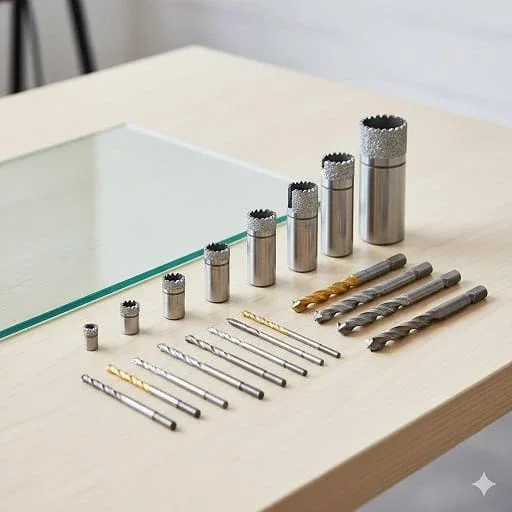
Carbide-tipped Vs Diamond-tipped Bits
Carbide-tipped bits have a hard metal tip. They are good for thin glass and light projects. They last longer than standard bits but can wear out faster than diamond bits.
Diamond-tipped bits use tiny diamond particles on the edge. These bits are stronger and cut through glass smoothly. They are best for thick or tough glass. Diamond bits stay sharp longer and create cleaner holes.
Why Standard Bits Fail On Glass
Standard drill bits are made for wood or metal. They have sharp edges that chip glass instead of cutting it. Using them on glass causes cracks or shattering. The pressure and heat build-up break the glass quickly.
Glass needs bits that grind or score the surface gently. Specialized bits reduce heat and spread pressure evenly. This prevents damage and makes drilling safer and easier.
Preparing The Glass Surface
Preparing the glass surface is a key step before drilling a hole. Proper preparation helps avoid cracks and ensures accuracy. Take your time to get this step right. It improves the drilling experience and results.
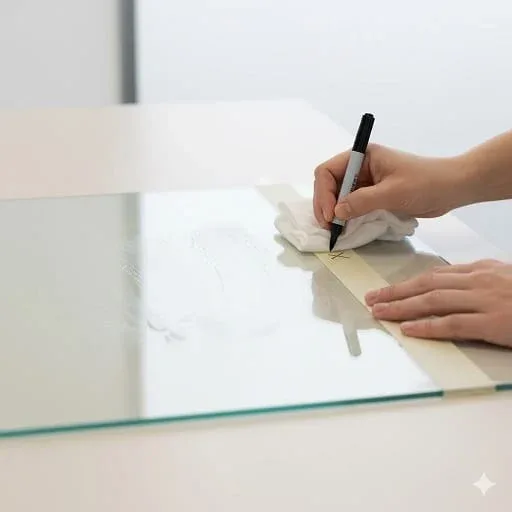
Start by cleaning the glass. Remove all dirt and grease. Then mark the exact spot to drill. Secure the glass firmly to stop any movement. These steps protect the glass and give you control.
Cleaning And Marking The Spot
Clean the glass with a soft cloth and rubbing alcohol. This removes dust, oils, and residues. A clean surface helps the drill bit stay stable. Use a non-permanent marker or masking tape to mark the drill spot. The tape also prevents the drill bit from slipping at the start.
Securing The Glass To Prevent Movement
Place the glass on a flat, stable surface. Use clamps or heavy objects to hold it in place. Avoid pressing too hard to prevent cracks. Secure the glass firmly to stop shaking. Steady glass reduces the risk of breakage and ensures a clean hole.
Setting Up Your Drill
Setting up your drill correctly is key to drilling holes in glass safely. Proper setup helps avoid cracks and keeps the glass intact. It also makes drilling easier and more precise. Preparing your drill involves controlling speed and keeping the drill bit cool.
Adjusting Speed Settings
Set your drill to a low speed before starting. High speed can cause the glass to crack. Slow drilling allows better control and reduces heat build-up. Use the lowest speed your drill offers for this task. A steady pace prevents slipping and damage to the glass.
Using Water For Cooling
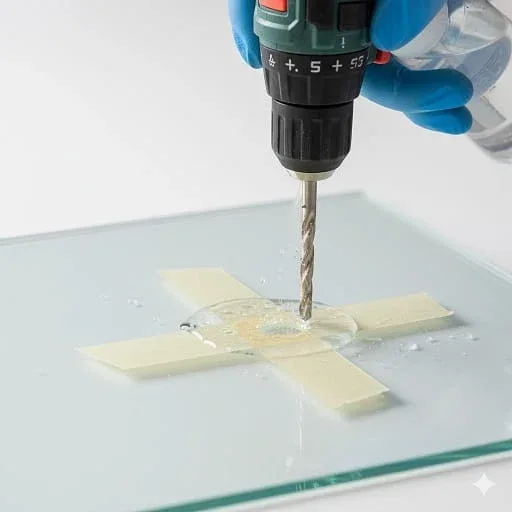
Water cools the drill bit and glass during drilling. It stops overheating, which can cause cracks. Keep the drill bit wet by dripping water or using a damp cloth. Continuous cooling helps the bit cut smoothly through the glass. This simple step greatly lowers the chance of breakage.
Drilling Techniques For Smooth Holes
Drilling smooth holes in glass requires careful techniques. Glass is fragile and can crack easily without proper handling. Using the right methods helps avoid damage and creates clean holes. These drilling techniques focus on control and patience. They ensure a professional finish and preserve the glass’s strength.
Applying Gentle Pressure
Use light pressure while drilling glass. Pressing too hard can cause cracks or shattering. Let the drill bit do the work. Keep your hand steady and avoid sudden movements. Gentle pressure reduces stress on the glass surface. It helps the drill bit cut slowly and cleanly.
Drilling In Reverse
Start drilling with the drill set to reverse. This slows the bit and lowers heat build-up. Reverse drilling prevents the bit from slipping on the glass. It also reduces the risk of cracks. Once the hole begins to form, switch to forward drilling carefully.
Slowing Down Near Breakthrough
Slow the drill speed as you near the glass’s end. High speed can cause the glass to chip or break when the hole breaks through. Reducing speed gives better control at this critical stage. It helps create a smooth, clean hole edge. Always keep water or coolant on the glass to minimize heat and dust.
Post-drilling Care
After drilling a hole in glass, proper care ensures safety and lasting results. The glass surface may have tiny fragments or rough spots. Cleaning and smoothing these areas prevents injury and improves the glass’s appearance. Follow simple steps to handle the glass carefully and keep it in good condition.
Removing Debris
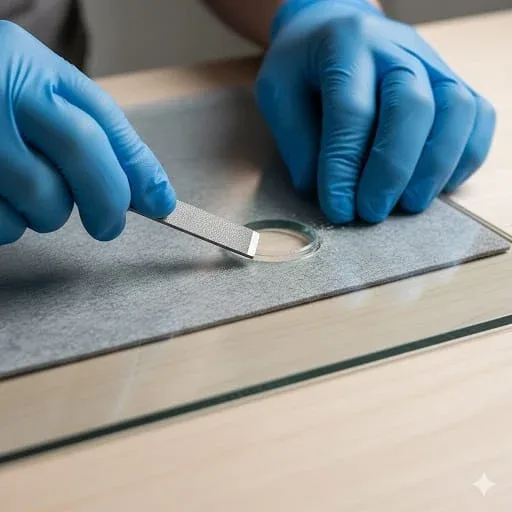
Remove all glass dust and small shards from the drilled area. Use a soft brush or a damp cloth to wipe the surface gently. Avoid using your fingers directly to prevent cuts. Rinse the glass with water to clear any remaining particles. Let the glass dry completely before handling further.
Smoothing Rough Edges
Check the hole edges for sharp or uneven spots. Use fine-grit sandpaper or a diamond file to smooth these edges carefully. Move the sandpaper gently in a circular motion around the hole. Do not press too hard to avoid cracking the glass. Clean the area again after smoothing to remove dust.
Conclusion
Drilling a hole in glass takes care and the right tools. Use a diamond or carbide-tipped bit for best results. Keep the drill speed slow and cool the glass with water. Apply gentle pressure to avoid cracks or breaks. Always secure the glass firmly before starting.
With patience and the right steps, you can drill clean holes safely. Practice on scrap glass first to build confidence. This simple process helps you create neat holes without damage. Now, you are ready to try drilling glass with ease and safety.
Frequently Asked Questions
You cannot safely drill glass with a regular drill bit. Use a diamond or carbide-tipped bit at low speed, keep it cool with water, and apply gentle pressure to avoid cracking.
Yes, use a special drill bit like carbide-tipped or diamond-tipped for glass. Regular bits can crack or break it. Drill slowly, keep the bit cool with water, and apply gentle pressure for best results.
The best drill bit for glass is a diamond-tipped or carbide-tipped bit. Use slow speed, water cooling, and gentle pressure to prevent cracking.
Yes, a Dremel can drill glass using a diamond or carbide-tipped bit. Drill slowly, keep the bit wet, and apply gentle pressure to avoid cracking.
Use a diamond-tipped or carbide-tipped drill bit for clean, safe holes in glass.
Drill slowly, use water to cool, and apply gentle pressure to avoid cracks.