
Last Updated: March 20, 2026
Drilling into stainless steel can feel like a tough challenge. If you’ve ever tried it, you know it’s not as simple as drilling into wood or plastic.
The metal’s strength and heat resistance can quickly wear down your drill bit or cause it to slip. But what if you had the right tools and simple techniques to make this job easier and more precise? In this guide, you’ll discover step-by-step how to drill stainless steel like a pro, avoid common mistakes, and keep your tools sharp and safe.
Whether you’re working on a home project or tackling a repair, mastering these tips will save you time and frustration. Ready to get started? Let’s dive in!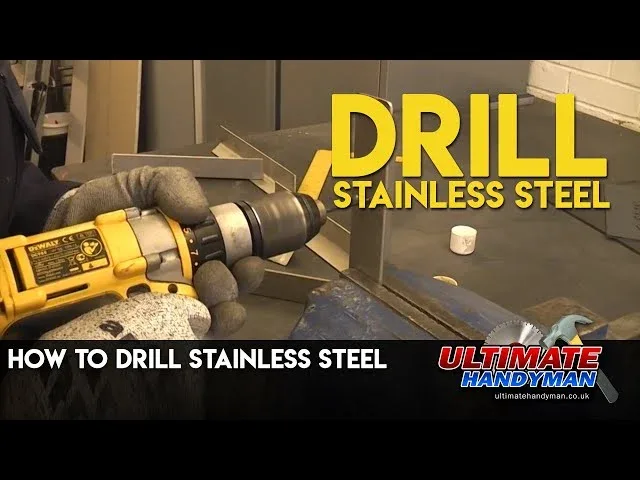
Credit: www.youtube.com
Choosing Drill Bits
Choosing the right drill bit is key to drilling stainless steel successfully. Stainless steel is tough and can quickly dull regular bits. Picking drill bits designed for hard metals makes the job easier and safer. These bits resist heat and stay sharp longer. Using the correct bit reduces wear on your tools and prevents damage to the material.
Cobalt Bits For Toughness
Cobalt drill bits are made from an alloy of steel and cobalt. This mix gives them extra strength and heat resistance. They handle the hardness of stainless steel well. Cobalt bits stay sharp longer than standard bits. They also reduce the chance of the bit breaking. Using cobalt bits means drilling faster and cleaner holes.
Coated High-speed Steel Options
High-speed steel (HSS) bits with coatings offer good performance. Titanium and black oxide coatings are common. These coatings reduce friction and help the bit last longer. Coated HSS bits are less expensive than cobalt but still work well. They are best for lighter stainless steel tasks. Use cutting fluid to keep these bits cool and sharp.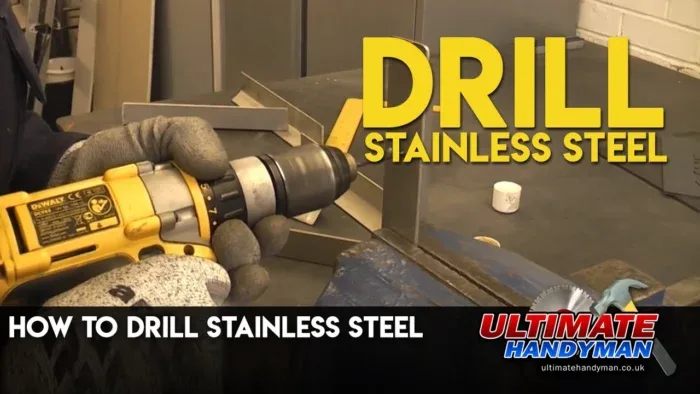
Credit: www.youtube.com
Setting Drill Speed
Setting the right drill speed is crucial when working with stainless steel. This metal is tough and can quickly wear out drill bits if not handled properly. Choosing the correct speed protects your tools and ensures clean, precise holes. The key is to use slower speeds than you might with softer metals. This approach helps keep the drill bit sharp and extends its life.
Why Slow Speeds Matter
Stainless steel is a hard material that resists cutting. Fast drill speeds generate high heat and cause the metal to harden even more. Slower speeds reduce friction, allowing the drill bit to cut smoothly. This prevents the bit from dulling quickly. It also improves the quality of the hole by avoiding rough edges and metal deformation.
Avoiding Overheating
Overheating is the biggest problem when drilling stainless steel. Heat softens the drill bit and can ruin its edge. It also changes the metal’s properties, making drilling harder. Using a slow drill speed helps keep temperatures down. Applying cutting oil or lubricant further lowers heat and friction. Pausing occasionally to let the bit cool also prevents damage. Staying cool preserves both the tool and the metal surface.
Applying Pressure Correctly
Applying pressure correctly is key when drilling stainless steel. Too much force can damage the drill bit or workpiece. Too little pressure will slow the process and cause excessive heat. The goal is steady, controlled pressure that allows smooth cutting and prevents slipping.
Using the right pressure helps the drill bit cut effectively without overheating. This improves the hole quality and extends the tool’s life. Below are important tips for applying pressure correctly.
Firm And Steady Technique
Hold the drill firmly with both hands. Keep the drill bit perpendicular to the surface. Apply steady pressure, pushing just enough to keep the bit cutting. Avoid sudden pushes or jerks. Let the drill bit do the work.
Maintain a slow and consistent speed. This helps the bit cut without overheating. Pause occasionally to clear metal shavings. This prevents clogging and keeps pressure even. A firm and steady technique improves accuracy and tool life.
Preventing Bit Damage
Excessive pressure causes the bit to wear quickly or break. Too much force generates heat, which weakens the bit. Use moderate pressure to avoid these problems. If the bit struggles, reduce speed instead of pushing harder.
Use cutting oil to reduce friction and heat. This helps the bit last longer. Replace dull bits promptly to avoid damage to the stainless steel. Proper pressure and care keep the drill bit sharp and effective.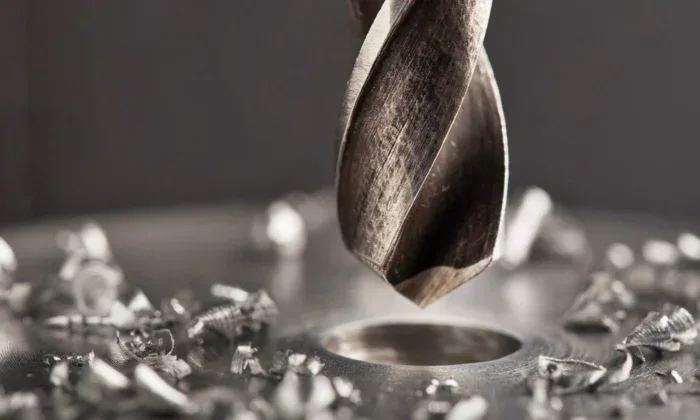
Credit: anchorlube.com
Using Lubricants
Using lubricants is essential when drilling stainless steel. This metal is tough and generates a lot of heat during drilling. Heat can damage the drill bit and the workpiece. Lubricants reduce friction and carry away heat. They make drilling smoother and safer. Applying the right lubricant extends the life of your tools and improves the quality of the hole.
Types Of Cutting Fluids
Cutting fluids come in various types. Oil-based lubricants are common for stainless steel. They provide excellent cooling and reduce wear on the bit. Water-soluble oils mix with water to offer cooling and lubrication. Synthetic fluids are another choice, offering good heat control. Some people use household oils like motor oil or cutting oil. Choose a lubricant that suits your drill bit and project size.
Benefits For Bit Longevity
Lubricants keep the drill bit cooler during use. Cooler bits stay sharper longer. This means less frequent replacements and better drilling performance. Lubricants also reduce friction, which lowers wear on the bit’s cutting edges. A well-lubricated drill bit cuts cleaner and with less effort. Using lubricants saves money by protecting your drill bits from early damage.
Preparing And Securing Metal
Preparing and securing stainless steel properly is key to a clean drilling process. Stainless steel is tough and can easily move or slip without the right setup. Taking time to prepare the metal ensures safety and accuracy. It also helps prevent damage to the drill bit and the workpiece.
Use the right tools and techniques before drilling. This section covers how to prepare stainless steel using pilot holes, clamping methods, and essential safety gear.
Pilot Holes For Accuracy
Start with a small pilot hole to guide the larger drill bit. This reduces bit wandering and ensures the hole is in the right place. Use a center punch to mark the spot before drilling the pilot hole. A pilot hole also lowers the risk of cracking or bending the metal during drilling.
Clamping For Stability
Secure the metal firmly with clamps before drilling. Clamps stop the metal from shifting or spinning, which can cause injury or damage. Use a sturdy workbench and choose clamps that fit the metal piece well. Proper clamping improves drill bit life and makes the process smoother.
Safety Gear Essentials
Wear safety glasses to protect your eyes from metal shards. Gloves can protect your hands but avoid loose gloves that may catch in the drill. Use ear protection if the drilling noise is loud. A dust mask may be needed if metal dust forms during drilling. Always follow basic safety rules to prevent accidents.
Conclusion
Drilling stainless steel takes patience and the right tools. Choose cobalt drill bits for best results. Use slow speeds and steady pressure to avoid overheating. Apply cutting oil to keep the bit cool and sharp. Take breaks if the metal gets too hot.
Follow these simple steps to drill clean, accurate holes. Practice helps improve your technique over time. With care, drilling stainless steel becomes manageable and safe.
Frequently Asked Questions
Yes, use cobalt drill bits for stainless steel. They resist heat and stay sharp. Apply slow speed, steady pressure, and lubricant.
The best drill bit for stainless steel is cobalt (HSS-Co) due to its heat resistance and strength. Use slow speed, firm pressure, and lubricant for optimal drilling.
Use a cobalt drill bit at slow speed with firm pressure. Apply cutting oil to reduce heat. Start with a small pilot hole. Clamp the stainless steel securely to prevent movement during drilling.
Drill stainless steel slowly using low speed to prevent overheating and bit damage. Apply firm pressure and use lubricant for best results.
Cobalt drill bits work best due to their heat resistance and strength for drilling stainless steel.
Use a slow drill speed to reduce heat and avoid damaging the metal or bit.