
Last Updated: March 20, 2026
Is your pressure washer acting up just when you need it most? Whether it’s losing pressure, leaking water, or won’t start at all, these common problems can quickly turn a simple cleaning job into a frustrating experience.
But don’t worry—you don’t have to rush out and buy a new machine or pay a costly repair bill. With a few easy steps and some basic tools, you can fix your pressure washer yourself and get back to work in no time.
In this guide, you’ll learn how to identify the most frequent issues and apply simple fixes that save you money and hassle. Ready to bring your pressure washer back to life? Let’s dive in!
Common Pressure Washer Problems
Pressure washers often face common problems that stop them from working well. Knowing these issues helps you fix the machine quickly. This saves time and money on repairs.
Many problems come from simple causes. Some issues affect water flow or pressure. Others relate to the engine or electrical parts. Identifying the problem fast is key.
Low Pressure Output
Low pressure usually happens due to clogged nozzles or dirty filters. Check the spray tip for blockages. Clean or replace it to restore pressure. Also, inspect the water supply hose for kinks or leaks.
Engine Won’t Start
The engine might not start because of fuel issues or spark plug problems. Use fresh fuel and check the spark plug condition. Replace the plug if it looks worn or dirty.
Water Leaks
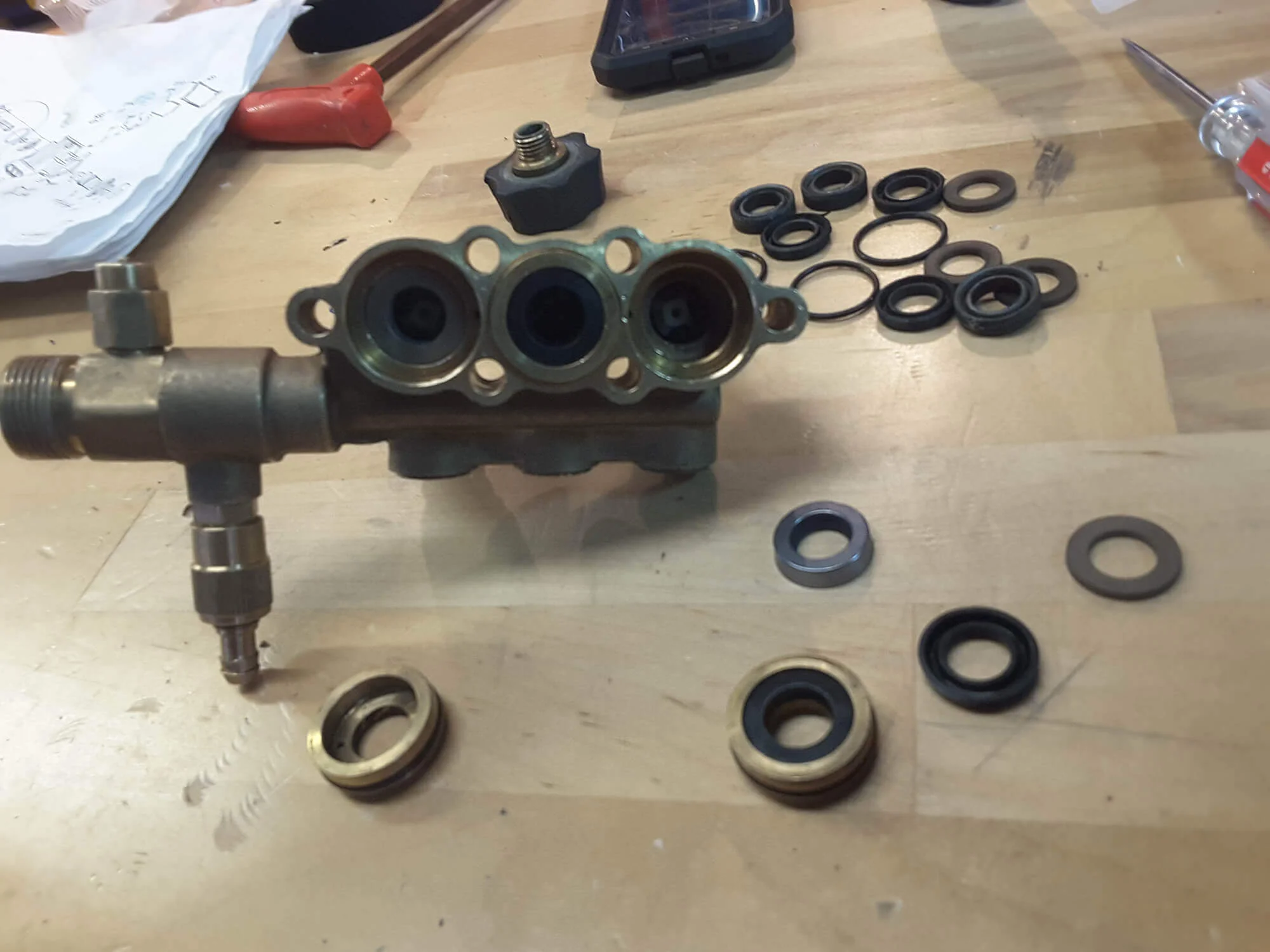
Leaks come from loose connections or damaged hoses. Tighten fittings and replace any cracked hoses. Look closely at the pump seals as they can wear out over time.
Overheating
Pressure washers can overheat if used too long without breaks. Let the machine cool down after continuous use. Also, check the oil level and add more if needed to keep the engine cool.
Unusual Noises
Strange noises may signal worn-out parts or pump failure. Listen carefully and find the source. Replace any broken components to avoid further damage.
Credit: patriot.us
Checking For Leaks
Checking for leaks is an important step in fixing a pressure washer. Leaks reduce pressure and waste water. Finding leaks early helps you save time and money. This section explains how to check common leak points on your pressure washer.
Hose Fittings
Start by examining the hose fittings. These connect the hose to the machine and spray gun. Look for cracks or loose connections. Tighten fittings with a wrench if needed. Replace damaged washers or O-rings. Worn parts often cause leaks here.
Spray Gun And Lance
Next, inspect the spray gun and lance. Check where the lance attaches to the gun. Look for water dripping or spray escaping. Open and close the trigger to see if water leaks. Clean dirt or debris from the gun’s seals. Replace faulty seals to stop leaks.
Nozzle Inspection
Finally, check the nozzle at the lance tip. A cracked or clogged nozzle causes leaks and poor spray. Remove the nozzle and look for damage. Clean any dirt inside with a small brush. Replace the nozzle if cracks or wear appear. Proper nozzle function keeps pressure strong.
Fixing Low Pressure Issues
Low pressure issues in a pressure washer reduce its cleaning power. The spray loses strength and makes cleaning harder. Fixing low pressure restores full force quickly. Simple checks and fixes often solve the problem. Two common fixes are clearing air from the hose and cleaning or replacing nozzles. These steps improve water flow and pressure.
Clearing Air From Hose
Air trapped in the hose lowers pressure and weakens spray. To clear air, turn off the machine and disconnect the hose. Hold the hose end over a bucket of water. Slowly run water through the hose to push air out. Reconnect the hose firmly to avoid leaks. Then, start the pressure washer and check pressure again.
This method removes air pockets that block water flow. It works well if the hose is long or recently changed. Regularly clearing air helps keep pressure strong and steady.
Cleaning Or Replacing Nozzles
Clogged nozzles cause low pressure and uneven spray. Remove the nozzle from the spray wand. Soak it in warm water mixed with mild detergent. Use a small brush or needle to clear any debris inside. Rinse the nozzle well before reattaching it.
If cleaning does not improve pressure, replace the nozzle with a new one. Use the right size nozzle for your pressure washer model. Proper nozzle maintenance ensures a steady and powerful spray.
Credit: www.youtube.com
Electrical Troubleshooting
Electrical issues often cause pressure washers to stop working. Troubleshooting these problems helps identify faults quickly. Checking the power source and motor condition are key steps. Follow simple tests to ensure electrical parts function properly. This saves time and repair costs.
Power Supply Checks
Begin by confirming the pressure washer is plugged in securely. Check the outlet with another device to verify it works. Inspect the power cord for cuts, frays, or damage. Use a multimeter to test voltage at the plug. Ensure the circuit breaker or fuse is not tripped or blown. Reset breakers or replace fuses if needed. Loose or damaged connections can prevent power flow. Tighten all plugs and connectors firmly.
Motor Overheating Signs
Overheating motors can cause the pressure washer to shut off unexpectedly. Feel the motor housing for excessive heat during use. A burning smell or smoke indicates a serious issue. Listen for unusual noises like humming or grinding. These signs suggest worn bearings or electrical faults. Allow the motor to cool before restarting. Clean vents and remove debris to improve airflow. Consider a professional check if overheating persists.
Pump Maintenance And Repair
Maintaining and repairing the pump is key to keeping your pressure washer working well. The pump moves water at high pressure, so it must stay clean and in good condition. Neglecting pump care can cause leaks, low pressure, or total failure. Regular checks and simple repairs can extend the life of your pump and save money on replacements.
Pump Cleaning
Clean the pump regularly to remove dirt and debris. First, disconnect the pressure washer from power and water. Use a soft brush to clear any dirt from the pump’s exterior. Flush the pump by running clean water through it without soap or chemicals. This removes mineral build-up that can block water flow. Avoid harsh cleaners that may damage pump parts.
Check the inlet screen and remove any trapped debris. A clogged screen reduces water flow and strains the pump. Clean or replace it if needed. Keeping the pump clean helps it run smoothly and prevents overheating or damage.
Seal And Valve Replacement
Seals and valves inside the pump wear out over time. Worn seals cause water leaks and loss of pressure. Valves control water flow and must close tightly to build pressure. Inspect seals and valves if you notice leaks or weak spray.
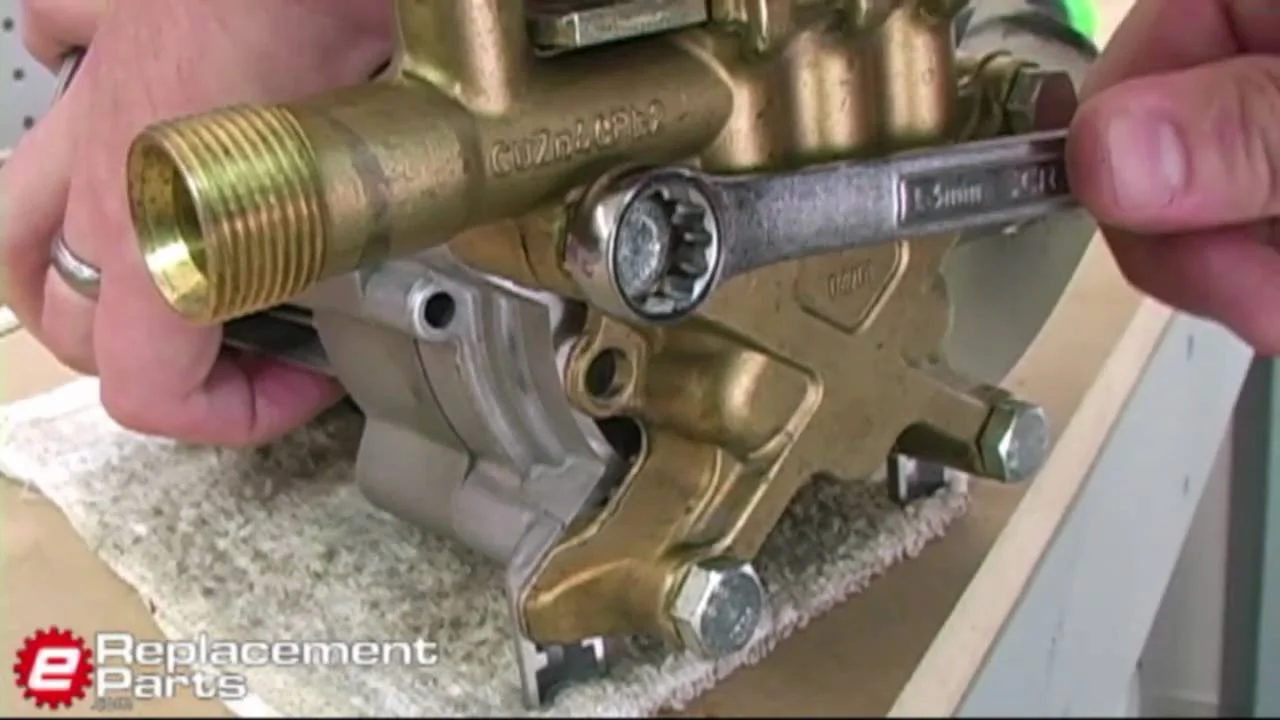
To replace seals or valves, first drain all water from the pump. Remove the pump cover to access these parts. Use a seal kit made for your pump model for best fit and function. Replace all worn parts carefully and reassemble the pump. Test the pressure washer to ensure the repair fixed the problem.
Replacing Worn Parts
Replacing worn parts keeps your pressure washer running smoothly. Over time, small components wear out from use and need swapping. Fixing these parts restores power and prevents leaks. Focus on key areas like O-rings, seals, hoses, and connectors. These parts often cause pressure loss or water leaks. Proper replacement extends the life of your machine and improves performance.
O-rings And Seals
O-rings and seals stop water from leaking inside the pressure washer. They wear down from heat, pressure, and cleaning chemicals. Check these parts if you notice water dripping or low pressure. Remove old O-rings carefully without damaging the groove. Replace with new rings that match the size exactly. Lubricate new O-rings lightly with silicone grease for a better seal. Seals in the pump and spray gun need the same attention. Regular inspection prevents sudden breakdowns during use.
Hoses And Connectors
Hoses carry water at high pressure to the spray gun. Cracks, holes, or loose connectors cause leaks and reduce pressure. Inspect hoses for visible damage before every use. Tighten all connectors firmly but avoid over-tightening. Replace hoses showing wear or leaks immediately. Use connectors that fit your model to avoid mismatches. Good hoses and connectors keep water flow steady and safe. A well-maintained hose system improves cleaning power and prevents damage to the pump.
When To Repair Or Replace
Deciding whether to repair or replace a pressure washer depends on several key factors. Consider the cost of repairs, the value of the machine, and how often it breaks down. These points help determine the best choice for your situation. Understanding these aspects saves money and prevents repeated frustrations.
Cost Vs. Value
Compare repair costs to the price of a new pressure washer. Small fixes like replacing hoses or O-rings usually cost less. Expensive repairs on older or cheap models may not be worth it. High-end models often have parts that last longer and are easier to fix. Spending more to repair a quality machine can save money over time.
Frequency Of Breakdowns
Look at how often the pressure washer needs repairs. Frequent breakdowns suggest the machine is wearing out. Replacing it may be cheaper than constant fixes. A pressure washer that works well most of the time might just need a simple repair. Keep track of problems to decide if repairs still make sense.
Credit: www.moglix.com
Preventive Maintenance Tips
Preventive maintenance keeps your pressure washer working well. Small care steps stop big problems. Regular attention extends the machine’s life and saves money on repairs.
Simple habits protect the pump, hose, and motor. Avoid damage caused by dirt, moisture, and wear. Follow these easy tips to keep your pressure washer ready for use.
Regular Cleaning
Clean the pressure washer after every use. Remove dirt and debris from the nozzle and hose. Use a soft brush or cloth to wipe the surfaces. Clogged nozzles reduce pressure and cause motor strain.
Flush the system with clean water to clear out detergent or grime. Check for leaks or cracks during cleaning. Fix small issues quickly to prevent bigger repairs later.
Proper Storage
Store the pressure washer in a dry, cool place. Avoid leaving it outside where weather can cause rust or damage. Drain all water from the pump and hoses before storing.
Use a protective cover to keep dust and dirt away. Store accessories neatly to avoid wear and tear. Proper storage keeps parts in good shape and ready to use.
Frequently Asked Questions
What Is The Most Common Cause Of A Pressure Washer Going Faulty?
The most common cause of a pressure washer going faulty is high-pressure water leaks from hose fittings, gun, lance, or nozzle.
Why Is The Pressure Washer Not Working?
Check power supply, water source, and hose connections. Clear air from the hose by spraying water briefly. Inspect for leaks or clogs. Ensure the pump and motor run smoothly. Overheating or electrical issues can also cause failure.
Is It Worth Repairing A Power Washer?
Repair a power washer if repairs cost less than buying new and issues are minor. Replace if major parts fail or repairs are frequent. High-end models often justify repair, while outdated or underpowered units benefit from replacement.
Can Pressure Washers Be Repaired?
Yes, pressure washers can be repaired by replacing faulty parts like hoses, pumps, or motors. Minor issues cost less and are worth fixing.
What Causes A Pressure Washer To Lose Pressure?
Leaks in hoses, clogged nozzles, or a faulty pump often reduce pressure output.
Conclusion
Fixing a pressure washer is easier than it seems. Start by checking hoses and connections for leaks. Clean or replace clogged nozzles to improve spray power. Make sure the water supply is steady and the pump is well maintained. Small repairs save money and extend your machine’s life.
Regular care prevents many common problems. Keep tools handy and follow simple steps. With patience, your pressure washer will work like new again. Don’t ignore signs of damage; act quickly to avoid bigger issues. Enjoy cleaner surfaces with a well-functioning pressure washer.
Related reading: How to Wash a Car With a Pressure Washer.
{ “@context”: “https://schema.org”, “@type”: “Article”, “headline”: “How to Fix a Pressure Washer: Quick and Easy Repair Tips”, “description”: “Learn how to fix a pressure washer by understanding common issues, troubleshooting steps, and basic repairs to restore its cleaning power effectively and…”, “url”: “https://www.powertoolstoday.com/how-to-fix-a-pressure-washer/”, “datePublished”: “2025-11-25”, “dateModified”: “2026-03-19”, “author”: { “@type”: “Organization”, “name”: “Power Tools Today”, “url”: “https://www.powertoolstoday.com” }, “publisher”: { “@type”: “Organization”, “name”: “Power Tools Today”, “url”: “https://www.powertoolstoday.com” }, “mainEntityOfPage”: { “@type”: “WebPage”, “@id”: “https://www.powertoolstoday.com/how-to-fix-a-pressure-washer/” }, “image”: { “@type”: “ImageObject”, “url”: “https://www.powertoolstoday.com/wp-content/uploads/2025/11/how-to-fix-a-pressure-washer.webp” } }nn