
Last Updated: March 19, 2026
Trying to hammer nails in tight spaces can quickly become frustrating. You might feel like you’re struggling to find the right angle or worrying about bending the nail or damaging the surrounding area.
But what if you could learn simple, smart techniques that make this tricky task much easier? You’ll discover practical tips and clever tools that help you hammer in those hard-to-reach spots with confidence and precision. Keep reading, and you’ll never have to stress over tight spaces again.
Choosing The Right Hammer
Choosing the right hammer is essential for working in tight spaces. A large, bulky hammer often makes the job harder. Selecting a tool designed for narrow areas improves accuracy and safety. The right hammer fits comfortably in your hand and offers control in cramped spots.
Types Of Hammers For Tight Spaces
Claw hammers with a shorter handle fit better in small areas. Mini hammers or tack hammers provide precision for delicate tasks. A mallet with a small head helps avoid damage while hammering. Some hammers have a magnetic nail holder for easier placement.
Features To Look For
Look for a hammer with a slim, lightweight design. A textured grip prevents slipping in tight spots. A balanced hammer reduces fatigue during extended use. Compact heads allow better access to hard-to-reach nails. Consider a hammer with a curved claw for nail removal in narrow spaces.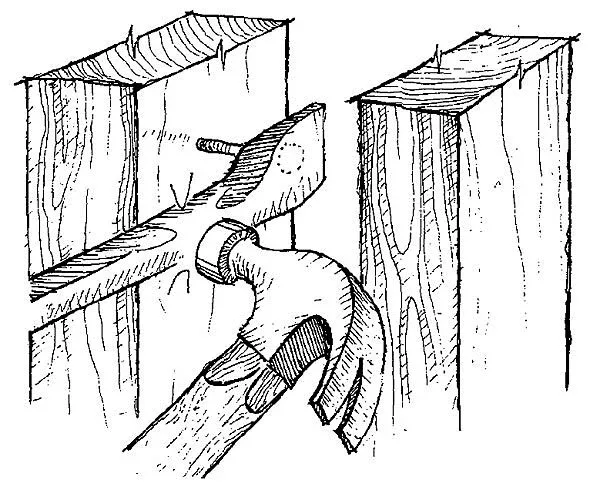
Credit: www.finehomebuilding.com
Using Alternative Tools
Hitting nails in tight spaces can be tricky with a regular hammer. Alternative tools help you work efficiently in cramped areas. These tools offer better control and fit where standard hammers cannot.
Palm Nailers And Mini Hammers
Palm nailers are small, handheld tools that fit comfortably in your palm. They use air pressure or electric power to drive nails without swinging. This makes them perfect for tight spots where there is little room to move.
Mini hammers are smaller versions of standard hammers. Their compact size allows easier handling in narrow spaces. You can use them to tap nails gently and avoid damage to surrounding materials.
Leveraging Flat Bars And Clamps
Flat bars help you reach nails in hard-to-access places. Place the flat bar under the nail head and tap the bar with a hammer. This indirect method drives the nail without needing much space for swinging.
Clamps can hold nails in place while you work. This prevents nails from slipping or bending. Use clamps to secure wood pieces and nails tightly when space limits your hand movement.
Techniques For Nail Placement
Placing nails in tight spaces can be tricky. The limited room makes it hard to hold and hit nails accurately. Using the right techniques helps avoid bent nails and finger injuries. Proper nail placement also ensures a strong hold. Here are simple methods to start nails safely and guide them straight in confined areas.
Starting Nails Without Fingers
Hold the nail with pliers or a clothespin to keep fingers safe. Position the nail tip where you want it. Tap gently with the hammer to set the nail in place. Once the nail stands firm, remove the pliers. This method prevents nails from slipping and protects your fingers from accidental hits.
Using Drill Holes As Guides
Drill a small hole where you want the nail. The hole guides the nail straight and prevents wood from splitting. Insert the nail into the hole and tap lightly. This technique works well on hardwood or delicate surfaces. It helps keep nails steady and reduces hammering effort in tight spots.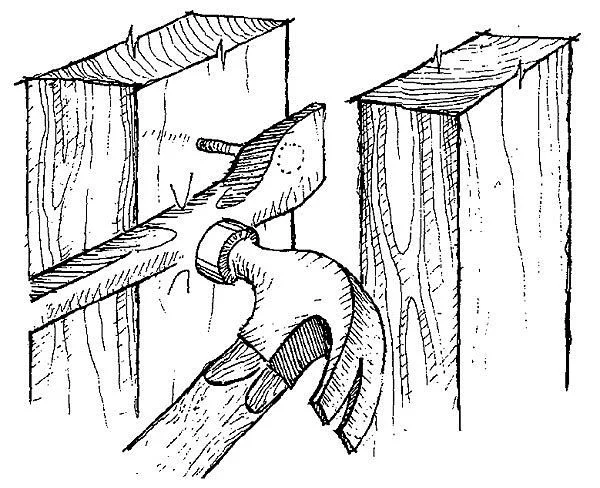
Credit: www.finehomebuilding.com
Maximizing Precision In Confined Areas
Working in tight spaces demands great care and exactness. Every strike counts more than in open areas. Precision helps prevent damage to nearby surfaces or materials. It also ensures the nail goes in straight and firm. Focusing on control and angle improves your effectiveness in these cramped spots.
Controlled Hammer Strikes
Light, steady taps beat wild swings in confined spaces. Hold the hammer firmly but not too tight. This grip lets you guide the hammer smoothly. Start with gentle strikes to set the nail securely. Gradually increase force as the nail drives in.
Controlled strikes reduce the risk of bending nails. They also help keep your work neat and safe. Avoid rushing. Take time to feel each hit. This focus improves accuracy and prevents mistakes.
Maintaining Proper Angle
Keep the hammer head aligned with the nail shaft. This angle allows the nail to enter straight. Tilting the hammer or nail can cause bending or splitting. Position your body to see the nail clearly. Use a small mirror if visibility is poor.
Adjust your stance to maintain a clear path for the hammer. Even slight changes in angle can affect the nail’s path. Consistent alignment ensures the nail holds well and the surface stays intact.
Safety Tips For Tight Spaces
Working with a hammer in tight spaces can be risky. Limited room makes control harder and dangers higher. Following safety tips reduces injuries and ensures smooth work. Always prepare before you start hammering in confined areas.
Protecting Your Hands And Eyes
Wear sturdy gloves to protect your hands from slipping nails and hammer strikes. Safety glasses shield your eyes from flying debris and small nails. Keep fingers clear of the hammer’s path to avoid painful hits. Use a nail holder or pliers to hold nails in very tight spots safely.
Ensuring Stable Work Environment
Make sure your work surface is firm and steady. Avoid loose boards or unstable ladders that can shift during hammering. Clear the area of clutter to prevent tripping or distractions. Good lighting helps you see clearly and aim precisely in narrow spaces. Take breaks if you feel tired to maintain focus and safety.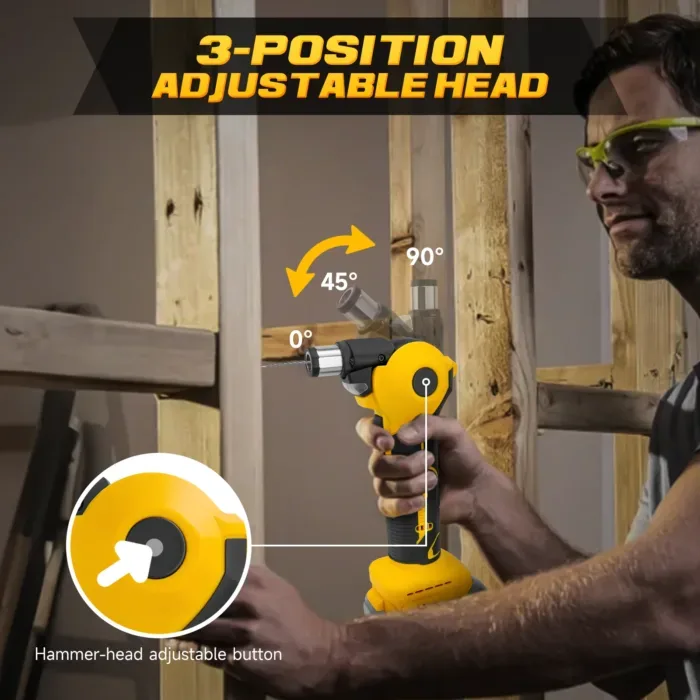
Credit: ashishmehtaastro.com
Maintenance And Care Of Tools
Proper maintenance and care of your tools ensure they work well in tight spaces. Regular upkeep extends the life of your hammer. It also keeps your work safe and efficient. Neglecting tool care can cause damage and reduce performance.
Keeping Hammers In Good Condition
Check the hammer head for cracks or chips. Clean dirt and rust from the metal parts often. Use a wire brush or cloth for cleaning. Tighten the handle if it feels loose. Replace wooden handles if they are cracked or splintered. Apply a light coat of oil on metal parts to stop rust. Store the hammer in a dry place to avoid moisture damage.
Tool Storage For Accessibility
Organize tools in a toolbox or on a pegboard. Keep hammers within easy reach for quick access. Use tool holders that fit the hammer size perfectly. Label storage areas so you find tools fast. Avoid piling tools on top of each other. A neat storage system saves time and prevents damage. Make sure the storage area stays dry and clean.
Conclusion
Hammering in tight spaces takes patience and the right tools. Use small hammers or angled tools to reach tricky spots. Hold nails carefully with clamps or pliers to avoid hitting your fingers. Work slowly to keep nails straight and secure.
Practice these tips to improve your skills. With time, you will handle tight spaces more confidently and safely. Keep these ideas in mind for your next project. Small adjustments make a big difference.
Frequently Asked Questions
Use a small hammer or nail set to reach tight spots. Hold the nail with pliers or clamps for accuracy. Tap gently until secure.
Use a small hammer or palm nailer designed for tight spaces. Hold the nail with pliers or a clamp. Tap gently to start, then hammer carefully. Alternatively, strike a flat bar placed against the nail head to drive it indirectly in confined areas.
Use a right-angle screwdriver or a flexible shaft bit to reach tight spaces. Apply steady pressure while turning slowly.
Use a claw hammer’s claw to grip the nail’s end, then swing the hammer backward to drive it in.
Use a small hammer or hold the nail with pliers to reach limited space easily.
Flat bars, small hammers, and angled nail setters are useful for tight spots.
Related reading: Best Rivet Guns.
{ “@context”: “https://schema.org”, “@type”: “Article”, “headline”: “How to Hammer in Tight Spaces: Expert Tips for Precision Work”, “description”: “Learn how to hammer in tight spaces by using specific techniques and tools designed to provide control and precision in confined areas.”, “url”: “https://www.powertoolstoday.com/how-to-hammer-in-tight-spaces/”, “datePublished”: “2025-11-08”, “dateModified”: “2026-03-18”, “author”: { “@type”: “Organization”, “name”: “Power Tools Today”, “url”: “https://www.powertoolstoday.com” }, “publisher”: { “@type”: “Organization”, “name”: “Power Tools Today”, “url”: “https://www.powertoolstoday.com” }, “mainEntityOfPage”: { “@type”: “WebPage”, “@id”: “https://www.powertoolstoday.com/how-to-hammer-in-tight-spaces/” }, “image”: { “@type”: “ImageObject”, “url”: “https://www.powertoolstoday.com/wp-content/uploads/2025/11/How-to-Hammer-in-Tight-Spaces-Expert-Tips-for-Precision-Work-1024×576.webp” } }