
Last Updated: March 20, 2026
If you’ve ever looked at your aluminum surfaces and wished they could shine like new, polishing with a buffer is the key to making that happen. You might think it’s complicated or time-consuming, but with the right steps, you can achieve a smooth, mirror-like finish that turns heads.
In this guide, you’ll discover exactly how to polish aluminum with a buffer—breaking down the process into simple, easy-to-follow steps. Whether you’re refreshing aluminum wheels, cookware, or decorative pieces, you’ll learn how to bring out a brilliant shine that lasts.
Ready to transform your aluminum and impress everyone with your skills? Let’s dive in.
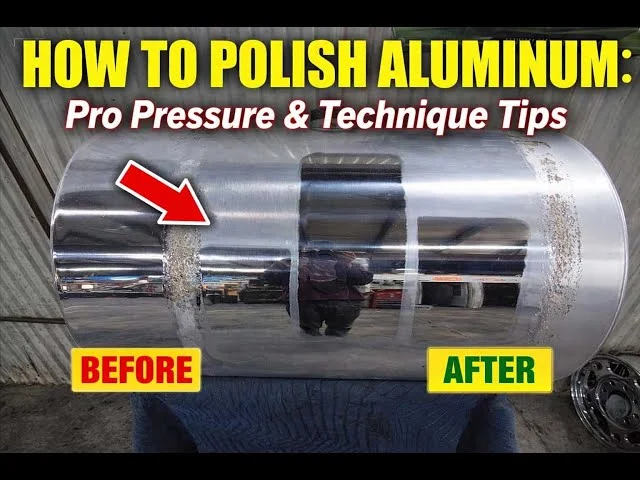
Credit: www.youtube.com
Preparing Aluminum Surface
Preparing the aluminum surface is a key step before polishing it with a buffer. A clean and smooth surface ensures better polishing results. Dirt, grease, and coatings can block the polish and create uneven finishes.
Proper preparation helps the buffer work effectively and prevents damage to the metal. The process involves cleaning the surface and removing any clear coat or protective layers. These steps make the aluminum ready for polishing and bring out its natural shine.
Cleaning And Degreasing
Start by washing the aluminum with warm water and mild dish soap. Use a soft cloth or sponge to remove dirt and grime. Rinse thoroughly and dry with a clean towel.
Next, degrease the surface to remove oils and residues. Use a commercial degreaser or rubbing alcohol. Apply it on a cloth and wipe the aluminum well. This step ensures no oily film remains that can affect polishing.
Removing Clear Coat
Many aluminum items come with a clear coat to protect the metal. This layer must be removed before polishing. Use a clear coat remover or a paint stripper suitable for aluminum.
Apply the remover following the product instructions. Use a plastic scraper or fine sandpaper to lift off the coating. Wear gloves and work in a well-ventilated area to stay safe.
Once the clear coat is gone, clean the surface again to remove any chemical residue. The aluminum will be ready for sanding and buffing after this step.
Choosing The Right Buffer
Choosing the right buffer is key to polishing aluminum effectively. The buffer affects how well the surface shines and how quickly you finish the job. Picking the correct type and size helps avoid damage and gives a smooth, shiny finish. Understanding the types of buffers and buffing pads is important before starting.
Types Of Buffers
Rotary buffers spin at high speeds and are powerful. They work well for heavy polishing and removing scratches. Use them carefully to avoid burning the aluminum surface.
Dual-action buffers move in two directions. They are safer for beginners and reduce the risk of damage. These buffers are good for light polishing and finishing touches.
Bench buffers stay in one place. They are best for small parts and detailed work. You hold the aluminum to the spinning wheel for polishing.
Selecting Buffing Pads
Buffing pads come in wool, foam, and cotton types. Wool pads are aggressive and cut fast. Use them with coarse compounds for rough polishing.
Foam pads are softer and good for finishing. They help to bring out a mirror shine without scratching.
Cotton pads offer a balance between wool and foam. They work for general polishing and apply compounds evenly.
Choose pad size to match your buffer and the area to polish. Larger pads cover more surface quickly. Smaller pads give more control on tight spots.
Selecting Polishing Compounds
Selecting the right polishing compounds is essential for polishing aluminum with a buffer. The compound you choose affects the shine and smoothness of the metal. Using the wrong compound can cause scratches or leave the surface dull. Polishing compounds come in different grades, designed for specific stages of the polishing process.
Start with a compound that fits the current condition of your aluminum. You may need to use more than one type to achieve the best finish. This guide explains the two main types of compounds used in aluminum polishing.
Coarse Compounds
Coarse compounds remove deep scratches and oxidation from aluminum surfaces. They have larger abrasive particles that cut through imperfections quickly. Use these compounds at the beginning of the polishing process. They help restore dull or heavily damaged aluminum.
Coarse compounds work best with a wool buffing pad. Apply a small amount and work in sections. Avoid using too much pressure to prevent gouging the metal. After using a coarse compound, the surface may look matte or rough. This step prepares the aluminum for finer polishing.
Fine Compounds
Fine compounds create a smooth, shiny finish on aluminum. They have smaller abrasive particles than coarse compounds. Use them after the coarse compound step to refine the surface. Fine compounds remove light scratches and swirl marks left by coarser polishing.
These compounds work well with foam or soft buffing pads. Apply evenly and polish the aluminum until it shines. Fine compounds bring out the metal’s natural luster and enhance reflectivity. They are the final step in achieving a mirror-like finish.
Sanding Techniques
Sanding techniques play a vital role in polishing aluminum with a buffer. Proper sanding prepares the surface for a smooth, shiny finish. Careful sanding removes scratches and imperfections. It also helps the polishing compound work better. Follow these steps to achieve a professional look.
Progressive Grit Sanding
Start sanding with a coarse grit sandpaper. This removes deep scratches and surface blemishes. Use 320 or 400 grit for the first pass. Sand evenly in one direction to avoid swirl marks. Next, move to a finer grit like 600 or 800. This step smooths the surface further. Finish sanding with 1000 or 1500 grit. The finer grit prepares aluminum for polishing. Change sanding direction with each grit level. This ensures all scratches get removed.
Maintaining Surface Consistency
Keep the surface even throughout sanding. Apply light, uniform pressure to avoid dips. Check your work often by wiping the surface clean. Look closely for scratches or rough spots. Sand those areas again if needed. Use a flat sanding block to help maintain flatness. Consistent sanding prevents uneven polishing later. Make sure the aluminum is dry before polishing. Proper surface consistency leads to a better shine.
Applying Coarse Polish
Applying coarse polish is the first step to restore aluminum’s shine using a buffer. This stage removes oxidation, scratches, and dullness. It prepares the surface for finer polishing steps. Use the right tools and techniques to avoid damaging the metal. The coarse polish cuts through imperfections and smooths the surface quickly. Always work carefully and methodically to get the best results.
Attaching Wool Pads
Start by selecting a wool pad for coarse polishing. Wool pads are rougher and ideal for heavy cutting. Attach the pad securely to the buffer’s backing plate. Make sure it fits tightly to avoid wobbling. Check that the pad spins evenly before turning on the machine. A loose or misaligned pad can cause uneven polishing or damage. Replace pads if they look worn out or torn.
Polishing Motions And Speed
Use slow, even motions when polishing aluminum with a buffer. Move the buffer in overlapping passes to cover all areas. Avoid staying in one spot too long to prevent overheating. Set the buffer speed between 1500 and 2000 RPM for coarse polish. High speed can burn the aluminum surface. Keep light to medium pressure to let the polish work effectively. Stop and wipe the surface often to check progress.
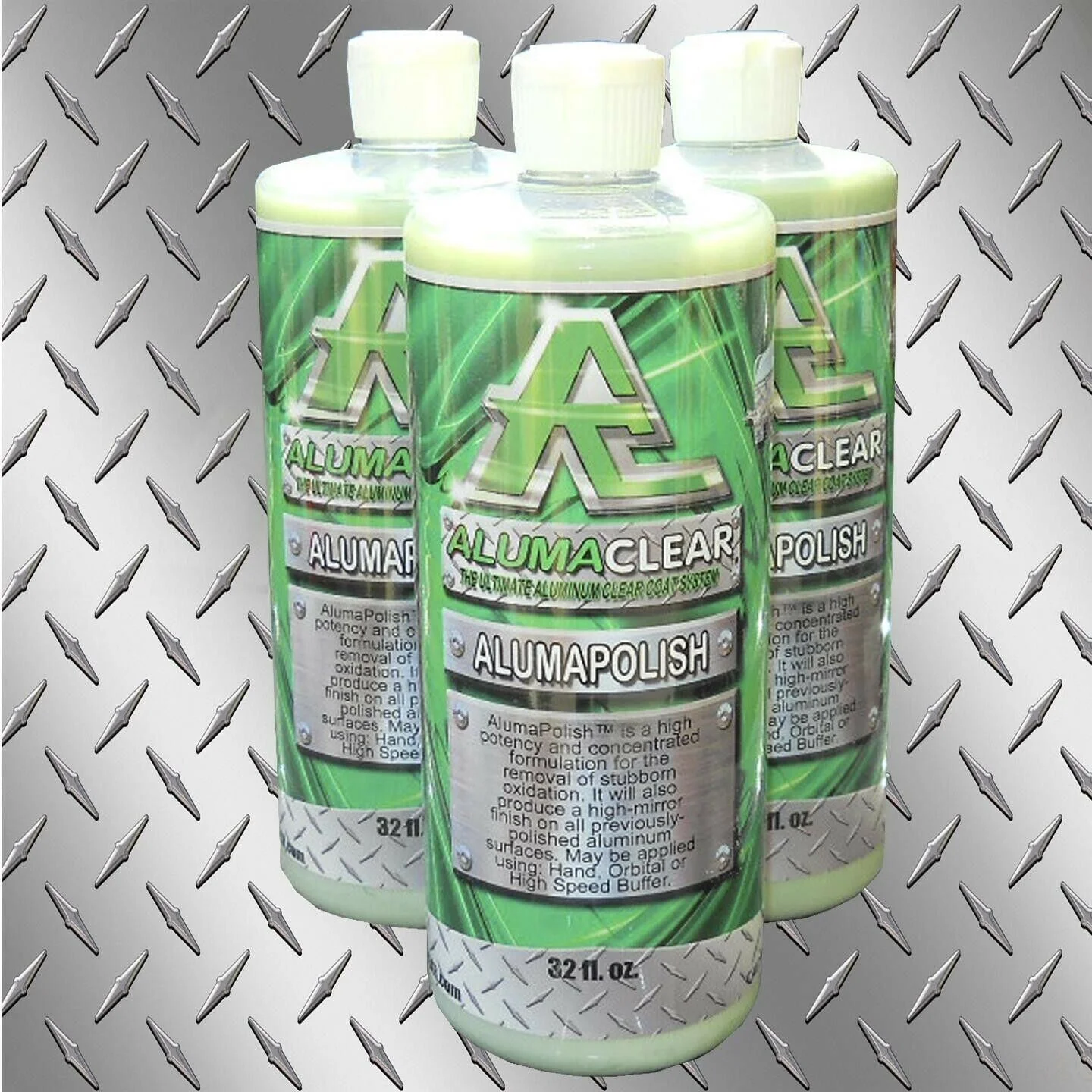
Credit: www.alumaclear.com
Finishing With Fine Polish
Finishing with fine polish is the final step to achieve a bright, smooth aluminum surface. This stage removes minor scratches and adds a glowing shine. Use a fine polish to enhance the metal’s natural luster and create a mirror-like finish. Proper technique and the right tools make a big difference in the outcome.
Switching To Foam Pads
After using coarse pads, change to soft foam pads. Foam pads apply fine polish gently without scratching. They help spread polish evenly across the aluminum. Attach the foam pad to your buffer securely. Work on small sections at a time to control the polish.
Buffing For Mirror Shine
Start the buffer at a low speed to spread the polish. Increase speed slowly while applying light pressure. Move the buffer in overlapping circles for an even finish. Keep the buffer moving to avoid heat build-up. Wipe off residue with a clean microfiber cloth. Repeat buffing until the aluminum shines brightly.
Cleaning Between Steps
Cleaning between each polishing step is crucial for the best results. Dirt and leftover polish can cause scratches and dull the shine. Taking time to clean the surface ensures a smooth and even finish. It also helps you see the true progress of your work and avoid mistakes.
Using Microfiber Cloths
Microfiber cloths are soft and gentle on aluminum. They remove dust and polish residue without scratching. Use a clean cloth for each step to avoid mixing compounds. Lightly wipe the surface with the cloth after buffing. This clears away any loose particles and prepares the metal for the next polish.
Removing Residue
Residue from polishing compounds can build up quickly. Use a dedicated cleaner or a mild soap solution to remove it. Apply the cleaner with a soft cloth or sponge. Rinse with clean water and dry thoroughly. Removing all residue prevents cloudiness and helps the next polish stick better.
Protecting Polished Aluminum
Polishing aluminum with a buffer gives a bright, shiny finish. Protecting this polished surface is key to keep it looking great. Polished aluminum can quickly lose its shine without proper care. Dirt, moisture, and air cause damage and dullness. Taking steps to protect it will extend the shine and prevent corrosion.
Applying Metal Sealants
Metal sealants form a clear protective layer on aluminum. They block dirt and moisture from reaching the metal. Use a clean cloth to apply the sealant evenly. Let it dry completely before touching the surface. Sealants reduce the need for frequent polishing. They also make cleaning easier and keep the shine longer.
Preventing Oxidation
Oxidation causes aluminum to turn dull and rough. Avoid exposing polished aluminum to water and air for long. Store aluminum items in dry places. Wipe them regularly to remove dust and moisture. Using anti-oxidation sprays helps protect the surface. These sprays create a barrier that slows down rust and corrosion.
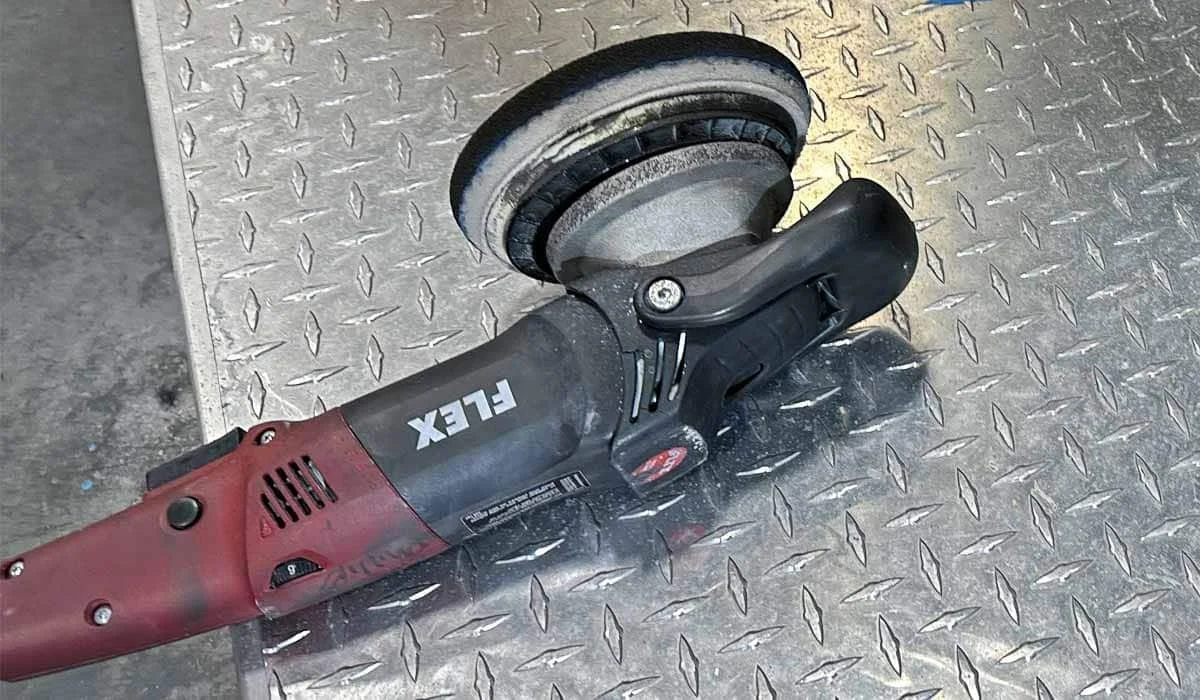
Credit: www.drbeasleys.com
Frequently Asked Questions
What Is The Best Buffer For Polishing Aluminum?
The best buffer for polishing aluminum uses wool or foam pads with compounds. Start with coarse brown tripoli, then fine white rouge. Use a rotary polisher at low to medium speeds. Always clean the surface and wipe residue with a microfiber cloth between steps.
What Is The Best Way To Polish Aluminum?
Clean aluminum with soap and water, then dry it thoroughly. Sand progressively with finer grits. Use a rotary buffer with coarse compound first, then switch to fine compound and pad. Buff in smooth motions, wipe residue with a microfiber cloth.
Finish by applying polish and optional sealant for protection.
How To Get Aluminum To Shine Like Chrome?
Clean aluminum with soap and water, then dry it. Sand progressively with finer grits. Use a buffer with coarse compound, then a fine polish. Buff in smooth motions. Wipe residue with a microfiber cloth. Apply metal polish and buff again for a chrome-like shine.
Can You Use Buffing Compound On Aluminum?
Yes, you can use buffing compound on aluminum. Use coarse compound first, then a finer one for a shiny finish. Always clean the surface before buffing and polish in smooth, controlled motions.
What Equipment Do I Need To Polish Aluminum With A Buffer?
You need a buffer, foam or wool pads, polishing compounds, and clean cloths for best results.
Conclusion
Polishing aluminum with a buffer takes patience and the right steps. Start clean, use the correct compounds, and apply steady pressure. Move from coarse to fine polishing compounds for the best shine. Always wipe off residue between each step to avoid scratches.
With practice, your aluminum will look smooth and bright. This method saves time and effort compared to hand polishing. Keep your tools clean and work in a safe area. Enjoy the shiny results of your hard work every time you polish.
{ “@context”: “https://schema.org”, “@type”: “Article”, “headline”: “How to Polish Aluminum With a Buffer: Expert Tips for a Shiny Finish”, “description”: “Learn how to polish aluminum with a buffer by understanding the process, tools, and techniques to achieve a smooth, shiny finish on metal surfaces.”, “url”: “https://www.powertoolstoday.com/how-to-polish-aluminum-with-a-buffer/”, “datePublished”: “2025-11-21”, “dateModified”: “2026-03-18”, “author”: { “@type”: “Organization”, “name”: “Power Tools Today”, “url”: “https://www.powertoolstoday.com” }, “publisher”: { “@type”: “Organization”, “name”: “Power Tools Today”, “url”: “https://www.powertoolstoday.com” }, “mainEntityOfPage”: { “@type”: “WebPage”, “@id”: “https://www.powertoolstoday.com/how-to-polish-aluminum-with-a-buffer/” }, “image”: { “@type”: “ImageObject”, “url”: “https://www.powertoolstoday.com/wp-content/uploads/2025/11/how-to-polish-aluminum-with-a-buffer.webp” } }nn