
Last Updated: March 21, 2026
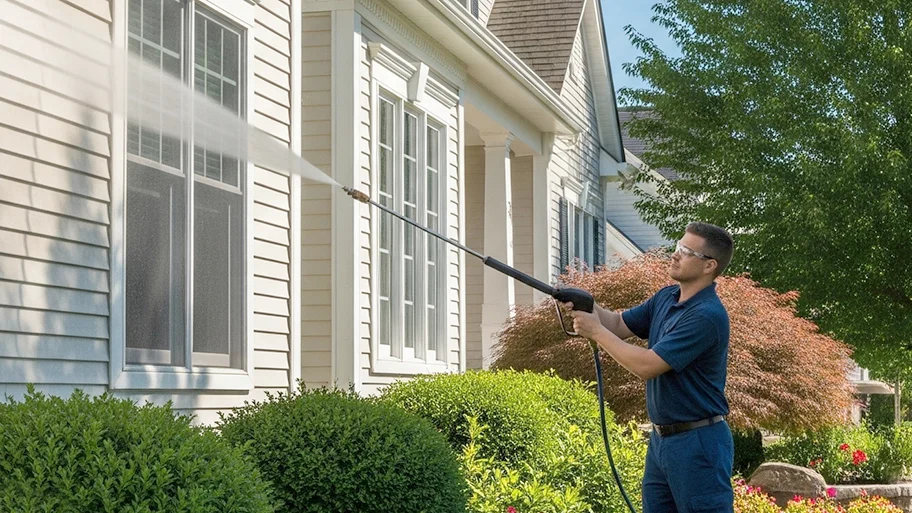
Want to give your house a fresh, clean look without hiring a pro? Learning how to pressure wash a house yourself is easier than you think—and it can save you time and money.
Imagine blasting away years of dirt, mold, and grime in just a few simple steps. You’ll be amazed at the instant transformation and how much curb appeal you can add. In this guide, you’ll discover exactly what tools and cleaning solutions you need, how to protect your plants and surfaces, and the best techniques to get the job done safely and effectively.
Ready to make your home shine? Let’s dive in and show you how to pressure wash your house like a pro!
Credit: www.angi.com
Gathering Supplies
Before starting to pressure wash your house, gather all necessary supplies. Proper preparation helps make the job safer and easier. Having the right tools ensures an efficient cleaning process.
Gathering supplies also prevents interruptions during the task. You will save time by having everything ready and close at hand.
Pressure Washer
A pressure washer is the main tool for cleaning the house exterior. Choose one with adjustable pressure settings. This helps avoid damage to surfaces. Gas or electric models both work well for home use.
Cleaning Solutions
Select a cleaning solution suitable for your house material. Some cleaners remove mold, mildew, and dirt effectively. Use eco-friendly options to protect plants and the environment. Always follow the product instructions carefully.
Protective Gear
Wear safety glasses and gloves to protect your eyes and hands. Use waterproof boots to keep your feet dry. Long sleeves and pants help shield your skin from chemicals and debris.
Extension Wand And Nozzles
An extension wand helps reach high areas like gutters and eaves. Different nozzle tips control water pressure and spray patterns. Use a wide-angle nozzle for gentle cleaning and a narrow one for tough stains.
Water Source And Hose
Connect the pressure washer to a reliable water source. Make sure the hose is long enough to cover the entire house. Check for leaks and kinks before starting.
Choosing The Right Pressure Washer
Choosing the right pressure washer is key for a clean, damage-free house. Each machine offers different power levels and features. Picking the correct one saves time and effort. It also protects your home’s surfaces from harm.
Types Of Pressure Washers
Electric pressure washers suit small to medium jobs. They are lighter and quieter. Gas pressure washers work well for large, tough cleaning tasks. They provide more power but need regular maintenance.
Pressure Washer Power
Pressure is measured in PSI (pounds per square inch). Higher PSI means stronger water spray. For house washing, 1500 to 3000 PSI is ideal. Too much power can damage wood or paint.
Water Flow Rate
Water flow is measured in GPM (gallons per minute). Higher GPM cleans faster by rinsing dirt quickly. Look for a flow rate of 2 to 4 GPM for house cleaning. This balance ensures effective washing without wasting water.
Additional Features To Consider
Some pressure washers have adjustable nozzles to control spray angle. Detergent tanks help apply cleaning solutions easily. Long hoses and extension wands make reaching tall walls simpler and safer.
Preparing The House
Preparing your house before pressure washing is important for safety and best results. It helps protect surfaces and objects around your home. This step makes the cleaning process smoother and more effective.
Start by removing or covering items near the house. This prevents damage and keeps everything clean. Checking the house for any fragile areas is also a smart move. These steps save time and avoid problems later.
Clear The Area Around The House
Remove outdoor furniture, toys, and decorations. Move potted plants and garden tools away from the walls. Clear pathways to avoid tripping while working. This creates a safe workspace and protects your belongings.
Cover Windows And Electrical Outlets
Use plastic sheets or painter’s tape to cover windows. This stops water and debris from entering your home. Cover electrical outlets and light fixtures with waterproof tape. Protecting these prevents electrical hazards and damage.
Inspect The House For Damage
Look for loose siding, cracked paint, or weak spots. Repair or secure these areas before washing. Pressure washing can worsen damage if the house is not strong. Fixing issues first keeps your home safe and strong.
Protect Plants And Shrubs
Water plants near the house to dilute chemicals. Cover delicate plants with plastic or tarps. This shields them from harsh cleaning solutions. Taking care of your garden ensures it stays healthy after washing.
Choose The Right Cleaning Solution
Select a cleaner suitable for your house material. Some solutions work well on mold and mildew. Use bleach-based cleaners carefully to avoid harming plants. Picking the right product improves cleaning and protects surfaces.
Credit: www.youtube.com
Selecting Cleaning Solutions
Selecting the right cleaning solution is key to effective pressure washing. The right cleaner removes dirt, mold, and stains without damaging surfaces. Different surfaces need different solutions. Choose carefully to keep your house safe and clean.
Homemade Cleaning Solutions
Simple homemade solutions work well for light cleaning. A bleach mixture kills mold and mildew effectively. Mix one part bleach with three parts water for best results. Another option is a TSP mixture. TSP, or trisodium phosphate, removes grease and dirt. Mix according to package instructions for safe use.
Commercial Cleaning Products
Commercial cleaners offer strong, ready-to-use solutions. Many contain sodium hypochlorite, a powerful bleach ingredient. These products clean tougher stains and kill mold faster. Always follow label directions. Some are designed for specific siding types like vinyl or wood. Choose a product made for your house’s surface.
Application Tips For Cleaning Solutions
Apply cleaner with a pump sprayer or the pressure washer’s chemical nozzle. Spray from the bottom up to avoid streaks. Work in small sections for even coverage. Let the solution sit for 5 to 10 minutes, but do not let it dry. Rinse thoroughly with water after cleaning to remove residue.
Safety Measures And Precautions
Protect plants and electrical outlets near your house. Cover them before applying chemicals. Water plants before and after to reduce damage. Wear gloves and eye protection during application. Use solutions in a well-ventilated area. Proper safety keeps you and your home safe during cleaning.
Applying The Cleaning Solution
Applying the cleaning solution is a key step in pressure washing a house. This step helps loosen dirt, mold, and grime from the surfaces. Proper application ensures the cleaning solution works effectively. It also protects your home and surrounding plants from damage. Use the right tools and techniques for best results. Take your time to cover all areas evenly.
Using A Pump Sprayer
A pump sprayer makes applying the cleaning solution easy and even. Fill the sprayer with the mixed solution. Adjust the nozzle for a wide spray pattern. Start spraying from the bottom of the house. Move the sprayer slowly upward to avoid streaks. Keep the sprayer nozzle about 12 to 18 inches from the surface. Wear gloves and eye protection during application.
Working In Sections
Divide your house into small sections before applying the cleaner. This helps you cover every area without missing spots. Spray one section fully before moving to the next. Work from bottom to top to prevent streaking. Let the solution sit on each section for the recommended time. Avoid letting the cleaner dry on the surface. This method ensures a thorough clean and avoids uneven patches.
Credit: www.familyhandyman.com
Pressure Washing Techniques
Effective pressure washing needs specific techniques to clean without damage. Knowing how to control the pressure and spray pattern helps protect your house’s surface. Using the right methods improves cleaning results and saves time. Focus on distance and nozzle choice for best outcomes.
Maintaining Proper Distance
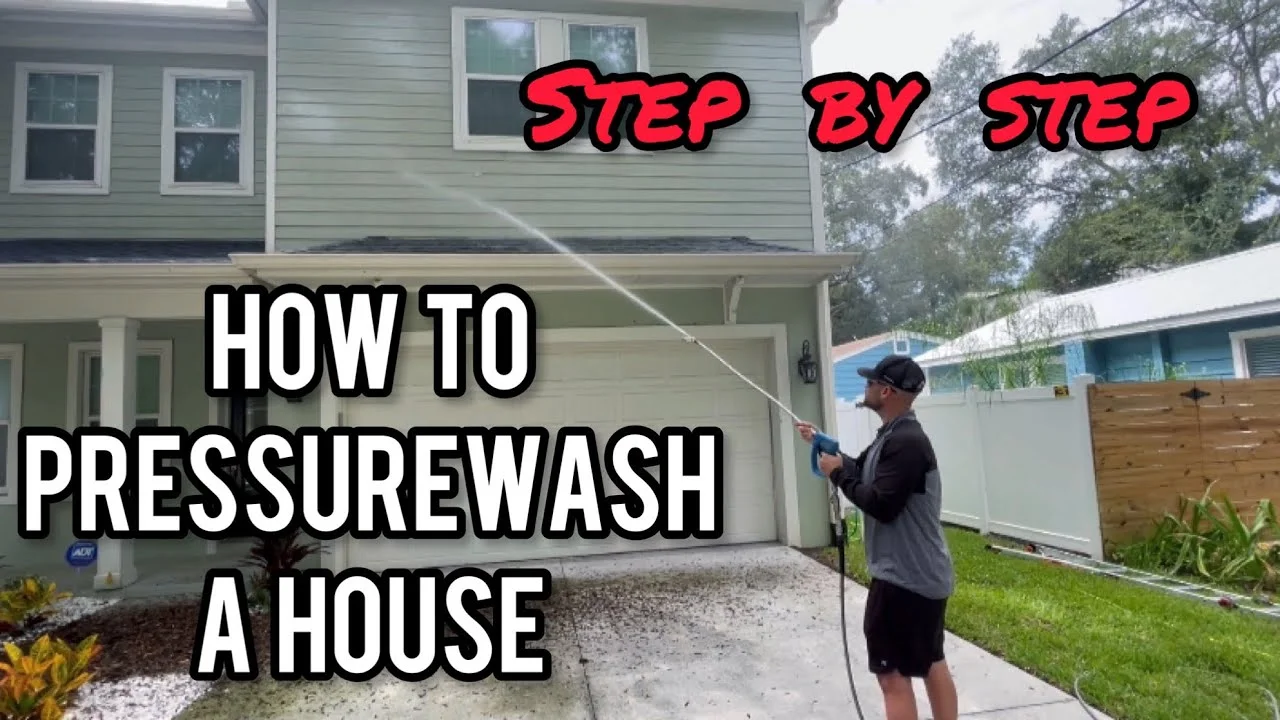
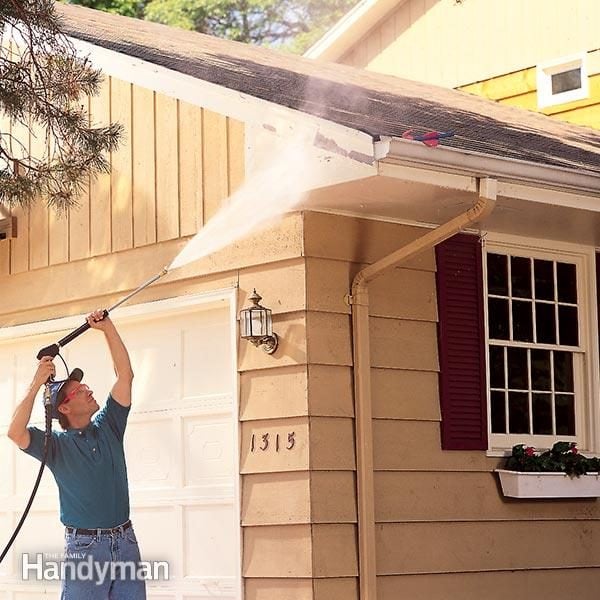
Keep the pressure washer nozzle about 6 to 12 inches from the surface. Too close can cause damage like paint removal or wood splinters. Too far reduces cleaning power and wastes water. Move the wand steadily to avoid streaks. Adjust distance based on the surface type and dirt level.
Using Correct Nozzle
Choose the right nozzle for your cleaning task. A 25-degree nozzle suits general cleaning on siding and decks. A 40-degree nozzle is gentler for delicate surfaces like windows. Avoid 0-degree nozzles on houses—they are too strong and can harm the material. Nozzle color guides pressure and spray angle for safe washing.
Rinsing And Final Touches
Rinsing and final touches are key steps after cleaning your house with a pressure washer. This phase removes leftover detergent and dirt. It also helps prevent streaks and damage.
Proper rinsing ensures your house looks fresh and clean. Taking time for these final steps improves your home’s appearance and protects its surfaces.
Rinsing The Entire Surface
Start rinsing from the top of the house. Work your way down slowly to avoid streaks. Use a wide spray nozzle for gentle water flow. Make sure to remove all soap and dirt residues. Rinse each section thoroughly before moving on.
Checking For Missed Spots
After rinsing, inspect your house carefully. Look for any areas with dirt or soap left behind. Pay attention to corners, window frames, and eaves. Rewash or rinse these spots if needed. This step helps achieve an even clean finish.
Cleaning Up The Work Area
Clear away any debris or equipment from your work site. Store your pressure washer and accessories safely. Sweep or hose down walkways to remove dirt splashes. Proper cleanup keeps your yard tidy and safe for family.
Final Surface Inspection
Walk around your house for a final check. Look for water streaks or spots that need extra attention. Touch up with a low-pressure rinse if necessary. This ensures your house shines and looks well cared for.
Safety Tips And Precautions
Pressure washing a house can be effective and fast. Safety matters most during this task. High-pressure water can cause injuries or damage if not handled right. Follow safety tips to protect yourself and your home. Use the right gear and techniques for a safe cleaning job.
Wear Protective Gear
Always wear safety goggles to protect your eyes. Use gloves to keep your hands safe from chemicals and high pressure. Wear sturdy shoes with good grip to prevent slipping. Long pants and long sleeves protect your skin from debris and water spray.
Check Equipment Before Use
Inspect the pressure washer for leaks or damage. Make sure all connections are tight. Test the machine on a small area first to ensure proper pressure. Read the user manual to understand how to operate the device safely.
Keep A Safe Distance
Hold the spray nozzle at least 6 to 12 inches from the surface. Closer spray can damage paint or siding. Avoid pointing the nozzle at people, pets, or fragile objects. Keep children and pets away from the work area.
Avoid Electrical Hazards
Never spray near electrical outlets or fixtures. Cover outdoor outlets with waterproof covers. Use a ground fault circuit interrupter (GFCI) for the power source. Avoid standing in water or wet areas while using the washer.
Use Proper Ladder Safety
Choose a stable ladder and place it on even ground. Do not lean too far to one side while working. Ask someone to hold the ladder for extra support. Avoid using the pressure washer while on a ladder if possible.
Frequently Asked Questions
What Should I Spray My House With Before Pressure Washing?
Spray your house with a bleach-based or TSP cleaning solution before pressure washing. Use a pump sprayer or chemical nozzle. Apply from bottom to top in sections. Protect plants and outlets, wear safety gear, and rinse thoroughly after application.
Can I Powerwash My House Myself?
Yes, you can powerwash your house yourself using proper equipment and safety gear. Follow instructions carefully to avoid damage.
What Is The Right Way To Power Wash A House?
Start by protecting plants and outlets. Apply a cleaning solution from bottom to top in sections. Use a pressure washer with appropriate PSI. Rinse thoroughly. Wear safety gear throughout the process.
How Much Does It Cost To Pressure Wash A 1000 Sq Ft House?
Pressure washing a 1000 sq ft house typically costs between $200 and $400. Prices vary by location and condition.
What Pressure Washer Settings Are Best For House Cleaning?
Use low to medium pressure (1300-1900 PSI) with a wide spray nozzle to avoid damage.
Conclusion
Pressure washing your house can refresh its look quickly and effectively. Use the right cleaner and follow safety steps carefully. Work in small sections to avoid streaks and damage. Always protect plants and electrical outlets from chemicals. Rinse well to remove all dirt and residue.
Wearing safety gear keeps you safe during the process. Regular pressure washing helps maintain your home’s exterior and curb appeal. With patience and care, you can achieve great results on your own. Give your house a clean, fresh appearance this season.
Related reading: How to Fix a Pressure Washer.
Related reading: How to Wash a Car With a Pressure Washer.
{ “@context”: “https://schema.org”, “@type”: “Article”, “headline”: “How to Pressure Wash a House: Easy Steps for a Sparkling Clean”, “description”: “How to pressure wash a house explains the process of using high-pressure water to clean exterior surfaces and remove dirt, mold, and grime effectively.”, “url”: “https://www.powertoolstoday.com/how-to-pressure-wash-a-house/”, “datePublished”: “2025-11-30”, “dateModified”: “2026-03-18”, “author”: { “@type”: “Organization”, “name”: “Power Tools Today”, “url”: “https://www.powertoolstoday.com” }, “publisher”: { “@type”: “Organization”, “name”: “Power Tools Today”, “url”: “https://www.powertoolstoday.com” }, “mainEntityOfPage”: { “@type”: “WebPage”, “@id”: “https://www.powertoolstoday.com/how-to-pressure-wash-a-house/” }, “image”: { “@type”: “ImageObject”, “url”: “https://www.powertoolstoday.com/wp-content/uploads/2025/11/how-to-pressure-wash-a-house.webp” } }{ “@context”: “https://schema.org”, “@type”: “Article”, “headline”: “How to Pressure Wash a House: Easy Steps for a Sparkling Clean”, “description”: “How to pressure wash a house explains the process of using high-pressure water to clean exterior surfaces and remove dirt, mold, and grime effectively.”, “url”: “https://www.powertoolstoday.com/how-to-pressure-wash-a-house/”, “datePublished”: “2025-11-30”, “dateModified”: “2026-03-19”, “author”: { “@type”: “Organization”, “name”: “Power Tools Today”, “url”: “https://www.powertoolstoday.com” }, “publisher”: { “@type”: “Organization”, “name”: “Power Tools Today”, “url”: “https://www.powertoolstoday.com” }, “mainEntityOfPage”: { “@type”: “WebPage”, “@id”: “https://www.powertoolstoday.com/how-to-pressure-wash-a-house/” }, “image”: { “@type”: “ImageObject”, “url”: “https://www.powertoolstoday.com/wp-content/uploads/2025/11/how-to-pressure-wash-a-house.webp” } }nn{“@context”:”https://schema.org”,”@type”:”FAQPage”,”mainEntity”:[{“@type”:”Question”,”name”:”What Should I Spray My House With Before Pressure Washing?”,”acceptedAnswer”:{“@type”:”Answer”,”text”:”Spray your house with a bleach-based or TSP cleaning solution before pressure washing . Use a pump sprayer or chemical nozzle. Apply from bottom to top in sections. Protect plants and outlets, wear safety gear, and rinse thoroughly after application.”}},{“@type”:”Question”,”name”:”Can I Powerwash My House Myself?”,”acceptedAnswer”:{“@type”:”Answer”,”text”:”Yes, you can powerwash your house yourself using proper equipment and safety gear. Follow instructions carefully to avoid damage.”}},{“@type”:”Question”,”name”:”What Is The Right Way To Power Wash A House?”,”acceptedAnswer”:{“@type”:”Answer”,”text”:”Start by protecting plants and outlets. Apply a cleaning solution from bottom to top in sections. Use a pressure washer with appropriate PSI. Rinse thoroughly. Wear safety gear throughout the process.”}},{“@type”:”Question”,”name”:”How Much Does It Cost To Pressure Wash A 1000 Sq Ft House?”,”acceptedAnswer”:{“@type”:”Answer”,”text”:”Pressure washing a 1000 sq ft house typically costs between $200 and $400. Prices vary by location and condition.”}},{“@type”:”Question”,”name”:”What Pressure Washer Settings Are Best For House Cleaning?”,”acceptedAnswer”:{“@type”:”Answer”,”text”:”Use low to medium pressure (1300-1900 PSI) with a wide spray nozzle to avoid damage.”}}]}nn{“@context”:”https://schema.org”,”@type”:”HowTo”,”name”:”How to Pressure Wash a House: Easy Steps for a Sparkling Clean”,”step”:[{“@type”:”HowToStep”,”position”:1,”name”:”Gathering Supplies”,”text”:”Before starting to pressure wash your house, gather all necessary supplies. Proper preparation helps make the job safer and easier. Having the right tools ensures an efficient cleaning process. Gathering supplies also prevents interruptions during the task. You will save time by having everything re”},{“@type”:”HowToStep”,”position”:2,”name”:”Selecting Cleaning Solutions”,”text”:”Selecting the right cleaning solution is key to effective pressure washing. The right cleaner removes dirt, mold, and stains without damaging surfaces. Different surfaces need different solutions. Choose carefully to keep your house safe and clean. Homemade Cleaning Solutions Simple homemade solutio”},{“@type”:”HowToStep”,”position”:3,”name”:”Applying The Cleaning Solution”,”text”:”Applying the cleaning solution is a key step in pressure washing a house. This step helps loosen dirt, mold, and grime from the surfaces. Proper application ensures the cleaning solution works effectively. It also protects your home and surrounding plants from damage. Use the right tools and techniq”},{“@type”:”HowToStep”,”position”:4,”name”:”Pressure Washing Techniques”,”text”:”Effective pressure washing needs specific techniques to clean without damage. Knowing how to control the pressure and spray pattern helps protect your house’s surface. Using the right methods improves cleaning results and saves time. Focus on distance and nozzle choice for best outcomes. Maintaining”}]}