
Last Updated: March 21, 2026
Are your saw blades cutting slower or leaving rough edges? Dull blades don’t just make your work harder—they can also damage your materials and your tools.
But here’s the good news: you don’t have to replace them every time they lose their edge. Learning how to sharpen saw blades yourself can save you time, money, and frustration. In this guide, you’ll discover simple, effective ways to bring your blades back to life, so you can get cleaner cuts and smoother projects.
Ready to make your saw blades sharp again? Let’s dive in!
Credit: www.youtube.com
Choosing The Right Tools
Choosing the right tools is key to sharpening saw blades effectively. The tools you select affect the sharpness, ease, and safety of the process. Using proper equipment ensures clean cuts and extends blade life. It helps maintain precision and saves time.
Files And Sharpeners
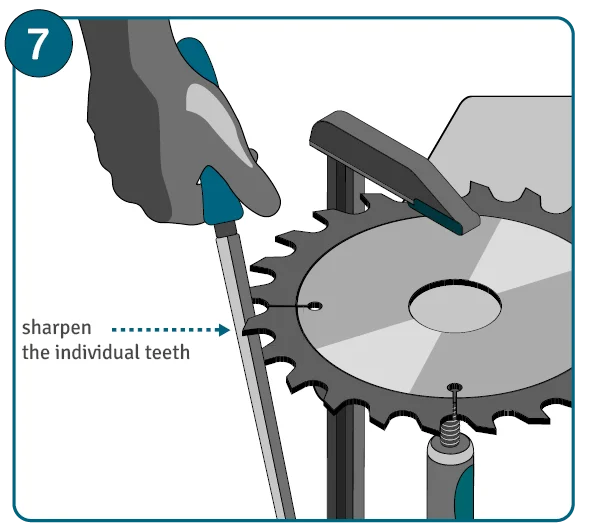
Files are simple hand tools for sharpening saw teeth. They come in different shapes and sizes. A triangular file suits most saw blades well. A diamond file works for harder metals. Manual files give you control over each tooth. Electric sharpeners speed up the process. They are ideal for frequent sharpening tasks. Choose a sharpener that fits your blade type. Consistency in angle and pressure is crucial for good results.
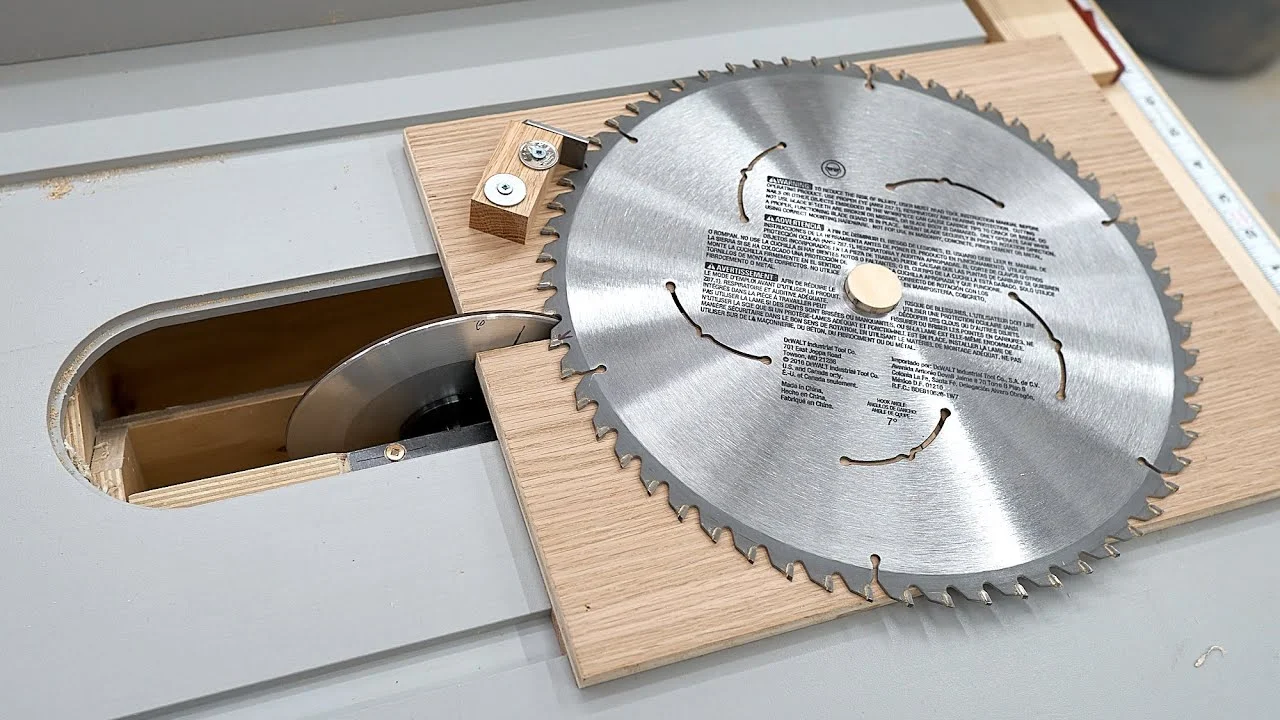
Using A Sharpening Jig
A sharpening jig holds the blade steady. It keeps the file at the correct angle. This tool helps achieve uniform sharpening across all teeth. Jigs reduce mistakes caused by hand movements. They are useful for beginners and professionals. Using a jig saves time and effort. It improves the accuracy of each tooth’s edge. Look for adjustable jigs that fit your blade size.
Safety Gear Essentials
Sharp blades and tools can cause injuries. Safety gear protects you during sharpening. Wear gloves to avoid cuts and scrapes. Eye protection prevents metal filings from entering your eyes. Use a dust mask to avoid breathing metal dust. Ensure your workspace is well-lit and clean. Take breaks to maintain focus and avoid accidents. Safety gear is not optional; it is a must.
Preparing The Saw Blade
Preparing the saw blade is the first step to a sharp, efficient cut. A clean and well-examined blade lasts longer and cuts better. Proper preparation saves time and ensures safety during sharpening.
Cleaning The Blade
Remove all dirt, pitch, and resin from the blade. Use a soft brush and mild detergent or a specialized blade cleaner. Clean blades sharpen more evenly and reduce heat buildup. Dry the blade completely to avoid rust.
Inspecting For Damage
Look closely for chipped, bent, or missing teeth. Check for cracks on the blade surface. Damaged blades can be dangerous and give poor cuts. Replace or repair any damaged parts before sharpening.
Securing The Blade
Fix the blade firmly in a stable position. Use a vise or clamp to hold it steady. A steady blade prevents accidents and ensures precise sharpening. Avoid over-tightening to stop blade warping.
Sharpening Techniques
Sharpening saw blades requires careful techniques to restore their cutting power. Proper methods improve performance and extend blade life. Focus and precision make a big difference in results. Here are key sharpening techniques to follow.
Filing The Teeth
Use a flat file to sharpen each tooth. Hold the file at the correct angle. Push the file across the tooth in one smooth motion. Avoid filing back and forth. Count the strokes to keep the teeth even. Check for sharp edges after filing.
Maintaining Tooth Angles
Keep the original tooth angles while sharpening. Use a guide to measure angles if needed. Angles affect cutting efficiency and wood finish. Incorrect angles cause poor cuts and blade damage. Regularly compare teeth to ensure uniformity. Precision here improves blade lifespan.
Handling Carbide Tips
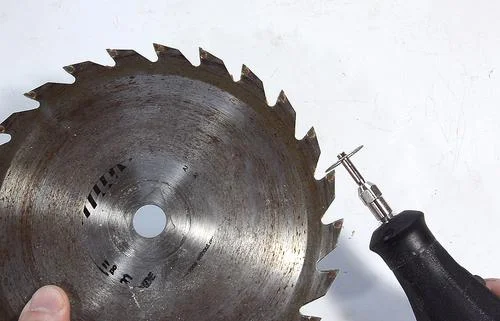
Carbide tips need special care during sharpening. Use a diamond file or wheel for these hard tips. Avoid using regular files as they damage carbide. Work gently to prevent chipping. Sharpen each tip evenly for balanced cutting. Clean the blade after sharpening to remove debris.
Credit: woodgears.ca
Using Power Sharpeners
Using power sharpeners is a fast and effective way to sharpen saw blades. These machines help restore the blade’s cutting edge with precision. They reduce the time and effort compared to manual sharpening. Power sharpeners are suitable for various saw blades, including circular and table saw blades. Proper use of these tools can keep your blades sharp and extend their life.
Types Of Power Sharpeners
There are several types of power sharpeners available. Bench grinders are common for basic sharpening tasks. They use abrasive wheels to grind the blade edges. Belt sanders offer more control for shaping the teeth. Specialized saw blade sharpeners have guides to maintain correct angles. Each type fits different sharpening needs and blade sizes.
Setting Up Your Equipment
Start by cleaning the saw blade to remove dirt and resin. Secure the blade firmly to prevent movement during sharpening. Adjust the sharpener to match the blade’s tooth angle. Wear safety gear like goggles and gloves for protection. Test the setup on a small section before sharpening the entire blade. Keep the workspace well-lit and free of distractions.
Avoiding Common Mistakes
Avoid removing too much metal from the blade. This can weaken the teeth and shorten blade life. Do not rush the process; sharpen slowly and evenly. Keep the blade cool to prevent damage from heat. Avoid changing the tooth angle during sharpening. Regularly check the blade for uniform sharpness. Proper technique ensures a clean, sharp edge every time.
Testing And Adjusting
Testing and adjusting your saw blade ensures it cuts smoothly and safely. After sharpening, it is vital to check sharpness, adjust tooth height, and balance the blade. These steps improve cutting accuracy and blade longevity. Proper testing and adjustment reduce vibrations and prevent damage to wood and tools.
Checking Sharpness
Hold the blade under good light. Look closely at each tooth edge. Sharp teeth have clean, crisp edges without chips or dents. Use a magnifying glass for a better view. Another way is to gently run your finger along the teeth. Sharp teeth feel smooth and pointed. Dull or rounded edges need more sharpening.
Adjusting Tooth Height
Uneven tooth height causes rough cuts and blade wobble. Measure tooth height using a small ruler or gauge. Compare each tooth’s height carefully. Use a flat file to level taller teeth down. Avoid filing too much; keep teeth uniform in height. This adjustment helps the blade run straight and cut evenly.
Balancing The Blade
An unbalanced blade vibrates and wears unevenly. Place the blade on a blade balancing tool or a nail through the center hole. The blade should stay horizontal without tipping. If one side dips, that side is heavier. Remove small amounts of material from the heavier side’s teeth or body. Balance improves cutting stability and safety.
Credit: www.jungheinrich-profishop.co.uk
Maintaining Sharpness
Keeping saw blades sharp is key to safe and efficient cutting. Sharp blades cut cleanly and reduce strain on your saw. Regular care helps your blades last longer and perform better. Follow simple steps to maintain their sharpness.
Proper Storage Tips
Store saw blades in a dry place to avoid rust. Use blade covers or cases to protect teeth from damage. Hang blades on pegboards or keep them flat to prevent warping. Avoid stacking blades directly on top of each other.
Regular Cleaning Routine
Clean blades after each use to remove resin and pitch buildup. Use a soft brush and mild cleaner to scrub gently. Avoid harsh chemicals that can damage the metal. Dry blades thoroughly before storing to stop rust.
When To Resharpen
Resharpen blades when cuts become rough or slow. Dull blades cause burn marks and push wood instead of cutting. Check teeth for chips or uneven edges. Timely resharpening keeps cuts smooth and reduces wear on your saw.
Frequently Asked Questions
How Do You Sharpen A Saw Blade At Home?
Clamp the saw blade securely. Use a triangular file matching the tooth angle. File each tooth with smooth, even strokes. Maintain consistent angle and pressure throughout. Check sharpness and repeat if needed.
Is It Worth Sharpening Saw Blades?
Yes, sharpening saw blades improves cutting precision, extends blade life, and reduces motor strain, making it worth the effort.
How Can I Sharpen My Blade At Home?
Use a sharpening stone or ceramic mug’s unglazed bottom. File each tooth at the correct angle with a triangular file. Move the file forward only. Repeat until sharp. Clean and test the blade carefully.
How Do You Sharpen A Saw By Hand?
Sharpen each saw tooth with a triangular file using three to four strokes. File in one direction only, lifting the file slightly on the return stroke. Maintain the original tooth angle to ensure sharpness and consistent cutting performance.
How Often Should I Sharpen My Saw Blades?
Sharpen saw blades when cuts become rough or the blade slows down noticeably.
What Tools Do I Need To Sharpen Saw Blades?
Use a diamond file, saw blade sharpener, or a bench grinder for best results.
Conclusion
Sharpening saw blades keeps your tools working well and safe. Regular sharpening saves money and improves cutting accuracy. Use the right tools and follow steps carefully. Practice makes the process easier and faster over time. Keep blades clean and check teeth for damage before sharpening.
Sharp blades reduce effort and produce cleaner cuts. Take your time and work patiently for best results. Proper maintenance extends blade life and boosts your project quality. Stay consistent, and your saw blades will serve you longer.
Related reading: Water Stone vs Oil Stone for Sharpening.
{ “@context”: “https://schema.org”, “@type”: “Article”, “headline”: “How to Sharpen Saw Blades: Expert Tips for Razor-Sharp Cuts”, “description”: “Learn how to sharpen saw blades to restore cutting precision by understanding the process, tools needed, and techniques for effective blade maintenance.”, “url”: “https://www.powertoolstoday.com/how-to-sharpen-saw-blades/”, “datePublished”: “2026-02-24”, “dateModified”: “2026-03-18”, “author”: { “@type”: “Organization”, “name”: “Power Tools Today”, “url”: “https://www.powertoolstoday.com” }, “publisher”: { “@type”: “Organization”, “name”: “Power Tools Today”, “url”: “https://www.powertoolstoday.com” }, “mainEntityOfPage”: { “@type”: “WebPage”, “@id”: “https://www.powertoolstoday.com/how-to-sharpen-saw-blades/” }, “image”: { “@type”: “ImageObject”, “url”: “https://www.powertoolstoday.com/wp-content/uploads/2025/11/How-to-Sharpen-Saw-Blades-1024×576.webp” } }{ “@context”: “https://schema.org”, “@type”: “Article”, “headline”: “How to Sharpen Saw Blades: Expert Tips for Razor-Sharp Cuts”, “description”: “Learn how to sharpen saw blades to restore cutting precision by understanding the process, tools needed, and techniques for effective blade maintenance.”, “url”: “https://www.powertoolstoday.com/how-to-sharpen-saw-blades/”, “datePublished”: “2026-02-24”, “dateModified”: “2026-03-19”, “author”: { “@type”: “Organization”, “name”: “Power Tools Today”, “url”: “https://www.powertoolstoday.com” }, “publisher”: { “@type”: “Organization”, “name”: “Power Tools Today”, “url”: “https://www.powertoolstoday.com” }, “mainEntityOfPage”: { “@type”: “WebPage”, “@id”: “https://www.powertoolstoday.com/how-to-sharpen-saw-blades/” }, “image”: { “@type”: “ImageObject”, “url”: “https://www.powertoolstoday.com/wp-content/uploads/2025/11/How-to-Sharpen-Saw-Blades-1024×576.webp” } }nn