
Last Updated: March 21, 2026
Starting a pressure washer might seem tricky at first, but once you know the simple steps, you’ll be ready to tackle any cleaning job with ease. Whether you’re washing your car, deck, or patio, getting your pressure washer up and running correctly is key to avoiding damage and getting the best results.
In this guide, you’ll learn exactly what to do—from setting up your hoses to starting the engine safely. Follow along, and you’ll feel confident using your pressure washer like a pro in no time. Don’t risk costly mistakes—keep reading to discover how to start your pressure washer the right way every single time.
Credit: www.youtube.com
Gather Necessary Equipment
Gathering the right equipment is the first step in starting a pressure washer safely and efficiently. Having everything ready ensures a smooth startup and protects the machine from damage. It also makes the cleaning process faster and easier. Prepare all parts and accessories before turning on the pressure washer.
Pressure Washer Unit
The pressure washer unit is the main machine. Check it for any visible damage or leaks. Ensure the fuel tank is filled with fresh gasoline if it is gas-powered. For electric models, verify the power cord and plug are in good condition. A well-maintained unit runs better and lasts longer.
Water Supply Hose
Connect a clean and strong water hose to the pressure washer. The hose must supply enough water without leaks. Use a garden hose that fits tightly to the water inlet. Turn on the water before starting the machine to keep the pump cool and avoid damage.
Spray Gun And Nozzles
Attach the spray gun securely to the pressure washer. Check the trigger for smooth operation. Select the proper nozzle tip for your cleaning task. Different nozzles change the spray pattern and pressure. Using the right nozzle improves cleaning results and protects surfaces.
Protective Gear
Wear safety glasses and gloves before starting the pressure washer. The high-pressure water can cause injuries. Closed-toe shoes protect your feet from accidental sprays. Dress in long sleeves and pants to shield your skin from debris and water.
Connect Water Supply
Connecting the water supply is the first step in starting a pressure washer. Water flows through the machine and powers the cleaning process. Without a proper water connection, the pressure washer can get damaged quickly.
Follow the steps carefully to connect the water supply safely and correctly. This ensures the machine runs smoothly and lasts longer.
Check Your Water Source
Use a clean, fresh water source like a garden hose. Make sure the water pressure is strong and steady. Avoid using salty or dirty water to protect the pressure washer’s pump.
Attach The Garden Hose
Connect one end of the garden hose to the water faucet. Tighten it securely to stop leaks. Attach the other end to the pressure washer’s water inlet. Hand-tighten the connection until it feels snug.
Turn On The Water Supply
Slowly open the water faucet to start the flow. Let the water run for a few seconds. This clears air and dirt from the hose before reaching the pressure washer.
Release Air From The System
Hold the spray gun and squeeze the trigger. Water will spray out, pushing air from the hose and pump. Keep the trigger pressed until water flows smoothly without sputtering.
Attach High-pressure Hose
Attaching the high-pressure hose is a key step before starting your pressure washer. This hose connects the spray gun to the washer’s pump. Proper attachment ensures water flows correctly and prevents leaks. Take your time to secure it firmly and safely.
Locate The High-pressure Outlet
Find the outlet on the pressure washer labeled for the high-pressure hose. It usually has a threaded or quick-connect fitting. Make sure the area is clean and free of dirt or debris before attaching the hose.
Attach The Hose To The Outlet
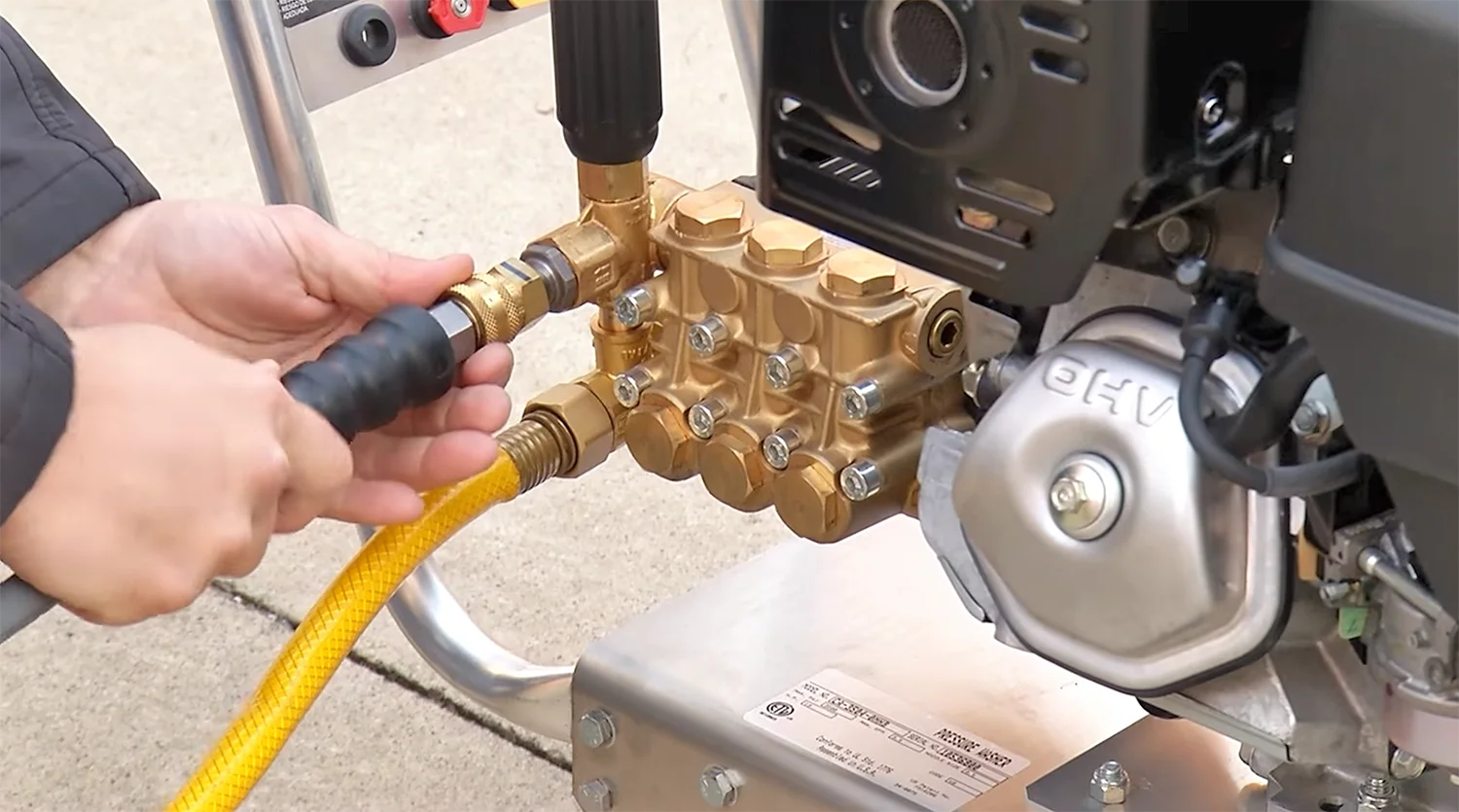
Align the hose fitting with the outlet. Push or screw the hose fitting onto the outlet firmly. If your hose has a quick-connect system, push until you hear a click. For threaded fittings, turn clockwise until tight but avoid over-tightening.
Check The Connection For Security
Once attached, gently tug the hose to confirm it is secure. A loose hose can cause leaks or detach during use. Tighten further if needed to prevent water loss and maintain pressure.
Attach The Other End To The Spray Gun
Connect the hose’s other end to the spray gun’s inlet. This connection usually works the same way as the outlet fitting. Secure it tightly to avoid leaks and ensure proper water flow.
Purge Air From System
Purging air from the pressure washer system is a vital step before starting. Air trapped inside can cause the pump to run dry and damage the machine. Removing air ensures smooth water flow and protects the internal parts.
This process helps the pressure washer work efficiently. It also prevents sudden pressure surges that can harm hoses and fittings. Follow these simple steps to purge air correctly.
Turn On The Water Supply
Connect the garden hose to the pressure washer. Open the water faucet fully to allow steady water flow. Confirm no kinks or leaks in the hose.
Squeeze The Spray Gun Trigger
Hold the spray gun firmly and squeeze the trigger. Water will flow out, pushing trapped air through the system. Keep the trigger pressed until a steady stream of water appears.
Check For Air Bubbles
Watch the water flow carefully. Air bubbles indicate trapped air inside. Continue squeezing the trigger until bubbles stop appearing. Clear water means the system is purged.
Inspect Connections For Leaks
Look at all hose connections while water flows. Tighten any loose fittings to stop leaks. Leaks reduce water pressure and affect cleaning power.
Check Fuel And Oil Levels
Before starting your pressure washer, checking fuel and oil levels is essential. Proper fuel and oil ensure smooth engine operation and prevent damage. Running low on fuel or oil can cause the engine to stall or fail. This simple step saves time and costly repairs.
Check The Fuel Level
Locate the fuel tank on your pressure washer. Open the cap carefully to avoid spills. Look inside or use the fuel gauge if available. Fill the tank with fresh gasoline if the level is low. Avoid overfilling to prevent leaks and fire hazards. Use the correct fuel type recommended by the manufacturer.
Inspect The Oil Level
Find the oil fill cap and dipstick on the engine. Unscrew the cap and wipe the dipstick clean. Reinsert the dipstick fully, then remove it to check the oil level. The oil should be between the minimum and maximum marks. Add oil if the level is low, using the type suggested in the manual. Do not overfill to avoid engine damage.
Use Fresh Fuel And Clean Oil
Old fuel can cause starting problems and poor engine performance. Drain stale gasoline and replace it with fresh fuel. Dirty or used oil can harm engine parts. Change the oil regularly as per the pressure washer’s maintenance schedule. Clean oil keeps the engine running efficiently and extends its life.
Credit: www.mitm.com
Start Gas Or Electric Engine
Starting a pressure washer depends on the type of engine it has. Gas and electric engines need different steps. Knowing how to start each engine helps you use your pressure washer safely and efficiently. This guide explains how to start gas and electric pressure washer engines.
Start A Gas Engine
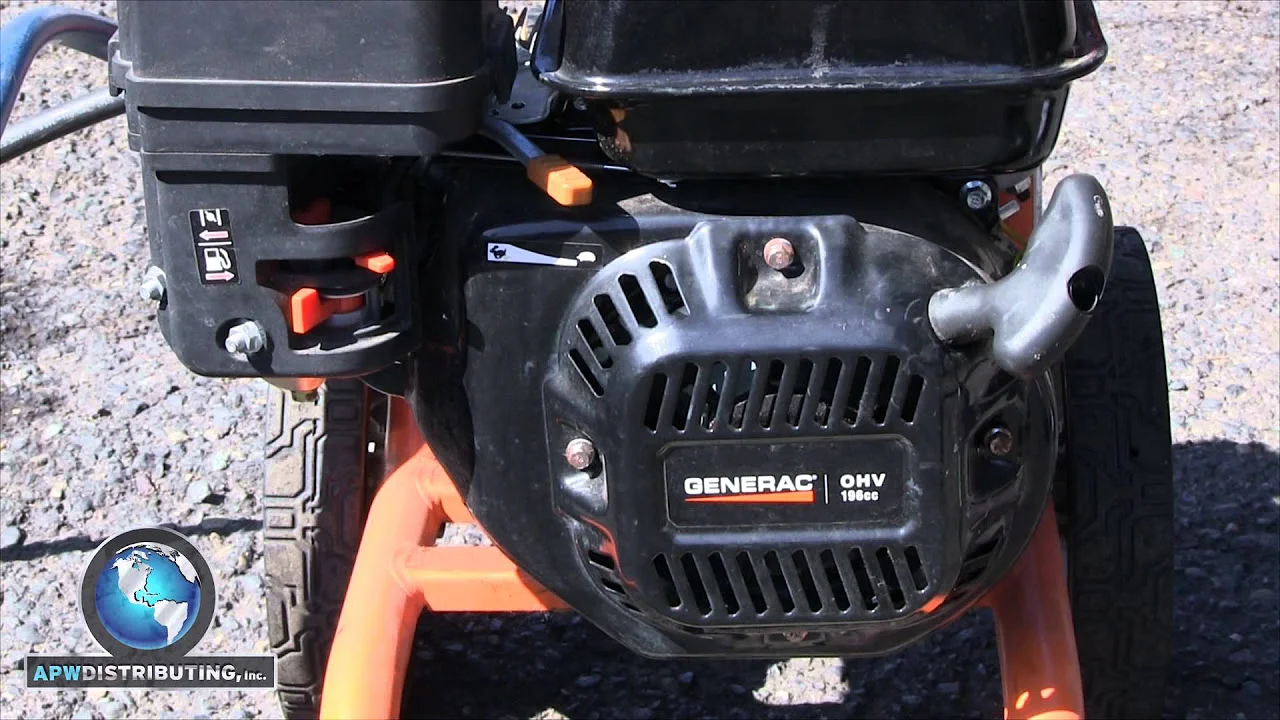
Check the fuel tank. Use fresh gasoline only. Fill it if needed. Turn the fuel valve to the ON position. Set the choke lever to CLOSE or START. This helps the engine get fuel at the start. Turn the engine switch to ON. Pull the starter cord slowly until you feel resistance. Then pull it fast and hard. Repeat until the engine starts. Once running, move the choke lever to OPEN or RUN. Let the engine warm up for a minute before use.
Start An Electric Engine
Plug the power cord into a grounded outlet. Check the power source for the correct voltage. Switch the power button to ON. Some models have a safety lock. Release it by pressing the trigger on the spray gun. The motor will start running. Make sure the water supply is on before starting. This prevents damage to the pump. Hold the spray gun firmly when starting the engine.
Release Built-up Pressure
Releasing built-up pressure is a key step before starting your pressure washer. This step ensures safety and helps the machine run smoothly. It removes any trapped pressure inside the system. This prevents sudden bursts of water or damage to the equipment.
Always release pressure after use or before maintenance. It also helps avoid accidental spray or injury. Follow simple steps to safely release pressure from your pressure washer.
Turn Off The Engine And Water Supply
First, turn off the pressure washer’s engine. Next, close the water supply valve completely. This stops water flow into the machine. Never try to release pressure while the engine runs or water flows.
Squeeze The Trigger To Release Pressure
Hold the spray gun firmly. Squeeze the trigger slowly to let out built-up pressure. Water will spray out, so point the nozzle in a safe direction. Keep squeezing until the water flow stops and pressure is gone.
Release Any Remaining Air In The Hose
After water stops spraying, keep the trigger squeezed for a few seconds. This removes any air trapped inside the hose or pump. Slowly release the trigger once no more water or air escapes.
Check For Pressure Relief Valve
Some models have a pressure relief valve. Use it to safely release excess pressure if needed. Follow the manufacturer’s instructions for using this valve. It adds an extra safety step before starting or after stopping.
Safety Tips For Operation
Operating a pressure washer safely reduces risks and protects you from injury. Follow key safety tips before starting to ensure safe use. Understanding these tips helps maintain control and avoid accidents.
Always prepare your workspace and equipment properly. Safety starts with good habits and careful attention.
Wear Protective Gear
Always wear safety goggles to protect your eyes from debris. Use gloves to protect your hands from high pressure water. Closed-toe shoes help avoid foot injuries. Long pants and sleeves shield your skin from spray and chemicals.
Check The Equipment Before Use
Inspect hoses and nozzles for cracks or damage. Ensure all connections are tight and secure. Never use a pressure washer with leaks or worn parts. Check fuel and oil levels if using a gas-powered model.
Use The Correct Pressure Setting
Set the pressure according to the surface you clean. Too high pressure can damage surfaces or cause injury. Start with the lowest setting and increase only if needed. Follow manufacturer instructions for best results.
Keep A Safe Distance
Stand at least 6 feet from the surface you clean. Hold the spray wand firmly with both hands. Avoid pointing the spray at people, animals, or electrical outlets. Maintain control to prevent injury or damage.
Never Use Indoors Or In Poor Ventilation
Gas-powered pressure washers emit harmful fumes. Use them outdoors or in well-ventilated spaces only. Avoid enclosed areas to prevent carbon monoxide poisoning. Electric models should still be kept dry and away from water sources.
Turn Off And Relieve Pressure After Use
Always turn off the engine before disconnecting hoses. Squeeze the trigger to release remaining pressure. This prevents accidental spray and damage to the pump. Store the pressure washer in a safe, dry place.
Credit: www.youtube.com
Frequently Asked Questions
What Is The Correct Way To Start A Pressure Washer?
Connect all hoses securely and turn on the water supply fully. Squeeze the spray gun trigger to purge air. Start the engine following manufacturer instructions. Release pressure by squeezing the trigger again once running. Always ensure water flows before starting to protect the pump.
Do You Turn Water On Before Starting A Pressure Washer?
Yes, always turn on the water before starting a pressure washer. This prevents pump damage by cooling and lubricating it. After turning on the water, squeeze the spray gun trigger to remove air, then start the engine safely.
Why Isn’t My Pressure Washer Starting?
Your pressure washer might not start due to empty fuel, clogged spark plug, or closed fuel valve. Check the choke and water supply. Ensure the engine switch is on and the pull cord is pulled correctly.
How Do I Get My Washer To Turn On?
Connect hoses securely, turn on water supply fully, and purge air by squeezing the spray gun trigger. Then, start the washer’s engine or plug in the electric model. Release built-up pressure by squeezing the trigger again after the engine runs.
How Do I Prepare My Pressure Washer Before Starting?
Connect water supply, check oil and fuel levels, and ensure all hoses are securely attached.
Conclusion
Starting a pressure washer is simple when you follow the right steps. Always connect the water supply before turning on the machine. Purge air from the system by squeezing the trigger. Set the choke properly and pull the starter cord gently.
Keep safety in mind and never rush the process. With practice, starting your pressure washer will become quick and easy. Remember, proper setup helps the machine work well and last longer. Now you are ready to clean efficiently and safely.
Related reading: How to Fix a Pressure Washer.
{ “@context”: “https://schema.org”, “@type”: “Article”, “headline”: “How to Start a Pressure Washer: Quick & Easy Step-by-Step Guide”, “description”: “Learn how to start a pressure washer by understanding its components, proper setup, and safe operation for effective cleaning and maintenance.”, “url”: “https://www.powertoolstoday.com/how-to-start-a-pressure-washer/”, “datePublished”: “2025-12-09”, “dateModified”: “2026-03-18”, “author”: { “@type”: “Organization”, “name”: “Power Tools Today”, “url”: “https://www.powertoolstoday.com” }, “publisher”: { “@type”: “Organization”, “name”: “Power Tools Today”, “url”: “https://www.powertoolstoday.com” }, “mainEntityOfPage”: { “@type”: “WebPage”, “@id”: “https://www.powertoolstoday.com/how-to-start-a-pressure-washer/” }, “image”: { “@type”: “ImageObject”, “url”: “https://www.powertoolstoday.com/wp-content/uploads/2025/11/how-to-start-a-pressure-washer.jpg” } }{ “@context”: “https://schema.org”, “@type”: “Article”, “headline”: “How to Start a Pressure Washer: Quick & Easy Step-by-Step Guide”, “description”: “Learn how to start a pressure washer by understanding its components, proper setup, and safe operation for effective cleaning and maintenance.”, “url”: “https://www.powertoolstoday.com/how-to-start-a-pressure-washer/”, “datePublished”: “2025-12-09”, “dateModified”: “2026-03-19”, “author”: { “@type”: “Organization”, “name”: “Power Tools Today”, “url”: “https://www.powertoolstoday.com” }, “publisher”: { “@type”: “Organization”, “name”: “Power Tools Today”, “url”: “https://www.powertoolstoday.com” }, “mainEntityOfPage”: { “@type”: “WebPage”, “@id”: “https://www.powertoolstoday.com/how-to-start-a-pressure-washer/” }, “image”: { “@type”: “ImageObject”, “url”: “https://www.powertoolstoday.com/wp-content/uploads/2025/11/how-to-start-a-pressure-washer.jpg” } }nn