
Last Updated: March 21, 2026
Is your bathtub draining slowly or completely clogged, and you don’t have a plunger on hand? Don’t worry—you don’t need to rush out to buy one or call a plumber just yet.
You can fix this common problem quickly using simple items you probably already have at home. Imagine clearing that stubborn clog without harsh chemicals or expensive tools. In this guide, you’ll discover easy, effective ways to unclog your bathtub drain without a plunger.
Ready to save time, money, and frustration? Keep reading to find out how!
Gathering Your Tools
Before starting to unclog your bathtub, gather the right tools. Having everything ready makes the process quicker and less frustrating. Simple tools can solve most clogs without a plunger.
These tools are easy to find around the house or buy at a local store. Each one plays a role in clearing the drain effectively and safely.
Essential Household Items
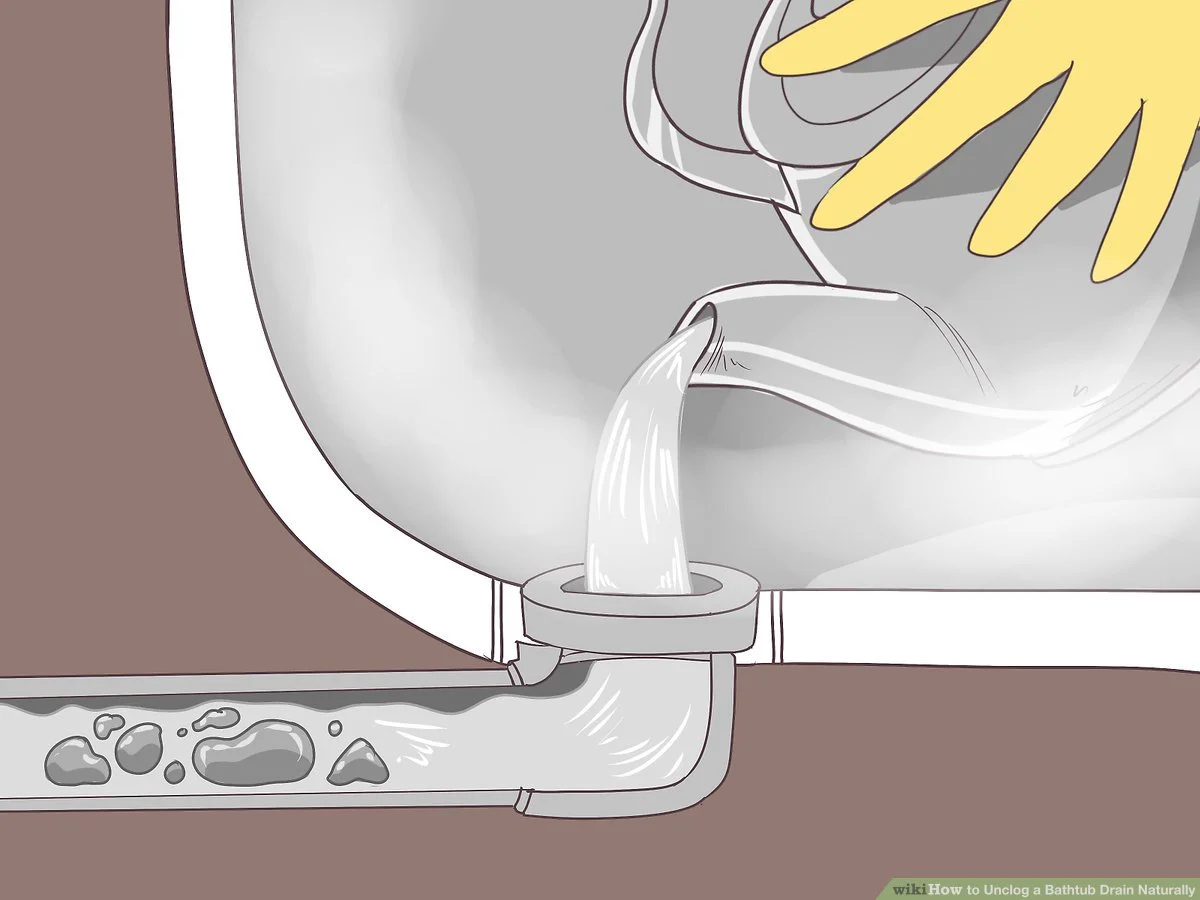
Start with basic items like baking soda and white vinegar. These natural cleaners help break down soap scum and hair. Keep a kettle or pot ready for boiling water. Hot water flushes away loosened debris after treatment.
Diy Drain Snake Alternatives
A wire coat hanger can work as a simple drain snake. Straighten it and create a small hook at one end. This tool helps pull out hair and gunk blocking the drain. Gloves protect your hands during this step.
Cleaning Tools For Tough Clogs
Use an old toothbrush or a small brush to clean around the drain opening. This removes surface grime that may cause slow drainage. A flashlight helps to see inside the drain clearly.
Credit: www.wikihow.com
Removing The Drain Stopper
Removing the drain stopper is the first step in unclogging a bathtub without a plunger. The stopper blocks the drain and traps hair and debris. Taking it out gives clear access to the clog. This makes cleaning easier and more effective.
Different tubs have different stopper types. Knowing how to remove yours helps avoid damage. Some stoppers lift out, while others need unscrewing or twisting. Handle the stopper gently to keep it intact.
Identify Your Drain Stopper Type
Look closely at the drain stopper. Common types include lift-and-turn, push-and-pull, and toe-touch stoppers. Each type removes differently. Check if there is a visible screw or if the stopper just lifts out.
Remove A Lift-and-turn Stopper
Find the small screw on top of the stopper knob. Use a screwdriver to loosen the screw. Turn it counterclockwise until it comes out. Once loose, lift the stopper straight up to remove it.
Remove A Push-and-pull Stopper
Pull the stopper up as far as it will go. Hold it firmly and twist counterclockwise. The stopper should turn and release from the drain. If it does not, check under the stopper for a hidden set screw.
Remove A Toe-touch Stopper
Look under the stopper for a small screw on the side of the rod. Use a screwdriver to loosen this screw. Pull the stopper straight up. If it feels stuck, wiggle it gently to free it.
Clean The Stopper And Drain Opening
Once removed, wipe off hair and gunk from the stopper. Use a cloth or old toothbrush for thorough cleaning. Look inside the drain for visible blockages. Clearing this area helps water flow smoothly again.
Using Baking Soda And Vinegar
Using baking soda and vinegar is a natural and effective way to unclog a bathtub drain. This method works by creating a fizzy reaction that helps break down grime and loosen debris blocking the drain. It is safe for pipes and does not involve harsh chemicals.
The ingredients are simple and often already in your kitchen. This makes the solution convenient and eco-friendly. Follow these steps carefully for best results.
Gather Your Materials
You will need half a cup of baking soda, one cup of white vinegar, and boiling water. Make sure the bathtub drain is as dry as possible before starting. This helps the baking soda and vinegar mix properly and reach the clog.
Apply Baking Soda And Vinegar
Pour the baking soda directly into the drain. Then slowly add the vinegar. The mixture will bubble and fizz. This reaction helps break down soap scum, hair, and other debris stuck in the pipes.
Wait And Let It Work
Cover the drain with a plug or cloth to keep the fizz inside. Allow the mixture to sit for 15 to 30 minutes. This gives time to loosen the clog and clean the drain walls.
Flush With Boiling Water
After waiting, pour a pot of boiling water down the drain. The hot water washes away loosened debris and clears the pipes. Repeat this step if the water drains slowly at first.
Repeat If Needed
Some clogs may require a second treatment. If the drain remains slow, repeat the baking soda and vinegar process. This method is gentle and safe to use multiple times without damage.
Pouring Boiling Water
Pouring boiling water is a simple and effective way to clear a clogged bathtub drain. The heat helps break down soap scum, grease, and minor blockages that slow water flow. This method does not require special tools or chemicals, making it safe and easy for most households.
Boiling water can dissolve and flush away buildup inside the pipes. It works best on slow drains or minor clogs caused by organic materials. Repeating the process a few times may improve results for tougher blockages.
Preparing The Boiling Water
Start by boiling a large pot of water. Use enough water to fill the drain pipe and reach the clog. Avoid using less than two to three liters to ensure proper flow. Handle the pot carefully to prevent spills and burns.
Pouring The Boiling Water Safely
Pour the boiling water slowly and directly into the bathtub drain. Avoid splashing to prevent injury. Allow the hot water to sit in the drain for several minutes. This gives the heat time to soften the clog and clear the pipe.
Repeating The Process If Needed
If the drain remains slow, repeat pouring boiling water two or three times. Give a few minutes between each pour for the heat to work. This can help clear more stubborn blockages without harsh chemicals or tools.
Applying Dish Soap For Grease Buildup
Grease buildup often causes slow draining or clogged bathtubs. Applying dish soap can help break down this grease. Dish soap is designed to cut through oils and fats. It loosens grease stuck in pipes, allowing water to flow freely again.
This method is simple and safe for most plumbing systems. It requires only common household items. Using dish soap prevents harsh chemicals from damaging your pipes or the environment.
Choosing The Right Dish Soap
Select a grease-cutting dish soap. Look for brands labeled “degreaser” or “heavy-duty.” These soaps contain stronger agents to dissolve oils better. Avoid soaps with added moisturizers or scents, as they may leave residues.
How To Apply Dish Soap For Best Results
Pour about 1/4 cup of dish soap directly into the drain. Let it sit for 15 to 30 minutes. This gives the soap time to break down grease and grime. Run hot tap water to flush the loosened debris away. Repeat if the drain is still slow.
Combining Dish Soap With Hot Water
Hot water helps dissolve grease faster. After applying dish soap, boil a pot of water. Carefully pour the hot water down the drain. The heat melts the grease, and the soap carries it away. Do this step slowly to avoid pipe damage.
Creating A Diy Drain Snake
Creating a DIY drain snake helps clear bathtub clogs without a plunger. Use a flexible wire to reach and pull out hair or debris. This simple tool saves time and avoids harsh chemicals.
Gathering Materials For Your Diy Drain Snake
Start by finding a long, flexible wire. A metal coat hanger works great. Straighten it out carefully. Create a small hook at one end by bending the wire. This hook will catch hair and debris in the drain.
How To Use The Diy Drain Snake Effectively
Insert the hooked end into the drain slowly. Push it down gently until you meet resistance. Rotate the wire to snag the clog. Pull the wire out carefully to remove debris. Repeat this process until water flows freely.
Cleaning And Maintaining Your Diy Drain Snake
After use, clean the wire with soap and warm water. Dry it well to prevent rust. Store it in a safe place for future use. Regular maintenance helps keep your drain clear longer.
Using A Wet/dry Vacuum
Using a wet/dry vacuum offers a powerful way to clear bathtub clogs without a plunger. This tool can both suck out debris and push air or water through the drain. It works well on hair and soap scum blockages that cause slow drainage.
Wet/dry vacuums handle liquids and solids, making them ideal for tough clogs. You do not need chemicals or special tools. Just a few simple steps can restore your tub’s flow quickly and cleanly.
Prepare The Wet/dry Vacuum For Use
First, set the vacuum to the liquid setting if available. Remove any filters that may get damaged by water. Attach the hose securely. Make sure the vacuum is fully charged or plugged in for steady power.
Create A Tight Seal Over The Drain
Use a wet cloth or a rubber gasket around the hose end. Press the hose firmly against the drain opening. This helps build suction to pull out the clog. Avoid air leaks that reduce vacuum strength.
Suck Out The Clog Using The Vacuum
Turn on the vacuum and let it run for 30 seconds to a minute. Pull the hose away slowly to check if debris comes out. Repeat the process until water starts to drain freely. Dispose of the collected gunk properly.
Flush The Drain After Vacuuming
Run hot water down the drain for a few minutes. This clears any remaining residue. The water flow confirms the clog is fully removed. Clean and dry your vacuum parts after use.
Credit: www.youtube.com
Preventing Future Clogs
Preventing future clogs saves time and avoids messy situations. Small habits make a big difference. Simple steps keep water flowing smoothly and drains clear. Consistent care protects your bathtub drain from common blockages.
Regular Cleaning Of The Drain
Clean the drain regularly to remove hair and soap buildup. Use a drain cover to catch debris before it goes down. Remove and wash the cover weekly. This stops clogs before they start.
Avoid Pouring Grease Or Oils Down The Drain
Never pour grease, oils, or thick liquids into the drain. These substances harden and block pipes over time. Dispose of them in the trash instead. Keep the drain free from sticky residues.
Use Hot Water Weekly
Pour hot water down the drain once a week. Hot water melts soap scum and clears minor blockages. This simple habit maintains smooth drainage. It prevents buildup that causes slow drains.
Limit Hair In The Drain
Brush your hair before showering or bathing. This reduces the amount of hair falling into the drain. Use a drain hair catcher to trap loose strands. Remove hair from the catcher after each use.
Be Careful With Bath Products
Avoid using too much soap, shampoo, or conditioner. Excess product creates residue that clogs drains. Choose products with fewer additives. Rinse thoroughly to keep pipes clean.
Credit: www.younghouselove.com
Frequently Asked Questions
How Do You Unblock A Bathtub Without A Plunger?
Pour baking soda, then vinegar into the drain. Let it fizz for 15 minutes. Flush with boiling water. Use a wire hanger or drain snake to remove debris. Repeat if needed.
How Do You Unclog A Bathtub Quickly?
Pour baking soda and vinegar into the drain, wait 15 minutes, then flush with boiling water. Use a drain snake if needed.
What Will Dissolve Hair In A Clogged Drain?
Enzyme-based drain cleaners effectively dissolve hair in clogged drains. Baking soda and vinegar also help break down hair clogs naturally. For tough blockages, use a drain snake or auger to remove hair physically. Avoid harsh chemicals to protect pipes and the environment.
Can Dawn Dish Soap Unclog A Bathtub Drain?
Dawn dish soap can help loosen greasy clogs in a bathtub drain. Use it with hot water for best results.
How Can I Unclog A Bathtub Without A Plunger?
Use baking soda and vinegar, then pour boiling water down the drain to clear clogs.
Conclusion
Unclogging a bathtub without a plunger is simple and doable. Use baking soda and vinegar to break down the clog. Pour boiling water after to clear the drain. A wire hanger or drain snake can remove stuck hair. Dish soap also helps loosen grease and grime.
Try these easy methods before calling a plumber. Keep your bathtub flowing smoothly with these safe, natural tips. Save time and money by handling clogs at home today.
Related reading: How to Remove a Cylinder From an Office Chair Without a Pipe Wrench.
Related reading: How to Unclog a Toilet Without a Plunger.
{ “@context”: “https://schema.org”, “@type”: “Article”, “headline”: “How to Unclog a Bathtub Without a Plunger: Easy DIY Hacks”, “description”: “Learn how to unclog a bathtub without a plunger by using simple methods like baking soda, vinegar, or hot water to clear drains effectively and safely.”, “url”: “https://www.powertoolstoday.com/how-to-unclog-a-bathtub-without-a-plunger/”, “datePublished”: “2025-12-11”, “dateModified”: “2026-03-18”, “author”: { “@type”: “Organization”, “name”: “Power Tools Today”, “url”: “https://www.powertoolstoday.com” }, “publisher”: { “@type”: “Organization”, “name”: “Power Tools Today”, “url”: “https://www.powertoolstoday.com” }, “mainEntityOfPage”: { “@type”: “WebPage”, “@id”: “https://www.powertoolstoday.com/how-to-unclog-a-bathtub-without-a-plunger/” }, “image”: { “@type”: “ImageObject”, “url”: “https://www.powertoolstoday.com/wp-content/uploads/2025/11/how-to-unclog-a-bathtub-without-a-plunger.jpg” } }{ “@context”: “https://schema.org”, “@type”: “Article”, “headline”: “How to Unclog a Bathtub Without a Plunger: Easy DIY Hacks”, “description”: “Learn how to unclog a bathtub without a plunger by using simple methods like baking soda, vinegar, or hot water to clear drains effectively and safely.”, “url”: “https://www.powertoolstoday.com/how-to-unclog-a-bathtub-without-a-plunger/”, “datePublished”: “2025-12-11”, “dateModified”: “2026-03-19”, “author”: { “@type”: “Organization”, “name”: “Power Tools Today”, “url”: “https://www.powertoolstoday.com” }, “publisher”: { “@type”: “Organization”, “name”: “Power Tools Today”, “url”: “https://www.powertoolstoday.com” }, “mainEntityOfPage”: { “@type”: “WebPage”, “@id”: “https://www.powertoolstoday.com/how-to-unclog-a-bathtub-without-a-plunger/” }, “image”: { “@type”: “ImageObject”, “url”: “https://www.powertoolstoday.com/wp-content/uploads/2025/11/how-to-unclog-a-bathtub-without-a-plunger.jpg” } }nnnn