
If you want to get the most out of your pressure washer, knowing how to use soap with it is key. Soap helps break down dirt, grease, and grime faster, making your cleaning job easier and more effective.
But using soap the right way with your pressure washer can be tricky if you’re not sure where to start. In this guide, you’ll learn simple steps to add soap correctly, choose the right detergent, and avoid common problems like clogs or poor soap flow.
Stick with me, and you’ll be cleaning smarter, not harder, with your pressure washer in no time!
Choosing The Right Soap
Choosing the right soap for your pressure washer is crucial for effective cleaning. The correct detergent helps remove dirt without damaging surfaces or your machine. It also ensures better results and protects your equipment. Understanding different soap types and how to use them can save time and effort.
Types Of Pressure Washer Detergents
There are several detergent types designed for pressure washers. General-purpose detergents work on many surfaces like concrete and siding. Heavy-duty detergents target tough stains such as grease and oil. Some soaps are made for delicate surfaces like cars and wood. Using the right detergent improves cleaning power and prevents damage.
Choose detergents labeled for pressure washer use. Avoid household soaps as they can harm your machine. Biodegradable options are available for eco-friendly cleaning. Match the soap to your cleaning task for the best results.
Soap Viscosity And Dilution Tips
Viscosity refers to how thick or thin the soap is. Thin soaps flow easily through the pressure washer’s soap injector. Thick soaps may clog the system or need dilution. Check the detergent label for viscosity details.
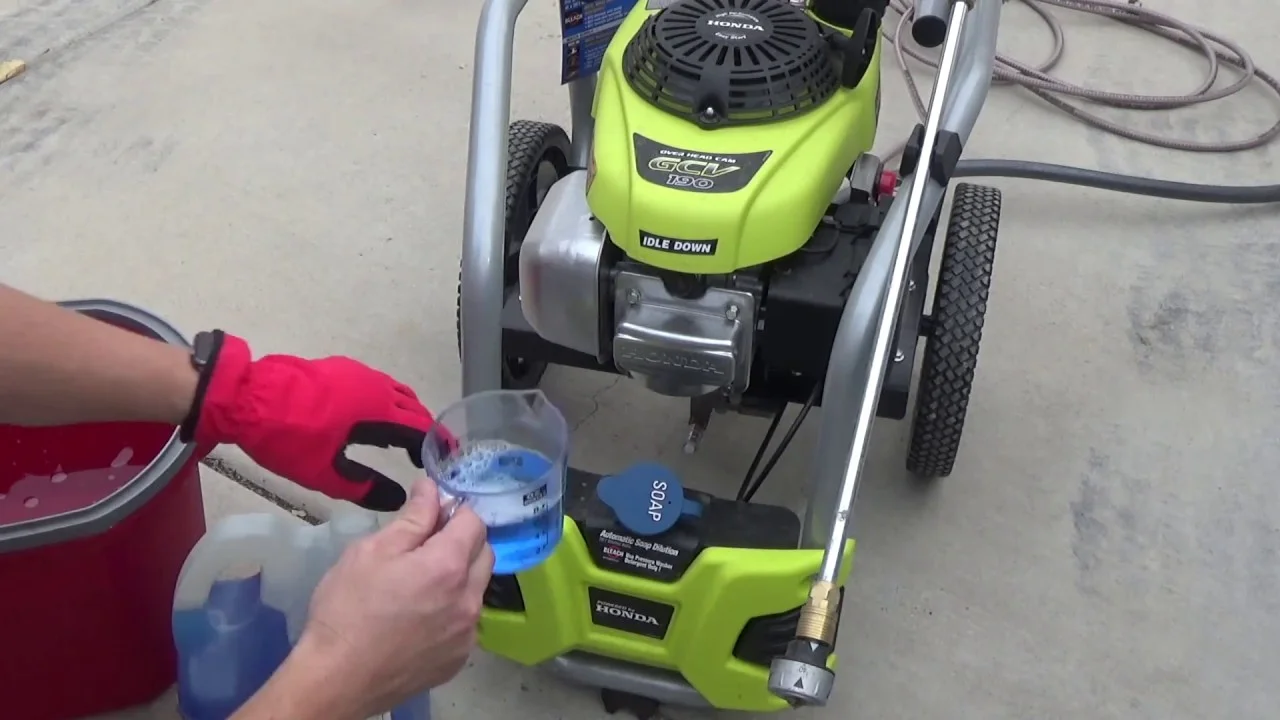
Dilute thick soaps with water according to instructions. This prevents clogging and ensures smooth application. Use a clean container to mix soap and water. Avoid over-diluting, which reduces cleaning strength.
Test the soap mixture on a small area first. Adjust dilution if the soap does not foam or clean well. Proper viscosity and dilution keep your pressure washer running smoothly.
Credit: www.youtube.com
Preparing Your Pressure Washer
Preparing your pressure washer is the first step to effective cleaning with soap. Proper setup ensures the soap mixes well and sprays evenly. It protects your machine and improves cleaning results. Follow simple steps to get your pressure washer ready for soap application.
Attaching The Soap Dispenser
Locate the soap dispenser on your pressure washer. It usually fits near the water outlet or on the spray gun. Connect the soap dispenser securely to avoid leaks. Make sure the soap tank is clean before adding detergent. Use the correct type of soap made for pressure washers. Tighten all connections by hand to prevent damage. Check for any cracks or wear on hoses and fittings.
Selecting The Proper Nozzle
Choose a nozzle designed for soap application. These nozzles have a larger spray angle and lower pressure. Avoid using high-pressure nozzles when applying soap. High pressure can reduce soap effectiveness and waste detergent. A 40-degree or soap nozzle works best. Attach the nozzle firmly to the spray gun. Test the spray pattern before starting to clean. Adjust the nozzle if the soap does not spray evenly.
Mixing Soap And Water
Mixing soap and water correctly is essential for effective cleaning with a pressure washer. The right mixture helps the soap spread evenly and work better on dirt and grime. It also protects your pressure washer from damage caused by thick or harsh detergents. Always follow the soap manufacturer’s instructions for best results. Using the proper soap-to-water ratio ensures smooth operation and efficient cleaning.
Recommended Dilution Ratios
Most pressure washer soaps require dilution before use. A common ratio is 1 part soap to 10 parts water. For heavily soiled surfaces, use a stronger mix like 1 to 5. For light cleaning, a weaker mix of 1 to 20 works well. Avoid using undiluted soap as it can clog the system. Always check the label on your detergent for specific instructions. Mixing the soap and water in a separate container helps achieve the right consistency.
Avoiding Soap Clogs
Thick or undiluted soap can block your pressure washer’s injector and hoses. Use a funnel to pour the mixture slowly into the soap tank. Clean the soap tank and hoses regularly to prevent buildup. Flush the system with clean water after each use to remove leftover soap. Avoid using soaps not designed for pressure washers. If clogging occurs, remove and rinse the injector and hose carefully. Keeping your soap mixture thin and clean helps maintain steady soap flow and pressure.
Applying Soap Effectively
Applying soap effectively with a pressure washer improves cleaning results and saves time. Proper technique ensures the soap clings to surfaces and breaks down dirt. Follow simple steps to maximize soap use and protect your equipment.
Using Low-pressure Settings
Always set your pressure washer to a low-pressure mode when applying soap. High pressure can spray soap away before it works. Low pressure lets the detergent soak into surfaces. Most pressure washers have a soap or detergent setting. Use it to avoid damaging the pump or surface.
Maintaining Proper Distance
Hold the spray wand at the right distance from the surface. Keep about 18 to 24 inches between the nozzle and the area. Too close can cause streaks or damage. Too far reduces soap effectiveness. Move the wand slowly to cover the area evenly with soap. This helps the detergent stick and work better.
Rinsing And Cleaning
Rinsing and cleaning are key steps after applying soap with a pressure washer. Proper rinsing removes soap residue and dirt, leaving surfaces clean. It also prevents streaks and damage to the surface. Knowing how to switch nozzles and use the right rinsing techniques ensures a spotless finish.
Switching To High-pressure Nozzle
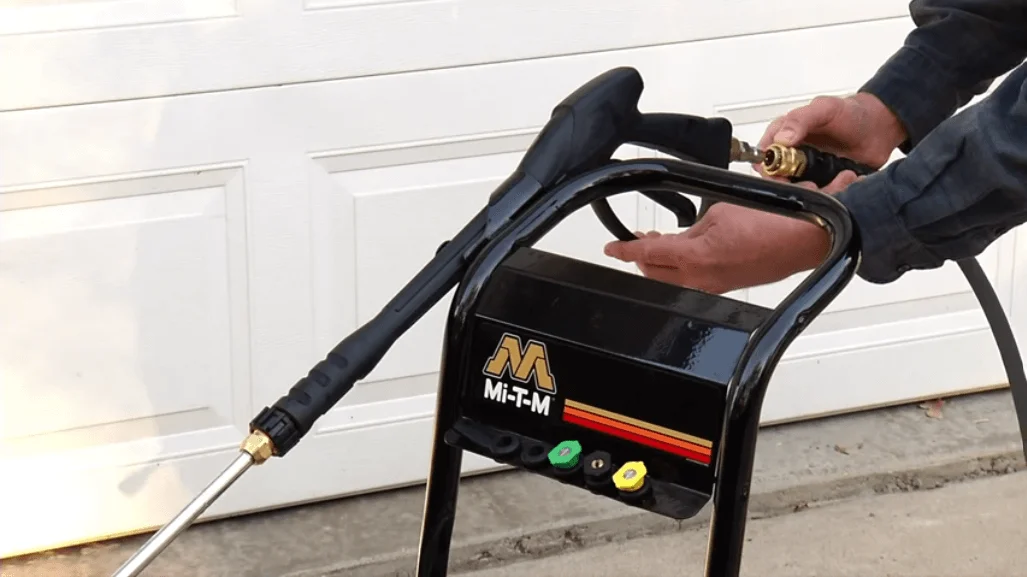
After soap application, change to a high-pressure nozzle. This nozzle uses less soap and more water pressure. It rinses off soap and grime quickly. Use a 25-degree or 15-degree nozzle for best results. Avoid using the soap nozzle during rinsing to prevent leftover soap. Always keep a steady distance from the surface to avoid damage.
Techniques For Thorough Rinsing
Begin rinsing from the top and work downward. This method washes dirt and soap off evenly. Use slow, even strokes to cover all areas. Overlap each stroke slightly for full coverage. Hold the nozzle at a 45-degree angle to improve cleaning. Rinse until the water runs clear and no soap remains. This careful approach helps protect surfaces and ensures cleanliness.
Credit: www.mitm.com
Preventing Common Issues
Preventing common issues is key to using soap with your pressure washer effectively. Simple maintenance steps keep your machine running smoothly. Avoiding clogs and leaks saves time and frustration. Focus on regular checks and cleanings for best results.
Checking For Clogs And Air Leaks
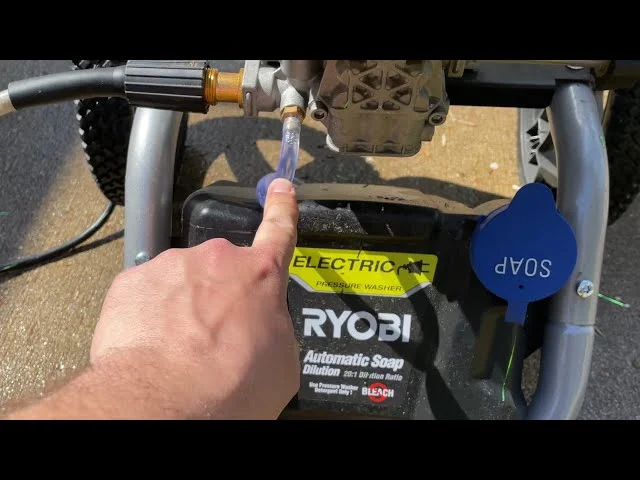
Clogs block soap flow and reduce cleaning power. Inspect the soap injector and inlet hose often. Remove debris by rinsing or using a small pick. Air leaks on the inlet side lower soap suction. Check all hose connections for tight seals. Replace any cracked or worn parts immediately. Use the correct nozzle size to prevent pressure loss. Thin down thick detergent to avoid blockages.
Cleaning Soap Injectors
Soap injectors can gather dirt and soap residue. Remove the injector from the pressure washer carefully. Soak it in warm water mixed with mild detergent. Use a soft brush to clear any buildup inside. Rinse thoroughly before reinstalling to ensure smooth soap flow. Regular cleaning extends injector life and improves performance. Perform this task after every few uses or when soap flow weakens.
Maintaining Your Equipment
Maintaining your pressure washer keeps it working well and lasts longer. Proper care helps avoid costly repairs and downtime. Clean equipment runs smoothly and applies soap effectively. Simple checks and timely part replacements protect your investment.
Regular Hose And Nozzle Inspection
Check hoses for cracks, leaks, or blockages before each use. Look for wear signs that reduce water flow and pressure. Inspect the nozzle tip for clogs or damage that affects soap application. Clean or replace nozzles to maintain spray quality. Clear debris to prevent soap dispenser problems.
Replacing Worn Parts
Replace hoses and nozzles at the first sign of damage. Worn parts lower cleaning power and can cause leaks. Use parts recommended by your pressure washer’s manufacturer. Change soap injectors if detergent flow becomes uneven. Keep spare parts handy for quick fixes and less downtime.
Credit: www.youtube.com
Safety Tips When Using Soap
Using soap with a pressure washer can improve cleaning results. Soap helps break down dirt and grime faster. Safety is important while handling soaps and detergents. Chemicals in soaps can irritate skin or damage surfaces. Follow safety tips to protect yourself and your surroundings.
Handling Chemicals Safely
Always read the soap label before use. Use only soaps made for pressure washers. Avoid mixing different chemicals together. Keep soaps away from children and pets. Store chemicals in a cool, dry place. Dispose of leftover soap according to instructions. If soap contacts your skin, wash it off immediately. Avoid inhaling soap fumes or sprays. Use the correct amount of soap to prevent damage.
Protective Gear Recommendations
Wear gloves to protect your hands from chemicals. Use safety goggles to shield your eyes from splashes. Long sleeves and pants protect your skin. Waterproof boots keep your feet dry and safe. Consider a mask if soap fumes are strong. Always keep a first aid kit nearby. Clean your protective gear after use to avoid contamination. Proper gear reduces the risk of injury and irritation.
Frequently Asked Questions
How Do You Get The Soap Dispenser To Work On A Pressure Washer?
To get the soap dispenser working on a pressure washer, check for clogs and clean the injector and inlet hose. Unseat the internal ball bearing with a thin tool while running the washer. Inspect hoses for air leaks and tighten fittings.
Use the correct nozzle and ensure detergent is not too thick.
Do I Pour Detergent Directly Into The Washer?
Do not pour detergent directly into the washer drum. Use the designated detergent compartment or soap dispenser for best results.
Can I Use Dawn Dish Soap In A Pressure Washer?
Yes, you can use Dawn dish soap in a pressure washer. Use it diluted and only with a low-pressure soap nozzle to avoid damage.
Why Is My Pressure Washer Not Drawing Soap From The Bottle?
Your pressure washer may not draw soap due to clogs in the injector or hose. Clean or unseat the ball bearing inside. Check for air leaks and tighten fittings. Ensure you use the correct nozzle and a suitable detergent consistency.
Replace the injector if needed.
How Do You Use Soap With A Pressure Washer?
Attach the soap nozzle or soap injector to the pressure washer. Fill the soap tank with detergent and spray on the surface.
Conclusion
Using soap with a pressure washer makes cleaning easier and faster. Always choose the right detergent and nozzle for best results. Rinse thoroughly after applying soap to avoid residue. Regularly check and clean the soap injector to keep it working well.
Simple steps like these help you clean surfaces effectively and safely. Keep practicing, and your pressure washer will serve you well.
