
Last Updated: March 20, 2026
Is your sink clogged, and you don’t have a plunger handy? Don’t worry—you don’t need fancy tools or expensive drain cleaners to fix it.
You can clear that stubborn blockage right now with simple, easy methods using things you probably already have at home. Imagine saving time, avoiding a costly plumber visit, and getting your sink flowing smoothly again—all by following a few straightforward steps.
Keep reading, and you’ll discover practical, proven ways to unclog your sink quickly and safely without a plunger. Your kitchen or bathroom will thank you!
Boiling Water Method
The boiling water method is a simple way to clear a clogged sink without a plunger. It uses hot water to dissolve grease, soap, and other debris blocking the drain. This method works best for minor clogs caused by buildup rather than solid objects.
Boiling water loosens and breaks down greasy substances that trap dirt. It also helps move the clog through the pipes and clears the way for water to flow freely again. This technique is quick, safe, and requires only common household items.
Prepare The Boiling Water
Start by boiling a full kettle or pot of water. Use enough water to create a strong flow down the drain. Be careful when handling the hot water to avoid burns.
Pour Boiling Water Into The Drain
Slowly pour the boiling water directly into the clogged sink drain. Do this in stages, allowing the water to work for a few seconds between pours. This helps break down grease and flushes away debris.
Repeat If Necessary
If the water drains slowly or not at all, repeat the boiling water pour two to three times. Give the hot water time to soften the clog with each attempt. Patience is key for this method to work.
Check The Drain Flow
After pouring boiling water several times, test the sink by running cold water. The drain should clear up, and water should flow smoothly. If the clog remains, try other unclogging methods.
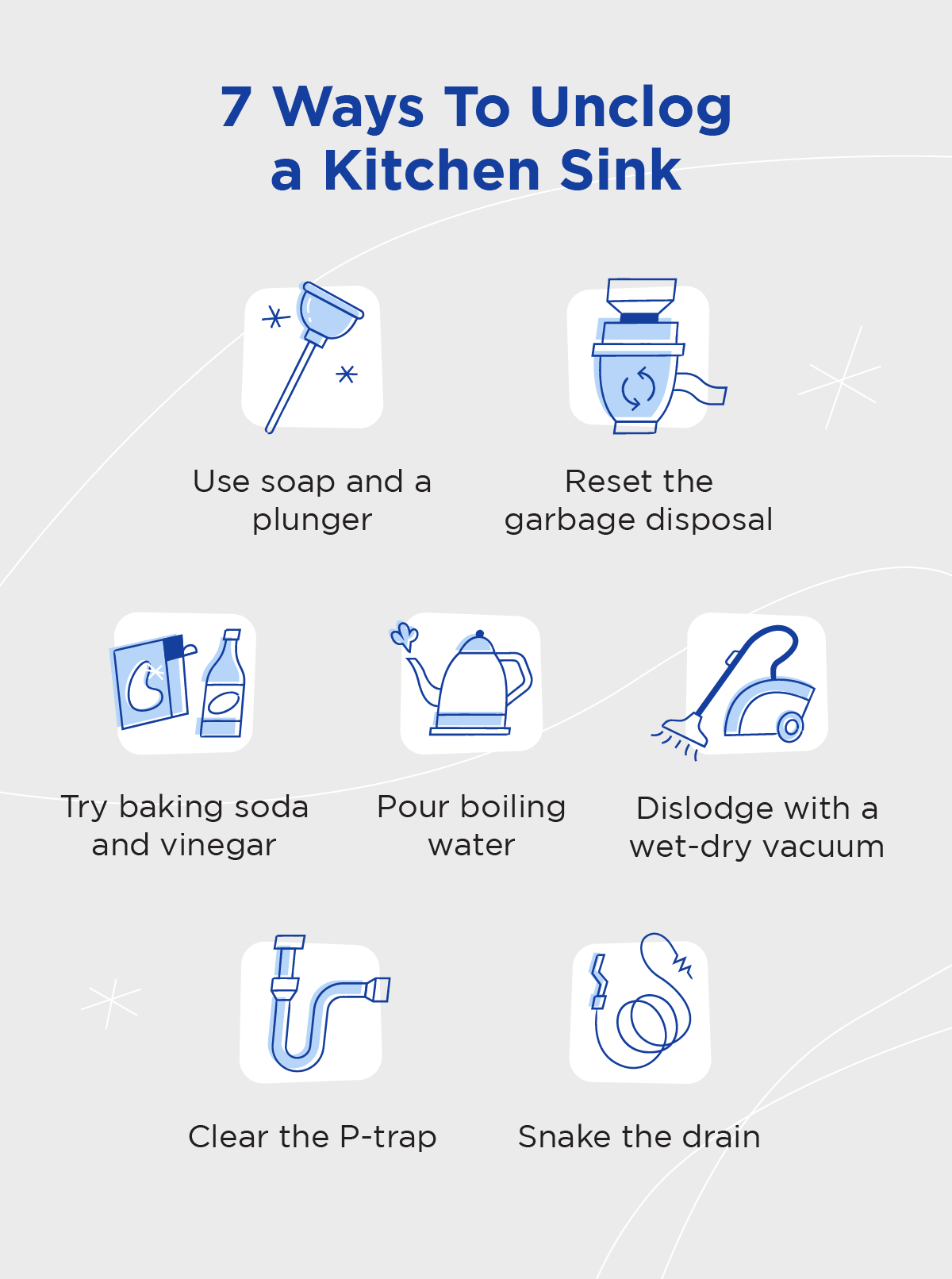
Credit: www.mrrooter.com
Baking Soda And Vinegar Mix
The baking soda and vinegar mix is a natural way to clear clogged sinks. It uses simple ingredients found in most homes. This method helps break down grease and grime blocking the drain. It also reduces bad odors and keeps pipes clean.
Using baking soda and vinegar does not require any special tools. It is safe for most plumbing systems and the environment. The fizzing reaction helps loosen the clog for easy removal. This makes it an effective alternative to harsh chemicals.
Gather Your Ingredients
Start with one cup of baking soda and one cup of white vinegar. Have a kettle of boiling water ready. These simple items form the base of the unclogging process. No extra chemicals or tools are needed.
Pour Baking Soda Down The Drain
Pour half a cup of baking soda directly into the sink drain. Try to get it as far down as possible. Let it sit for a few minutes. This allows the powder to coat the inside of the pipes.
Add Vinegar To Create A Reaction
Slowly pour one cup of white vinegar down the drain. The mixture will start to fizz and bubble. This reaction helps break apart the clog inside the pipe. Wait about 10 to 15 minutes for the process to work.
Flush With Boiling Water
After the fizzing stops, pour a kettle of boiling water down the drain. This flushes away the loosened debris. It also clears any remaining residue. Repeat if necessary for stubborn clogs.
Using Salt And Baking Soda
Using salt and baking soda is a natural, effective way to clear a clogged sink. This method avoids harsh chemicals and protects your pipes. Salt and baking soda work together to break down grime and grease that block drains.
Start by pouring salt down the drain. Salt helps scrub and loosen buildup inside the pipes. Then add baking soda, which reacts with the salt to create a gentle fizz. This fizz helps lift debris and clear the blockage.
Prepare The Drain
Remove any standing water from the sink. Use a cup or small container to scoop it out. This lets the salt and baking soda reach the clog directly. Make sure the drain opening is clear of debris.
Pour Salt And Baking Soda
Pour half a cup of salt down the drain. Follow with half a cup of baking soda. Let the mixture sit inside the drain for 15 to 30 minutes. This gives the ingredients time to work on the clog.
Flush With Hot Water
Boil a kettle of water. Slowly pour the hot water down the drain. The heat helps dissolve grease and flush out loosened debris. Repeat if needed until water drains freely.
Wire Hanger Tool
The wire hanger tool is a simple and effective way to clear a clogged sink. It uses a straightened wire to reach inside the drain. This tool can grab or break apart the blockage without chemicals or special equipment.
Most households have a wire hanger ready to use. It works by physically removing hair, food, and other debris causing the clog. Using a wire hanger is quick and low-cost.
Prepare The Wire Hanger
Find a wire coat hanger and straighten it out. Leave a small hook or bend at one end. This hook will help you catch the clog inside the drain.
Insert The Wire Into The Drain
Slowly push the hooked end down the drain opening. Move it gently to avoid scratching the pipe. Feel for resistance or blockage as you go deeper.
Dislodge And Remove The Clog
Twist and pull the wire to snag debris. Remove the wire carefully to keep the clog attached. Repeat the process until water flows freely again.
Enzymatic Drain Cleaners
Enzymatic drain cleaners offer a natural way to clear clogged sinks. These cleaners use enzymes and bacteria to eat away organic waste. This process breaks down hair, grease, and food particles.
Unlike harsh chemicals, enzymatic cleaners are safe for pipes and the environment. They work slowly but effectively. Regular use can prevent future clogs and keep drains fresh.
How Enzymatic Drain Cleaners Work
Enzymatic cleaners contain live bacteria and enzymes. They target organic materials causing clogs. The enzymes digest fats, proteins, and starches. Bacteria then consume the digested waste.
This process turns solid waste into liquid and gas. The waste flows easily through the pipes. It avoids pipe damage or corrosion.
Benefits Of Using Enzymatic Cleaners
These cleaners are non-toxic and safe for septic systems. They do not produce harmful fumes. Enzymatic cleaners maintain pipe health over time. They also reduce bad odors in drains.
Enzymatic cleaners work quietly and do not require scrubbing. They are ideal for regular maintenance. Their gentle action protects plumbing and the environment.
How To Use Enzymatic Drain Cleaners
Pour the recommended amount into the clogged drain. Use warm water to help activate the enzymes. Let the cleaner sit for several hours or overnight. Avoid using the sink during this time.
Flush the drain with hot water after the waiting period. Repeat the process if needed for stubborn clogs. Follow product instructions for best results.
Wet/dry Vacuum Technique
The wet/dry vacuum technique offers a practical way to clear a clogged sink without a plunger. This method uses a vacuum to create suction, pulling the blockage free. It works well for clogs near the drain opening. A wet/dry vacuum is powerful enough to remove dirt, hair, and small debris.
This approach is safe and easy to try at home. It requires minimal tools and no harsh chemicals. The vacuum can be used both wet and dry, making it versatile for sink clogs. It is an excellent alternative when a plunger is not available.
Preparing The Wet/dry Vacuum
First, set up the wet/dry vacuum for liquid pickup. Remove any solid debris from the vacuum filter. Check that the vacuum hose fits tightly over the drain opening. Seal the connection with a wet cloth or duct tape to create strong suction. Turn off the sink faucet to avoid adding water during the process.
Using The Vacuum To Remove The Clog
Switch the vacuum to the liquid setting or wet mode. Turn the vacuum on and let it run for one to two minutes. The suction will pull the clog toward the vacuum hose. Keep the hose sealed around the drain for the best suction. If the clog loosens, you may hear debris being sucked into the vacuum.
Finishing Up And Testing
After vacuuming, turn off the vacuum and remove the hose carefully. Run hot water down the sink for several minutes. Check if the water drains smoothly and quickly. Repeat the vacuum process if the clog persists. Clean the vacuum filter and hose after use to maintain performance.
Manual Debris Removal
Manual debris removal is a simple way to clear a clogged sink without tools like a plunger. It involves physically taking out the blockage causing the slow drainage. This method works well for sinks clogged by hair, food scraps, or soap buildup.
Start by preparing some basic items. You will need gloves, a flashlight, and a wire or a similar tool. These help you see and reach inside the drain to pull out the debris.
Gather Necessary Tools And Materials
Wear rubber gloves to protect your hands from dirt and germs. Use a flashlight to look inside the drain clearly. Find a thin, flexible wire or a straightened coat hanger to reach blockages deep inside.
Access The Drain And Locate The Clog
Remove the drain cover or stopper carefully. Shine the flashlight into the drain to spot the clog. Look for hair strands, food pieces, or other visible debris blocking the flow.
Remove Debris Using A Wire Hook
Bend one end of the wire into a small hook shape. Insert the hooked wire gently into the drain. Move it around slowly to catch and pull out the clog material. Repeat this until the drain clears.
Flush The Drain With Hot Water
After clearing the debris, pour hot water down the drain. This helps wash away any leftover particles. Hot water also warms the pipes and improves drainage speed.
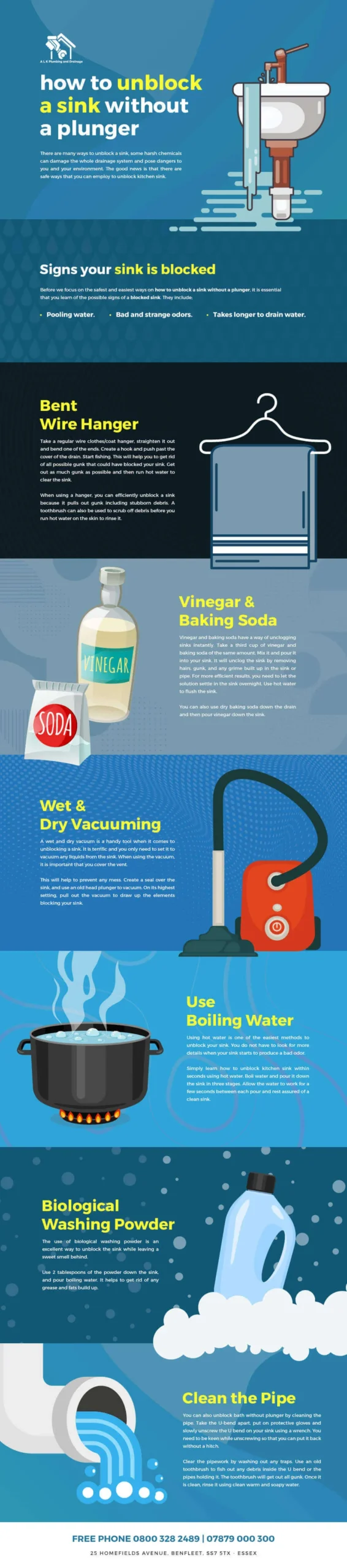
Credit: leblancinterior.com
Preventing Future Clogs
Preventing future clogs is the best way to keep your sink flowing smoothly. Simple habits can stop blockages before they start. Regular care protects pipes and saves time and money on repairs.
Small changes in how you use your sink make a big difference. Avoiding common clog causes keeps drains clear and working well.
Use Sink Strainers
Sink strainers catch food, hair, and debris. They stop solids from going down the drain. Clean the strainer often to keep it effective.
Avoid Pouring Grease Down The Drain
Grease hardens inside pipes and causes clogs. Pour grease into a container and throw it in the trash. This stops buildup in your drain.
Dispose Of Food Waste Properly
Do not wash large food scraps down the sink. Use a compost bin or trash can. This reduces the risk of clogging your pipes.
Flush Drains Regularly With Hot Water
Pour hot water down your drain once a week. This helps dissolve soap and grease buildup. It keeps pipes clear and prevents slow drains.
Use Natural Drain Cleaners
Mix baking soda and vinegar to clean your drain monthly. This natural method breaks down clogs without harsh chemicals. It keeps your pipes healthy.
:max_bytes(150000):strip_icc()/how-to-unclog-a-kitchen-sink-2718799_sketch_FINAL-6d86f43bcb464f8ca5b61f240c2d8bf9.png)
Credit: www.thespruce.com
Frequently Asked Questions
How Can I Unblock My Sink Without A Plunger?
Unblock your sink by pouring boiling water, then baking soda and vinegar. Flush again with boiling water. Use a straightened wire hanger to remove debris. Repeat if needed. Enzymatic cleaners or a wet/dry vacuum can help for stubborn clogs.
How Do You Unclog A Sink Quickly?
Pour boiling water down the drain to loosen debris. Add baking soda, then vinegar, and wait 15 minutes. Flush with more boiling water. Use a straightened wire hanger to dislodge visible clogs. Repeat if needed for a quick sink unclog.
How Do You Unclog A Sink With Standing Water?
Pour boiling water down the drain to loosen debris. Add baking soda, then vinegar, and wait 15 minutes. Flush again with boiling water. Use a straightened wire hanger to dislodge visible clogs. Repeat as needed or try an enzymatic cleaner for stubborn blockages.
Is It Okay To Pour Boiling Water Down The Drain?
Pouring boiling water down the drain can help dissolve grease and minor clogs. Avoid doing this with PVC pipes or old plumbing, as it may cause damage. Use boiling water cautiously and consider safer alternatives like baking soda and vinegar for stubborn blockages.
How Can I Unclog A Sink Without A Plunger?
Use baking soda and vinegar, then flush with boiling water to clear most clogs easily.
Conclusion
Unclogging a sink without a plunger is simple and effective. Use household items like baking soda, vinegar, and boiling water. A wire hanger can also help remove tough clogs. These methods save time and money. Regular maintenance keeps your sink flowing smoothly.
Try these easy steps before calling a plumber. Clean drains make daily tasks easier and more pleasant. Keep your kitchen or bathroom sink free from blockages with these tips. A little effort goes a long way in preventing future clogs.
Related reading: How to Unclog a Toilet Without a Plunger.
Related reading: How to Remove Chair Cylinder Without a Pipe Wrench.
{ “@context”: “https://schema.org”, “@type”: “Article”, “headline”: “How to Unclog a Sink Without a Plunger: Easy DIY Fixes”, “description”: “Learn how to unclog a sink without a plunger by using simple methods like baking soda, vinegar, or manual removal to clear blockages effectively.”, “url”: “https://www.powertoolstoday.com/how-to-unclog-a-sink-without-a-plunger/”, “datePublished”: “2025-11-26”, “dateModified”: “2026-03-18”, “author”: { “@type”: “Organization”, “name”: “Power Tools Today”, “url”: “https://www.powertoolstoday.com” }, “publisher”: { “@type”: “Organization”, “name”: “Power Tools Today”, “url”: “https://www.powertoolstoday.com” }, “mainEntityOfPage”: { “@type”: “WebPage”, “@id”: “https://www.powertoolstoday.com/how-to-unclog-a-sink-without-a-plunger/” }, “image”: { “@type”: “ImageObject”, “url”: “https://www.powertoolstoday.com/wp-content/uploads/2025/11/how-to-unclog-a-sink-without-a-plunger.webp” } }nnnn