
Last Updated: March 21, 2026
Are your hedges looking untidy or overgrown? Using a hedge trimmer can quickly transform your garden, giving it a clean, professional look without the cost of a landscaper.
But if you’ve never used one before, it might feel a bit intimidating. Don’t worry—you’re about to learn simple, clear steps to handle a hedge trimmer safely and effectively. By the end of this guide, you’ll have the confidence to shape your bushes like a pro, save time, and keep your outdoor space looking sharp all year round.
Ready to take control of your garden? Let’s get started!
Choosing The Right Hedge Trimmer
Choosing the right hedge trimmer is key to making hedge trimming easy and safe. The right tool matches your hedge size and your comfort level. It also fits the type of work you plan to do. Picking the right trimmer saves time and effort.
Types Of Hedge Trimmers
There are three main types of hedge trimmers. Gas-powered trimmers are strong and good for large jobs. Electric trimmers are lighter and quieter. Battery-powered trimmers offer freedom from cords and are easy to use.
Blade Length And Design
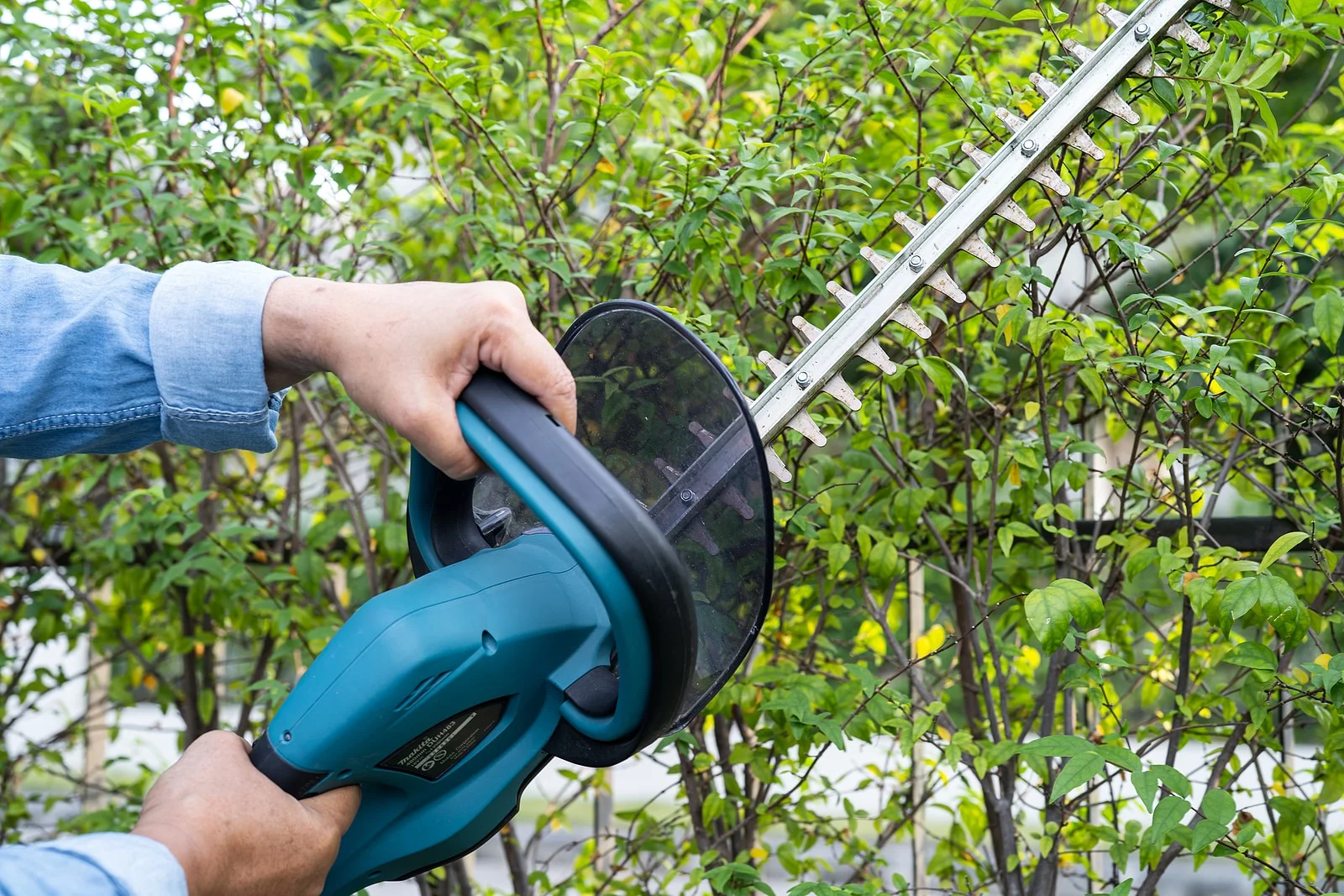
Blade length affects how much you can cut at once. Short blades work well for small, detailed trimming. Long blades cut bigger hedges faster. Some blades have dual edges for quicker cuts, while others have single edges for safety.
Weight And Ergonomics
Choose a trimmer you can hold comfortably for long periods. Lightweight models reduce arm strain. Look for handles that are easy to grip and allow good control. Good balance helps to avoid fatigue and makes trimming easier.
Power And Performance
Power depends on the motor or engine size. More power helps cut thick branches easily. Less power is fine for light trimming. Make sure the trimmer fits the thickness and type of your hedges.
Safety Features
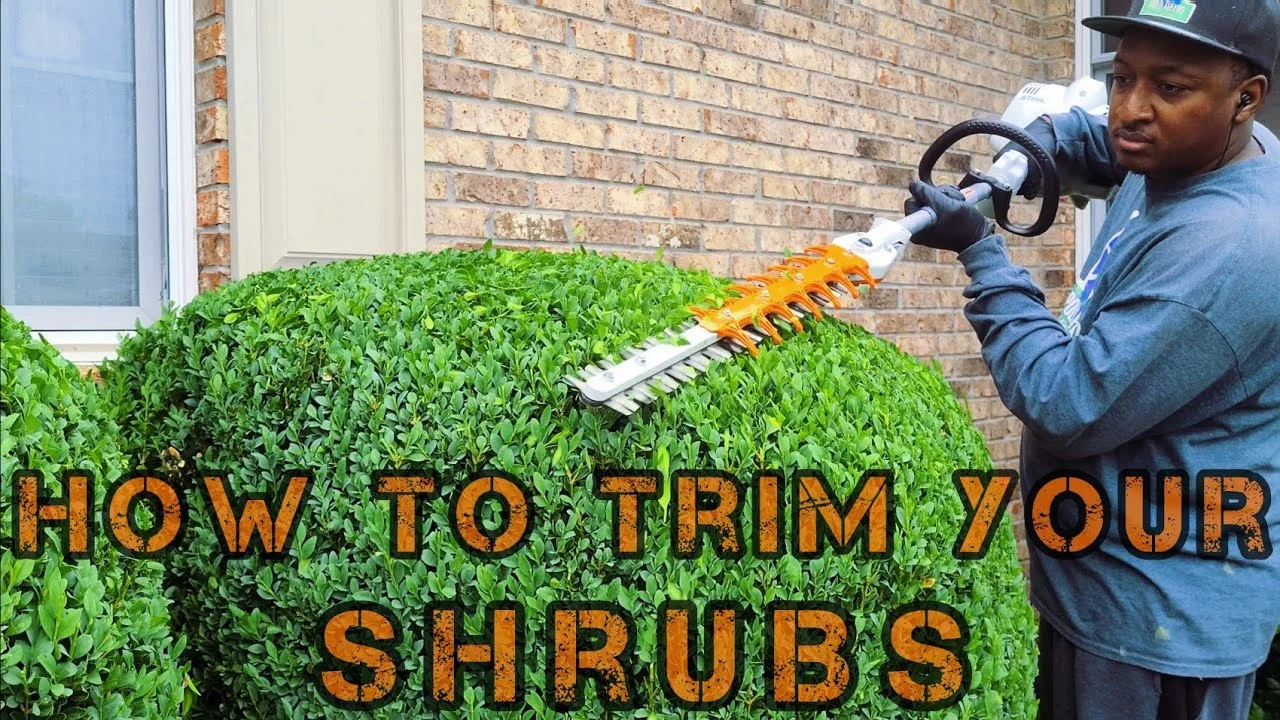
Safety is crucial with any hedge trimmer. Look for models with blade guards and safety switches. Some trimmers have automatic shut-off features. These help prevent accidents and make trimming safer.
Credit: www.youtube.com
Preparing For Safe Trimming
Preparing for safe trimming is the first step to use a hedge trimmer correctly. Safety helps prevent accidents and keeps your work smooth and efficient.
Before starting, check your hedge trimmer and the area around you. Wear the right clothing and protective gear. Clear away any obstacles that might cause trips or falls.
Inspect Your Hedge Trimmer
Look for damaged or loose parts on the trimmer. Make sure the blades are sharp and clean. Check the power cord or battery level. A well-maintained tool works better and safer.
Wear Protective Gear
Put on safety glasses to protect your eyes from flying debris. Wear gloves to keep a firm grip and protect your hands. Use ear protection if your trimmer is loud. Closed-toe shoes and long pants protect your legs and feet.
Clear The Work Area
Remove stones, sticks, and other objects from the trimming zone. Check for pets and children nearby. Make sure no one is in your trimming path. This prevents accidents and damage to the trimmer.
Plan Your Trimming Path
Decide which part of the hedge to trim first. Start trimming from the bottom and move upwards. Keep a steady pace to avoid mistakes. Planning helps you work safely and finish faster.
Basic Trimming Techniques
Basic trimming techniques are the foundation of neat, healthy hedges. Using a hedge trimmer correctly improves the shape and growth of your bushes. These simple steps help you trim evenly and safely.
Practicing good techniques prevents damage to plants and saves time. Focus on smooth, steady movements. Keep your trimmer blade clean and sharp for the best results.
Start With The Base
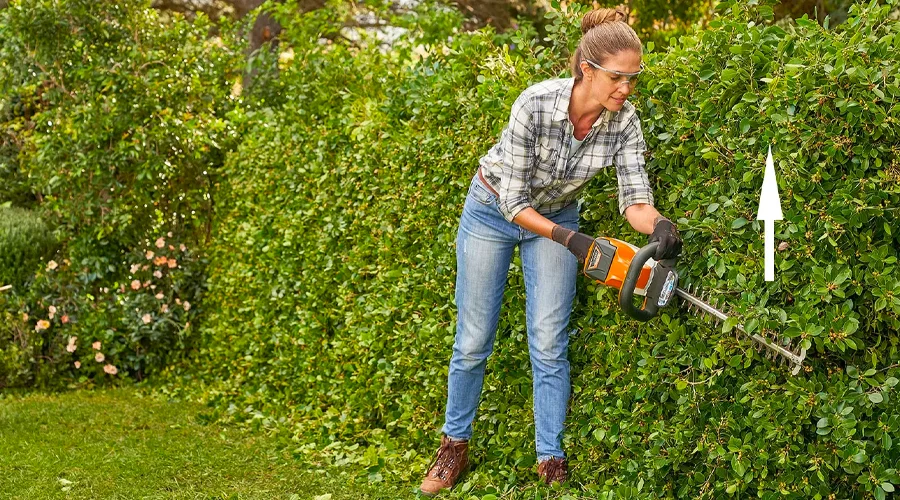
Begin trimming at the bottom of the hedge. Move the trimmer gently along the base. This creates a strong foundation and prevents overcutting.
Trim upwards slowly, following the natural shape of the bush. Avoid cutting too deep to protect new growth.
Use Horizontal And Vertical Strokes
Cut horizontally to shape the sides of your hedge. Use vertical strokes to smooth out rough edges and top growth. Combine both for a balanced look.
Keep the trimmer blade level and steady. This helps maintain straight lines and avoids uneven cuts.
Maintain A Slight Angle
Hold the trimmer at a slight angle. This allows light to reach all parts of the hedge. Angled cuts improve air circulation and plant health.
A small forward tilt helps water run off the leaves. This reduces the risk of disease and keeps hedges fresh.
Credit: www.hirepool.co.nz
Shaping Your Hedges
Shaping your hedges gives your garden a neat, tidy look. It also helps keep plants healthy and strong. A hedge trimmer makes this task faster and easier. Follow simple steps for even, beautiful shapes.
Start by deciding the shape you want. Common shapes include flat tops, rounded edges, or tapered sides. Use steady, smooth movements with the trimmer. Avoid cutting too deep to keep the hedge dense.
Preparing Your Hedge For Trimming
Clear away any loose branches or debris. Check your hedge for damaged or dead growth. Remove these parts by hand first. This makes trimming smoother and safer. Wear gloves and eye protection before starting.
Trimming Techniques For Different Shapes
For flat tops, hold the trimmer level and move side to side. Use slow, even strokes to cut the top evenly. For rounded shapes, use curved motions with the trimmer. Keep the base wider than the top. This helps sunlight reach all leaves.
Maintaining An Even Hedge Surface
Step back often to check your work. Look for uneven spots or stray branches. Trim these areas carefully to create a smooth surface. Use a measuring stick or string as a guide if needed.
Aftercare For Your Shaped Hedges
Clean your hedge trimmer blades after use. Water your hedges well to reduce stress. Add mulch around the base to keep soil moist. Regular trimming every few months keeps hedges healthy and attractive.
Trimming Different Hedge Types
Different hedges need different trimming methods. Knowing how to trim each type helps keep them healthy and neat. Some hedges grow fast and need frequent trimming. Others grow slowly and only need light shaping. Using the right technique for each hedge type makes your work easier and your garden look better.
Trimming Evergreen Hedges
Evergreen hedges keep their leaves all year. Trim them in spring or early summer. Use smooth, even strokes for a clean shape. Avoid cutting into old wood without leaves. It may not grow back. Keep the base wider than the top to let sunlight reach all parts.
Trimming Flowering Hedges
Flowering hedges need care to keep blooming. Trim after flowers fade, not before. Cut lightly to keep flower buds safe. Remove dead or damaged branches first. Shape the hedge gently to keep its natural look. Don’t cut too deep or you lose blooms next season.
Trimming Deciduous Hedges
Deciduous hedges lose leaves in fall. Trim them late winter or early spring. Cut hard to shape and encourage new growth. Remove old branches to keep the hedge healthy. Use sharp blades for clean cuts. Avoid trimming in wet weather to stop disease.
Maintaining Your Hedge Trimmer
Maintaining your hedge trimmer is key for safe and effective trimming. Proper care keeps the tool sharp and running smoothly. It also extends the life of your trimmer and saves money on repairs.
Regular maintenance means less downtime and better hedge shaping results. Follow simple steps to keep your hedge trimmer in top condition after every use.
Cleaning The Blades
Remove dirt and sap from the blades after each use. Use a brush or cloth to wipe away debris. Apply a light oil to prevent rust and keep blades moving freely. Clean blades cut better and reduce wear.
Sharpening The Blades
Dull blades tear branches instead of cutting cleanly. Sharpen blades with a flat file or sharpening stone. Follow the blade’s angle and file carefully. Sharpen both sides evenly for balanced cutting power.
Checking The Power Source
Inspect batteries for damage and charge fully before use. For petrol models, check fuel levels and clean air filters. Replace spark plugs yearly. Proper power source care ensures reliable starts and longer engine life.
Lubricating Moving Parts
Apply lubricant to pivot points and the blade mechanism. Use manufacturer-recommended oil or grease. Lubrication lowers friction and prevents parts from wearing out quickly. Wipe off excess oil to avoid attracting dirt.
Storing Your Hedge Trimmer Safely
Store the trimmer in a dry place, away from moisture. Cover blades with a protective sheath or guard. Keep out of reach of children and pets. Proper storage prevents damage and keeps your tool ready for use.
Troubleshooting Common Issues
Troubleshooting common issues with a hedge trimmer helps keep your tool working well. Problems can slow down your work or cause damage. Knowing how to fix these problems saves time and effort. This section explains simple fixes for frequent hedge trimmer issues. Follow these tips to maintain safety and efficiency while trimming.
Checking For Blade Dullness Or Damage
Dull blades cut poorly and strain the motor. Inspect blades for nicks or bends before each use. Use a sharpening file or replace blades if damaged. Clean blades after trimming to prevent rust and buildup. Well-maintained blades improve cutting performance and extend tool life.
Solving Starting Problems
Starting issues often stem from fuel or battery problems. For gas trimmers, check the fuel level and use fresh fuel. Clean or replace the spark plug if needed. Electric trimmers need a fully charged battery and clean contacts. Following these steps ensures smooth starts every time.
Handling Overheating Issues
Overheating can damage the motor and reduce tool lifespan. Avoid running the trimmer continuously for long periods. Take breaks to let the motor cool down. Clean air vents and remove debris blocking airflow. Proper cooling keeps your hedge trimmer running safely.
Fixing Uneven Cutting
Uneven cuts may result from dull blades or poor technique. Keep blades sharp and aligned properly. Hold the trimmer steady and move it evenly across the hedge. Trim slowly to maintain control and achieve a uniform shape. Practice ensures clean, professional-looking results.
Dealing With Power Loss
Power loss can happen due to clogged blades or weak batteries. Stop trimming and clear any debris stuck in the blades. For battery models, recharge or swap the battery. For gas models, check fuel lines and filters. Regular maintenance prevents unexpected power drops.
Credit: simsgardenmachinery.co.uk
Tips For Perfect Hedge Appearance
Achieving a perfect hedge appearance takes some skill and care. Proper trimming helps your hedges look neat and healthy. Follow these simple tips to get clean, even shapes and maintain strong growth.
Choose The Right Time To Trim
Trim hedges during dry weather to avoid disease. Early spring or late summer works best. Avoid trimming during heavy rain or extreme heat.
Use Sharp And Clean Tools
Keep your hedge trimmer blades sharp. Dull blades cause ragged cuts and harm the plant. Clean blades prevent spreading pests and diseases.
Start From The Bottom
Begin trimming at the bottom of the hedge. Move the trimmer upward in smooth, even strokes. This method gives better control and a uniform shape.
Maintain A Slight Taper
Trim the hedge wider at the bottom than the top. This shape allows sunlight to reach all leaves. It keeps the hedge healthy and full.
Trim Regularly For Best Results
Frequent trimming encourages dense growth and a tidy look. Remove new shoots before they grow too long. Set a schedule based on your hedge type.
Step Back And Check Your Work
Pause often to view the hedge from a distance. Look for uneven spots or sharp edges. Make small corrections to keep the shape balanced.
Frequently Asked Questions
How To Use Hedge Trimmers For Beginners?
Hold the hedge trimmer firmly with both hands. Stand steady with feet shoulder-width apart. Start trimming from the bottom, moving upward. Use smooth, even strokes to shape hedges. Keep blades clean and sharp for best results. Wear safety gear to protect yourself.
How Do You Trim Hedges For Beginners?
Hold the trimmer with both hands and stand firm. Start trimming from the bottom, moving upwards. Shape evenly and avoid cutting too much. Regularly clear debris and wear protective gear. Practice gentle, steady movements for neat, healthy hedges.
How To Use A Hedge Trimmer On Bushes?
Hold the hedge trimmer with both hands and stand firmly. Start trimming from the bottom, moving upwards in smooth strokes. Shape bushes evenly by following their natural form. Avoid cutting too deep to keep plants healthy. Always wear safety gear while trimming.
What Is The Difference Between A Hedge Cutter And A Hedge Trimmer?
A hedge cutter handles thicker branches and heavy trimming. A hedge trimmer suits precise, regular shaping of hedges and bushes.
How Do You Safely Start Using A Hedge Trimmer?
Always wear gloves and eye protection. Check the trimmer for damage before use. Hold it firmly with both hands.
Conclusion
Using a hedge trimmer makes garden care simple and fast. Always wear safety gear to protect yourself. Move the trimmer smoothly for even cuts. Regular trimming keeps your hedges healthy and neat. Take your time and work carefully. Enjoy your beautiful, well-shaped garden every day.
With practice, trimming will become easier and more fun. Keep your tools clean and sharp for best results.
Related reading: How to Sharpen a Lawn Mower Blade With a Bench Grinder.
Related reading: Why Won’t My Chainsaw Start.
{ “@context”: “https://schema.org”, “@type”: “Article”, “headline”: “How to Use a Hedge Trimmer: Essential Tips for Perfect Hedges”, “description”: “Learn how to use a hedge trimmer to efficiently shape and maintain hedges with proper techniques and safety guidelines for optimal results.”, “url”: “https://www.powertoolstoday.com/how-to-use-a-hedge-trimmer-2/”, “datePublished”: “2025-12-12”, “dateModified”: “2026-03-18”, “author”: { “@type”: “Organization”, “name”: “Power Tools Today”, “url”: “https://www.powertoolstoday.com” }, “publisher”: { “@type”: “Organization”, “name”: “Power Tools Today”, “url”: “https://www.powertoolstoday.com” }, “mainEntityOfPage”: { “@type”: “WebPage”, “@id”: “https://www.powertoolstoday.com/how-to-use-a-hedge-trimmer-2/” }, “image”: { “@type”: “ImageObject”, “url”: “https://www.powertoolstoday.com/wp-content/uploads/2025/12/How-to-Use-a-Hedge-Trimmer-1024×576.webp” } }{ “@context”: “https://schema.org”, “@type”: “Article”, “headline”: “How to Use a Hedge Trimmer: Essential Tips for Perfect Hedges”, “description”: “Learn how to use a hedge trimmer to efficiently shape and maintain hedges with proper techniques and safety guidelines for optimal results.”, “url”: “https://www.powertoolstoday.com/how-to-use-a-hedge-trimmer-2/”, “datePublished”: “2025-12-12”, “dateModified”: “2026-03-19”, “author”: { “@type”: “Organization”, “name”: “Power Tools Today”, “url”: “https://www.powertoolstoday.com” }, “publisher”: { “@type”: “Organization”, “name”: “Power Tools Today”, “url”: “https://www.powertoolstoday.com” }, “mainEntityOfPage”: { “@type”: “WebPage”, “@id”: “https://www.powertoolstoday.com/how-to-use-a-hedge-trimmer-2/” }, “image”: { “@type”: “ImageObject”, “url”: “https://www.powertoolstoday.com/wp-content/uploads/2025/12/How-to-Use-a-Hedge-Trimmer-1024×576.webp” } }nnnn