
Last Updated: March 26, 2026
If you’ve ever faced the challenge of joining materials quickly and securely, a rivet gun might just become your new best friend. But how do you actually use this handy tool to get strong, lasting connections?
Whether you’re working with metal, wood, or plastic, mastering the rivet gun can save you time and effort on your projects. In this guide, you’ll discover simple, step-by-step instructions that anyone can follow—even if you’ve never picked up a rivet gun before.
Ready to learn the secrets to making professional-quality joints with ease? Keep reading, and you’ll be rivet-ready in no time.
Credit: prostereu.com
Types Of Rivet Guns
Rivet guns come in different types to suit various tasks and materials. Knowing the right type helps you work faster and better. Each rivet gun works in a unique way and fits specific rivet sizes. Choose one that matches your project needs for the best results.
Manual Rivet Guns
Manual rivet guns are simple and easy to use. They work by squeezing handles to pull the rivet stem. These guns are light and best for small jobs. They need hand strength but offer good control. Ideal for home repairs and light craftwork.
Electric Rivet Guns
Electric rivet guns use a motor to pull the rivet stem. They save time and reduce hand fatigue. These guns work well for medium to large projects. They are faster than manual guns and need less effort. Perfect for frequent use and bigger jobs.
Pneumatic Rivet Guns
Pneumatic rivet guns run on compressed air. They deliver strong, fast pulling power. These guns handle heavy-duty tasks with ease. Common in factories and professional workshops. They require an air compressor to function properly.
Hydraulic Rivet Guns
Hydraulic rivet guns use fluid pressure for maximum force. They are powerful and precise. These guns are ideal for thick or tough materials. Often used in industrial and automotive work. They need a hydraulic pump to operate.
Choosing The Right Rivets
Choosing the right rivets is crucial for a strong and lasting hold. The rivet must fit the materials and the tool perfectly. Using the wrong rivet can cause weak joints or damage the project.
Different projects need different types of rivets. Understanding these types helps you pick the best one for the job. Size, material, and style all matter for the right choice.
Types Of Rivets
Pop rivets are common for light and medium tasks. They work well on thin metals and plastics. Solid rivets are stronger and used in heavy-duty jobs. Drive rivets fit well in soft materials like wood or plastic.
Rivet Material Options
Aluminum rivets are lightweight and resist rust. Steel rivets offer high strength but may rust without coating. Stainless steel rivets resist corrosion and are good for outdoor use. Copper rivets work well with softer metals.
Choosing The Right Size
The rivet diameter should match the hole size closely. Too small and the rivet won’t hold well. Too large and it may damage the material. The length must be enough to go through both pieces with some extra.
Considering The Project Type
For metal sheets, use steel or aluminum rivets. Plastic parts fit better with pop rivets. Heavy machinery needs solid rivets for strength. Outdoor projects benefit from stainless steel for weather resistance.
Matching Rivets To Your Rivet Gun
Check your rivet gun’s specifications before buying rivets. Not all guns work with every rivet size or type. Using compatible rivets ensures smooth operation and better results.
Preparing Materials And Work Area
Preparing materials and your work area is the first step in using a rivet gun safely and effectively. A clean and organized space helps you work faster and reduces mistakes. It also protects your materials and tools from damage.
Gather all the materials you need before starting. This includes the rivet gun, rivets of the correct size, and the pieces you want to join. Check that the rivet size matches the thickness of the materials. Using the wrong size can cause weak joints or damage.
Clear your workbench or surface of any clutter. Make sure you have enough light to see the materials and tools clearly. Keep a container nearby to hold used rivet stems. This keeps the area tidy and prevents accidents.
Check Rivet Size And Type
Select rivets suitable for your project. Different materials require different rivet types. Aluminum rivets work well for light materials. Steel rivets are stronger for heavy-duty jobs. Confirm the rivet length matches the combined thickness of the materials.
Prepare Materials For Riveting
Align the materials carefully. Mark the spots where you will place the rivets. Use a drill to make holes slightly larger than the rivet diameter. Clean the holes from dust and debris to allow smooth rivet insertion. Proper hole size ensures a tight and secure fit.
Organize Your Work Area
Find a flat, stable surface to work on. Arrange your tools and materials within easy reach. Make sure your rivet gun is in good condition and fully functional. Wear safety glasses to protect your eyes from flying debris. Good preparation saves time and ensures safety.
Step-by-step Rivet Gun Operation
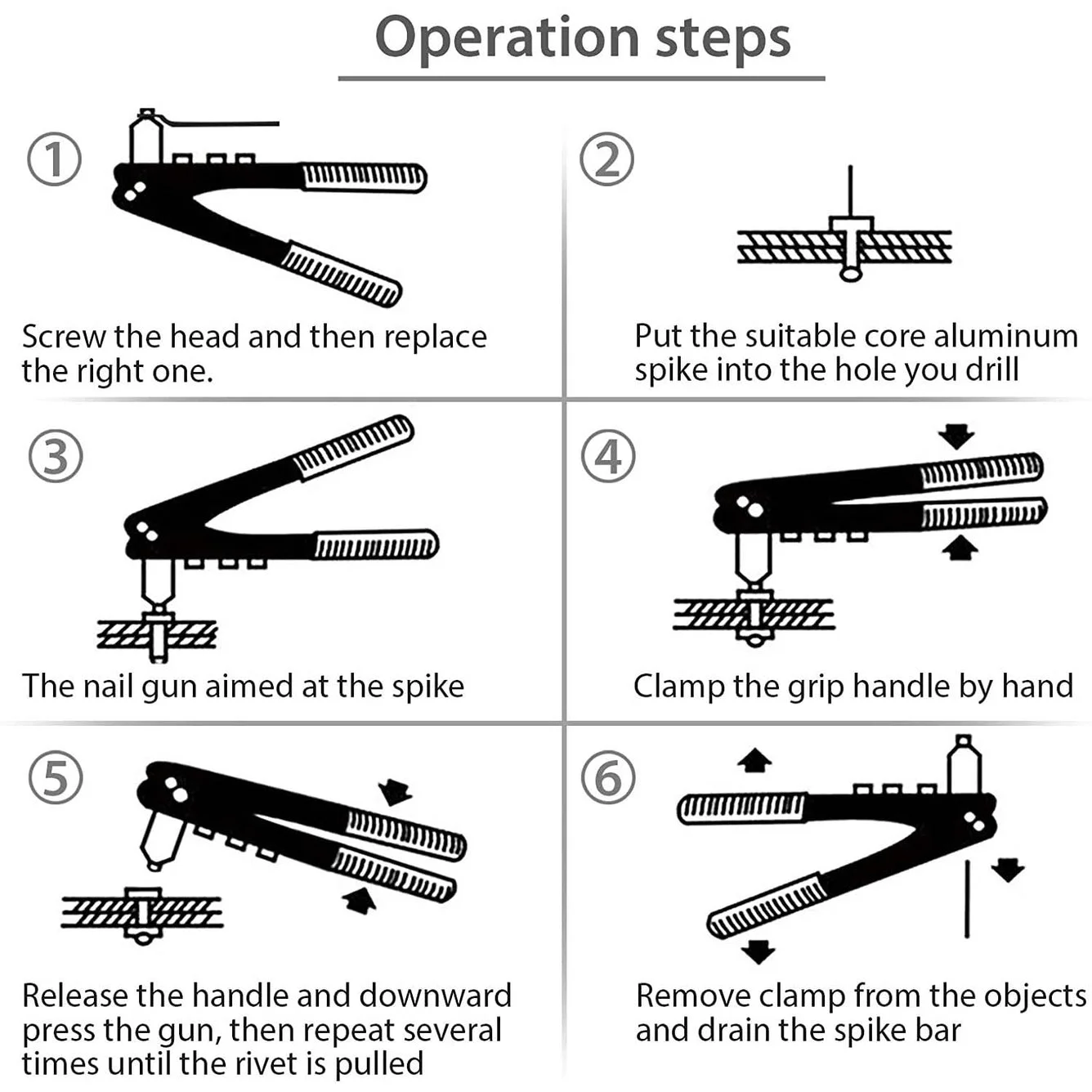
Using a rivet gun is a simple process that anyone can learn. Follow clear steps to join materials tightly and securely. This guide breaks down the rivet gun operation into easy actions. Each step helps you understand the tool better. Read on to see how to use a rivet gun correctly and safely.
Prepare The Rivet Gun And Materials
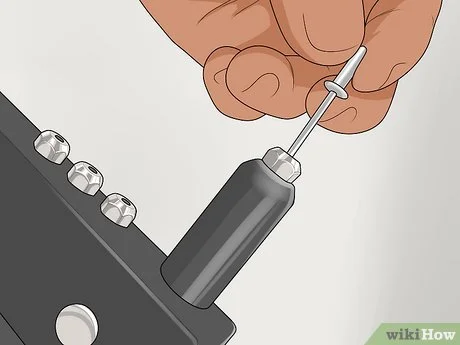
Choose the right rivet size for your project. Insert the rivet into the gun’s nozzle. Align the materials you want to join. Drill a hole slightly larger than the rivet diameter. Clean any debris around the hole.
Insert The Rivet Into The Hole
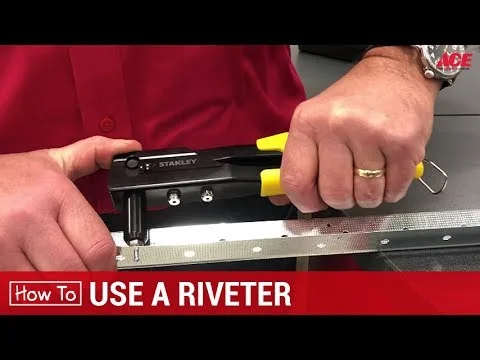
Place the rivet’s long end through the hole. Ensure the rivet head sits flush on the surface. Hold the materials firmly to avoid movement. Position the rivet gun nozzle over the rivet stem.
Squeeze The Rivet Gun Handles
Grip the handles and squeeze them slowly. Pull the rivet stem into the gun. The rivet body expands inside the hole. Keep squeezing until the stem snaps off. This ensures a tight, permanent bond.
Remove The Broken Rivet Stem
Release the handles after the stem breaks. Pull the gun away from the rivet. Check that the rivet head is secure. Dispose of the leftover stem safely. Inspect the joint for stability and strength.
Tips For Riveting Different Materials
Riveting different materials requires unique approaches. Each material reacts differently to pressure and heat. Understanding these differences ensures strong, lasting joints. Use the right rivet type and technique for best results.
Metal
Use metal rivets for metal surfaces. Drill a hole slightly larger than the rivet. Choose rivets made from similar metal to avoid corrosion. Hold the pieces tightly before riveting. Apply steady pressure to avoid bending the metal.
Wood
Wood needs gentle handling to prevent cracks. Select rivets with wider heads to spread pressure. Pre-drill holes to avoid splitting the wood. Use hand rivet guns for better control. Check the wood thickness before choosing rivet length.
Fabric And Leather
Fabric and leather require special rivets with smooth heads. Use a washer under the rivet to protect the material. Avoid high pressure to prevent tearing. Mark the spot clearly before piercing. Use a manual rivet gun for delicate control.
Plastic
Plastic can crack under too much force. Choose rivets designed for plastic materials. Drill clean, precise holes to prevent damage. Use gentle, even pressure during riveting. Test on a scrap piece to adjust technique before final work.
Credit: www.wikihow.com
Common Riveting Mistakes To Avoid
Riveting is simple but mistakes can cause weak joints or tool damage. Avoid common errors to ensure strong, lasting results. Learn what to watch for and keep your project safe and secure.
Choosing The Wrong Rivet Size
Using a rivet too small or too large weakens the connection. Match rivet size to hole diameter and material thickness. This ensures proper grip and avoids loose joints.
Not Drilling The Hole Correctly
Holes that are too big or uneven reduce rivet strength. Drill clean, straight holes to fit the rivet snugly. Avoid wobbling the drill to keep holes precise.
Failing To Use The Correct Rivet Gun Nosepiece
Each rivet size needs a matching nosepiece on the gun. Using the wrong one can damage the rivet or tool. Change the nosepiece to fit each rivet size perfectly.
Applying Excessive Force
Pressing too hard can break the rivet or tool parts. Squeeze the trigger with steady, even pressure. Let the tool do the work for a clean finish.
Ignoring Safety Precautions
Riveting creates sharp metal edges and flying debris. Always wear safety glasses and gloves. Keep hands clear of the tool’s moving parts to prevent injury.
Maintaining Your Rivet Gun
Maintaining your rivet gun keeps it working smoothly and extends its life. Regular care prevents breakdowns and ensures reliable performance. Small steps in maintenance save time and money on repairs.
Cleaning The Rivet Gun
Remove dust and dirt from the gun after every use. Use a soft cloth to wipe the exterior. Clean the nosepiece to avoid clogging. A clean tool works better and lasts longer.
Lubricating Moving Parts
Apply light oil to the moving parts regularly. Focus on the jaws and pivot points. Lubrication reduces friction and wear. This keeps the gun operating smoothly.
Checking For Wear And Tear
Inspect the tool for damaged or worn parts. Look at the jaws, springs, and nosepiece carefully. Replace any parts that show signs of damage. Using a damaged tool can cause poor results.
Storing The Rivet Gun Properly
Keep the rivet gun in a dry place. Avoid areas with high humidity or dust. Store it in a case or toolbox to protect it. Proper storage prevents rust and damage.
Tightening Loose Screws And Bolts
Check screws and bolts regularly for tightness. Loose components affect tool performance and safety. Use the correct screwdriver or wrench for adjustments. Tight parts keep the gun steady during use.
Credit: www.youtube.com
Advanced Riveting Techniques
Advanced riveting techniques help improve strength and finish in projects. These methods go beyond basic use to tackle complex tasks. Skilled use of a rivet gun can save time and create lasting joints. Learning these techniques builds confidence in handling tougher materials and designs.
Using Different Rivet Types For Specific Jobs
Choose rivets based on material and project needs. Aluminum rivets suit light materials like plastic and thin metal. Steel rivets work well for heavy, strong materials. Stainless steel rivets resist rust and are good outdoors. Knowing which rivet fits the job ensures a secure hold.
Setting Countersunk Rivets For A Smooth Finish
Countersunk rivets sit flush with surfaces. Drill a countersunk hole matching the rivet’s shape. Use the rivet gun carefully to avoid surface damage. This technique creates clean looks on furniture or aircraft panels. It also stops snagging on rivet heads.
Riveting In Tight Or Hard-to-reach Spaces
Use a mini or angled rivet gun for small spaces. Extend the rivet gun’s nosepiece to fit narrow spots. Work slowly to keep accuracy without dropping the rivet. Proper lighting helps see the rivet hole clearly. This skill is vital for auto repair or metalwork.
Combining Rivets With Other Fasteners
Rivets and screws can work together for extra strength. Use rivets to hold parts in place, then add screws for removability. This hybrid approach suits machines needing future maintenance. Plan the fastener layout to avoid interference. It increases durability and function.
Authoritative External References
For further verification and technical guidance, review these authoritative external resources:
- STANLEY Engineered Fastening — POP Avdel Blind Riveting Systems
- FAA Advisory Circular 43.13-1B — Acceptable Methods, Techniques, and Practices
Frequently Asked Questions
Do You Have To Drill A Hole Before Using A Rivet Gun?
Yes, you must drill a hole before using a rivet gun. The hole allows the rivet to fit and secure materials properly.
How Do You Use A Rivet Step By Step?
Drill a hole through materials to join. Insert the rivet into the hole. Place rivet gun’s nozzle over rivet stem. Squeeze the gun handle firmly until the stem snaps. Remove the gun and check the secure bond.
How To Pop Rivet Step By Step?
Drill a hole through materials. Insert the pop rivet into the hole. Place rivet gun on the rivet stem. Squeeze the gun handle until the rivet snaps. Remove the gun; the rivet secures the materials tightly.
Which Side Of A Rivet Do You Hammer?
Hammer the rivet on the side with the flat head, not the side with the mandrel or pin.
What Size Rivet Should I Use With A Rivet Gun?
Choose a rivet size that matches the thickness of materials and hole diameter for a secure fit.
Conclusion
Using a rivet gun is simple with the right steps and tools. Always choose the correct rivet size for your project. Drill a hole that fits the rivet snugly. Insert the rivet and squeeze the gun firmly until it snaps.
This creates a strong, lasting bond. Practice a few times to gain confidence. Soon, you can join materials quickly and securely. Remember, safety first—wear protective gear while working. With patience, your skills will improve, making projects easier and neater every time.
Related reading: Best Rivet Guns.
{ “@context”: “https://schema.org”, “@type”: “Article”, “headline”: “How to Use a Rivet Gun: Master DIY Projects Easily and Fast”, “description”: “Learn how to use a rivet gun to fasten materials securely by understanding its function, types, and step-by-step operation for effective assembly projects.”, “url”: “https://www.powertoolstoday.com/how-to-use-a-rivet-gun/”, “datePublished”: “2025-11-26”, “dateModified”: “2026-03-18”, “author”: { “@type”: “Organization”, “name”: “Power Tools Today”, “url”: “https://www.powertoolstoday.com” }, “publisher”: { “@type”: “Organization”, “name”: “Power Tools Today”, “url”: “https://www.powertoolstoday.com” }, “mainEntityOfPage”: { “@type”: “WebPage”, “@id”: “https://www.powertoolstoday.com/how-to-use-a-rivet-gun/” }, “image”: { “@type”: “ImageObject”, “url”: “https://www.powertoolstoday.com/wp-content/uploads/2025/11/how-to-use-a-rivet-gun.webp” } }nnnn