
Last Updated: March 20, 2026
If you’re planning a renovation or tackling a tough demolition job, mastering how to use a demolition hammer can save you time and effort. This powerful tool is designed to break through concrete, brick, and other hard materials with ease.
But using it safely and effectively requires some know-how. You’ll learn step-by-step how to handle a demolition hammer, what safety tips to follow, and how to get the best results on your project. Ready to take control and make your demolition work faster and smoother?
Let’s dive in.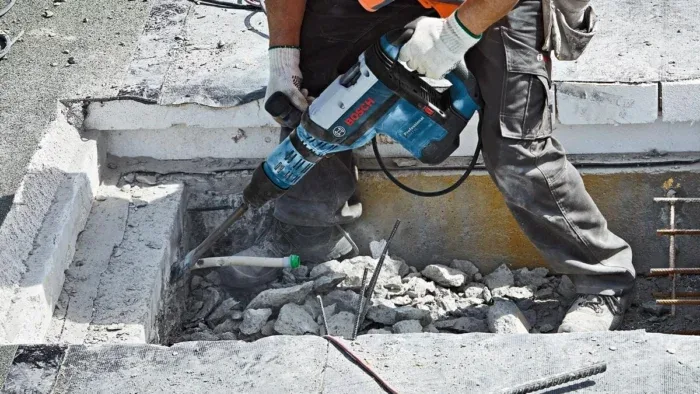
Credit: www.industrybuying.com
Demolition Hammer Basics
A demolition hammer is a powerful tool used for breaking concrete, bricks, and other tough materials. It works by delivering strong, fast hammering strokes. These strokes chip away the material to make removal easier.
This tool is often electric or pneumatic. It drives a chisel bit up and down rapidly. The straight-line force breaks hard surfaces efficiently.
Understanding the basics helps you use the tool safely and effectively. Knowing how it works and its parts is the first step.
How A Demolition Hammer Works
The hammer uses a piston inside to create impact. It moves a chisel or bit up and down very fast. This motion hits the surface repeatedly. The energy breaks apart concrete and stone.
Electric models plug into power outlets. Pneumatic models connect to air compressors. Both types deliver strong, consistent blows.
Main Parts Of A Demolition Hammer
The tool has a motor, piston, and chisel bit. The motor powers the piston’s rapid movement. The chisel bit touches and breaks the material.
Handles help you hold the tool firmly. Some models include vibration control for comfort. A trigger switch turns the hammer on and off.
Choosing The Right Bit
Bits come in different shapes and sizes. Pointed bits are for breaking tough spots. Flat bits help remove tiles or thin layers.
Select a bit that fits your task. Using the right bit makes work faster and safer.
Choosing The Right Tool
Choosing the right demolition hammer is key for effective work and safety. This tool must match the task’s size and material. Picking a wrong tool can slow work and cause damage.
Consider the work environment and the power source available. Different hammers have varied sizes and power ratings. Knowing these helps select the best tool for your project.
Power Source: Electric Vs. Pneumatic
Electric hammers use a cord or battery. They are easy to handle and good for indoor jobs. Pneumatic hammers need air compressors. They offer more power for heavy work outdoors.
Size And Weight
Lightweight hammers are good for small repairs. Heavy hammers break thick concrete and tough surfaces. Choose a size you can control safely and comfortably.
Impact Energy And Frequency
Impact energy means how hard the hammer hits. Frequency is how often it strikes per minute. High impact and frequency work faster on hard materials. Lower settings suit delicate tasks.
Type Of Chisels And Attachments
Different chisels fit different jobs. Flat chisels break flat surfaces. Pointed chisels crack tough spots. Some hammers allow quick changing of bits for varied tasks.
Preparing For Work
Preparing for work with a demolition hammer is essential for safety and efficiency. Proper preparation helps avoid accidents and ensures smooth operation. Follow simple steps before starting your project.
Check Your Equipment
Inspect the demolition hammer carefully. Look for any damage or loose parts. Ensure the power cord or air hose is intact. Replace worn or broken bits. A well-maintained tool works better and lasts longer.
Wear Safety Gear
Always wear protective equipment. Use safety glasses to guard your eyes. Wear ear protection against loud noise. Gloves protect your hands from vibration and debris. Choose sturdy boots to protect your feet.
Clear The Work Area
Remove any obstacles near your workspace. Make sure the floor is dry and clean. Keep bystanders at a safe distance. Clear away loose materials that can trip you. A tidy area reduces hazards and improves focus.
Read The User Manual
Review the manual before use. Understand the tool’s controls and settings. Follow the manufacturer’s safety instructions closely. Knowing how to operate the hammer prevents mistakes and damage.
Plan Your Work
Identify the material to break and mark the area. Decide the best angle and approach for demolition. Plan breaks to avoid fatigue. A clear plan helps complete the task faster and safer.
Operating Techniques
Operating a demolition hammer correctly ensures efficient and safe demolition work. The right techniques reduce fatigue and improve precision. It helps you control the tool and protect the work surface.
Below are key operating techniques to follow for better results and safety.
Proper Grip And Stance
Hold the demolition hammer firmly with both hands. Keep your arms slightly bent to absorb vibrations. Stand with feet shoulder-width apart for balance. Position yourself to face the work area directly. This stance prevents slipping and keeps control during operation.
Starting The Tool
Place the chisel bit against the surface before turning the hammer on. Switch the tool on at low speed first. Let the hammer reach full power before applying pressure. This method avoids sudden jerks and damage to the tool or surface.
Controlled Pressure Application
Apply steady, moderate pressure to the demolition hammer. Do not force it into the material. The tool’s weight and impact do most of the work. Excess pressure can cause bit damage or user fatigue.
Movement And Angle
Keep the chisel bit at a slight angle to the surface. Move the hammer slowly along the break line. Use short, controlled strokes rather than a continuous push. This technique breaks the material evenly and prevents tool slipping.
Regular Breaks And Tool Check
Take breaks to rest your hands and arms. Check the bit and tool regularly for wear or damage. Replace worn bits to maintain performance and safety. Proper maintenance extends the tool’s life and keeps work smooth.
Safety Measures
Using a demolition hammer requires strict attention to safety. The tool is powerful and can cause injury without proper precautions. Following safety measures protects you and others around you.
Always prepare before starting your work. Wear the right gear and check the tool carefully. These steps reduce risks and make the job smoother.
Wear Protective Gear
Always wear safety goggles to protect your eyes from flying debris. Use ear protection to guard against loud noise. Gloves help protect your hands from vibration and sharp materials. Wear sturdy boots to protect your feet from heavy falling objects.
Inspect The Tool Before Use
Check the demolition hammer for any damage or loose parts. Make sure the power cord or air hose is in good condition. Replace worn or broken bits before starting work. A well-maintained tool works better and is safer.
Maintain A Stable Work Position
Stand with your feet shoulder-width apart for balance. Hold the tool firmly with both hands. Keep your body clear of the hammer’s path. Avoid overreaching or awkward positions to prevent falls.
Use The Tool Correctly
Start the hammer only after placing the bit on the surface. Do not force the tool; let it do the work. Keep the bit straight to avoid damage or slipping. Turn off the tool before changing bits or moving.
Be Aware Of Your Surroundings
Clear the work area of obstacles and bystanders. Watch for hidden pipes, wires, or cables in walls or floors. Work in a well-lit space to see clearly. Keep children and pets away from the work zone.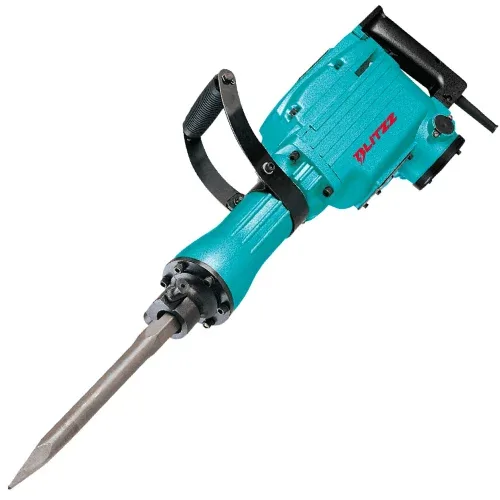
Credit: powerblitzz.com
Maintenance Tips
Maintaining a demolition hammer ensures it works well and lasts longer. Regular care prevents breakdowns and keeps the tool safe. Simple steps can protect your investment and improve performance.
Cleaning The Demolition Hammer
After each use, clean dust and debris from the tool. Use a brush or compressed air to remove dirt. Keep vents clear to avoid overheating.
Checking And Replacing The Bits
Inspect the chisel bits for wear or damage. Replace dull or cracked bits immediately. Sharp bits work better and reduce strain on the hammer.
Lubricating Moving Parts
Apply grease or oil to moving parts regularly. Follow the manufacturer’s instructions for the right lubricant. Proper lubrication reduces friction and prevents rust.
Inspecting Power Cords And Connections
Check electrical cords for cuts or frays before use. Replace damaged cords to avoid shocks or fire hazards. Ensure plugs and switches work smoothly.
Storing The Hammer Properly
Store the demolition hammer in a dry, cool place. Use a case or cover to protect it from dust. Avoid damp areas to prevent rust and corrosion.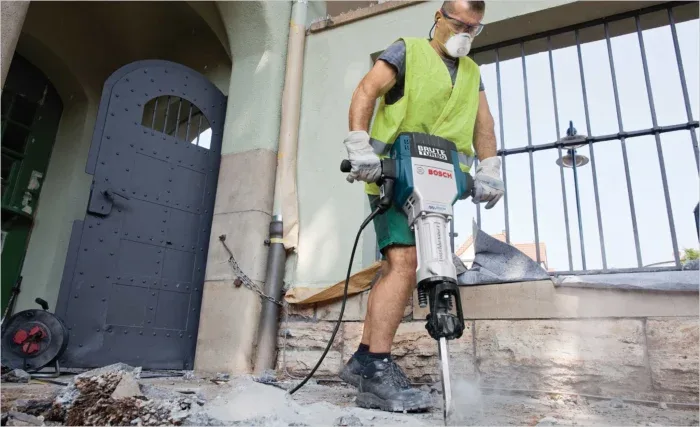
Credit: www.homedepot.com
Conclusion
Using a demolition hammer takes care and practice. Always wear safety gear first. Hold the tool firmly to control its power. Start with small areas to get a feel. Keep the bit sharp for better results. Take breaks to avoid fatigue during work.
Clean and maintain the hammer regularly. With patience, you can break concrete safely. This tool makes tough jobs easier and faster. Follow these steps to use it well.
Frequently Asked Questions
A demolition hammer uses electric or pneumatic power to drive a piston repeatedly. This piston strikes a chisel bit with high-impact force, breaking hard materials like concrete and brick efficiently. The operator guides and controls the tool during operation.
Your demolition hammer may not hammer due to lack of power, worn piston or bit, clogged air supply, or faulty internal mechanism. Check power source, inspect and replace worn parts, and clear any blockages to restore hammering function.
A demolition hammer breaks concrete, brick, and rock by delivering powerful, rapid impacts. Use it for heavy-duty demolition and surface removal tasks.
Hold the jackhammer firmly with both hands. Position the bit on the surface. Let the tool’s weight and hammering action break the material. Wear safety gear. Move steadily without forcing the tool.
A demolition hammer breaks hard materials like concrete, bricks, and rocks quickly and efficiently.
Hold firmly, wear safety gear, and keep the hammer bit steady while working.
Related reading: How to Use a Demolition Hammer to Remove Tile.
Related reading: How to Mix Concrete in a Bucket Without a Mixer.
{ “@context”: “https://schema.org”, “@type”: “Article”, “headline”: “How to Use Demolition Hammer: Expert Tips for Safe, Efficient Work”, “description”: “Learn how to use demolition hammer to efficiently break concrete and masonry with proper techniques and safety for construction and renovation projects.”, “url”: “https://www.powertoolstoday.com/how-to-use-demolition-hammer/”, “datePublished”: “2025-11-09”, “dateModified”: “2026-03-18”, “author”: { “@type”: “Organization”, “name”: “Power Tools Today”, “url”: “https://www.powertoolstoday.com” }, “publisher”: { “@type”: “Organization”, “name”: “Power Tools Today”, “url”: “https://www.powertoolstoday.com” }, “mainEntityOfPage”: { “@type”: “WebPage”, “@id”: “https://www.powertoolstoday.com/how-to-use-demolition-hammer/” }, “image”: { “@type”: “ImageObject”, “url”: “https://www.powertoolstoday.com/wp-content/uploads/2025/11/How-to-Use-Demolition-Hammer-1024×576.webp” } }nn