
Last Updated: March 21, 2026
If you’ve just switched to an electric vehicle or are thinking about it, knowing how to use EV charging stations is key to keeping your car ready to go. You might wonder how to start charging, what payment options are available, or how to find a station nearby.
Don’t worry—using EV charging stations is easier than you think, and once you get the hang of it, it will feel as natural as filling up gas. This guide will walk you through everything you need to know, step by step, so you can charge your EV confidently wherever you are.
Ready to power up your ride without any hassle? Let’s dive in.
Credit: btcpower.com
Types Of Ev Chargers
Electric vehicle (EV) charging stations offer different types of chargers. Each type varies in speed and power. Knowing these types helps you choose the best option for your needs. Charging speed depends on the charger type and your car’s capability. Here are the main types of EV chargers you will encounter.
Level 1 Chargers
Level 1 chargers use a standard 120-volt outlet. They provide the slowest charging speed. Usually, they add about 3 to 5 miles of range per hour. This type is best for overnight charging at home. No special equipment is needed beyond the charger cable.
Level 2 Chargers
Level 2 chargers use a 240-volt outlet. They charge much faster than Level 1 chargers. Typically, they add 15 to 30 miles of range per hour. These chargers are common in homes, workplaces, and public places. Installation by an electrician is usually required at home.
Dc Fast Chargers
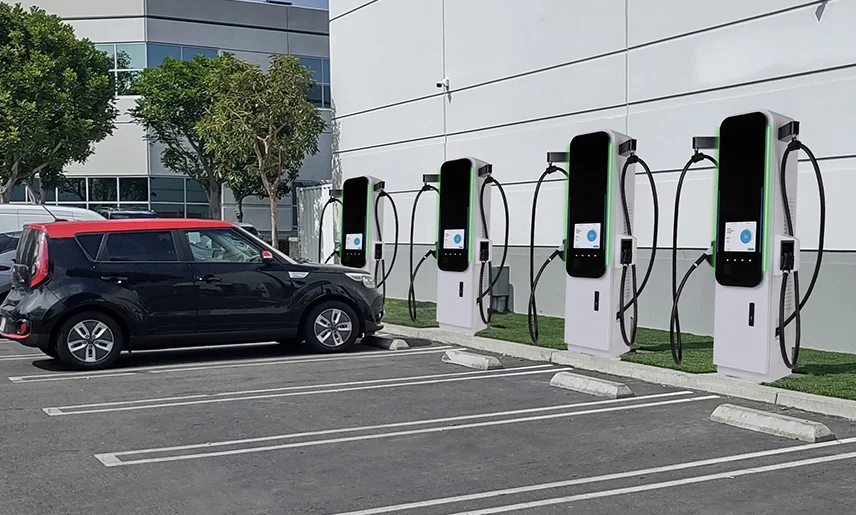
DC fast chargers provide the quickest charging available. They use direct current (DC) to charge the battery rapidly. These chargers can add 60 to 100 miles of range in 20 minutes. Found mainly at public charging stations along highways. Not all EVs support DC fast charging.
Finding Charging Stations
Finding charging stations is the first step to using an EV charging station. Knowing where to charge helps avoid running low on battery. Public and private locations offer many options for charging your electric vehicle.
Several tools and methods exist to find the nearest charging stations quickly. Using these tools saves time and makes your trip smoother. Below are ways to locate charging stations easily.
Using Mobile Apps To Find Charging Stations
Mobile apps show available charging stations near you. Apps like PlugShare, ChargePoint, and others provide real-time information. They display station types, availability, and user reviews. You can plan your route based on charging needs.
Checking Your Vehicle’s Navigation System
Many electric vehicles come with built-in navigation systems. These systems include EV charging locations along your route. They can guide you to the closest or fastest charging station. This feature helps you avoid detours or long waits.
Visiting Charging Network Websites
Charging networks often list their stations online. Websites provide maps and details about each station. You can check hours, connector types, and pricing before arriving. This helps you pick the best option for your car.
Starting A Charging Session
Starting a charging session at an EV charging station is simple and quick. Understanding the steps helps you get your vehicle powered without delays. Each station may have different options, but the basics stay the same.
Follow the instructions on the screen or nearby signs. You will connect your car and choose a payment method. The charging process begins after confirming the session.
Connecting Your Vehicle To The Charger
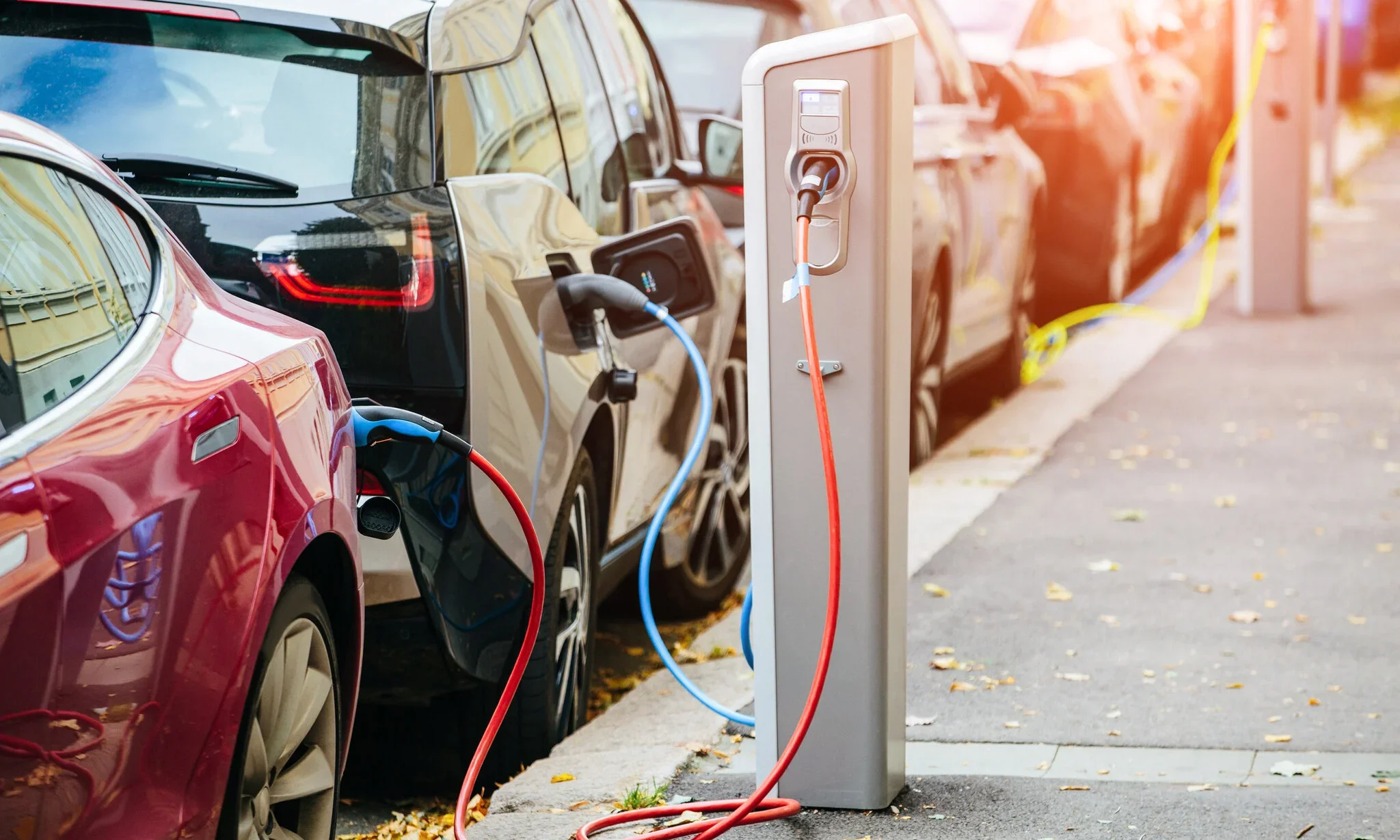
Locate the charging port on your EV. Open it and take the charger plug from the station. Insert the plug firmly into your car’s port. Make sure it clicks or locks in place.
Some stations use different plug types. Match the charger to your vehicle’s port for a proper fit. Avoid forcing the plug if it doesn’t fit easily.
Choosing A Payment Method
Most stations accept multiple payment options. Tap your contactless credit or debit card on the reader. You may also use Apple Pay or Google Pay if supported.
Scan the QR code on the charger with your phone. This opens the payment page or app. Follow the prompts to pay and start charging.
Some stations require an RFID card or a specific app account. Hold the card or phone near the reader to authenticate. Check the station’s instructions for details.
Starting The Charging Session
After connecting and paying, press the start button if available. Some chargers begin automatically once payment clears. Watch the station’s display to confirm charging has started.
Your car dashboard may also show charging status. Leave the plug connected until your desired charge level is reached. Avoid unplugging early unless necessary.
Credit: www.evconnect.com
Payment Methods
Payment methods at EV charging stations vary for convenience and ease. Many stations accept multiple options to fit your preferences. Understanding these methods helps you charge your vehicle smoothly and quickly.
Most stations support contactless payments, smartphone apps, RFID cards, or automatic systems. Each method offers a simple way to pay without hassle. Choose the option that best suits your needs for a seamless charging experience.
Contactless Credit And Debit Cards
Many EV charging stations accept contactless credit or debit cards. You just tap your card on the terminal to start charging. Some stations also support Apple Pay or Google Pay. This method works like a regular store purchase. No need to download apps or create accounts.
Smartphone Apps
Charging networks offer apps to manage your charging sessions. Scan a QR code on the station to open the payment page. Tap your phone near the terminal to start charging with Apple Pay or Google Pay. You can also use the app to select the station and begin charging remotely. Apps may offer session tracking and payment history.
Rfid And Charging Cards
Some networks issue RFID cards for frequent users. Swipe your card at the station to start charging. This method is fast and does not require a smartphone. Charging cards often link to your account for billing and rewards. Keep your card handy for quick access at supported stations.
Plug & Charge Feature
Newer EVs and stations support Plug & Charge technology. Just plug in the cable, and the system recognizes your vehicle. Payment happens automatically without extra steps. This method simplifies the process and speeds up charging. It works with compatible vehicles and networks.
Using Mobile Apps
Using mobile apps simplifies the process of charging your electric vehicle (EV). These apps connect you to EV charging stations and help manage your charging sessions easily. They provide information about nearby stations, availability, and pricing. Mobile apps often allow remote control of the charging process.
With a few taps, you can locate a station, start charging, and pay without hassle. Many apps support various payment methods, making charging convenient and quick. Understanding how to use these apps can enhance your EV charging experience.
How To Find Charging Stations Using Apps
Open the app and enter your location or allow it to access your GPS. The app shows a map with nearby charging stations. You can filter results by charger type, speed, or availability. This helps you find the best station for your EV’s needs. Some apps also provide directions to the station.
Starting A Charging Session With Mobile Apps
After arriving at the station, open the app and select the charger you want to use. Confirm the station and plug in your EV. Tap “Start Charging” in the app to begin the session. The app communicates with the charger to activate it. You can monitor charging progress through the app.
Paying For Charging Via Mobile Apps
Most apps offer easy payment options. You can link a credit card, debit card, or digital wallet. The app charges you automatically based on the time or energy used. Some apps allow you to pay by scanning a QR code on the charger. Payment is secure and often faster than other methods.
Credit: www.ormazabal.com
Charging Etiquette
Charging etiquette is important to keep EV charging stations fair and accessible. It helps everyone get a chance to charge their vehicles without hassle. Following good manners at charging stations also supports a smooth and friendly experience for all users.
Respecting others while charging shows you care about the community. It avoids conflicts and saves time for everyone. Simple actions can make a big difference at public charging spots.
Do Not Occupy The Charger Longer Than Needed
Move your vehicle once charging is complete. Do not leave your car plugged in for hours. This frees up the spot for other drivers. If your battery is full, unplug promptly.
Park Only In Ev Charging Spaces
Use charging spots only if you need to charge. Avoid parking in these spaces without charging. This ensures chargers remain available for EV users. Non-EV vehicles should park elsewhere.
Be Mindful Of Charging Speed
Fast chargers are for quick top-ups, not full charges. Use slower chargers if you plan a long stop. This helps balance demand and reduces wait times. Let others use fast chargers if you do not need them.
Keep The Area Clean And Organized
Dispose of trash properly near charging stations. Coil charging cables neatly after use. Avoid blocking walkways or other vehicles. A tidy area makes charging easier and safer for everyone.
Communicate When Necessary
If you must wait for a charger, inform others politely. Use apps or signs to share your charging status. Clear communication helps avoid misunderstandings and frustration. Respect others’ time and plans.
Home Vs Public Charging
Choosing between home and public charging stations affects your electric vehicle (EV) experience. Both options offer convenience but serve different needs. Understanding each helps you plan your charging routine better.
Home Charging Convenience
Charging at home offers great ease. You plug in your car overnight and wake up with a full battery. No waiting in lines or searching for stations. It saves time and fits daily schedules well. Installation requires a charging unit and a power source. Most homeowners find Level 2 chargers ideal for faster charging. Home charging costs less than public options, usually based on your electricity rates.
Public Charging Flexibility
Public chargers appear in many places like malls, parking lots, and highways. They help during longer trips or when you cannot charge at home. Public stations offer quick top-ups or full charges depending on the charger type. Fast chargers deliver more power and reduce charging time significantly. Some stations require payment via apps, cards, or contactless methods. Public charging networks often have subscription plans for frequent users. Availability depends on location and time, so planning ahead is helpful.
Comparing Costs And Speed
Home charging is usually cheaper but slower than public fast chargers. Level 1 home chargers use a standard outlet but take longer. Level 2 chargers speed up the process and cost more upfront. Public fast chargers deliver rapid energy, ideal for urgent needs. Cost per kWh can vary widely at public stations. Some public chargers have peak and off-peak rates. Balancing cost and speed depends on your daily driving patterns and budget.
Which To Choose?
Many EV owners use both home and public chargers. Home charging covers regular daily needs easily. Public charging supports longer trips or emergency top-ups. Assess your driving distance, parking options, and budget. Having access to both options offers flexibility. Stay informed about local charging infrastructure. This helps avoid surprises and keeps your EV ready to go.
Tips For Efficient Charging
Efficient charging at EV stations saves time and extends battery life. Simple habits help get the most out of every charge. Follow these tips to charge smartly and quickly.
Understanding how to use charging stations well improves your experience. It also reduces waiting time and energy costs.
Choose The Right Charging Speed
Use fast chargers for quick top-ups during trips. Use slower chargers overnight or when parking longer. This helps protect your battery and save money.
Precondition Your Battery
Warm your battery before charging in cold weather. Some EVs let you do this from the app. Warm batteries charge faster and more safely.
Plug In Properly And Securely
Ensure the charging plug fits tightly in your car’s port. A loose connection can slow charging or cause errors. Check the plug before starting.
Monitor Charging Progress
Keep an eye on your charging status via your car or app. Stop charging when your battery reaches 80-90% for best health. Full charges take longer and stress the battery.
Use Network Apps For Easy Payment
Install charging network apps for faster payments and locating stations. Many apps offer tap-to-charge or QR code scanning. This reduces hassle and saves time.
Frequently Asked Questions
How Do You Use Ev Charging Stations For The First Time?
Locate a nearby EV charging station and park your car. Connect the charger plug securely to your vehicle’s port. Use the station’s app, RFID card, or tap your credit card to start charging. Follow on-screen prompts for payment and charging status.
Disconnect once charging completes.
How Do You Pay At Ev Charging Stations?
You can pay at EV charging stations using contactless credit/debit cards, smartphone apps, RFID cards, or “Plug & Charge” automatic payments. Some stations accept QR code scans or offer subscription plans for lower rates. Always check the station for supported payment methods before charging.
How Do You Charge An Ev At A Public Charging Station?
To charge an EV at a public station, plug the charger into your car’s port. Pay via app, contactless card, RFID, or Plug & Charge. Follow on-screen prompts to start charging. Monitor charging progress and unplug when done.
How Do You Pay To Use An Ev Charger?
You pay to use an EV charger via contactless credit/debit cards, smartphone apps, RFID cards, or Plug & Charge. Some offer subscriptions for discounted rates. Scan QR codes or tap your card/app at the station to start charging quickly and easily.
How Do I Start Charging My Ev At A Station?
Plug the charging cable into your car’s port, then follow the station’s instructions to begin charging.
Conclusion
Using EV charging stations is simple and convenient for all drivers. Just find a nearby station, connect your car, and start charging. Payments work with cards, apps, or RFID cards for easy access. Charging helps extend your vehicle’s range and supports a cleaner environment.
Keep these steps in mind to enjoy a smooth charging experience. With a little practice, you’ll feel confident using any EV station. Electric driving becomes easier every day with accessible charging options. Stay informed and ready for your next trip.
{ “@context”: “https://schema.org”, “@type”: “Article”, “headline”: “How to Use Ev Charging Stations: Ultimate Guide for Beginners”, “description”: “Learn how to use EV charging stations to power electric vehicles by connecting, charging, and monitoring energy levels safely and efficiently.”, “url”: “https://www.powertoolstoday.com/how-to-use-ev-charging-stations/”, “datePublished”: “2025-11-29”, “dateModified”: “2026-03-18”, “author”: { “@type”: “Organization”, “name”: “Power Tools Today”, “url”: “https://www.powertoolstoday.com” }, “publisher”: { “@type”: “Organization”, “name”: “Power Tools Today”, “url”: “https://www.powertoolstoday.com” }, “mainEntityOfPage”: { “@type”: “WebPage”, “@id”: “https://www.powertoolstoday.com/how-to-use-ev-charging-stations/” }, “image”: { “@type”: “ImageObject”, “url”: “https://www.powertoolstoday.com/wp-content/uploads/2025/11/how-to-use-ev-charging-stations.webp” } }nn