
Last Updated: March 21, 2026
If you’ve ever struggled with messy wires or damaged cables, learning how to use a wire stripper can save you time and frustration. Whether you’re fixing a lamp, setting up home electronics, or tackling a DIY electrical project, the right technique makes all the difference.
Imagine stripping wires quickly, cleanly, and safely every time—no guesswork, no ruined wires. This guide will walk you through simple steps to master your wire stripper, so you get perfect results without hassle. Ready to take control of your wiring tasks?
Let’s dive in and make your next project smoother and safer.
Safety First
Using a wire stripper involves working with electrical wires. Safety must be your top priority. Small mistakes can cause serious injuries or damage.
Follow key safety steps before you start. These steps protect you and your home from harm. Always prepare properly for a safe working environment.
Turn Off Power
Always switch off the power source before handling wires. Confirm no electricity flows through the wires. Use a voltage tester to double-check. This prevents electric shocks and accidents.
Wear Protective Gear
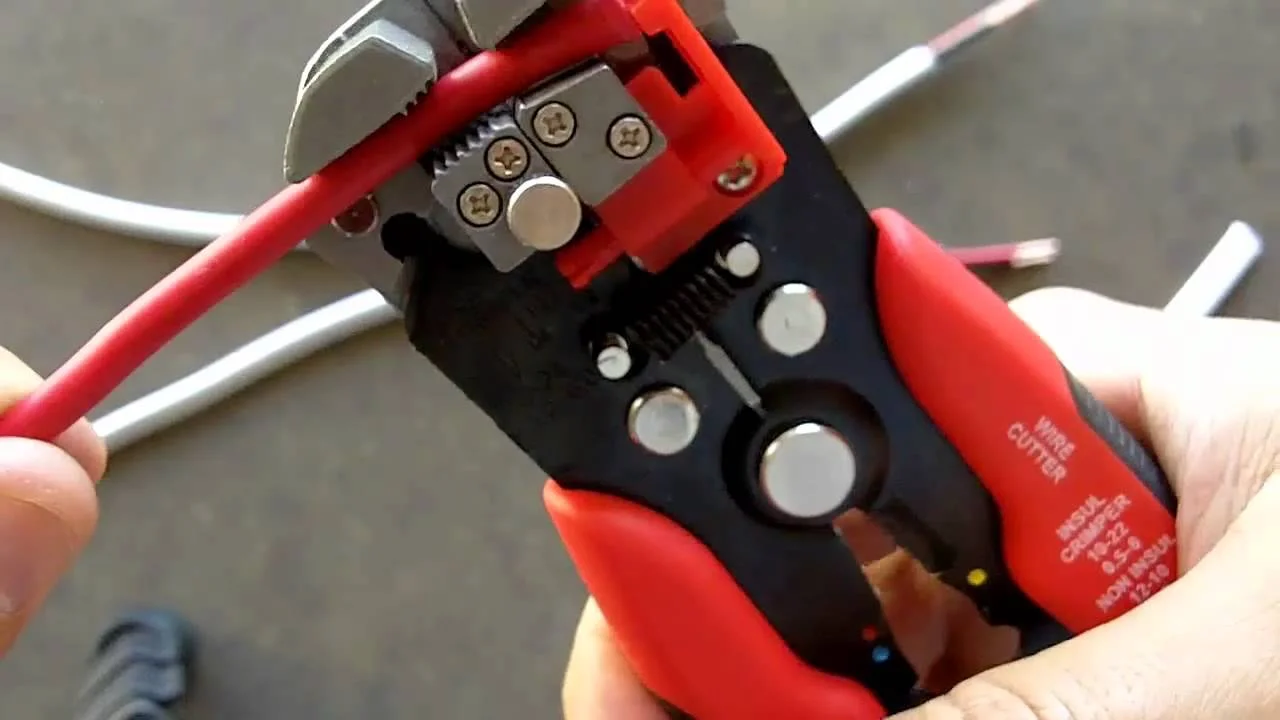
Wear safety gloves to protect your hands from cuts. Use safety glasses to shield your eyes from debris. Proper gear reduces the risk of injury while stripping wires.
Credit: www.youtube.com
Choosing The Right Stripper
Choosing the right wire stripper is key to a smooth and safe wiring job. The right tool makes stripping easy and prevents damage to the wire. Selecting a wire stripper depends on the wire size and tool condition. A good match improves work quality and saves time.
Check Tool Condition
Start by inspecting the wire stripper before use. Check for rust, dirt, or damage on the blades. Sharp, clean blades cut insulation cleanly without harming the wire. Loose handles or broken springs reduce control and can cause injury. A well-maintained tool offers better grip and precise stripping.
Match Wire Gauge
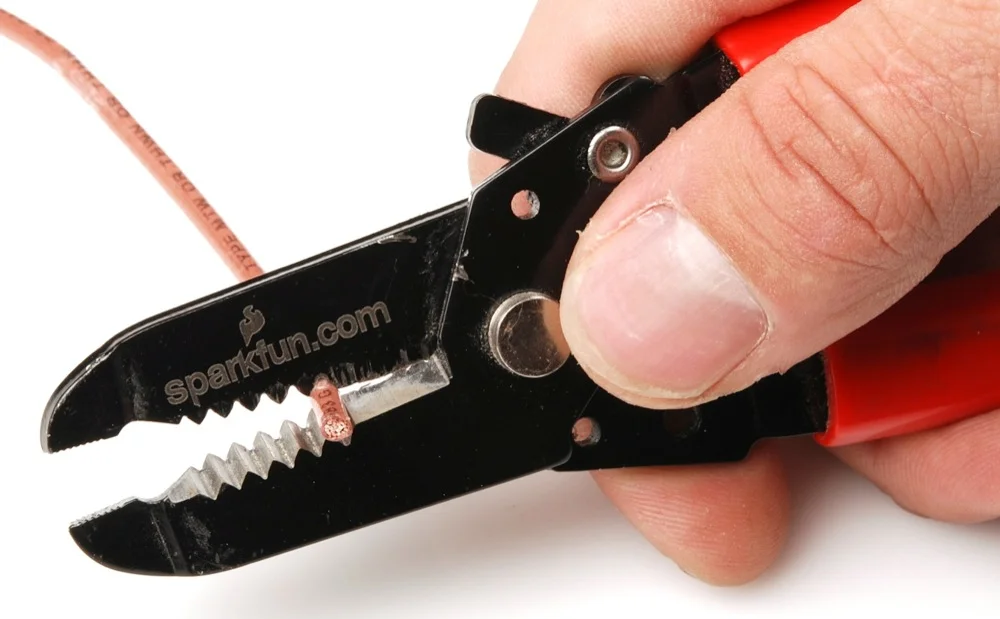
Wire strippers come with slots for different wire gauges. Choose a stripper with slots that fit your wire size exactly. Using the wrong slot can cut or nick the wire strands. Match the stripper slot to the wire gauge number printed on the wire. Correct fit strips insulation smoothly and protects the wire core.
Preparing The Wire
Preparing the wire is the first step to a clean and safe strip. Proper preparation helps avoid damaging the wire inside. It also ensures the stripped wire will connect well with terminals or other wires.
Handling the wire carefully makes the stripping process smoother. Take your time to get the wire ready before using the wire stripper.
Measure Strip Length
Start by measuring how much insulation to remove. Check the project instructions or wire connector size. Use a ruler or tape measure to mark the length on the wire. Marking helps strip the right amount without cutting too much or too little.
Position Wire Correctly
Place the wire into the wire stripper notch that matches its gauge. Align the mark you made with the cutting blade on the stripper. Hold the wire steady and avoid twisting it. Correct positioning ensures a clean cut without harming the wire strands.
Cutting Insulation
Cutting insulation is an important step in preparing electrical wires. The goal is to remove only the outer layer without harming the wire inside. Using wire strippers correctly helps achieve a clean cut every time. This prevents electrical problems and keeps connections strong.
Focus on controlling the pressure and position of the wire stripper. Cutting too deep can damage the wire. Cutting too shallow may leave insulation behind. Practice helps you find the right balance for a safe and neat strip.
Squeeze Handles Gently
Hold the wire stripper handles with a gentle grip. Squeezing hard can cut through the wire itself. Apply just enough pressure to slice the insulation cleanly. Let the tool do the work, not your force.
Slow and steady movements give better control. This reduces the risk of nicking the wire. Release the handles once the insulation is cut. Then, pull the insulation off smoothly.
Avoid Wire Damage
Align the wire properly in the correct notch of the stripper. Notches match wire sizes to protect the metal inside. Check that the stripper blade only touches the insulation layer.
Do not twist or pull the wire while cutting. This can break or weaken the wire strands. A clean cut helps maintain strong electrical flow. Inspect the wire after stripping to ensure no cuts or tears.
Removing Insulation
Removing insulation from a wire is the key step in preparing it for connections. The wire stripper makes this job safe and easy. It cuts through the insulation without damaging the metal inside. Follow these simple steps to remove insulation correctly.
Rotate Tool
Place the wire in the right notch of the wire stripper. Hold the tool firmly and rotate it around the wire. This motion scores the insulation evenly. Do not press too hard to avoid cutting the wire itself. One or two full rotations usually work well.
Pull Insulation Off
After scoring the insulation, hold the wire firmly. Use the wire stripper’s handles to pull the insulation away. The cut insulation should slide off smoothly. If it resists, rotate the tool again and try pulling once more. The wire is now ready for your project.
:max_bytes(150000):strip_icc()/how-to-use-a-wire-stripper-in-electrical-work-1821534-03-477d40219af94d4c85b63566e24b7f30.jpg)
Credit: tinyhouseme.com
Handling Different Wire Types
Handling different wire types requires care and the right technique. Wire strippers work differently based on the wire’s structure. Choosing the right method prevents damage to the wire and ensures a clean strip. This section explains how to handle solid and stranded wires effectively.
Solid Vs Stranded Wire
Solid wire has one single piece of metal inside. It is stiff and holds its shape well. Stranded wire is made of many thin wires twisted together. It is flexible and bends easily.
For solid wire, use the wire stripper to cut through the insulation cleanly. Avoid applying too much pressure to prevent nicking the wire. Stranded wire requires a gentler touch. Too much force may cut some strands, weakening the wire.
Adjust Techniques
Adjust the wire stripper’s blade depth for each wire type. For solid wire, set the blade to cut just through the insulation. For stranded wire, set it slightly shallower to avoid cutting strands.
Hold the wire steady while stripping. Pull the insulation off smoothly without twisting. For thicker wires, you may need to strip the insulation in small sections. Practice stripping on scrap wire to find the right pressure and angle.
Common Mistakes To Avoid
Using a wire stripper sounds simple but many make common mistakes. These errors can damage wires or cause safety issues. Avoiding these helps keep your work neat and safe. Focus on cutting depth and stripping length for best results.
Cutting Too Deep
Cutting too deep can damage the wire inside. The tool should only cut through the insulation. Pressing too hard may nick the metal wire. This weakens the wire and can cause breaks. Use the right size slot on the stripper. Gently squeeze to avoid cutting wire strands.
Stripping Too Much
Removing too much insulation exposes more wire than needed. This increases the risk of short circuits. Only strip the length required for your connection. Excess bare wire can touch other parts. Measure twice and strip once to keep the wire protected. Proper stripping keeps your project safe and tidy.
Maintenance Tips
Proper maintenance keeps your wire stripper working smoothly and lasting longer. Small steps prevent damage and ensure precise stripping every time. Regular care also improves safety and efficiency during use.
Clean Wire Stripper
Wipe your wire stripper after each use. Remove dirt, dust, and wire residue with a soft cloth. Use a small brush to clean tight spots and cutting edges. Avoid water or harsh chemicals that can cause rust. Applying a drop of light oil on joints keeps movement smooth and prevents corrosion.
Store Properly
Keep wire strippers in a dry, cool place to avoid rust. Use a tool box or pouch to protect them from dust and damage. Avoid leaving them in damp or humid areas. Store with the blades closed to protect sharp edges. Proper storage extends tool life and keeps it ready for use.
Credit: learn.sparkfun.com
Frequently Asked Questions
What Is The Easiest Way To Strip Electrical Wire?
Turn off power first. Choose the correct notch for wire gauge on the stripper. Clamp about half an inch from the end. Squeeze handles, twist slightly, then pull insulation off carefully.
How Do You Use A Wire Cutter Step By Step?
Turn off power and wear safety glasses. Match wire gauge to cutter notch. Position wire, squeeze handles to cut insulation. Twist slightly, then pull insulation off cleanly.
How To Strip Wire Fast For Scrap By Hand?
Warm the wire slightly to soften insulation. Use your fingers or a razor blade to peel off the softened coating quickly. Repeat for each wire segment.
What Is The Proper Use Of A Wire Cutter?
Use a wire cutter to cleanly cut wires by positioning the blades on the wire, squeezing the handles firmly, and cutting without crushing. Always choose the right cutter type and size for your wire to ensure safety and precision. Turn off power before cutting.
What Is The Best Way To Strip Electrical Wire Safely?
Turn off power, choose the right notch on the stripper, and gently pull insulation off the wire.
Conclusion
Using a wire stripper safely makes wiring tasks easier and cleaner. Always turn off the power before starting any work. Choose the right notch for your wire size to avoid damage. Hold the wire firmly and strip the insulation carefully.
Practice a few times to build confidence and skill. This simple tool helps create strong electrical connections. Keep your wire stripper clean and store it properly after use. With patience and care, you can handle wiring jobs well every time.
Related reading: Best Voltage Testers.
{ “@context”: “https://schema.org”, “@type”: “Article”, “headline”: “How to Use Wire Stripper: Essential Tips for Perfect Wire Stripping”, “description”: “Learn how to use wire stripper tools to safely remove insulation from electrical wires, ensuring clean connections and preventing damage during wiring tasks.”, “url”: “https://www.powertoolstoday.com/how-to-use-wire-stripper/”, “datePublished”: “2025-12-05”, “dateModified”: “2026-03-18”, “author”: { “@type”: “Organization”, “name”: “Power Tools Today”, “url”: “https://www.powertoolstoday.com” }, “publisher”: { “@type”: “Organization”, “name”: “Power Tools Today”, “url”: “https://www.powertoolstoday.com” }, “mainEntityOfPage”: { “@type”: “WebPage”, “@id”: “https://www.powertoolstoday.com/how-to-use-wire-stripper/” }, “image”: { “@type”: “ImageObject”, “url”: “https://www.powertoolstoday.com/wp-content/uploads/2025/11/how-to-use-wire-stripper.jpg” } }{ “@context”: “https://schema.org”, “@type”: “Article”, “headline”: “How to Use Wire Stripper: Essential Tips for Perfect Wire Stripping”, “description”: “Learn how to use wire stripper tools to safely remove insulation from electrical wires, ensuring clean connections and preventing damage during wiring tasks.”, “url”: “https://www.powertoolstoday.com/how-to-use-wire-stripper/”, “datePublished”: “2025-12-05”, “dateModified”: “2026-03-19”, “author”: { “@type”: “Organization”, “name”: “Power Tools Today”, “url”: “https://www.powertoolstoday.com” }, “publisher”: { “@type”: “Organization”, “name”: “Power Tools Today”, “url”: “https://www.powertoolstoday.com” }, “mainEntityOfPage”: { “@type”: “WebPage”, “@id”: “https://www.powertoolstoday.com/how-to-use-wire-stripper/” }, “image”: { “@type”: “ImageObject”, “url”: “https://www.powertoolstoday.com/wp-content/uploads/2025/11/how-to-use-wire-stripper.jpg” } }nn