
Last Updated: March 21, 2026
If you want your car to shine like new without spending hours scrubbing, using a pressure washer could be your best solution. But how do you wash your car with a pressure washer safely and effectively?
You might wonder if the powerful water spray could damage your paint or miss spots. Don’t worry—this guide will walk you through every step, from choosing the right settings to applying soap and rinsing properly. By the time you finish reading, you’ll know exactly how to get a spotless, streak-free finish that turns heads on the road.
Ready to save time and keep your car looking its best? Let’s dive in!
Choosing The Right Pressure Washer
Choosing the right pressure washer is key to safe and effective car cleaning. The wrong machine can damage your car’s paint or trim. The right one cleans thoroughly without harm. Understanding pressure levels and features helps you pick wisely.
Understanding Pressure Levels (psi)
PSI means pounds per square inch. It shows how strong the water spray is. For cars, choose a washer with 1200 to 1900 PSI. This range cleans dirt but does not hurt paint. Higher PSI can strip paint or cause dents.
Flow Rate And Cleaning Power
Flow rate is water amount pushed per minute. Measured in gallons per minute (GPM). Higher GPM means faster cleaning. A good car washer has 1.2 to 1.6 GPM. This removes grime without wasting water.
Types Of Pressure Washers
Electric washers suit small jobs and light dirt. They are quiet and easy to move. Gas washers are stronger but louder. They fit bigger vehicles or heavy dirt. For cars, electric models usually work best.
Choosing Nozzles And Attachments
Nozzles control spray angle and pressure. Use a 25-degree or 40-degree nozzle for cars. These spread water gently. Avoid narrow nozzles like 0-degree; they are too strong. Foam cannons help apply soap evenly.
Additional Safety Features
Look for washers with adjustable pressure settings. This lets you lower pressure for delicate parts. Trigger locks prevent accidental spray. A long hose and cord improve reach around the car.
Credit: www.mtmhydroparts.com
Preparing Your Car For Washing
Preparing your car before using a pressure washer is essential for a safe and effective clean. This step removes loose dirt and prevents damage to your vehicle’s paint. Taking time to prep helps the pressure washer work better and keeps your car looking great.
Remove Loose Dirt And Debris
Start by rinsing your car with water to wash away loose dirt and dust. Use a gentle spray to avoid pushing dirt into the paint. This step prevents scratches during the pressure washing.
Check And Close All Windows And Doors
Make sure all windows, doors, and sunroof are fully closed. Pressure washers use strong water jets that can leak inside if openings are left unsealed. Protect your car’s interior from water damage.
Protect Sensitive Areas
Cover parts like the engine bay, air vents, and electrical components with plastic bags or waterproof tape. These areas are vulnerable to water and can get damaged easily. Taking these precautions keeps your car safe.
Choose The Right Cleaning Products
Use soap made for cars and pressure washers. Household soaps can strip wax and damage paint. Apply soap with a foam cannon or a detergent nozzle for best results. Soap helps break down grease and grime gently.
Selecting Safe Cleaning Solutions
Choosing cleaning solutions made for cars protects paint and finish during pressure washing. Use gentle, car-specific soaps to avoid damage. Always rinse well to remove all soap and prevent streaks.
Choosing the right cleaning solution protects your car’s paint and finish. Some soaps can harm wax coatings or fade the paint. Always pick products made for car washing with pressure washers.
Safe cleaning solutions help remove dirt without causing damage. They work gently but effectively on grime and road residue. Using the wrong soap risks scratches or dullness on your vehicle.
Use Car-specific Soaps
Car-specific soaps are designed for vehicle surfaces. They clean well and protect wax and sealants. Avoid household detergents or dish soaps as they strip protective layers.
Look for biodegradable and pH-balanced formulas. These are safe for your car and the environment. They foam well, making pressure washing easier and more effective.
Avoid Harsh Chemicals
Harsh chemicals can damage your car’s paint and trim. Steer clear of acids, bleach, or strong degreasers. These can cause fading, discoloration, or corrosion.
Choose mild, gentle cleaning agents made for automotive use. They keep your car’s surface smooth and shiny after washing.
Test Cleaning Solutions First
Test any new cleaning solution on a small, hidden area. This prevents surprises like paint damage or discoloration. Wait a few minutes and check the spot closely.
If no changes appear, the product is safe to use on the whole car. Testing helps avoid costly repairs or repainting later.
Follow Manufacturer Instructions
Read and follow the cleaning solution instructions carefully. Use the recommended dilution to avoid over-concentration. Overuse can cause streaks or damage paint.
Proper use ensures the best cleaning results and protects your car. Measure soap and water accurately for safe washing every time.
Setting Up The Pressure Washer
Setting up the pressure washer correctly is the first step to a clean car. Proper setup ensures safe and effective washing without damage. Take time to prepare your equipment before starting.
Follow these simple steps for a smooth setup. Check all parts and connections carefully. Get ready for the washing process.
Choose A Suitable Location
Pick a flat surface near a water source. Avoid areas with loose gravel or dirt. This prevents slipping and equipment instability. Make sure there is enough space to move around the car.
Connect The Water Supply
Attach the garden hose to the pressure washer inlet. Turn on the water fully to avoid air in the system. Check for leaks at the connection point. Proper water flow is essential for pressure washer performance.
Attach The High-pressure Hose
Connect the high-pressure hose to the washer’s outlet. Secure it tightly to prevent water leaks. Avoid twisting or kinking the hose. A smooth hose allows better water flow and pressure.
Select The Right Nozzle
Use a nozzle with a wide spray angle, like 25 or 40 degrees. Narrow nozzles can damage your car’s paint. Check the pressure washer manual for recommended nozzles for car washing.
Check The Pressure Setting
Set the pressure washer to a low or medium PSI. High pressure can harm the paint and trim. Aim for 1200 to 1900 PSI for safe car washing. Adjust as needed for stubborn dirt.
Pre-rinsing The Vehicle
Pre-rinsing the vehicle is the first step in washing a car with a pressure washer. It removes loose dirt and dust from the surface. This step helps prevent scratches during the washing process.
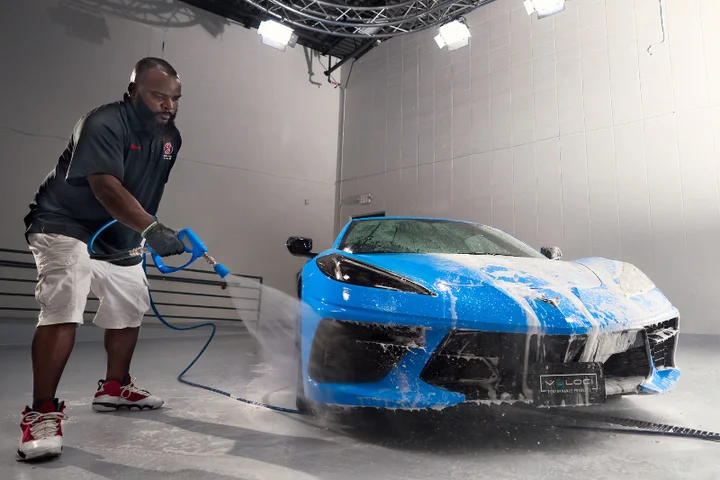
Use a wide spray nozzle to avoid damaging the paint. Keep the nozzle about 12 to 18 inches from the car’s surface. Start at the top and work your way down to cover all areas.
Focus on areas with heavy dirt buildup, such as the wheels and lower panels. A thorough pre-rinse makes the soap more effective and easier to rinse off later.
Choose The Right Nozzle For Pre-rinsing
Select a nozzle with a wide spray angle, like 25 or 40 degrees. This spreads the water gently over the surface. Avoid narrow nozzles that create intense pressure. They can cause paint damage or water spots.
Maintain Safe Distance From The Car
Hold the pressure washer nozzle 12 to 18 inches away from the car. Closer distances increase pressure and risk harming paint or trim. Moving the nozzle steadily prevents water from concentrating in one spot.
Start From The Top And Move Down
Begin rinsing at the roof and work downwards. Gravity helps wash dirt downward. This method ensures that dirt flows off the car instead of settling back on clean areas.
Applying Soap With Foam Cannon
Applying soap with a foam cannon makes washing your car faster and easier. The foam cannon mixes soap and water, then sprays thick foam onto the car’s surface. This foam clings to the dirt and grime, helping to loosen them before rinsing.
The foam also reduces the risk of scratches. It creates a slippery layer that prevents dirt from rubbing harshly on the paint. Using a foam cannon saves time and protects your car’s finish.
Choosing The Right Soap For Foam Cannon
Use a soap made for foam cannons or car washing. Avoid household soaps. They can strip wax and damage the paint. Look for a pH-balanced car shampoo that produces thick foam. This ensures gentle and effective cleaning.
Mixing Soap And Water Properly
Follow the soap label instructions for mixing. Usually, mix one part soap with several parts water. Pour the mixture into the foam cannon reservoir. Too much soap creates waste. Too little reduces foam quality. Proper mixing gives the best cleaning results.
Applying Foam Evenly On The Car
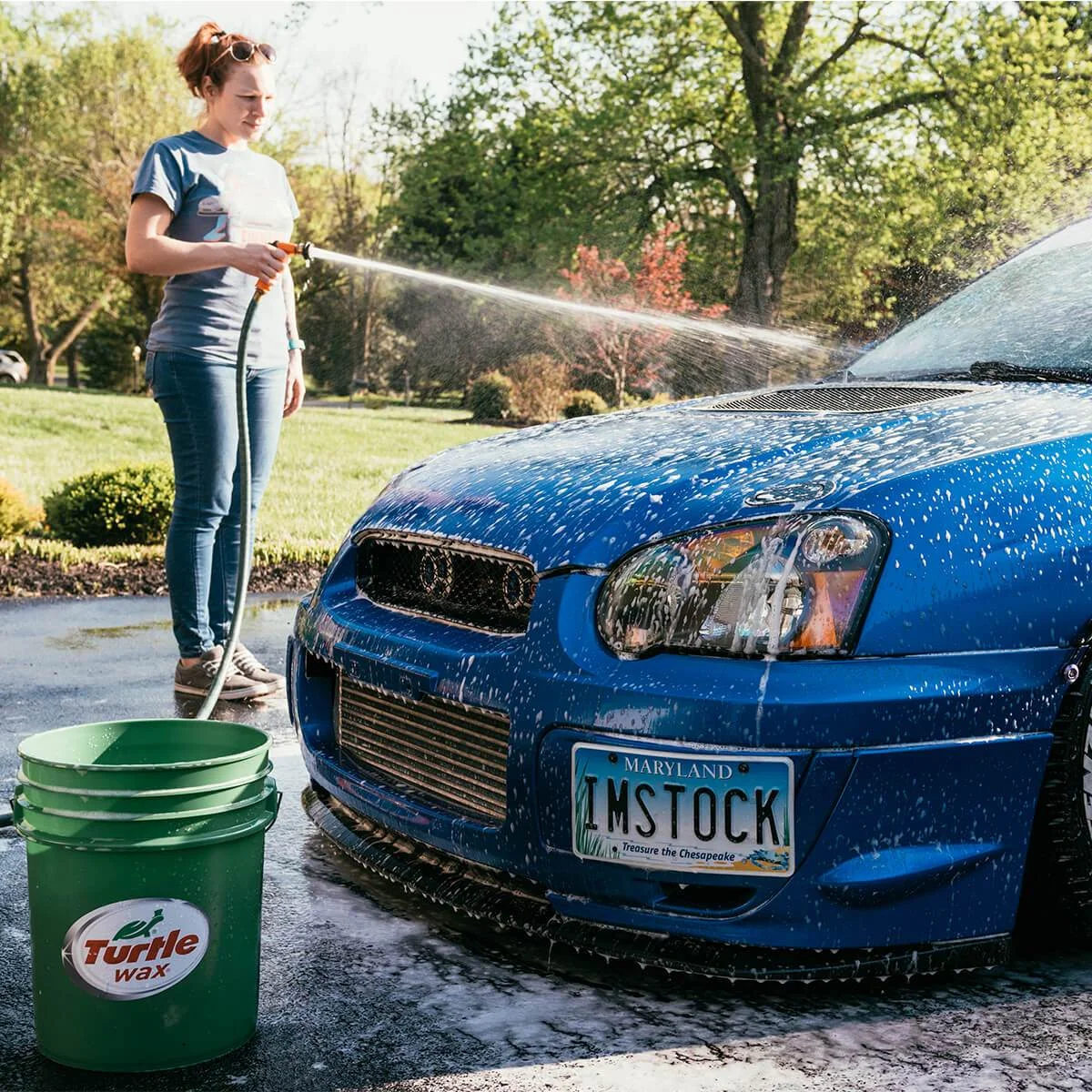
Spray the foam evenly over the car. Start at the bottom and move upward. Cover all surfaces, including wheels and lower panels. Let the foam sit for 3 to 5 minutes. This time helps break down dirt. Avoid letting foam dry on the car.
Scrubbing And Spot Cleaning
Scrubbing and spot cleaning are key steps after rinsing your car with a pressure washer. These steps help remove stubborn dirt and grime that water alone cannot wash away. Proper scrubbing protects the paint and keeps the car looking new.
Use a soft brush or wash mitt for scrubbing. Gently rub areas with dirt, bugs, or bird droppings. Focus on one section at a time to avoid missing spots. Avoid harsh scrubbing that might damage the paint.
Choosing The Right Tools For Scrubbing
Select tools made for car washing. A microfiber wash mitt or soft sponge works best. These materials hold soap and water well. They clean without scratching the paint.
Use a soft-bristle brush for wheels and tires. These areas usually have tough dirt and brake dust. A brush helps reach small crevices. Always rinse the brush after use.
Spot Cleaning Tough Stains
Target tough stains separately. Use a dedicated bug and tar remover for spots. Spray it directly on the stain and let it sit for a few minutes. Then, scrub gently and rinse.
For bird droppings, act fast. These can damage paint if left too long. Soften the spot with water, then clean carefully. Use a gentle cleaner to protect your car’s finish.
Scrubbing Techniques To Avoid Paint Damage
Use light pressure when scrubbing. Strong rubbing can cause scratches or swirl marks. Move your mitt or brush in straight lines, not circles. This reduces the risk of swirl marks.
Keep your mitt or sponge wet and full of soap. Dry scrubbing increases friction and can harm the paint. Rinse the mitt often to remove dirt and grit.
Credit: www.turtlewax.com
Final Rinse And Drying Techniques
The final rinse and drying steps complete the car washing process using a pressure washer. They remove leftover soap and prevent water spots that harm the paint. Proper techniques protect your car’s finish and keep it shining longer.
A thorough final rinse washes away all cleaning agents. Drying the car correctly stops water marks and streaks. Both steps are simple but vital for a spotless look.
Final Rinse: Use Low Pressure And Clean Water
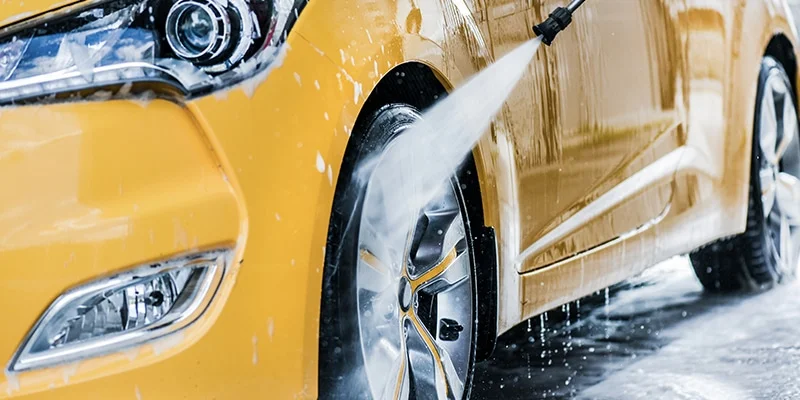
Switch the pressure washer to a low setting for the final rinse. Use clean water without soap or detergent. Start rinsing from the top of the car and move downward. This method removes any soap residue and dirt left behind.
A low-pressure rinse avoids damage to the paint and seals. It also helps water flow off the car smoothly, reducing spots.
Drying Techniques: Use Soft Towels Or Microfiber Cloths
Dry the car using soft towels or microfiber cloths. These materials absorb water without scratching the surface. Avoid rough towels or sponges that can leave marks.
Blot or gently wipe the car to dry. Work section by section to prevent water spots from forming. Change towels often if they become too wet.
Optional Drying Tools: Use A Leaf Blower Or Car Dryer
Use a leaf blower or car dryer to remove water from hard-to-reach areas. They blow water off mirrors, grilles, and door seals without contact. This method reduces the chance of scratches from wiping.
Finish by drying the larger flat areas with towels. This combination speeds up drying and protects the paint.
Credit: washh.com
Frequently Asked Questions
Is It Okay To Wash Your Car With A Pressure Washer?
Yes, washing your car with a pressure washer is safe if you use low pressure and keep the nozzle at least 12 inches away. Use a wide spray pattern and car-specific soap to avoid damaging the paint or trim.
How Do You Wash Your Car With A Pressure Washer?
Pre-rinse your car with a low-pressure, wide spray to remove loose dirt. Apply car-safe soap using a foam cannon. Let it sit briefly. Rinse from top to bottom with low pressure. Use a wash mitt for stubborn grime. Dry with a microfiber towel to avoid water spots.
Do You Need Soap When Pressure Washing A Car?
Yes, using a car-specific soap with a pressure washer helps remove dirt safely without damaging the paint or wax.
What Setting To Power Wash A Car?
Set the pressure washer to 1200-1900 PSI with a wide 25-degree nozzle. Keep a 12-18 inch distance to protect paint. Use car-specific soap and rinse from top to bottom.
Can I Safely Wash My Car With A Pressure Washer?
Yes, using the right pressure and nozzle keeps your car safe from damage.
Conclusion
Washing your car with a pressure washer saves time and effort. Always use low pressure to avoid damage. Apply car-safe soap for a thorough clean. Rinse well to remove all dirt and soap. Dry the car to prevent water spots.
Follow these steps for a clean, shiny vehicle every time. Simple, safe, and effective car washing made easy.
{ “@context”: “https://schema.org”, “@type”: “Article”, “headline”: “How to Wash Car With Pressure Washer: Ultimate Step-by-Step Guide”, “description”: “How to wash car with pressure washer explains using high-pressure water to clean vehicles effectively while preventing damage to paint and surfaces.”, “url”: “https://www.powertoolstoday.com/how-to-wash-car-with-pressure-washer/”, “datePublished”: “2025-12-10”, “dateModified”: “2026-03-18”, “author”: { “@type”: “Organization”, “name”: “Power Tools Today”, “url”: “https://www.powertoolstoday.com” }, “publisher”: { “@type”: “Organization”, “name”: “Power Tools Today”, “url”: “https://www.powertoolstoday.com” }, “mainEntityOfPage”: { “@type”: “WebPage”, “@id”: “https://www.powertoolstoday.com/how-to-wash-car-with-pressure-washer/” }, “image”: { “@type”: “ImageObject”, “url”: “https://www.powertoolstoday.com/wp-content/uploads/2025/11/how-to-wash-car-with-pressure-washer.jpg” } }{ “@context”: “https://schema.org”, “@type”: “Article”, “headline”: “How to Wash Car With Pressure Washer: Ultimate Step-by-Step Guide”, “description”: “How to wash car with pressure washer explains using high-pressure water to clean vehicles effectively while preventing damage to paint and surfaces.”, “url”: “https://www.powertoolstoday.com/how-to-wash-car-with-pressure-washer/”, “datePublished”: “2025-12-10”, “dateModified”: “2026-03-19”, “author”: { “@type”: “Organization”, “name”: “Power Tools Today”, “url”: “https://www.powertoolstoday.com” }, “publisher”: { “@type”: “Organization”, “name”: “Power Tools Today”, “url”: “https://www.powertoolstoday.com” }, “mainEntityOfPage”: { “@type”: “WebPage”, “@id”: “https://www.powertoolstoday.com/how-to-wash-car-with-pressure-washer/” }, “image”: { “@type”: “ImageObject”, “url”: “https://www.powertoolstoday.com/wp-content/uploads/2025/11/how-to-wash-car-with-pressure-washer.jpg” } }nnnn