
Last Updated: March 20, 2026
When it comes to tackling your woodworking projects, choosing the right saw can make all the difference. You might be wondering: should you go for a jigsaw or a miter saw?
Both tools have their strengths, but knowing which one fits your needs can save you time, effort, and frustration. Whether you’re aiming for smooth curves or sharp, precise angles, understanding the key differences will help you get the job done right.
Keep reading to discover which saw suits your project best and how to use it like a pro. Your perfect cut is just ahead!
Key Features Of Jigsaws
Jigsaws are versatile tools popular for their ability to cut various shapes and materials. Their unique design allows for curved and straight cuts with ease. Understanding the key features of jigsaws helps in choosing the right tool for your project.
These features make jigsaws different from other saws like miter saws. They are lightweight and easy to handle, perfect for detailed work. Below are the important features that define a jigsaw.
Blade Types And Versatility
Jigsaws use narrow blades that move up and down quickly. This allows cutting curves and intricate shapes. You can change blades for different materials like wood, metal, or plastic. This makes jigsaws very flexible for many tasks.
Variable Speed Control
Most jigsaws have variable speed settings. This helps control the cut speed for different materials. Slower speeds work well for metals, while faster speeds suit wood. Speed control improves accuracy and reduces damage to the material.
Orbital Action For Faster Cuts
Some jigsaws feature orbital action, which moves the blade slightly forward and backward. This creates faster and smoother cuts in wood. You can turn orbital action off for cleaner cuts in metal or plastic. It adds versatility to your cutting options.
Bevel Cutting Capability
Jigsaws can tilt their base plate to cut angles. This is useful for bevel cuts up to 45 degrees. Angle cutting helps in projects requiring angled edges or joints. It gives more flexibility than simple straight cuts.
Compact And Lightweight Design
Jigsaws are small and light, making them easy to control. This helps reduce user fatigue during long projects. Their size allows working in tight spaces. Portability is a key feature for home and DIY use.
Dust Blower And Extraction
Many jigsaws include a built-in dust blower. It clears sawdust from the cutting line for better visibility. Some models have a dust extraction port to connect a vacuum. Keeping the work area clean improves accuracy and safety.
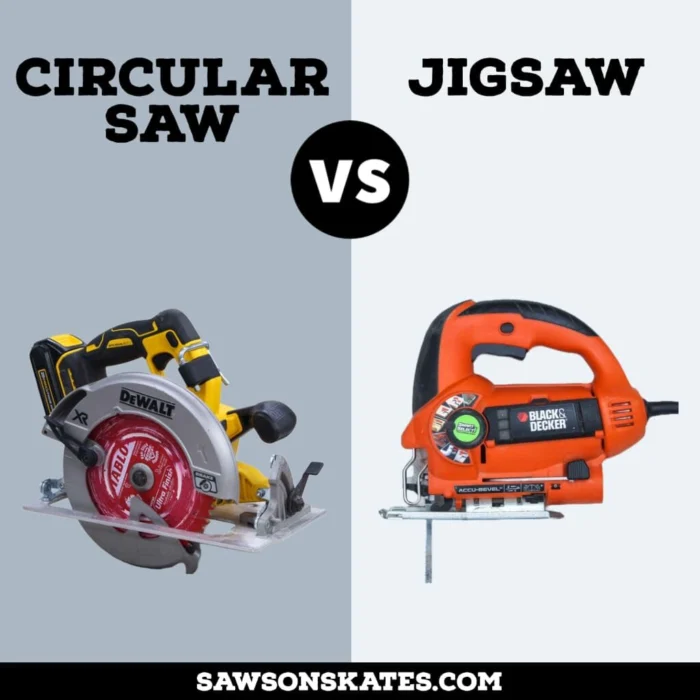
Credit: sawsonskates.com
Key Features Of Miter Saws
Miter saws are powerful tools designed for precise, angled cuts. They excel at making crosscuts, bevel cuts, and compound cuts. These saws are popular among woodworkers, carpenters, and DIY enthusiasts for their accuracy and ease of use.
Understanding the key features of miter saws helps you decide if this tool suits your woodworking needs. Below are some important aspects that define miter saws and set them apart from other saws.
Blade Size And Type
Miter saws come with various blade sizes, commonly 8, 10, or 12 inches. Larger blades cut thicker and wider materials. The blade type also matters; carbide-tipped blades offer durability and clean cuts.
Cutting Capacity
The cutting capacity indicates the maximum width and thickness the saw can cut. Sliding miter saws have a larger cutting capacity than fixed miter saws. This feature lets you handle bigger wood pieces with ease.
Bevel And Miter Angles
Miter saws can tilt to make bevel cuts and rotate to make miter cuts. Some models offer single bevel, while others provide dual bevel for more versatile angles. This flexibility allows for complex cuts on crown molding and frames.
Laser Guide And Led Light
Many miter saws include a laser guide or LED light to show the exact cut line. This feature improves accuracy and reduces mistakes. It is especially helpful in low-light conditions or detailed work.
Dust Collection System
A dust collection system helps keep your workspace clean by capturing sawdust. Efficient dust collection improves visibility and reduces cleanup time. Some saws connect to vacuum systems for better dust control.
Safety Features
Miter saws come with safety guards that cover the blade when not in use. Electric brakes stop the blade quickly after cutting. These features protect users from accidents and injuries.
Cutting Precision Comparison
Precision matters most in woodworking and DIY projects. Choosing the right saw affects the quality of your cuts. Both jigsaws and miter saws offer unique precision features. Understanding their strengths helps you pick the best tool for your needs.
Precision Of A Jigsaw
A jigsaw cuts with a small, straight blade moving up and down. It excels in cutting curves and irregular shapes. You can follow complex patterns easily. However, straight cuts might be less accurate without a guide. Fine control depends on steady hands and blade type. Jigsaws suit detailed work over long, straight cuts.
Precision Of A Miter Saw
A miter saw uses a circular blade that swings down to cut. It is designed for fast, straight, and angled cuts. The built-in angle guides and fences ensure consistent accuracy. Miter saws create clean, sharp edges with little effort. They handle crosscuts and bevel cuts very well. For precise corners and frames, miter saws outperform jigsaws.
Which Saw Offers Better Accuracy?
Miter saws provide superior accuracy for straight and angled cuts. Their fixed base and angle settings reduce errors. Jigsaws offer precision in detailed, curved cuts but need practice for straight cuts. The choice depends on your project’s cutting style. For framing or trim, the miter saw is best. For shapes and curves, the jigsaw shines.
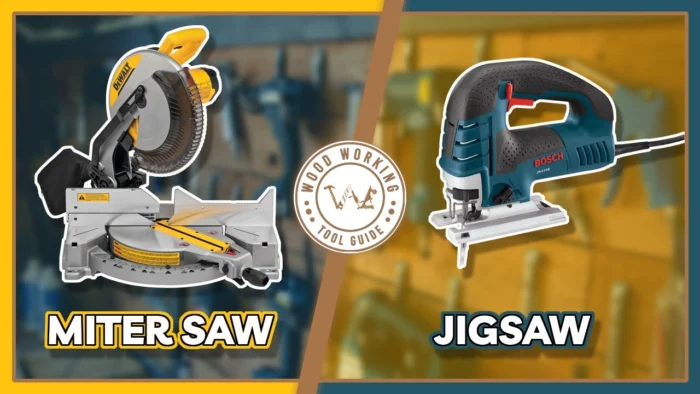
Credit: www.youtube.com
Best Uses For Each Saw
Choosing between a jigsaw and a miter saw depends on the type of cuts needed. Each saw fits specific tasks best. Understanding their uses helps pick the right tool. This section explains the best uses for each saw.
Best Uses For A Jigsaw
A jigsaw shines in making curved and intricate cuts. It easily cuts shapes in wood, plastic, and metal sheets. This saw works well for craft projects and DIY furniture. It also handles plunge cuts to start cuts inside material. Portability makes it useful for jobs away from the workshop. Its blade moves up and down, allowing more control on detailed cuts.
Best Uses For A Miter Saw
A miter saw excels at straight, angled, and precise cuts. It is perfect for trimming wood, molding, and framing. This saw cuts crosscuts, bevels, and compound angles with ease. It works fast and clean, saving time on repetitive cuts. Ideal for projects needing accuracy like door frames and picture frames. The fixed base and sliding arm provide stability and power for thick wood.
Safety Tips For Jigsaws And Miter Saws
Working safely with power tools like jigsaws and miter saws is very important. Both tools can cause serious injuries if not handled correctly. Following safety tips helps prevent accidents and ensures smooth work. Here are some key safety tips for jigsaws and miter saws.
Proper Eye And Ear Protection
Always wear safety goggles to protect your eyes from flying debris. Use earplugs or earmuffs to protect your hearing from loud noise. These protections reduce the risk of injury and make working more comfortable.
Secure The Workpiece Firmly
Clamp the wood or material before cutting. This prevents movement and keeps cuts precise. A stable workpiece lowers the chance of slips that can cause accidents.
Keep Hands Away From The Blade
Maintain a safe distance between your hands and the blade. Use push sticks or guides for small pieces. Never reach near the blade while the tool is running.
Inspect Tools Before Use
Check the blade for sharpness and damage. Replace dull or broken blades immediately. Confirm that guards and safety features are in place and working well.
Use The Right Blade For The Job
Select blades designed for the material you cut. Using the wrong blade can cause kickbacks or poor cuts. Follow manufacturer guidelines to choose the correct blade type.
Follow Proper Cutting Techniques
Start the saw before contacting the material. Cut at a steady, controlled pace. Avoid forcing the blade through the material. These actions reduce blade wear and improve safety.
Choosing The Right Saw For Your Project
Choosing the right saw for your project makes a big difference in your work. Each saw type suits different tasks and materials. Knowing their strengths helps you work faster and better.
Jigsaws and miter saws serve unique purposes. Picking the right one saves time and effort. Focus on the type of cut and material for your project.
Understanding The Purpose Of A Jigsaw
A jigsaw cuts curves and shapes in wood or metal. It uses a small blade that moves up and down. This tool works well for detailed and creative cuts. It is lightweight and easy to control. Ideal for projects needing curved or irregular cuts.
When To Use A Miter Saw
A miter saw makes straight, angled, and beveled cuts. It uses a circular blade that swings down onto the material. Perfect for cutting molding, trim, and framing pieces. Offers precision and speed for straight cuts. Best choice for projects needing accurate angles.
Material And Cut Type Considerations
Think about the material you will cut. Wood, plastic, or metal need different blades and saw types. Also, consider if cuts are straight or curved. For straight cuts, a miter saw works better. For curves or complex shapes, choose a jigsaw.
Portability And Workspace Size
Jigsaws are compact and easy to carry. Good for small or tight spaces. Miter saws are larger and need a stable surface. Choose a saw that fits your workspace and transport needs.
Skill Level And Safety
Jigsaws are simple to use for beginners. They require less setup and adjustment. Miter saws need more skill and care. Safety guards and proper use are important with miter saws. Pick a saw that matches your experience and comfort.
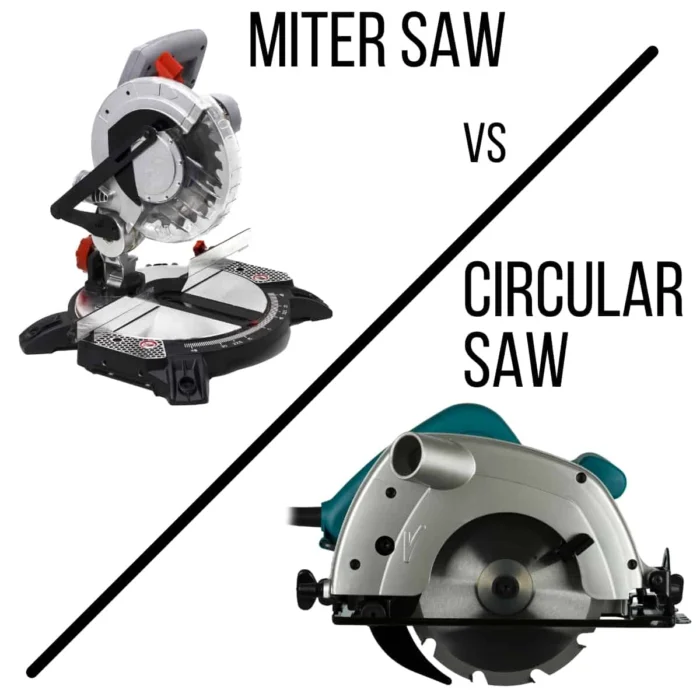
Credit: www.thehandymansdaughter.com
Frequently Asked Questions
What Is The Difference Between A Jigsaw And A Miter Saw?
A jigsaw cuts curves and irregular shapes, while a miter saw makes precise angled, straight, and bevel cuts.
What Should You Never Cut With A Miter Saw?
Never cut materials too small to hold safely or make free-hand cuts with a miter saw. Avoid cutting metal, masonry, or plastics not suited for its blade. Always use proper blades and secure the workpiece firmly to prevent accidents and ensure accurate cuts.
Can I Cut A 2×4 With A Jigsaw?
Yes, you can cut a 2×4 with a jigsaw. Use a fine-tooth blade and steady, slow pressure for best results.
What Is Better, A Jigsaw Or Circular Saw?
A circular saw delivers straight, fast cuts for large projects. A jigsaw excels at curved, detailed cuts. Choose based on your cutting needs.
What Is The Main Difference Between A Jigsaw And A Miter Saw?
A jigsaw cuts curves and irregular shapes, while a miter saw makes precise straight and angled cuts.
Which Saw Is Better For Making Angled Cuts In Wood?
A miter saw is best for accurate angled cuts and bevels on wood pieces.
Conclusion
Both jigsaws and miter saws have unique strengths for cutting wood. Jigsaws handle curves and irregular shapes with ease. Miter saws deliver clean, straight, and angled cuts quickly. Choose based on the type of cuts your project needs. Understanding their differences helps you work smarter and safer.
Each tool fits specific tasks and skill levels. Use them correctly to achieve the best results. Your woodworking projects will benefit from the right saw choice.
{ “@context”: “https://schema.org”, “@type”: “Article”, “headline”: “Jigsaw Vs Miter Saw: Ultimate Showdown for Precision Cuts”, “description”: “Jigsaw vs miter saw compares two cutting tools: jigsaws for curved cuts and versatility, miter saws for precise angled crosscuts in woodworking.”, “url”: “https://www.powertoolstoday.com/jigsaw-vs-miter-saw/”, “datePublished”: “2025-11-14”, “dateModified”: “2026-03-18”, “author”: { “@type”: “Organization”, “name”: “Power Tools Today”, “url”: “https://www.powertoolstoday.com” }, “publisher”: { “@type”: “Organization”, “name”: “Power Tools Today”, “url”: “https://www.powertoolstoday.com” }, “mainEntityOfPage”: { “@type”: “WebPage”, “@id”: “https://www.powertoolstoday.com/jigsaw-vs-miter-saw/” }, “image”: { “@type”: “ImageObject”, “url”: “https://www.powertoolstoday.com/wp-content/uploads/2025/11/Jigsaw-Vs-Miter-Saw–1024×576.webp” } }{ “@context”: “https://schema.org”, “@type”: “Article”, “headline”: “Jigsaw Vs Miter Saw: Ultimate Showdown for Precision Cuts”, “description”: “Jigsaw vs miter saw compares two cutting tools: jigsaws for curved cuts and versatility, miter saws for precise angled crosscuts in woodworking.”, “url”: “https://www.powertoolstoday.com/jigsaw-vs-miter-saw/”, “datePublished”: “2025-11-14”, “dateModified”: “2026-03-19”, “author”: { “@type”: “Organization”, “name”: “Power Tools Today”, “url”: “https://www.powertoolstoday.com” }, “publisher”: { “@type”: “Organization”, “name”: “Power Tools Today”, “url”: “https://www.powertoolstoday.com” }, “mainEntityOfPage”: { “@type”: “WebPage”, “@id”: “https://www.powertoolstoday.com/jigsaw-vs-miter-saw/” }, “image”: { “@type”: “ImageObject”, “url”: “https://www.powertoolstoday.com/wp-content/uploads/2025/11/Jigsaw-Vs-Miter-Saw–1024×576.webp” } }nn