
Last Updated: March 20, 2026
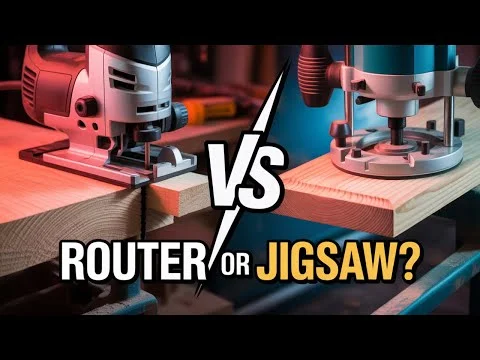
When it comes to woodworking or DIY projects, choosing the right tool can make all the difference in your results—and your frustration level. You might be wondering, should you reach for a jigsaw or a router?
Both are powerful tools, but they serve very different purposes. If you want to cut curves or make internal cuts in thick or tricky spots, a jigsaw might be your go-to. On the other hand, if your project calls for smooth, precise edges, decorative profiles, or joinery, a router could be exactly what you need.
You’ll discover the key differences between these tools, when to use each one, and how to get the best results for your projects. Keep reading, and by the end, you’ll know exactly which tool fits your woodworking style—and why.
Credit: diy.stackexchange.com
Tool Functions
Understanding the functions of a jigsaw and a router helps choose the right tool. Both tools serve different purposes in woodworking. Each has strengths that suit specific tasks. Knowing these differences improves your work quality and efficiency.
Jigsaw Functions
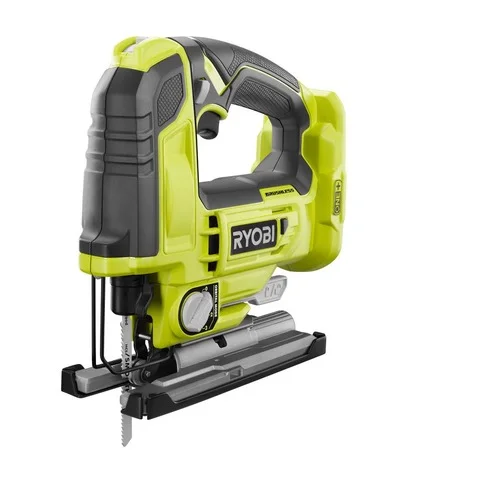
A jigsaw excels at cutting curves and shapes in wood and other materials. It is perfect for making internal cutouts or working in tight spaces. The blade moves up and down, allowing for freehand cuts. Jigsaws handle thicker materials and rough cuts well. They offer good control for curved or irregular cuts. However, the cuts may need extra sanding or finishing for smooth edges.
Router Functions
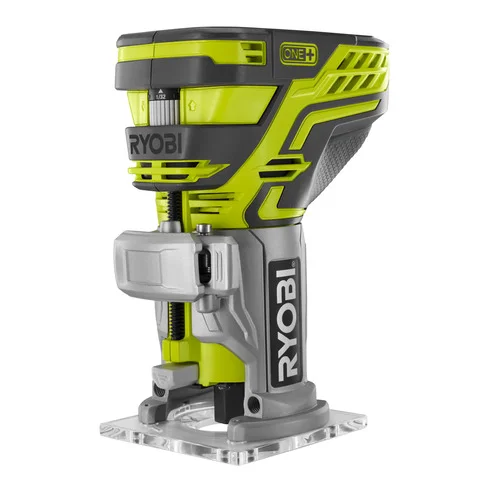
A router is designed for precise and detailed work on wood edges. It trims edges, creates decorative profiles, and shapes joinery. The bit spins at high speed, cutting clean and smooth edges. Routers work best with templates or guides for accuracy. They are ideal for straight cuts or complex curves. The finish from a router usually requires little to no extra sanding.
Cutting Capabilities
Cutting capabilities define how well a tool performs specific tasks. Both jigsaws and routers have unique strengths in cutting wood and other materials. Understanding these differences helps you pick the right tool for your project.
Jigsaw Cutting Capabilities
A jigsaw excels at cutting curves and making internal cuts. It works well in tight spaces where other tools cannot reach. Jigsaws can cut through thicker materials using different blades. This tool offers good control for freehand cuts. The cuts are often rougher and may need sanding after. It is perfect for rough shapes and quick jobs.
Router Cutting Capabilities
A router focuses on precision and detail work. It cuts clean edges and creates decorative profiles. Routers work best with templates or guides for straight or complex curves. This tool is ideal for joinery and finishing touches. The cuts are smooth and require little to no finishing. Routers need a steady hand or jigs for best results.
Control And Precision
Control and precision define how well a tool performs in woodworking tasks. Each tool offers unique strengths in guiding cuts and shaping wood. Understanding these differences helps pick the right tool for specific jobs.
Control With A Jigsaw
A jigsaw excels in freehand cutting and tight spaces. Its handle design and blade movement allow easy maneuvering along curves. Users can guide the blade smoothly to follow complex lines. This tool offers strong directional control, especially on thicker materials. However, its cuts might be less smooth, requiring extra sanding.
Precision With A Router
A router provides high precision for detailed work. It works best with jigs or templates to keep cuts exact. The router bit follows the guide closely, creating clean, sharp edges. This tool is ideal for finishing edges and decorative profiles. It demands steady hands or guides to maintain perfect lines.
Comparing Control And Precision
The jigsaw offers more freedom in movement, useful for rough cuts and curves. The router limits movement but delivers sharper, cleaner results. Jigsaws are better for internal cuts and awkward angles. Routers shine in tasks needing smooth finishes and exact shapes. Choosing between them depends on the balance of control and precision needed for the project.
Finish Quality
The quality of the finish defines the final look of your woodworking project. Finish quality is key for both jigsaws and routers but varies by tool. Each tool leaves a different edge and surface texture on the wood.
Jigsaw Finish Quality
A jigsaw cuts with a blade that moves up and down quickly. This action can cause rougher edges on wood. The finish is less smooth and may need sanding after cutting. Jigsaws work well for rough cuts and curves but don’t create perfect edges. Blade choice impacts the smoothness of the cut. Fine-toothed blades give a cleaner cut but still less smooth than a router.
Router Finish Quality
A router spins a bit at high speed to trim and shape wood edges. This tool creates very smooth and clean finishes. Routers are ideal for detailed work and decorative edges. They leave sharp, precise lines with little to no sanding needed. Using a guide or template helps maintain consistent, smooth cuts. Routers produce a professional look on edges and surfaces.
Comparing Edge Smoothness
Jigsaw edges often require more finishing work. Sanding and filing are common after jigsaw cuts. Router edges usually come ready to finish or paint. The router’s spinning bit slices cleanly through wood fibers. This results in fewer splinters and smoother edges than a jigsaw.
Impact Of Material Thickness
Thicker materials can challenge finish quality. Jigsaws handle thick wood but leave rougher edges. Routers manage thick materials well but need proper bits. For thick wood, routers provide cleaner, sharper finishes. Jigsaws are better for quick cuts but less refined edges.
Versatility And Use Cases
Understanding the versatility and use cases of both jigsaws and routers helps choose the right tool.
Each tool serves different purposes in woodworking and DIY projects. Knowing their strengths guides smarter decisions.
Versatility Of The Jigsaw
A jigsaw excels at cutting curves and shapes in wood, plastic, and metal. It handles internal cutouts well. This tool works in tight spaces and on thicker materials. Its freehand control allows quick adjustments during cutting. Jigsaws can perform rough cuts or cleaner cuts with different blades. They are ideal for irregular or non-linear cuts.
Versatility Of The Router
Routers are perfect for detailed work like shaping edges and creating decorative patterns. They trim edges with precision and create joinery. Routers often use templates or jigs for straight or complex curves. The cutting finish is smooth and clean, reducing the need for sanding. This tool suits finishing work and adding professional touches.
Use Cases For The Jigsaw
Jigsaws cut curves on furniture parts and make internal holes. They work well for DIY crafts and home repairs. This tool is handy for cutting out sink holes in countertops. It easily cuts through plywood, drywall, and laminates. The jigsaw’s portability helps in projects requiring quick, flexible cuts.
Use Cases For The Router
Routers shape cabinet doors, create grooves, and make decorative edges. They cut mortises and dados for joinery. This tool is essential for cabinetry and furniture making. Routers help create consistent, repeatable shapes using templates. They improve the quality and appearance of finished woodwork.
Credit: diy.stackexchange.com
Choosing The Right Tool
Choosing the right tool for your woodworking project affects the final result and ease of work. Both jigsaws and routers have unique strengths. Knowing their differences helps you pick the best one for your task. Consider the type of cut, material, and detail needed before deciding.
Understanding The Purpose Of Each Tool
A jigsaw cuts curves and makes internal cutouts easily. It works well in tight spaces and on thicker materials. Routers create precise edges, decorative profiles, and joinery details. They are perfect for smooth, clean finishes.
Evaluating Cutting Needs
Choose a jigsaw for freehand and rough cuts. It offers good control and can handle complex shapes. Pick a router for detailed trimming and repetitive patterns. It follows templates for consistent, accurate cuts.
Considering Finish Quality
Jigsaw cuts often require extra sanding and finishing. Routers produce smooth, polished edges right away. For final touches, routers save time and effort on cleanup.
Assessing Work Environment
Jigsaws are lightweight and portable. They perform well in awkward or hard-to-reach spots. Routers need steady setups and sometimes jigs or templates. They work best on flat, stable surfaces.
Matching Tool To Project Type
Use a jigsaw for general cutting, curves, and quick jobs. Use a router for cabinetry, furniture edges, and decorative woodwork. Select the tool that fits your project’s complexity and detail.
Credit: www.youtube.com
Frequently Asked Questions
What’s Better, A Jigsaw Or A Router?
A jigsaw excels at cutting curves and internal shapes, especially in tight spaces. A router offers precise edging, decorative profiles, and smooth finishes. Choose a jigsaw for versatile, rough cuts; select a router for detailed, clean, and professional-looking work.
What Do Americans Call A Jigsaw?
Americans call a jigsaw a “jigsaw” or sometimes a “sabre saw. ” It’s a versatile tool for cutting curves and shapes.
Can A Router Be Used To Cut Wood?
A router shapes edges, trims, and creates smooth profiles but is not designed for cutting wood pieces. Use a saw for cutting.
What’s Better Than A Jigsaw?
A router outperforms a jigsaw in precision, edge finishing, and decorative cuts. Jigsaws excel at curves and internal cuts. Choose a router for smooth, detailed work and a jigsaw for versatile, rough cuts in tight spaces.
What Is The Main Difference Between A Jigsaw And A Router?
A jigsaw cuts curves and internal shapes, while a router shapes edges and makes smooth finishes.
Which Tool Is Better For Cutting Curves, Jigsaw Or Router?
A jigsaw is better for freehand cutting curves, especially in thick or hard-to-reach areas.
Conclusion
Choosing between a jigsaw and a router depends on your project needs. Jigsaws cut curves and thick materials with ease. Routers excel in precise, clean edges and decorative work. Both tools have unique strengths. Consider the type of cuts and finish quality you want.
Using the right tool saves time and improves results. Keep your projects simple by matching the tool to the task. This way, your woodworking will be smoother and more enjoyable.
{ “@context”: “https://schema.org”, “@type”: “Article”, “headline”: “Jigsaw Vs Router: Ultimate Guide to Choose the Best Tool”, “description”: “Jigsaw vs router compares two woodworking tools: a jigsaw for curved cuts and a router for shaping edges and intricate designs in wood.”, “url”: “https://www.powertoolstoday.com/jigsaw-vs-router/”, “datePublished”: “2025-11-17”, “dateModified”: “2026-03-18”, “author”: { “@type”: “Organization”, “name”: “Power Tools Today”, “url”: “https://www.powertoolstoday.com” }, “publisher”: { “@type”: “Organization”, “name”: “Power Tools Today”, “url”: “https://www.powertoolstoday.com” }, “mainEntityOfPage”: { “@type”: “WebPage”, “@id”: “https://www.powertoolstoday.com/jigsaw-vs-router/” }, “image”: { “@type”: “ImageObject”, “url”: “https://www.powertoolstoday.com/wp-content/uploads/2025/11/jigsaw-vs-router.webp” } }nn