
Last Updated: March 21, 2026
Are mosquitoes ruining your outdoor time? What if you could turn your leaf blower into a powerful mosquito fogger and reclaim your yard?
You’re about to discover a simple DIY method that can help you do just that. This guide will walk you through the steps to transform your leaf blower into an effective mosquito fogger, saving you money and giving you more comfort outside.
Ready to learn how? Keep reading to find out how you can make this handy tool work for you.
Tools And Materials Needed
Before starting your project to convert a leaf blower into a mosquito fogger, gather all necessary tools and materials. Having everything ready makes the process smoother and safer. This section lists all items you will need for the conversion.
Leaf Blower
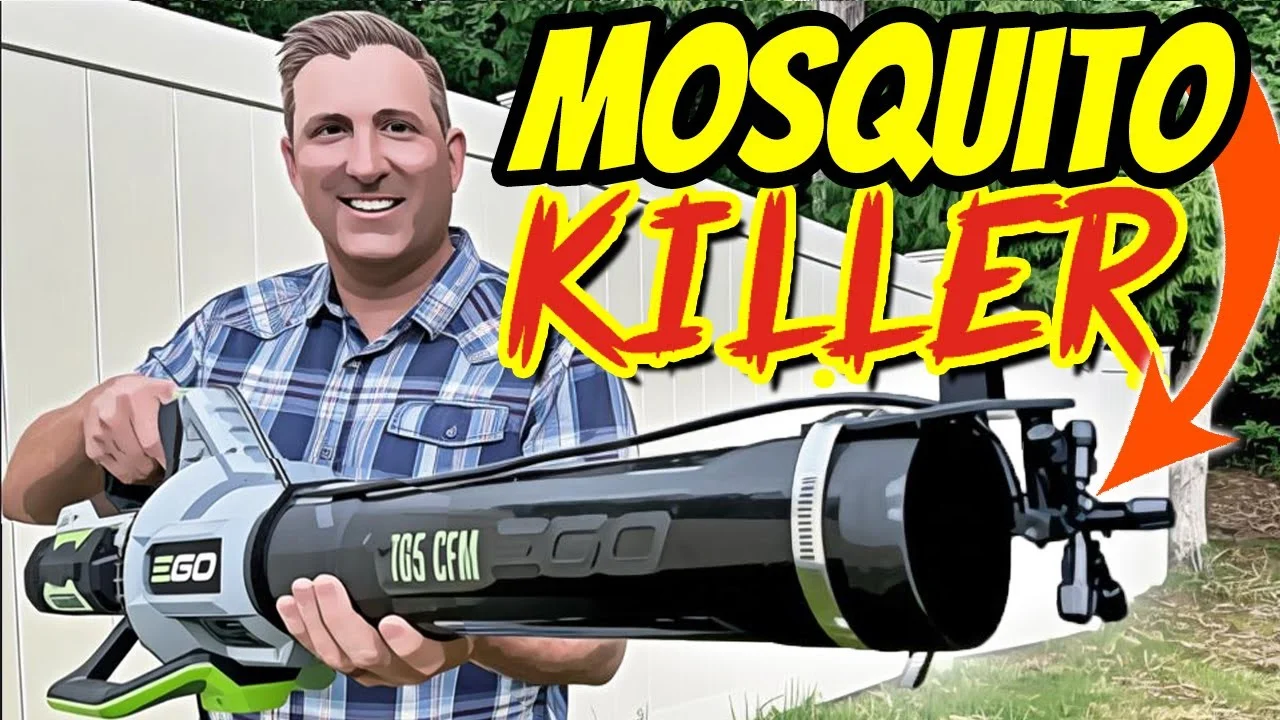
Choose a gas-powered or electric leaf blower with good airflow. It will serve as the base for your mosquito fogger. A sturdy blower handles the additional attachments well.
Container For Insecticide
Use a plastic bottle or small spray tank to hold the mosquito insecticide. The container must attach securely to the blower. Avoid containers that are too heavy or large.
Flexible Tubing
Flexible tubing connects the insecticide container to the fogger nozzle. It allows insecticide to flow easily. Choose tubing that fits snugly to avoid leaks.
Fogger Nozzle
The nozzle disperses the insecticide as a fine fog. It should fit the blower’s air outlet. A good nozzle ensures even fog distribution.
Clamps And Fasteners
Use clamps to secure the tubing and container to the leaf blower. Fasteners keep all parts stable during use. Strong clamps prevent leaks and tipping.
Protective Gear
Wear gloves, safety goggles, and a mask while assembling and using the fogger. Mosquito insecticide can be harmful. Protect your skin and eyes from chemicals.
Credit: tomahawk-power.com
Preparing The Leaf Blower
Preparing the leaf blower is the first step to convert it into a mosquito fogger. This process involves cleaning, modifying, and setting up the blower for safe and effective fogging. Careful preparation ensures the device works well and sprays insecticide evenly.
Start by checking the leaf blower for any damage or loose parts. A well-maintained blower lasts longer and performs better as a fogger. Remove any debris, dirt, or leaves from the air intake and exhaust areas to keep airflow smooth.
Cleaning The Leaf Blower
Turn off the blower and disconnect it from the power source. Use a soft brush or cloth to clean the air intake and outlet. Clear any blockages that might reduce airflow. Clean the nozzle to ensure fog disperses evenly.
Modifying The Air Outlet
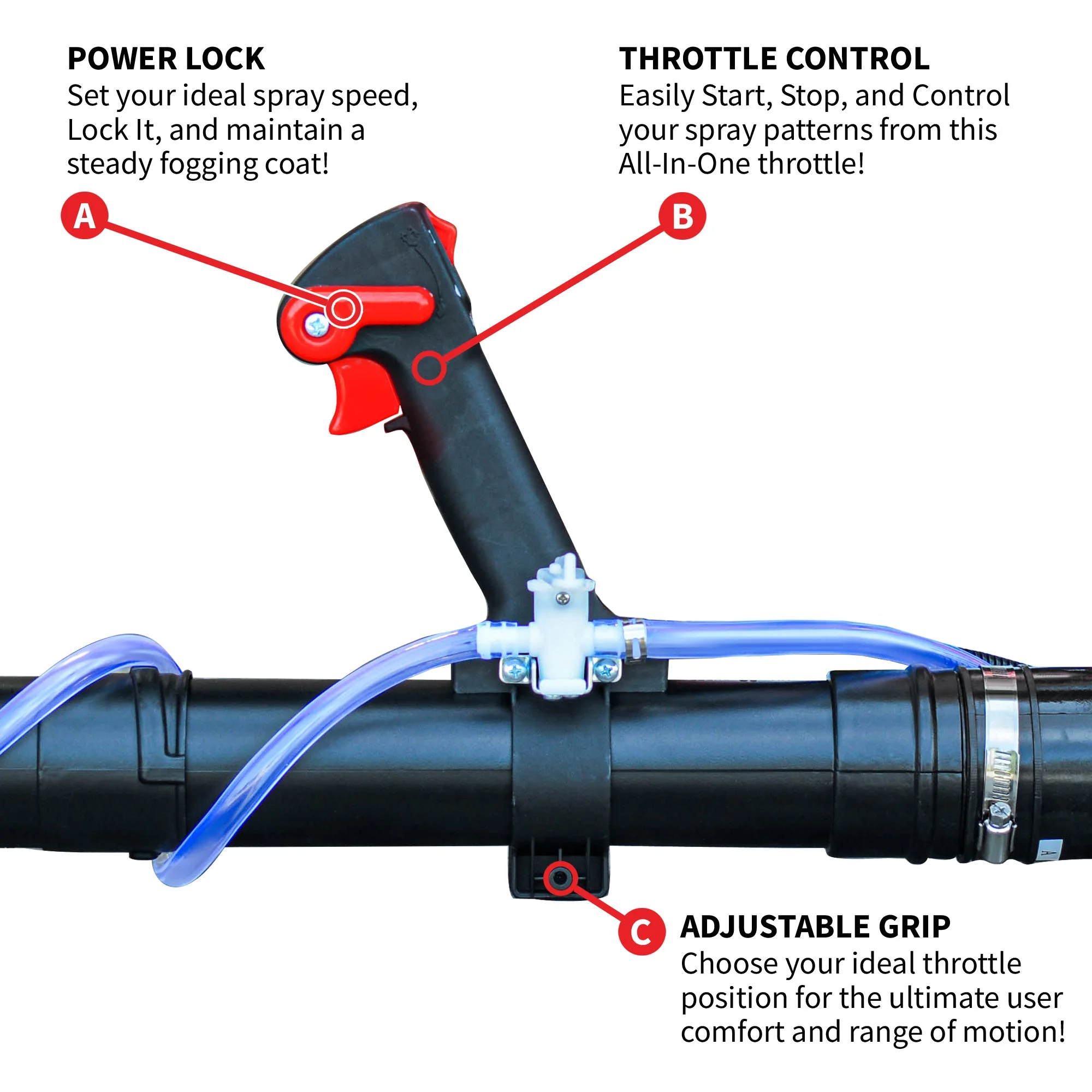
Remove the existing nozzle if needed. Attach a fogger nozzle designed to disperse fine mist. Secure the nozzle tightly to avoid leaks. Use clamps or tape for extra support if necessary.
Attaching The Insecticide Container
Choose a small container to hold the insecticide. A plastic bottle or spray tank works well. Secure the container to the blower using straps or brackets. Make sure it is stable and will not tip during use.
Use flexible tubing to link the insecticide container to the fogger nozzle. Cut tubing to the right length for easy handling. Secure connections with clamps to prevent leaks. Check all attachments before starting fogging.
Setting Up The Insecticide Container
Setting up the insecticide container is a key step in converting a leaf blower into a mosquito fogger. This container holds the insecticide solution that will be dispersed as fog. Proper setup ensures efficient fogging and prevents leaks or spills.
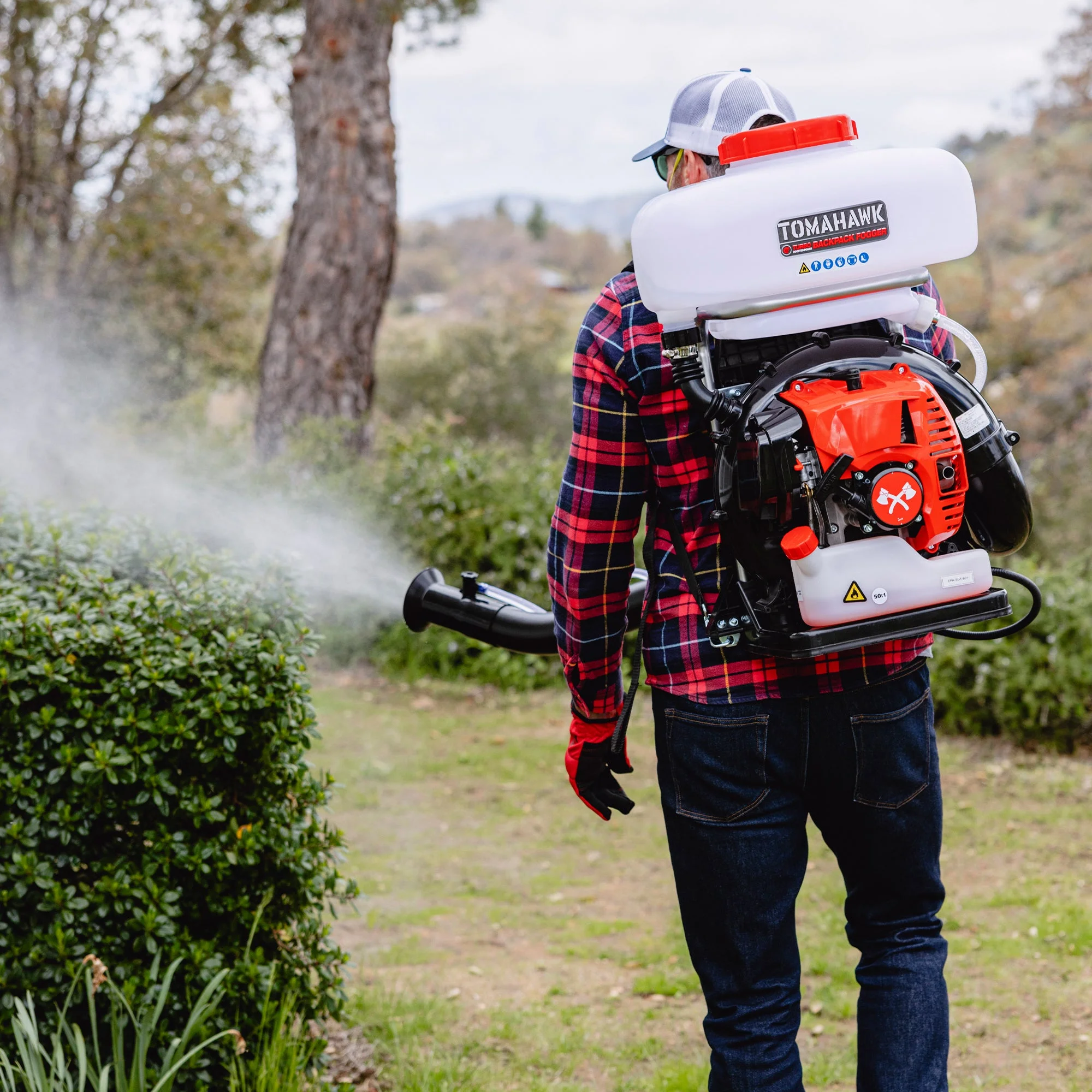
Choose a container that fits well on your leaf blower. Common options include plastic bottles or small spray tanks. The container must be sturdy and easy to clean after use.
Choosing The Right Container
Select a container that seals tightly to avoid leaks. Plastic bottles with screw caps work well. Avoid containers made of materials that can react with insecticides. The container should be lightweight to avoid tipping or imbalance.
Attaching The Container Securely
Use strong straps or brackets to fasten the container to the blower. Make sure it stays stable during operation. Position the container so it does not block air flow or controls. Tighten clamps or straps firmly to prevent movement.
Connecting The Tubing
Attach flexible tubing from the container to the fogger nozzle. The tubing must be airtight to prevent leaks. Use hose clamps to secure the tubing at both ends. Cut the tubing to the correct length to avoid kinks or bends.
Checking For Leaks
Before use, fill the container with water to test for leaks. Look for drips around connections and tubing. Tighten clamps or reposition the container if needed. A leak-free setup ensures safe and effective fogging.
Credit: tomahawk-power.com
Connecting Tubing And Nozzle
Connecting the tubing and nozzle is a key step in turning a leaf blower into a mosquito fogger. This connection controls how the insecticide flows and disperses. A secure setup prevents leaks and ensures the fog spreads evenly. The tubing links the container holding the insecticide to the nozzle, which releases the fog. Proper connection improves the fogger’s efficiency and safety.
Choosing The Right Tubing
Use flexible tubing that fits snugly on both the container and nozzle. Clear vinyl tubing works well because it is durable and easy to clean. The tubing should be long enough to reach without stretching or kinking. Avoid thin or brittle tubing that can crack or leak.
Securing The Tubing
Attach the tubing firmly to the container’s outlet and to the fogger nozzle. Use hose clamps or zip ties to keep the tubing tight. This prevents insecticide from leaking during use. Check the connections before each use to make sure they hold well.
Attaching The Nozzle
Connect the nozzle to the leaf blower’s air outlet. The nozzle controls the fog’s spray pattern and distance. Choose a nozzle that fits the blower and tubing size. Tighten the nozzle securely to avoid it coming loose while fogging.
Securing Components And Preventing Leaks
Securing components and preventing leaks is vital when converting a leaf blower into a mosquito fogger. Proper attachment ensures the fogger works efficiently and safely. Loose parts can cause leaks, wasting insecticide and reducing fogging power. Tight connections keep the insecticide flowing where it should.
Use strong clamps or zip ties to fasten the insecticide container firmly to the blower. This stops the container from tipping or falling during use. A stable setup prevents spills and keeps the device balanced for easier handling.
Securing The Insecticide Container
Choose a container that fits well on the leaf blower. Attach it using sturdy straps or brackets. Make sure it does not move or shake while operating. Check the container for cracks or weak spots before use. A solid container holds the liquid safely without leaks.
Connecting Tubing Without Leaks
Use flexible tubing to link the container to the fogger nozzle. Cut the tubing to the right length for a neat fit. Secure each end with hose clamps or cable ties. Tighten clamps to stop any gaps where liquid could escape. Test for leaks by filling the container and watching closely.
Attaching The Fogger Nozzle Firmly
Fix the fogger nozzle firmly at the blower’s air outlet. Use screws or strong adhesive if needed. The nozzle must not wobble or detach during use. A secure nozzle directs the insecticide mist correctly for best coverage.
Operating The Mosquito Fogger Safely
Operating a mosquito fogger made from a leaf blower requires care and attention. Safety should always come first to avoid accidents and health risks. Proper handling ensures the fogger works effectively and protects you and others nearby.
Wear Protective Gear
Always wear gloves, goggles, and a mask. These protect your skin, eyes, and lungs from insecticide exposure. Long sleeves and pants add extra safety.
Choose The Right Location
Use the fogger outdoors only. Avoid enclosed spaces to prevent inhaling harmful chemicals. Stay away from open windows and doors of homes or buildings.
Check The Equipment Before Use
Inspect the leaf blower and tubing for leaks or damage. Secure all connections tightly. A loose part can cause spills or reduce fogging efficiency.
Keep People And Pets Away
Clear the area of children, pets, and others. Insecticides can be harmful to them. Inform neighbors if you fog near their property.
Follow Chemical Instructions
Use only approved insecticides and mix as directed. Overuse can harm plants, animals, and people. Store chemicals safely after use.
Operate In Calm Weather
Fog when wind is low to keep the spray targeted. Wind can blow chemicals into unwanted areas or back toward you.
Clean Up After Fogging
Wash your hands and clothes thoroughly. Rinse the fogger parts to remove residue. Proper cleanup prevents accidental exposure later.
Natural Alternatives For Mosquito Control
Natural alternatives offer safe and effective ways to control mosquitoes. These options reduce chemical use and protect the environment. Using natural methods can also keep your family and pets safe from harsh pesticides.
Natural mosquito control involves removing breeding grounds and using plant-based repellents. Creating homemade traps can also help reduce mosquito populations around your home.
Eliminate Breeding Grounds
Remove standing water to stop mosquitoes from laying eggs. Check gutters, flowerpots, birdbaths, and any containers regularly. Empty or cover these to prevent water collection.
Use mosquito dunks in water that cannot be emptied. These contain safe bacteria that kill mosquito larvae without harming other wildlife. Place dunks in rain barrels or ponds.
Grow mosquito-repellent plants like citronella, basil, and lavender. These plants naturally keep mosquitoes away and add beauty to your garden.
Make Natural Repellents
Use lemon eucalyptus oil as a natural spray. Mix it with water and witch hazel for an effective mosquito repellent. Apply on skin and clothing for protection.
Other essential oils like peppermint, lavender, tea tree, and orange also work well. Combine them to create your own mosquito repellent blend at home.
Create Homemade Mosquito Traps
Make traps using sugar, yeast, and water to attract mosquitoes. The yeast produces carbon dioxide, drawing mosquitoes into the trap. They get caught and cannot escape.
Use a fan with a mesh screen to catch mosquitoes. The fan blows mosquitoes into the screen where they are trapped. This method reduces mosquitoes without chemicals.
Maintenance And Storage Tips
Proper maintenance and storage keep your leaf blower mosquito fogger working well. Regular care stops damage and extends its life. Follow simple steps to clean, check, and store your device safely. This prevents problems and ensures safe use next time.
Cleaning After Use
Empty the insecticide container after every use. Rinse the container with water to remove residue. Wipe the fogger nozzle and tubing with a damp cloth. Clean the leaf blower air filter and vents to avoid clogging. Keep all parts dry before storage to stop rust or mold.
Inspecting For Wear And Damage
Check the tubing for cracks or leaks regularly. Look at clamps and connections to ensure they are tight. Examine the nozzle for blockages or wear. Test the leaf blower’s engine or motor before each use. Replace any worn or broken parts to keep it safe.
Safe Storage Practices
Store the fogger in a cool, dry place away from sunlight. Keep it out of reach of children and pets. Remove the insecticide container if storing for a long time. Cover the leaf blower to protect it from dust and dirt. Avoid storing near open flames or heat sources.
Credit: www.youtube.com
Frequently Asked Questions
How To Turn Leaf Blower Into Mosquito Fogger?
Attach a container to hold insecticide securely on the leaf blower. Connect it to a fogger nozzle using flexible tubing and clamps. Fix the nozzle at the blower’s end. Use the blower to disperse the insecticide as fog for mosquito control.
How To Make Mosquito Fogger At Home?
Making a mosquito fogger at home is unsafe and not recommended. Instead, eliminate breeding sites and use natural repellents or traps for effective control.
What Is The Best Homemade Mosquito Killer?
The best homemade mosquito killer removes standing water and uses natural repellents like lemon eucalyptus oil spray. DIY traps with sugar, yeast, and water attract mosquitoes effectively. Fans also help by disrupting mosquito flight and drying them out in mesh traps.
What Can I Use In A Mosquito Fogger?
Use EPA-approved insecticides labeled for foggers, such as permethrin or pyrethrin solutions. Never use homemade mixtures.
How Can I Convert A Leaf Blower Into A Mosquito Fogger?
Attach a container for insecticide to the blower and connect it with tubing to a fogger nozzle.
Conclusion
Turning a leaf blower into a mosquito fogger can save time and money. Follow steps carefully for safety and effectiveness. Use secure containers and tubing to prevent leaks. Always handle insecticides with caution and wear protective gear. Remember, proper maintenance keeps your fogger working well.
This DIY method helps control mosquitoes around your home. Stay safe and enjoy a mosquito-free yard this season.
{ “@context”: “https://schema.org”, “@type”: “Article”, “headline”: “How to Make Leaf Blower to a Mosquito Fogger: Easy DIY Guide”, “description”: “Learn how to make leaf blower to a mosquito fogger by adapting airflow and spray methods to effectively disperse insecticide in outdoor spaces.”, “url”: “https://www.powertoolstoday.com/leaf-blower-mosquito-fogger/”, “datePublished”: “2025-12-03”, “dateModified”: “2026-03-18”, “author”: { “@type”: “Organization”, “name”: “Power Tools Today”, “url”: “https://www.powertoolstoday.com” }, “publisher”: { “@type”: “Organization”, “name”: “Power Tools Today”, “url”: “https://www.powertoolstoday.com” }, “mainEntityOfPage”: { “@type”: “WebPage”, “@id”: “https://www.powertoolstoday.com/leaf-blower-mosquito-fogger/” }, “image”: { “@type”: “ImageObject”, “url”: “https://www.powertoolstoday.com/wp-content/uploads/2025/11/how-to-make-leaf-blower-to-a-mosquito-fogger.webp” } }{ “@context”: “https://schema.org”, “@type”: “Article”, “headline”: “How to Make Leaf Blower to a Mosquito Fogger: Easy DIY Guide”, “description”: “Learn how to make leaf blower to a mosquito fogger by adapting airflow and spray methods to effectively disperse insecticide in outdoor spaces.”, “url”: “https://www.powertoolstoday.com/leaf-blower-mosquito-fogger/”, “datePublished”: “2025-12-03”, “dateModified”: “2026-03-19”, “author”: { “@type”: “Organization”, “name”: “Power Tools Today”, “url”: “https://www.powertoolstoday.com” }, “publisher”: { “@type”: “Organization”, “name”: “Power Tools Today”, “url”: “https://www.powertoolstoday.com” }, “mainEntityOfPage”: { “@type”: “WebPage”, “@id”: “https://www.powertoolstoday.com/leaf-blower-mosquito-fogger/” }, “image”: { “@type”: “ImageObject”, “url”: “https://www.powertoolstoday.com/wp-content/uploads/2025/11/how-to-make-leaf-blower-to-a-mosquito-fogger.webp” } }nn