
Last Updated: March 20, 2026
When you’re ready to tackle your next cutting project, choosing the right jigsaw can make all the difference. You’ve probably heard about orbital and non-orbital jigsaws, but which one truly fits your needs?
Imagine cutting through thick wood quickly or making smooth, precise curves with ease—your choice of jigsaw will directly affect your results. You’ll discover the key differences between orbital and non-orbital jigsaws, so you can pick the perfect tool that matches your project and skill level.
Keep reading to find out how each type works and which one will help you achieve cleaner cuts, better control, and faster work every time.
Orbital Jigsaw Basics
An orbital jigsaw is a popular tool for many cutting tasks. It has a unique blade movement that makes it faster and more efficient. This type of jigsaw moves the blade in a special way, giving it more power and speed. Understanding how an orbital jigsaw works helps you choose the right tool for your job.
Blade Movement And Action
The blade of an orbital jigsaw moves in a forward-and-back elliptical pattern. This means it moves not just up and down but also slightly forward. This action cuts wood and other materials faster than a normal jigsaw. The movement helps clear sawdust away from the blade while cutting. You can usually adjust the speed and intensity of the orbital action. Lower settings give smoother cuts, while higher settings provide faster, rougher cuts.
Ideal Materials And Uses
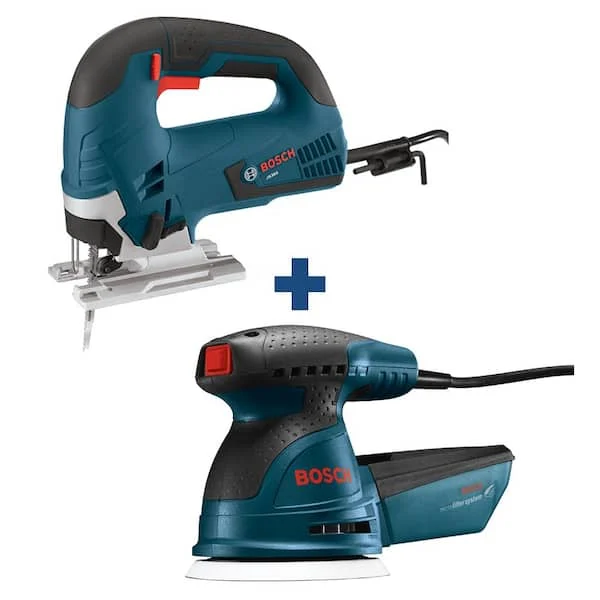
Orbital jigsaws work best on thick wood and laminate materials. They handle rough cuts quickly and easily. This tool is perfect for cutting hardwood floors, plywood, and countertop materials. It can also cut through plastic and soft metals but less cleanly than a non-orbital jigsaw. The orbital action helps cut faster but can cause more splintering. Use it for projects where speed matters more than a perfect finish. For fine, detailed work, a non-orbital jigsaw is usually better.
Credit: www.homedepot.com
Non-orbital Jigsaw Features
The non-orbital jigsaw offers a simple yet effective cutting action. Its blade moves in a straight up-and-down motion without any forward or backward swing. This design ensures cleaner and more precise cuts. The absence of orbital action reduces splintering, making it ideal for detailed work.
This jigsaw type provides excellent control, especially on tight curves. Its straightforward blade movement helps users maintain accuracy. The non-orbital jigsaw is perfect for tasks requiring smooth edges and fine detail.
Straight Up-and-down Motion
The blade moves only vertically, cutting straight through materials. This motion prevents rough edges and splinters. It allows for better control on delicate or thin materials. The straight cut is slower but more accurate than orbital cuts. This feature suits projects needing clean, smooth finishes.
Best Applications
Non-orbital jigsaws work well on soft metals, plastics, and thin wood. They excel in tasks needing tight curves or intricate shapes. This jigsaw is a great choice for crafts, detailed woodworking, and laminate cutting. It also suits cutting materials prone to chipping. Users who want clean, precise cuts prefer this tool.
Cut Quality Comparison
The cut quality is a key factor when choosing between an orbital and a non-orbital jigsaw. Both types have unique ways of moving the blade, which affects the smoothness and finish of cuts. Understanding these differences helps in selecting the right tool for your project.
Smoothness And Precision
Non-orbital jigsaws move the blade straight up and down. This motion produces cleaner, more precise cuts. It is ideal for detailed work and tight curves. Orbital jigsaws add a forward-and-back motion. This makes cuts faster but less smooth. The blade moves more aggressively, which can reduce control on delicate curves.
Splintering And Finish
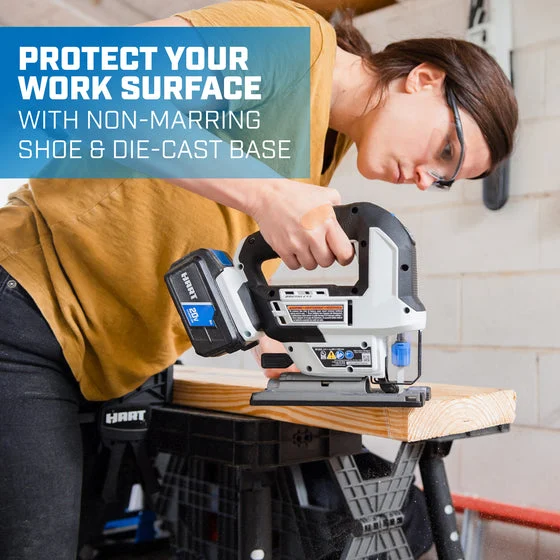
Orbital jigsaws tend to cause more splintering, especially on softwoods and laminates. The aggressive cutting action can chip the material edges. Non-orbital jigsaws create a neater finish with less splintering. This makes them better for visible or fine work. Choosing the right jigsaw depends on the balance between speed and cut quality.
Credit: harttools.com
Control And Maneuverability
Control and maneuverability play a big role in choosing the right jigsaw. They affect how easily you can cut different shapes and materials. Orbital and non-orbital jigsaws handle these tasks in unique ways. Understanding these differences helps you pick the best tool for your project.
Handling Tight Curves
Non-orbital jigsaws excel at cutting tight curves. Their straight up-and-down blade motion offers precise control. This makes it easier to follow detailed patterns without slipping. Orbital jigsaws move the blade forward and back, which can reduce control on sharp turns. They work well for rough cuts but struggle with fine, curved lines.
User Experience Differences
Orbital jigsaws cut faster but feel less steady. They produce more vibration, which can tire your hand during long jobs. Non-orbital jigsaws provide smoother cuts and better stability. Users often find them easier to guide on complex shapes. Beginners may prefer the non-orbital type for its straightforward handling and accuracy.
Adjustability And Settings
Adjustability and settings play a key role in choosing between orbital and non-orbital jigsaws. These features affect how the tool cuts and handles different materials. Understanding these settings helps you match the jigsaw to your project needs.
Orbital Speed Levels
Orbital jigsaws often come with multiple speed levels. This lets you control how fast the blade moves. Slower speeds work well for delicate materials and detailed cuts. Higher speeds help cut through thick wood or laminate quickly. Adjusting speed improves cut quality and tool control.
Switching Between Modes
Orbital jigsaws allow switching between orbital and non-orbital modes. Orbital mode moves the blade forward and back, making cuts faster and more aggressive. Non-orbital mode moves the blade straight up and down, giving cleaner, smoother cuts. Switching modes lets you choose rough or precise cutting based on the material.
Choosing The Right Jigsaw
Selecting between an orbital and non-orbital jigsaw depends on your specific needs. Each type offers unique benefits for different tasks. Understanding these differences helps you make a smart choice for your project.
Consider what you plan to cut and the quality of cut you require. This guides you in choosing the most efficient jigsaw type.
Project Requirements
Identify the nature of your project before choosing a jigsaw. Orbital jigsaws cut faster and work well on tough materials. Non-orbital jigsaws provide cleaner, more precise cuts. Use orbital action for rough cuts and speed. Choose non-orbital for detailed, smooth finishes and curves.
Material Thickness And Type
Thicker materials like hardwood or laminate benefit from orbital jigsaws. Their forward-and-back motion clears sawdust quickly. Softer or thin materials, including metal and plastic, suit non-orbital jigsaws. These deliver better control and reduce splintering. Match your jigsaw to the material for the best results.
Credit: federatedtool.com
Frequently Asked Questions
Is An Orbital Jigsaw Better?
An orbital jigsaw cuts faster with an elliptical blade motion, ideal for thick wood and laminates. It offers aggressive cuts but less precision than non-orbital models. Choose orbital for speed and rough work; non-orbital for cleaner, precise cuts and tighter curves.
What Is The Difference Between Orbital And Normal Jigsaw?
An orbital jigsaw moves the blade forward-and-back plus up-and-down for faster, rougher cuts. A normal jigsaw moves only up-and-down, offering cleaner, precise cuts and better control for curves and softer materials.
When To Use Orbital Mode On Jigsaw?
Use orbital mode on a jigsaw for faster, rougher cuts in thick wood or laminate. It clears debris efficiently. Avoid orbital mode for precise, clean cuts or when cutting metal and tight curves.
Which Is Best, Orbital Or Pendulum Jigsaw?
Orbital jigsaws cut faster and handle thick wood well but may splinter. Pendulum jigsaws offer cleaner, precise cuts and better control for tight curves. Choose orbital for speed and rough cuts; pick pendulum for accuracy and smooth finishes.
What Is The Main Difference Between Orbital And Non-orbital Jigsaws?
Orbital jigsaws move blade forward-and-back plus up-and-down; non-orbital move only up-and-down.
Which Jigsaw Type Cuts Faster On Thick Wood?
Orbital jigsaws cut faster on thick wood due to their aggressive forward-and-back blade motion.
Conclusion
Choosing between orbital and non-orbital jigsaws depends on your project needs. Orbital jigsaws cut faster and handle thick materials well. Non-orbital jigsaws provide cleaner, smoother cuts with better control. Use orbital action for rough cuts and non-orbital for precision work.
Both tools serve different purposes and can complement each other. Understanding their differences helps you pick the right jigsaw. This knowledge ensures better results and saves time. Select the tool that matches your cutting style and material type.
{ “@context”: “https://schema.org”, “@type”: “Article”, “headline”: “Orbital Vs Non-Orbital Jigsaw: Ultimate Guide for Perfect Cuts”, “description”: “Orbital vs non-orbital jigsaw refers to different blade movements affecting cutting speed and finish quality in woodworking and DIY projects.”, “url”: “https://www.powertoolstoday.com/orbital-vs-non-orbital-jigsaw/”, “datePublished”: “2025-11-13”, “dateModified”: “2026-03-18”, “author”: { “@type”: “Organization”, “name”: “Power Tools Today”, “url”: “https://www.powertoolstoday.com” }, “publisher”: { “@type”: “Organization”, “name”: “Power Tools Today”, “url”: “https://www.powertoolstoday.com” }, “mainEntityOfPage”: { “@type”: “WebPage”, “@id”: “https://www.powertoolstoday.com/orbital-vs-non-orbital-jigsaw/” }, “image”: { “@type”: “ImageObject”, “url”: “https://www.powertoolstoday.com/wp-content/uploads/2025/11/Orbital-Vs-Non-Orbital-Jigsaw-1024×576.webp” } }nn