
Last Updated: March 20, 2026
When it comes to tackling cutting tasks, choosing the right tool can make all the difference for your project’s success. You might be wondering: should you grab a reciprocating saw or a jigsaw?
Both tools look similar but serve very different purposes. If you want to make precise, detailed cuts, one will fit your needs perfectly. But if you’re facing demolition or rough cutting jobs, the other might be your best bet. You’ll discover the key differences, strengths, and ideal uses of each tool so you can confidently pick the right one for your work.
Keep reading to make sure your next cut is exactly what you want.
Tool Basics
Understanding the basics of a reciprocating saw and a jigsaw helps choose the right tool for your job. Both tools cut materials, but they serve different purposes. Knowing their features guides proper use and safety.
Reciprocating Saw Features
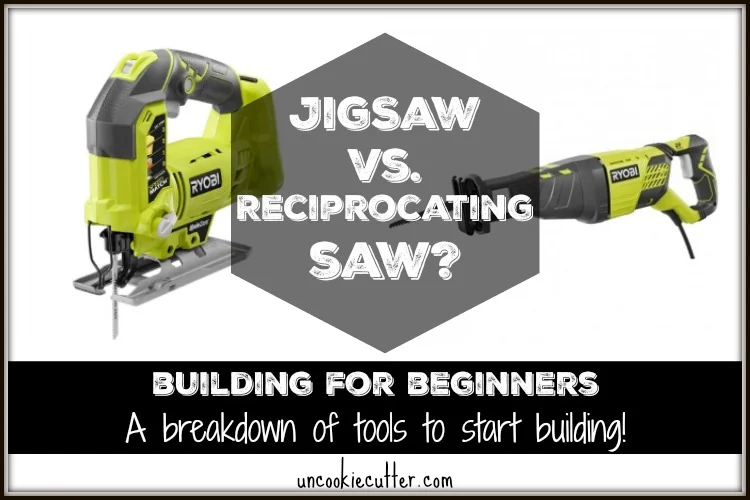
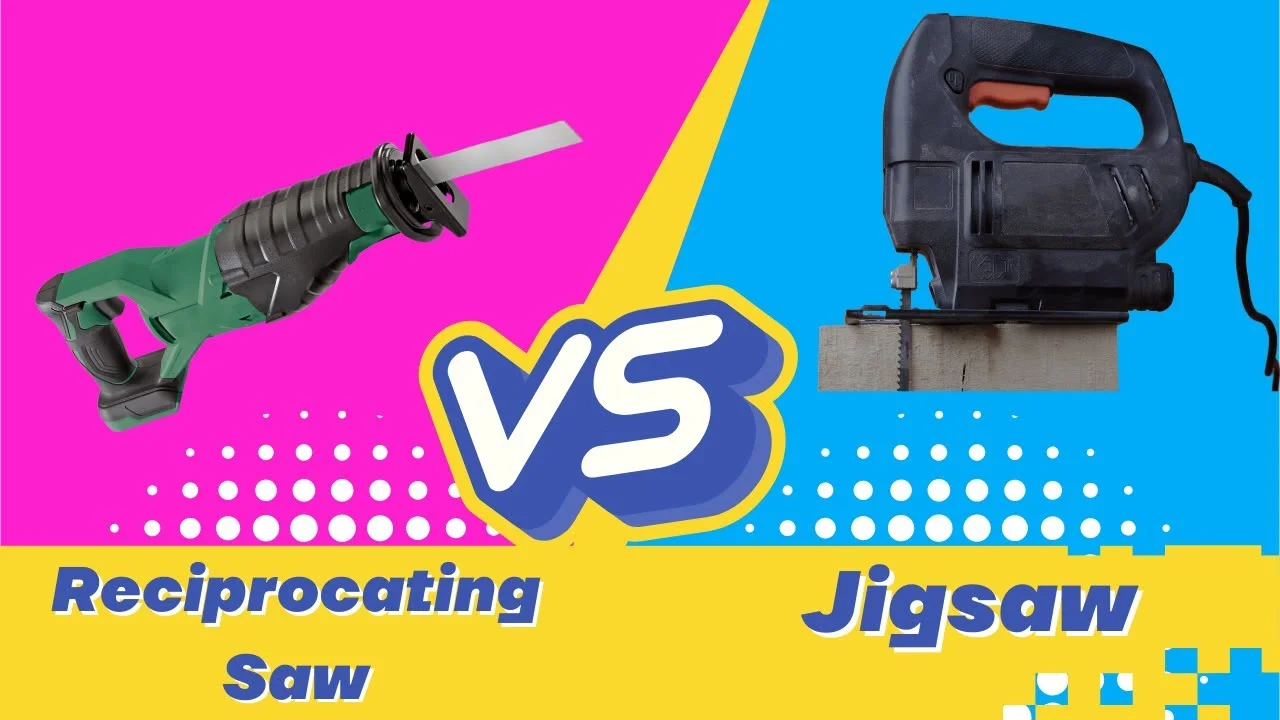
A reciprocating saw has a straight blade that moves back and forth. It is powerful and designed for rough cutting. It can cut wood, metal, and plastic with the right blade. The tool is often used in demolition work. Its shape allows cutting in tight or awkward spaces. The handle is usually robust for a strong grip. It often has variable speed control for different materials.
Jigsaw Features
A jigsaw has a narrow blade that moves up and down. It is made for precise and curved cuts. It works well on wood, plastic, and thin metal. The tool is light and easy to control. It has a flat base that rests on the material. It offers adjustable speed and orbital settings. The jigsaw is ideal for detailed and delicate work.
Credit: www.uncookiecutter.com
Cutting Performance
Cutting performance is a key factor when choosing between a reciprocating saw and a jigsaw. Both tools serve different purposes and excel in specific cutting tasks. Understanding their strengths helps you pick the right tool for your project. This section breaks down their cutting abilities into two main categories: precision and detail, and power and speed.
Precision And Detail
The jigsaw shines in precision and detailed cutting. It offers smooth, controlled cuts ideal for curves and intricate shapes. Its small blade moves up and down rapidly, allowing careful maneuvering. Jigsaws work well on wood, plastic, and thin metal sheets. They are perfect for crafting furniture, making decorative cuts, or completing DIY projects that need accuracy. Reciprocating saws lack the finesse of jigsaws. Their larger, more aggressive blades produce rougher cuts. They are not suitable for fine work or delicate materials.
Power And Speed
Reciprocating saws deliver high power and speed. They cut through tough materials like wood with nails, metal pipes, and thick plastic quickly. The blade moves back and forth with strong force, making demolition and heavy-duty tasks easier. This tool is built for fast, rough cuts rather than detail. Jigsaws operate slower and with less power. They are not designed for cutting thick or hard materials fast. Use a reciprocating saw for quick, strong cuts in construction or repair work.
Material Compatibility
Material compatibility plays a key role in choosing between a reciprocating saw and a jigsaw. Each tool suits different materials and cutting tasks. Knowing their strengths helps pick the right saw for your project. Understanding which materials fit best with each tool ensures clean, efficient cuts without damage.
Wood And Plastic
A jigsaw is ideal for cutting wood and plastic with precision. It handles curves and intricate shapes smoothly. Its fine blade moves up and down, making detailed cuts easy. Thin wood sheets and plastic panels work well with a jigsaw.
A reciprocating saw works well for rough cuts in wood and plastic. It can cut through thick branches or demolition debris quickly. The blade moves back and forth with strong force, perfect for heavy-duty tasks. However, it may cause splintering or rough edges on delicate materials.
Metal And Other Materials
Reciprocating saws excel at cutting metal pipes, rods, and other tough materials. They use specialized blades designed for metal cutting. The powerful motion slices through metal faster than a jigsaw.
Jigsaws can cut thin metal sheets but struggle with thicker metals. Their slower, precise cuts suit light metalwork or thin aluminum. Jigsaws also cut ceramics and laminates well, thanks to their fine blades.
Reciprocating saws handle a variety of materials like drywall, plaster, and even nails. They are versatile tools for demolition and construction tasks. Jigsaws focus more on detailed work, making them less suitable for heavy materials.
Typical Applications
Reciprocating saws and jigsaws serve different cutting needs. Each tool fits specific tasks better. Understanding their typical applications helps choose the right one.
Both saws use a back-and-forth blade motion. But their design and blade size change their use. This section covers where each tool excels in cutting jobs.
Demolition And Rough Cuts
Reciprocating saws shine in demolition work. They cut through wood, metal, and plastic fast. The large blade and powerful motor handle tough materials easily. They work well in tight spaces and awkward angles. Cutting tree branches or removing old pipes suits this saw. It’s ideal for rough, fast cuts that need less precision.
This saw can tear through nails and screws without blade damage. It’s heavy-duty and built for hard jobs. Builders and renovators often rely on reciprocating saws for site cleanup. The tool’s strength makes it a favorite for demolition tasks.
Intricate And Curved Cuts
Jigsaws excel in detailed, curved, and intricate cuts. Their small, thin blade moves quickly for precise control. Cutting shapes in wood, plastic, or thin metal is easier with a jigsaw. It can make curves, circles, and tight corners smoothly. The tool’s design allows better visibility and accuracy while cutting.
Craftsmen and hobbyists prefer jigsaws for furniture making and art projects. The ability to change blades for different materials adds to its versatility. Jigsaws work best on materials that need clean, accurate cuts without rough edges.
Portability And Power Source
Portability and power source are key factors in choosing between a reciprocating saw and a jigsaw. These tools differ in how they are powered and how easy they are to carry. Your choice will affect how long you can work and how comfortable the tool feels in your hands.
Corded Vs Cordless Options
Both reciprocating saws and jigsaws come in corded and cordless models. Corded tools offer constant power and do not need recharging. They suit long jobs but limit movement due to the cord.
Cordless tools use batteries, which allow freedom to move anywhere. Battery life limits work time and they may feel heavier. Cordless models are great for quick jobs or places without power outlets.
Weight And Handling
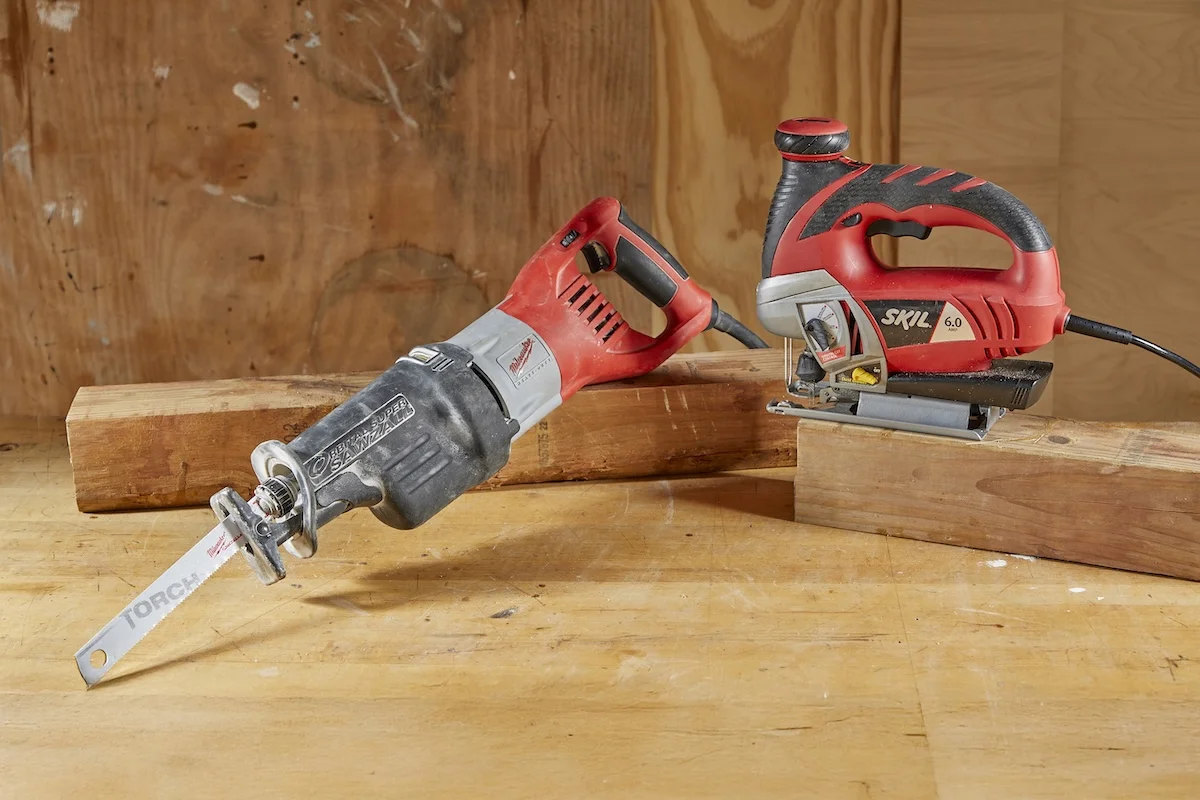
Jigsaws are usually lighter and smaller than reciprocating saws. This makes them easier to handle for detailed cuts. They cause less arm fatigue during extended use.
Reciprocating saws are heavier and built for tougher jobs. Their weight helps control the saw during rough cuts. The bulk can make them harder to use in tight spaces.
Credit: www.bobvila.com
Choosing The Right Tool
Choosing the right tool between a reciprocating saw and a jigsaw depends on several factors. Each tool has unique strengths that suit different tasks. Understanding your needs helps you pick the best one for your project. This section breaks down key points to consider before making a choice.
Project Requirements
Consider the type of cuts your project needs. A jigsaw cuts curves and detailed shapes with ease. It works well on wood, plastic, and thin metal sheets. Reciprocating saws excel at rough cuts and demolition work. They can cut through wood, metal, and even nails. Choose a jigsaw for precision and a reciprocating saw for power.
User Skill Level
Think about your experience with power tools. Jigsaws are generally easier to control and safer for beginners. Their slower blade speed allows more accuracy. Reciprocating saws are more powerful but harder to handle. They require steady hands and some practice. Beginners may find jigsaws more user-friendly and less intimidating.
Credit: www.youtube.com
Frequently Asked Questions
Is A Jigsaw Better Than A Reciprocating Saw?
A jigsaw excels at precise, curved cuts on delicate materials. A reciprocating saw handles rough, demolition tasks and tight spaces better. Choose based on cutting accuracy or power needs.
Can A Reciprocating Saw Cut Like A Jigsaw?
A reciprocating saw cannot cut like a jigsaw. It makes rough, aggressive cuts, lacking jigsaw precision and control. Use a jigsaw for detailed, curved cuts and a reciprocating saw for demolition or rough work.
What Are The Disadvantages Of A Reciprocating Saw?
Reciprocating saws offer rough cuts with less precision and control. They produce more vibration and noise. Blades wear quickly, and the tool can be heavy. Limited maneuverability makes detailed work difficult. These saws are less suitable for fine woodworking or intricate cuts.
Can You Use A Sawzall Instead Of A Jigsaw?
A sawzall can make rough cuts but lacks precision. Use a jigsaw for accurate, detailed cutting along marked lines.
What Is The Main Difference Between A Reciprocating Saw And Jigsaw?
A reciprocating saw is for rough, fast cuts; a jigsaw makes precise, curved cuts.
Which Saw Is Best For Detailed Woodworking Projects?
A jigsaw works best for detailed cuts and delicate materials in woodworking.
Conclusion
Both reciprocating saws and jigsaws serve different cutting needs well. Reciprocating saws excel at rough, quick cuts and demolition work. Jigsaws handle precise, curved, and detailed cuts with ease. Choose based on your project’s demands and the material you work with.
Remember, the right tool makes tasks simpler and safer. Understanding these differences helps you work smarter, not harder.
{ “@context”: “https://schema.org”, “@type”: “Article”, “headline”: “Reciprocating Saw Vs Jigsaw: Ultimate Guide to Choose Right Tool”, “description”: “Reciprocating saw vs jigsaw compares two saw types, highlighting their distinct blade motions and ideal uses for demolition and detailed cutting tasks.”, “url”: “https://www.powertoolstoday.com/reciprocating-saw-vs-jigsaw/”, “datePublished”: “2025-11-18”, “dateModified”: “2026-03-18”, “author”: { “@type”: “Organization”, “name”: “Power Tools Today”, “url”: “https://www.powertoolstoday.com” }, “publisher”: { “@type”: “Organization”, “name”: “Power Tools Today”, “url”: “https://www.powertoolstoday.com” }, “mainEntityOfPage”: { “@type”: “WebPage”, “@id”: “https://www.powertoolstoday.com/reciprocating-saw-vs-jigsaw/” }, “image”: { “@type”: “ImageObject”, “url”: “https://www.powertoolstoday.com/wp-content/uploads/2025/11/Reciprocating-Saw-Vs-Jigsaw-1024×576.webp” } }{ “@context”: “https://schema.org”, “@type”: “Article”, “headline”: “Reciprocating Saw Vs Jigsaw: Ultimate Guide to Choose Right Tool”, “description”: “Reciprocating saw vs jigsaw compares two saw types, highlighting their distinct blade motions and ideal uses for demolition and detailed cutting tasks.”, “url”: “https://www.powertoolstoday.com/reciprocating-saw-vs-jigsaw/”, “datePublished”: “2025-11-18”, “dateModified”: “2026-03-19”, “author”: { “@type”: “Organization”, “name”: “Power Tools Today”, “url”: “https://www.powertoolstoday.com” }, “publisher”: { “@type”: “Organization”, “name”: “Power Tools Today”, “url”: “https://www.powertoolstoday.com” }, “mainEntityOfPage”: { “@type”: “WebPage”, “@id”: “https://www.powertoolstoday.com/reciprocating-saw-vs-jigsaw/” }, “image”: { “@type”: “ImageObject”, “url”: “https://www.powertoolstoday.com/wp-content/uploads/2025/11/Reciprocating-Saw-Vs-Jigsaw-1024×576.webp” } }nn