
Last Updated: March 20, 2026
Is your lawn mower struggling to cut cleanly? A dull blade can leave your grass looking ragged and unhealthy.
But you don’t need to replace the blade or pay for professional sharpening every time. You can bring your mower back to life by sharpening its blade yourself—and a bench grinder is one of the best tools for the job.
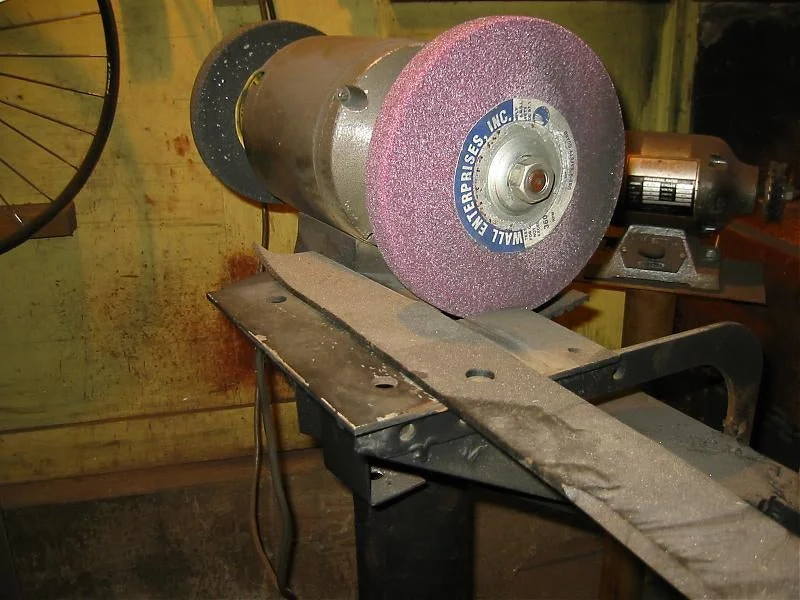
In this guide, you’ll learn exactly how to sharpen your lawn mower blade with a bench grinder safely and effectively. Follow these simple steps, and you’ll save money, improve your lawn’s health, and enjoy a smoother mowing experience. Ready to get those blades razor-sharp? Let’s dive in!
Credit: www.lawnsite.com
Tools And Materials Needed
Gathering the right tools and materials makes sharpening a lawn mower blade easier and safer. Each item plays an important role in the process. Prepare everything before starting to avoid interruptions.
Use quality tools for best results. The right materials protect you and ensure a sharp, balanced blade. This section lists all essentials.
Bench Grinder
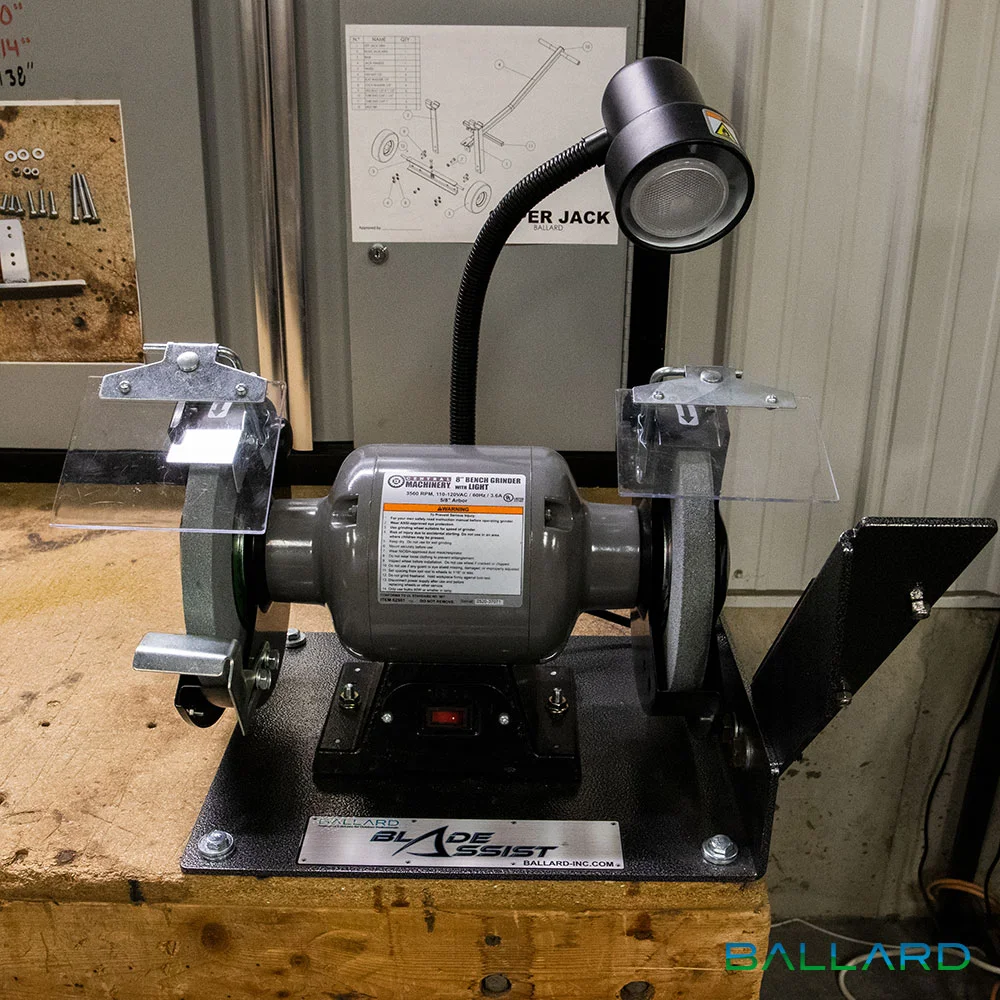
A bench grinder is a powerful tool with spinning wheels. It removes metal quickly and smooths edges. Choose a grinder with a fine grinding wheel for precise sharpening.
Safety Gear
Wear safety glasses to protect your eyes from sparks. Use gloves to guard your hands from sharp edges. Ear protection helps reduce noise from the grinder.
Wrench Or Socket Set
Use a wrench or socket to remove the blade from the mower. The correct size fits bolts tightly, preventing damage or slipping.
Blade Balancer
A blade balancer checks if the blade is even after sharpening. An unbalanced blade can cause mower vibration and damage. Balance the blade before reinstalling.
Cloth Or Rag
Clean the blade with a cloth before sharpening. Remove dirt and grass clippings to see the edge clearly. A clean blade sharpens more evenly.
Marker Or Chalk
Mark the cutting edge with a marker or chalk. This helps you follow the original angle while grinding. Maintaining the angle is key for a sharp blade.
Credit: www.ballard-inc.com
Preparing The Lawn Mower Blade
Preparing the lawn mower blade is a key step before sharpening it with a bench grinder. Proper preparation ensures safety and effective sharpening results. Take your time to get everything ready.
Removing The Blade From The Lawn Mower
Start by disconnecting the spark plug to prevent accidental starts. Use a wrench to loosen and remove the bolts holding the blade. Carefully take the blade off the mower deck. Place the blade on a sturdy work surface for the next steps.
Cleaning The Blade Thoroughly
Remove dirt, grass, and rust from the blade using a wire brush. Clean blades sharpen more evenly and last longer. Wipe the blade with a damp cloth and let it dry completely before grinding.
Inspecting The Blade For Damage
Look closely for cracks, bends, or deep nicks. Do not sharpen blades with serious damage. Replace damaged blades to avoid safety risks. Minor nicks can be smoothed out during sharpening.
Marking The Cutting Edge
Use a marker to highlight the blade’s cutting edges. This helps keep the original angle while grinding. Sharpening at the correct angle maintains cutting efficiency and balance.
Setting Up The Bench Grinder
Setting up the bench grinder correctly is essential before sharpening your lawn mower blade. A well-prepared workspace and machine ensure safety and accuracy. Take your time to arrange everything properly.
Start by placing the bench grinder on a sturdy, flat surface. The machine should not wobble during use. Secure it with bolts or clamps if possible to prevent movement.
Check The Grinder’s Condition
Inspect the grinding wheels for cracks or damage. Damaged wheels can break and cause injury. Replace any wheel that looks worn out or cracked. Make sure the wheels are properly balanced to reduce vibration.
Adjust The Tool Rests
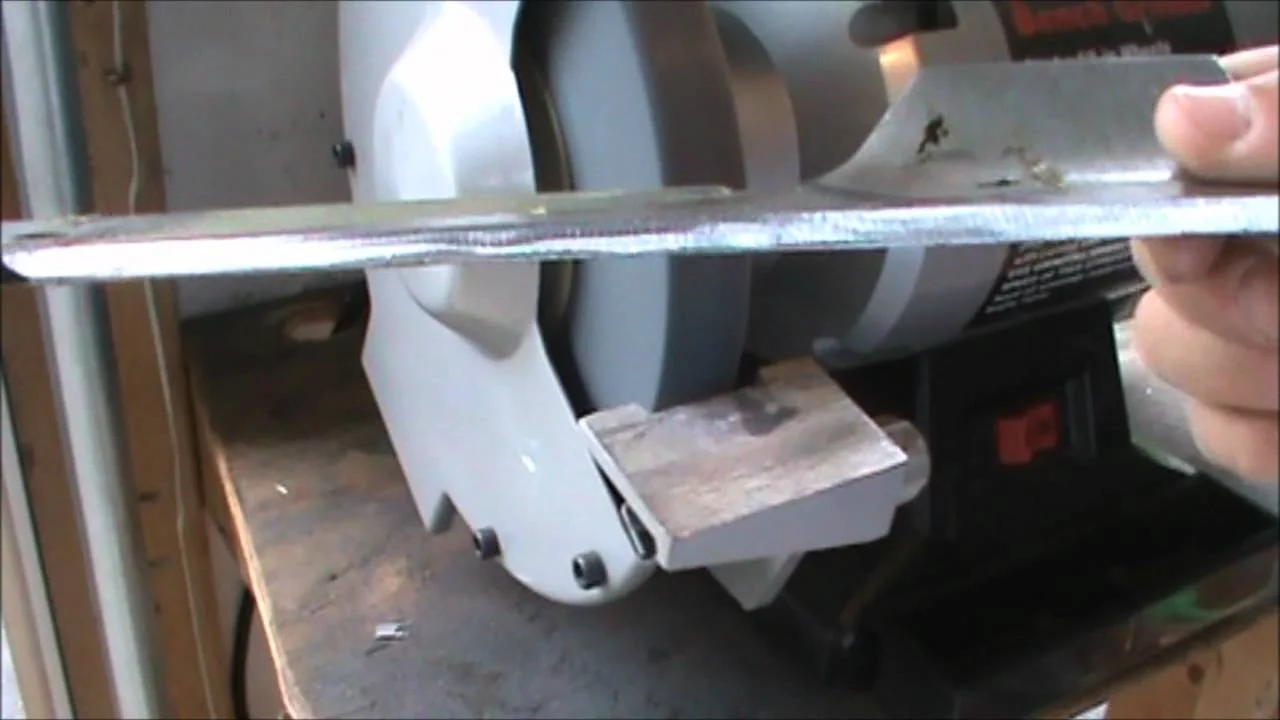
Set the tool rests close to the grinding wheels, about 1/8 inch apart. This small gap helps support the blade during sharpening. Adjust the rests to the correct angle matching the blade’s edge, usually around 30 degrees.
Wear Safety Gear
Put on safety glasses to protect your eyes from sparks and debris. Use gloves to protect your hands, but avoid loose gloves that could catch in the grinder. Ear protection helps reduce noise from the machine.
Clear The Workspace
Remove any flammable materials from the area. Sparks from grinding can ignite paper, wood, or cloth. Keep the workspace clean to avoid accidents and maintain focus on the task.
Credit: www.youtube.com
Correct Angle For Sharpening
Maintaining the correct sharpening angle, usually around 30 degrees, ensures a sharp, balanced mower blade. Holding the blade steady and matching this angle prevents damage and improves cutting performance. Proper angle control helps the blade last longer and cut grass cleanly.
Understanding The Correct Angle For Sharpening
Sharpening a lawn mower blade at the right angle is crucial. It ensures the blade cuts grass cleanly and efficiently. A wrong angle can damage the blade or reduce cutting performance.
Most lawn mower blades have a factory edge angle between 30 to 45 degrees. Keeping close to this angle during sharpening preserves the blade’s original design. It also maintains balance and prevents uneven wear.
How To Find The Right Angle
Look at the blade’s cutting edge before sharpening. Notice the angle formed between the flat side and the sharpened edge. Use a protractor or a simple angle finder to measure it.
If tools are unavailable, estimate by eye. Try to match the existing bevel angle as closely as possible. Maintaining this angle is key to good sharpening results.
Maintaining The Angle On A Bench Grinder
Hold the blade firmly and steady while sharpening. Move it slowly against the grinder wheel. Keep the blade edge parallel to the wheel surface at the correct angle.
Use light pressure to avoid overheating the blade. Overheating weakens the metal and can cause damage. Sharpen both sides evenly, but focus on the beveled edge only.
Tips For Consistent Sharpening Angle
Mark the blade edge with a marker before grinding. This helps track the sharpening progress. Stop grinding once the marker disappears evenly along the edge.
Check your work frequently by sight and touch. A smooth, sharp edge feels consistent and has no rough spots. Repeat the process as needed to maintain the right angle.
Sharpening Technique
Sharpen lawn mower blades using a bench grinder by holding the blade firmly and grinding at a consistent angle. Apply light pressure to avoid overheating. This method restores sharp edges for a cleaner, healthier cut.
Preparing The Blade For Sharpening
Start by removing the lawn mower blade safely. Wear gloves to avoid cuts. Clean the blade with a wire brush. Remove dirt and rust for a clear edge. Secure the blade firmly on a workbench. This stops movement during sharpening.
Setting The Bench Grinder
Check the bench grinder wheel is clean and smooth. Use a grinding wheel with medium grit. Adjust the tool rest close to the wheel. Keep the angle around 30 to 45 degrees. This angle matches the blade’s original edge.
Sharpening The Blade
Turn on the bench grinder and let it reach full speed. Hold the blade firmly by the center hole. Gently press the blade edge against the wheel. Move the blade side to side evenly. Keep a steady pace to avoid overheating.
Maintaining The Correct Angle
Keep the grinding angle consistent throughout. Follow the blade’s original bevel angle. Avoid grinding too much in one spot. This ensures a sharp and balanced blade edge. Check progress often to prevent over-sharpening.
Finishing Touches
After sharpening, use a file to smooth rough spots. Remove any burrs for a clean finish. Balance the blade by placing it on a blade balancer. A balanced blade reduces vibration while mowing. Reinstall the blade securely on the mower.
Cooling And Testing The Blade
After sharpening a lawn mower blade with a bench grinder, cooling and testing the blade are crucial steps. They ensure the blade remains strong and cuts efficiently. Overheating can damage the blade’s metal, making it weak or brittle. Testing confirms the blade is sharp and balanced for safe use.
Cooling The Blade Properly
During grinding, the blade heats up quickly. Stop and cool it often by dipping it in water. Avoid letting the blade stay hot for long. Rapid cooling prevents metal from losing strength. Use cool water, not ice water, to avoid cracking. Handle the blade carefully while cooling to prevent injury.
Checking Blade Sharpness
After cooling, inspect the blade edge closely. The edge should look smooth and even. Run your finger lightly along the edge to feel sharpness. Do not press hard to avoid cuts. A sharp blade should easily slice through paper or thin wood. Repeat sharpening if the edge feels dull.
Testing Blade Balance
A balanced blade cuts evenly and reduces mower vibration. Hang the blade on a nail through its center hole. If one side dips, it is unbalanced. Lightly file the heavier side until the blade stays level. Balanced blades improve mower performance and extend engine life.
Reinstalling The Blade Safely
After sharpening the lawn mower blade with a bench grinder, reinstalling it safely is crucial. Proper installation ensures the mower runs smoothly and prevents accidents. Follow clear steps to secure the blade firmly.
Wear Safety Gear
Put on gloves to protect your hands from sharp edges. Use safety glasses to shield your eyes from dust or debris. Safety gear keeps you safe during the process.
Align The Blade Correctly
Match the blade’s mounting holes with the mower’s spindle bolts. Ensure the cutting edges face the correct direction. Proper alignment helps the mower cut grass evenly.
Tighten The Bolts Securely
Use a wrench to tighten the blade bolts firmly. Check your mower’s manual for the correct torque settings. Tight bolts prevent the blade from loosening during use.
Check Blade Balance
Balance the blade by placing it on a blade balancer. An unbalanced blade causes vibrations and damages the mower. Adjust if necessary for smooth operation.
Test The Mower
Start the mower and listen for unusual noises or vibrations. If all sounds normal, the blade is installed correctly. Stop the mower immediately if you notice any problems.
Maintenance Tips For Longevity
Maintaining your lawn mower blade after sharpening is vital. Proper care helps the blade last longer and perform better. Small steps taken regularly keep the blade sharp and safe to use. Follow these simple tips to protect your investment and keep your lawn mower running smoothly.
Clean The Blade After Each Use
Remove grass clippings and dirt from the blade. Use a brush or cloth to wipe off debris. Clean blades cut better and reduce wear. Dry the blade thoroughly to prevent rust.
Check The Blade Balance Regularly
Unbalanced blades cause vibrations and damage the mower. Use a blade balancer or hang the blade on a nail. If one side is heavier, remove some metal with the grinder. Balanced blades cut evenly and last longer.
Inspect For Damage And Wear
Look for cracks, bends, or excessive wear on the blade. Replace the blade if you see serious damage. A damaged blade can be dangerous and harm your lawn mower. Regular inspection avoids costly repairs and accidents.
Store The Blade Properly
Keep the blade in a dry place to avoid rust. Avoid stacking blades or placing heavy objects on them. Proper storage maintains sharpness and prevents damage between uses.
Use The Mower Correctly
Avoid mowing over rocks, sticks, or hard objects. These can dull or chip the blade quickly. Mow when the grass is dry to reduce blade wear. Correct use extends the time between sharpenings.
Frequently Asked Questions
Can You Sharpen A Lawn Mower Blade With A Bench Grinder?
Yes, you can sharpen a lawn mower blade with a bench grinder. Use light pressure and maintain the blade’s original angle. Cool the blade frequently to prevent overheating. This method is quick and effective when done carefully.
What’s The Easiest Way To Sharpen Your Lawnmower Blades?
Use a bench grinder or a sharpening stone to maintain the original blade angle. Apply light, steady pressure and cool the blade frequently. This method quickly restores sharpness and improves cutting performance.
What Angle Should A Lawn Mower Blade Be Sharpened At?
Sharpen lawn mower blades at a 30 to 45-degree angle. This ensures a sharp, efficient cut and prolongs blade life.
What Grit Angle Grinder For Sharpening Lawn Mower Blades?
Use a 60 to 80 grit angle grinder wheel for sharpening lawn mower blades. This grit balances cutting speed and edge smoothness.
Can I Sharpen A Lawn Mower Blade Using A Bench Grinder?
Yes, a bench grinder can sharpen lawn mower blades effectively when used carefully and correctly.
Conclusion
Sharpening a lawn mower blade with a bench grinder saves time and effort. Always wear safety gear to protect your eyes and hands. Keep the blade angle steady for a clean, sharp edge. Use light pressure to avoid overheating the metal.
Regular sharpening helps your mower cut grass evenly and improves lawn health. With practice, this task becomes quick and easy. Your lawn will look better, and the mower will run smoother. Try this method for a sharper, more efficient lawn mower blade.
{ “@context”: “https://schema.org”, “@type”: “Article”, “headline”: “How to Sharpen Lawn Mower Blade With Bench Grinder: Quick & Easy Guide”, “description”: “Learn how to sharpen lawn mower blade with bench grinder by safely grinding edges to restore cutting efficiency and prolong blade life.”, “url”: “https://www.powertoolstoday.com/sharpen-lawn-mower-blade-bench-grinder/”, “datePublished”: “2025-11-21”, “dateModified”: “2026-03-18”, “author”: { “@type”: “Organization”, “name”: “Power Tools Today”, “url”: “https://www.powertoolstoday.com” }, “publisher”: { “@type”: “Organization”, “name”: “Power Tools Today”, “url”: “https://www.powertoolstoday.com” }, “mainEntityOfPage”: { “@type”: “WebPage”, “@id”: “https://www.powertoolstoday.com/sharpen-lawn-mower-blade-bench-grinder/” }, “image”: { “@type”: “ImageObject”, “url”: “https://www.powertoolstoday.com/wp-content/uploads/2025/11/how-to-sharpen-lawn-mower-blade-with-bench-grinder.webp” } }nnnn