
If you work with tools or metal, you might wonder, what is a bench grinder used for? This powerful, stationary tool is more than just a grinder—it’s your go-to machine for sharpening, shaping, and polishing.
Whether you want to keep your drill bits sharp, smooth out rough edges, or clean rusty surfaces, a bench grinder can make these tasks faster and easier. Understanding how it works and the different ways you can use it will save you time and improve the quality of your projects.
Stick with me, and you’ll discover how this versatile tool can become an essential part of your workshop.
Bench Grinder Functions
A bench grinder is a powerful tool used for many tasks in workshops. Its main functions help shape, sharpen, and clean metal objects. This makes it a must-have tool for metalworkers, mechanics, and DIY enthusiasts.
Understanding the different functions of a bench grinder can help you use it safely and effectively. Each function uses specific wheels and techniques to achieve the best results.
Tool Sharpening
One primary function of a bench grinder is sharpening tools. It sharpens drill bits, chisels, knives, and lawn mower blades. The grinder restores the cutting edge quickly and precisely. This keeps tools efficient and safe to use.
Bench grinders remove excess material from metal parts. Coarser wheels help shape metal for welding or fitting. This function allows users to create custom parts or fix damaged metal pieces. It also smooths rough edges for safer handling.
Polishing And Cleaning
Bench grinders can polish metal surfaces to a smooth finish. Using buffing wheels, they remove rust, paint, and dirt. Wire brush wheels clean off corrosion and prepare metal for painting. This function improves the look and lifespan of metal items.
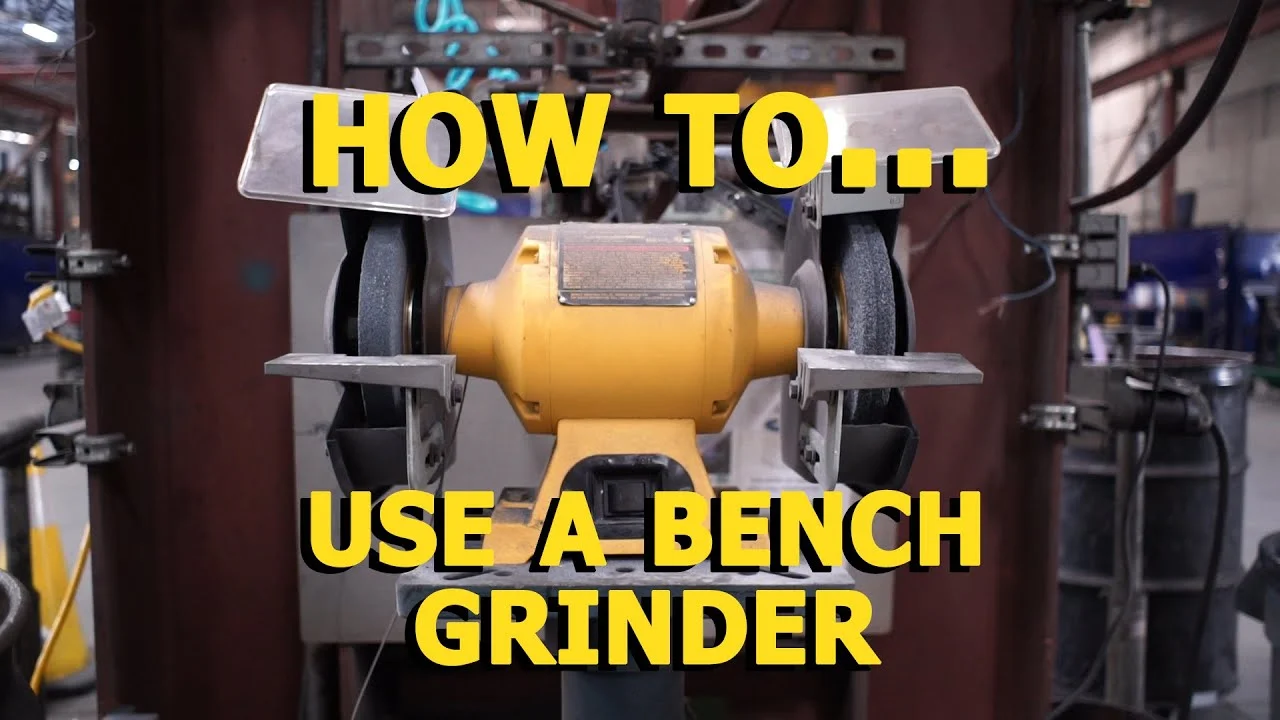
Credit: www.youtube.com
Tool Sharpening Uses
A bench grinder sharpens tools like drill bits and chisels to keep edges precise. It also shapes metal and cleans surfaces using different wheels. This tool offers steady support for detailed grinding and polishing tasks.
A bench grinder is essential for sharpening many tools. It restores sharp edges quickly and accurately. Keeping tools sharp improves safety and efficiency during work.
This tool sharpens items like chisels, drill bits, and lawn mower blades. It shapes the cutting edge to ensure smooth and clean cuts.
Sharpening Chisels
Chisels need a fine, sharp edge to work well on wood or metal. A bench grinder shapes the chisel’s edge evenly. It removes dullness and maintains the correct angle for cutting.
Sharpening Drill Bits
Drill bits lose sharpness after use. A bench grinder quickly resharpens the tips. This helps drill holes cleanly and prevents damage to materials.
Sharpening Lawn Mower Blades
Dull lawn mower blades tear grass instead of cutting it. Using a bench grinder sharpens the blades to a clean edge. This keeps your lawn healthy and your mower efficient.
Maintaining Other Cutting Tools
Besides chisels and drill bits, many cutting tools benefit from sharpening. Axes, knives, and scissors regain their sharpness with the grinder. Proper maintenance extends tool life and improves performance.
Metal Grinding And Shaping
Metal grinding and shaping are primary tasks performed using a bench grinder. This tool helps remove excess material and refines metal pieces quickly. It is essential for creating smooth edges and precise shapes needed in many metalworking projects.
The bench grinder uses abrasive wheels that rotate at high speeds. These wheels grind down rough or uneven metal surfaces. Users can choose different wheel types depending on the metal type and the desired finish.
Removing Excess Metal
Bench grinders efficiently remove unwanted metal from workpieces. This process helps in resizing or reshaping metal parts. It saves time compared to manual filing or sanding.
Creating Smooth Edges
Sharp edges can be dangerous and cause damage. The grinder smooths out these edges, making the metal safe to handle. It also improves the appearance and quality of the final product.
Shaping Metal For Welding
Metal pieces often need shaping before welding. A bench grinder helps form angles and curves needed for strong joints. Proper shaping ensures better welds and durable assemblies.
Preparing Metal Surfaces
Before painting or coating, metal surfaces must be clean and smooth. The grinder removes rust, burrs, and old paint. This preparation improves adhesion and extends the life of coatings.
Polishing And Cleaning Tasks
Bench grinders are not only for sharpening or shaping metal. They excel at polishing and cleaning tasks too. These tasks help restore and maintain the look and function of many metal items. Using the right wheel or attachment can make a big difference in results. Polishing gives metal a smooth, shiny finish. Cleaning removes rust, paint, and dirt from surfaces.
Polishing Metal Surfaces
Polishing with a bench grinder uses soft wheels or buffing pads. These wheels spin at high speed to smooth metal surfaces. They remove small scratches and marks left by grinding. Polishing improves the appearance of tools, parts, and decorative items. It also helps protect metal from corrosion by closing tiny surface pores.
Removing Rust And Paint
Wire brush wheels are common for cleaning tasks. They scrape away rust, old paint, and grime. This prepares metal for repainting or welding. The wire bristles reach into grooves and crevices. This makes cleaning faster and more thorough than hand scrubbing. It also restores tools and parts that look worn or neglected.
Buffing For A High Shine
Buffing wheels are softer and used after polishing. They use special compounds to add shine and smoothness. Buffing brings out a mirror-like finish on metals like steel, brass, and aluminum. This step is important for decorative metalwork and finished tools. It makes surfaces look new and well-maintained.
Key Parts And Accessories
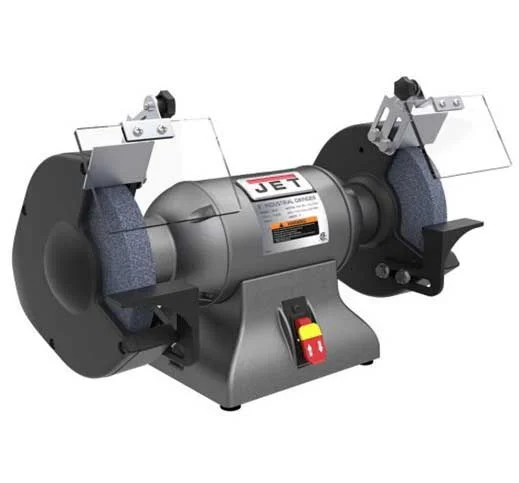
A bench grinder has several key parts and accessories. Each part plays an important role in its performance. Knowing these parts helps you use the grinder safely and effectively.
The main body holds the motor and supports the wheels. It keeps the tool steady during work. The motor powers the grinding wheels, spinning them fast to grind or sharpen materials.
Grinding Wheels
Grinding wheels are the most visible parts. They come in different sizes and materials. Coarse wheels remove metal quickly. Fine wheels smooth and polish surfaces. Choosing the right wheel depends on the task.
Tool Rests
Tool rests sit in front of the grinding wheels. They support tools or metal pieces during grinding. Tool rests help keep angles steady. This improves accuracy and safety.
Eye Shields
Eye shields are clear guards placed above the wheels. They protect your eyes from sparks and debris. Eye shields are essential safety features on any bench grinder.
Spark Guards
Spark guards sit near the wheels. They control where sparks fly during grinding. These guards protect the user and surroundings from hot sparks.
Wire Brush Wheels
Wire brush wheels are optional accessories. They clean rust and paint from metal surfaces. Wire brushes are useful for surface preparation before welding or painting.
Buffing Wheels
Buffing wheels polish metal to a smooth shine. They are softer than grinding wheels. Buffing wheels are great for finishing touches on projects.
Credit: ehs.cornell.edu
Advantages In Workshops
Bench grinders offer many advantages in workshops. They improve efficiency by speeding up tasks. The machine is strong and stable, which helps with precise work.
Using a bench grinder saves time and effort. It handles sharpening, shaping, and polishing all in one place. This versatility makes it a must-have tool for many workers.
Enhanced Tool Sharpening
Bench grinders sharpen tools quickly and accurately. They keep blades and bits sharp for better cutting. Sharp tools improve work quality and reduce accidents.
Material Shaping And Removal
The grinder removes metal fast and shapes parts easily. It helps prepare materials for welding or fitting. This makes workshop projects smoother and faster.
Surface Cleaning And Polishing
With different wheels, bench grinders clean rust and paint. They also polish metal to a smooth finish. Clean surfaces look better and resist damage longer.
Durability And Stability
Bench grinders stay firmly in place during use. This prevents slips and ensures consistent results. Their tough build lasts through heavy daily use.
Common Mistakes To Avoid
Using a bench grinder safely and effectively requires care. Avoiding common mistakes helps protect the tool and the user. Small errors can lead to poor results or injury. Knowing what to avoid improves your grinding tasks.
Using The Wrong Wheel For The Job
Each bench grinder wheel suits specific tasks. A coarse wheel removes material quickly. A fine wheel smooths or sharpens edges. Using the wrong wheel may damage the tool or workpiece. Always check the wheel type before starting.
Not Wearing Proper Safety Gear
Eye protection is essential to stop flying sparks and debris. Gloves protect hands from rough surfaces and heat. Avoid loose clothing that can catch on the grinder. Safety gear reduces accident risk and keeps you safe.
Applying Too Much Pressure
Pressing hard against the wheel can cause it to wear quickly. It may also overheat the metal or cause sparks. Let the wheel do the work with light, steady pressure. This extends wheel life and improves results.
Ignoring Wheel Maintenance
Wheels can become clogged or uneven. This reduces grinding efficiency and creates unsafe conditions. Regularly clean and dress the wheels to keep them balanced. Proper maintenance ensures smooth operation and better results.
Grinding On The Side Of The Wheel
Bench grinder wheels are made for face grinding only. Using the side can cause the wheel to shatter. Always grind flat on the wheel surface. This prevents accidents and protects the grinder.
Choosing The Right Grinder
Choosing the right bench grinder is key to getting the most from this tool. Different grinders suit different tasks. Picking the correct type helps work go smoothly and safely.
Consider the power and size of the grinder. More powerful models handle tougher jobs and run longer without overheating. Smaller grinders work well for light tasks and tight spaces.
The wheel type also matters. Coarse wheels remove material fast but leave rough edges. Fine wheels polish and sharpen tools with precision. Some grinders offer multiple wheels for varied uses.
Power And Motor Size
Higher motor power means better performance on hard metals. Motors range from half a horsepower to over one. Pick a motor size that matches your task needs.
Wheel Diameter
Wheel size affects grinding speed and surface area. Common sizes include 6, 8, and 10 inches. Larger wheels last longer and handle big jobs better.
Wheel Grit And Material
Different grits suit different tasks. Coarse grit removes metal quickly. Fine grit sharpens and polishes. Wheels come in materials like aluminum oxide and silicon carbide, each good for certain metals.
Additional Features
Look for adjustable tool rests for stable grinding angles. Spark guards improve safety by controlling sparks. Some grinders have built-in lights to brighten the work area.
Credit: industrytoday.com
Frequently Asked Questions
What Is The Main Use Of Bench Grinder?
A bench grinder sharpens tools, shapes metal, removes rust, and polishes surfaces. It ensures precision in workshop tasks.
What Not To Use On A Bench Grinder?
Avoid using soft materials like wood or plastic on a bench grinder. Do not grind hardened steel or non-metal items. Never use damaged or inappropriate wheels. Avoid applying excessive pressure that can cause wheel breakage or injury. Do not use without proper safety gear and guards.
What Are The Limitations Of A Bench Grinder?
A bench grinder cannot handle delicate or precision work requiring fine control. It struggles with very hard materials and produces sparks and dust. It is not suitable for large surface grinding or cutting tasks. Users must wear safety gear due to noise and debris hazards.
Are Bench Grinders Useful?
Bench grinders sharpen tools, shape metal, and polish surfaces efficiently. They offer stability and precision for workshop tasks. Their versatility makes them essential for tool maintenance and metalwork.
What Is The Primary Use Of A Bench Grinder?
A bench grinder sharpens tools, shapes metal, and polishes or cleans surfaces.
Conclusion
A bench grinder helps keep tools sharp and ready for use. It shapes and smooths metal quickly and easily. You can also clean rust or polish surfaces with the right wheel. This tool stays steady, making work safer and more precise.
Whether for home or workshop, a bench grinder adds value. It handles many tasks, saving time and effort. Knowing its uses helps you work smarter and finish projects well. Simple, reliable, and effective—a bench grinder is a helpful tool to own.
Related reading: How to Sharpen a Lawn Mower Blade with a Bench Grinder.
Related reading: How to Sharpen Drill Bits on a Bench Grinder.
Related reading: Water Stone vs Oil Stone for Sharpening.
Read also: Bench Grinder Motor Overheating Fix