
Last Updated: March 20, 2026
When it comes to tackling your next woodworking or DIY project, choosing the right saw can make all the difference. You might be wondering: should you go for a Skill Saw or a Jigsaw?
Both tools have their strengths, but knowing which one fits your needs can save you time, effort, and frustration. You’ll discover the key differences between a Skill Saw and a Jigsaw, what each is best suited for, and how to pick the perfect tool for your project.
Ready to cut through the confusion and make the right choice? Let’s dive in!
Credit: trusscore.com
Differences In Design
The design of a Skill Saw and a Jigsaw differs significantly. These differences affect how each tool cuts and handles various materials. Understanding the design helps choose the right tool for your project. Here are key design differences to know.
Blade And Cutting Mechanism
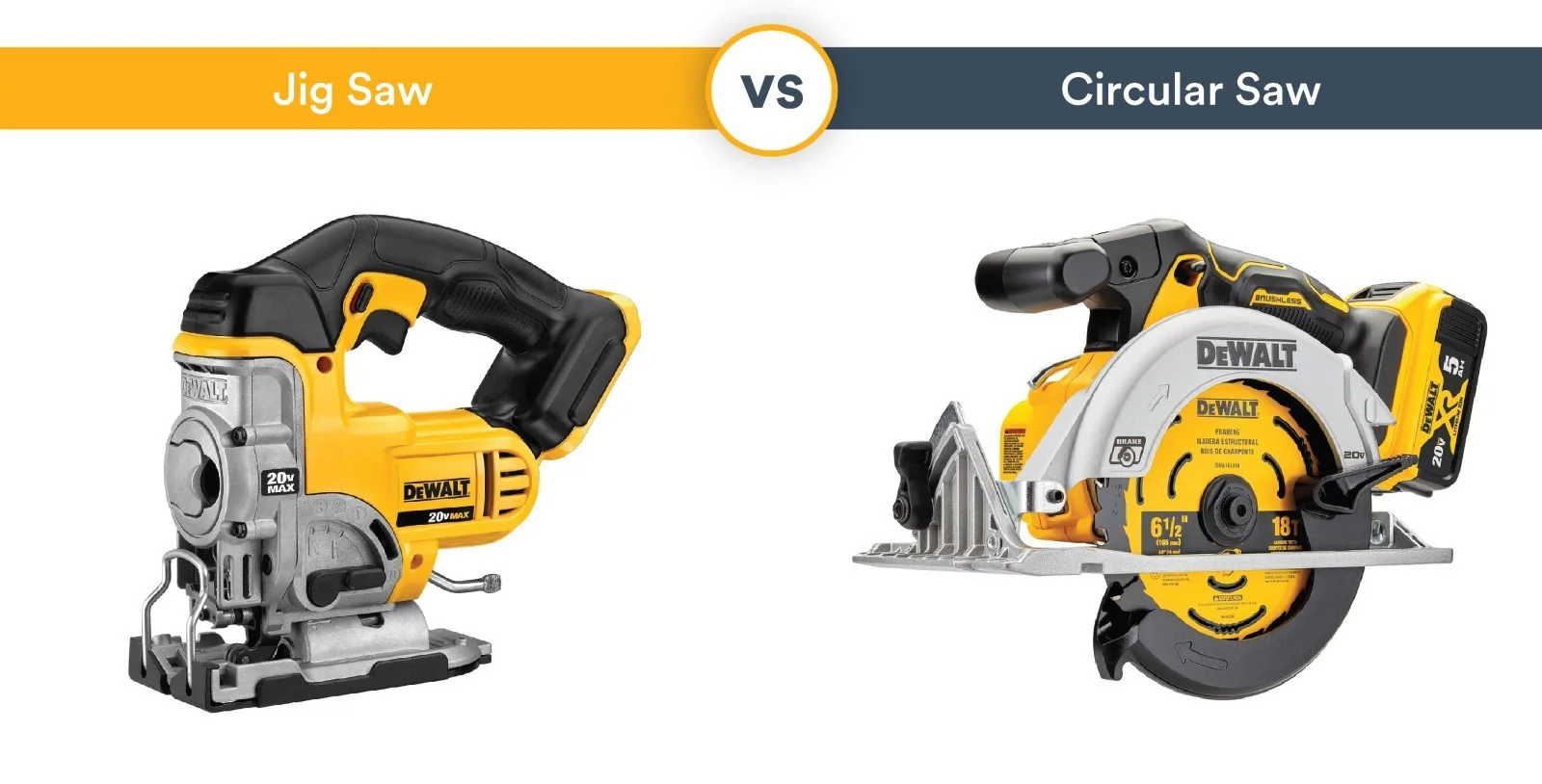
A Skill Saw uses a circular blade that spins quickly. This blade is designed to make straight, long cuts through wood, metal, or plastic. It cuts fast and clean but is not good for curves or detailed shapes.
A Jigsaw has a small, straight blade that moves up and down. This blade allows for more control and can cut curves, shapes, and intricate designs. It works slower but offers precision for detailed work.
Size And Portability
Skill Saws tend to be larger and heavier. They require two hands for steady control and are best used on a stable surface. Their size makes them less portable for quick, on-the-go jobs.
Jigsaws are smaller and lighter. They fit easily in one hand and can be moved around freely. This makes jigsaws ideal for small spaces and jobs needing flexibility and maneuverability.
Cutting Styles
Choosing the right tool for your cutting needs depends on the style of cuts required. Different saws excel in different cutting styles. Understanding these styles helps pick the best saw for your project. Skill Saws and Jigsaws offer distinct advantages. Each handles specific cuts better than the other.
Straight Cuts With Skill Saw
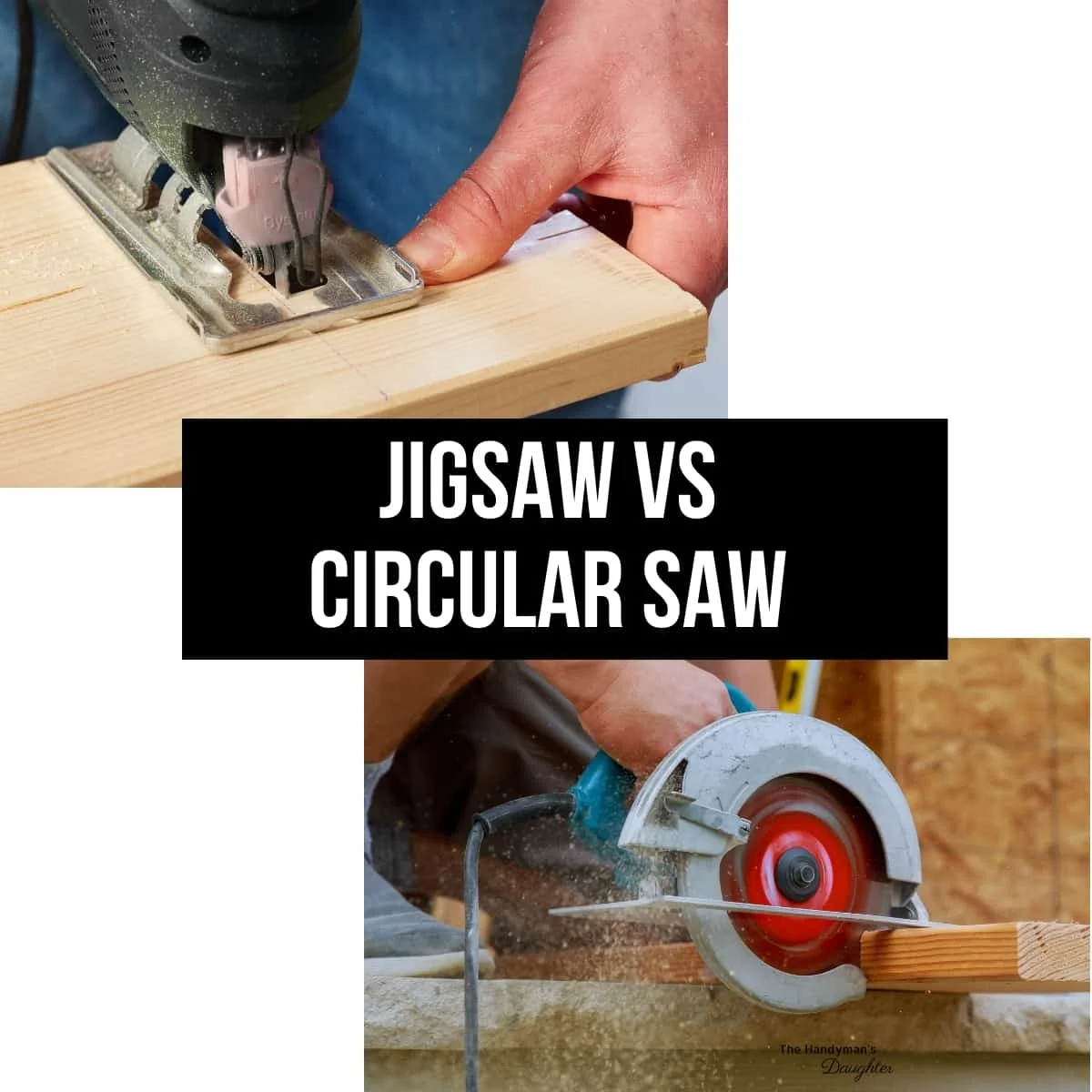
Skill Saws, also known as circular saws, are ideal for straight cuts. They deliver fast, precise, and long cuts. The round blade spins rapidly, slicing through wood smoothly. These saws handle large sheets and thick boards easily. They maintain stability, ensuring a clean, straight edge. Perfect for framing, decking, and other construction tasks. The power and speed reduce effort and time on straight cuts.
Curves And Detail Cuts With Jigsaw
Jigsaws excel in making curves and detailed cuts. Their narrow, vertical blade moves up and down quickly. This design allows cutting tight corners and intricate shapes. Great for craftwork, stenciling, and decorative projects. They handle various materials, including wood, metal, and plastic. Jigsaws offer better control for delicate work. They cut slowly but with high precision, avoiding mistakes on detailed patterns.
Speed And Precision
Speed and precision are key factors when choosing between a Skill Saw and a Jigsaw. These tools serve different purposes but both impact how quickly and accurately you can complete your project. Understanding their strengths helps you pick the right saw for your needs.
Power And Speed Comparison
The Skill Saw, a type of circular saw, offers high power and fast cutting. It uses a spinning blade that slices through wood quickly. This makes it ideal for long, straight cuts and large projects.
The Jigsaw runs slower and uses a small blade that moves up and down. It cuts more slowly but can handle curves and detailed shapes. It is better for delicate tasks or when you need to cut patterns.
Accuracy And Control
The Jigsaw gives more control for precise cuts. Its design lets you follow complex lines easily. This makes it perfect for crafting and detailed woodworking.
The Skill Saw excels at straight, clean cuts but can be harder to control for curves. It is best used on flat surfaces where speed is more important than intricate detail.
Credit: www.thehandymansdaughter.com
Best Uses For Each Saw
Choosing between a Skill Saw and a Jigsaw depends on the task at hand. Each saw excels in different areas. Knowing their best uses helps you pick the right tool. This guide explains where each saw performs best.
Construction And Framing Tasks
The Skill Saw is ideal for construction work. It cuts straight, long lines quickly and accurately. This makes it perfect for framing walls, cutting plywood, and trimming lumber. Its power handles thick and dense materials with ease. It is a must-have on building sites for fast, clean cuts.
Using a Skill Saw reduces effort and speeds up large projects. It works well on wood, plastic, and some metal sheets. The saw’s blade size and depth control help customize cuts for various materials.
Crafting And Design Projects
The Jigsaw shines in crafting and design work. It cuts curves, shapes, and detailed patterns that a Skill Saw cannot. This makes it perfect for woodworking, art projects, and home decor tasks. Its lightweight design allows for better control and precision.
A Jigsaw works well on thin wood, plastic, and metal. It can make intricate cuts needed for puzzle pieces, custom shelves, or decorative panels. This tool suits hobbyists and DIYers who value accuracy over speed.
Blade Selection And Maintenance
Selecting and maintaining the right blade greatly affects the performance of both Skill Saws and Jigsaws. Each tool requires specific blade types to handle different materials and cuts. Proper blade care extends lifespan and ensures clean, precise cuts every time.
Understanding blade options and maintenance tips will help you get the best results from your saw. This section covers key points on choosing blades and keeping them sharp and safe.
Choosing The Right Blade
Skill Saws use circular blades designed for straight cuts. Choose blades based on material type: wood, metal, or plastic. Tooth count matters. More teeth give smoother cuts but slower progress. Fewer teeth allow faster cutting but rougher edges.
Jigsaws use narrow, straight blades. Blade selection depends on the cut style and material thickness. Fine-tooth blades work well for thin materials and detailed curves. Coarse blades cut faster through thicker materials but with less precision.
Match the blade size and type to the saw model. Using the wrong blade can cause damage or poor cuts. Always check manufacturer recommendations for blade compatibility.
Blade Care Tips
Keep blades clean to avoid buildup of resin and debris. Use a soft brush or cloth after each use. Avoid harsh chemicals that can damage the blade surface.
Sharpen blades regularly. Dull blades reduce cutting efficiency and increase wear on your tool. Some blades can be sharpened at home; others may need professional service or replacement.
Store blades in a dry place to prevent rust. Use blade covers or cases to protect teeth from damage. Inspect blades before each use for cracks or missing teeth to ensure safety.
Credit: www.scala-santa.com
Cutting Techniques And Tips
Cutting materials accurately requires the right techniques and tools. Skill saws and jigsaws offer different cutting experiences. Each tool demands specific handling to get clean, safe cuts. This section covers essential tips to improve your cutting skills with both saws.
Securing And Positioning Materials
Always clamp your material firmly before cutting. Loose materials cause uneven cuts and can be dangerous. Place the material on a stable surface, like a workbench or sawhorse. Position the saw blade away from your body for safety. For curved cuts with a jigsaw, ensure the material is well supported to avoid bending.
Using Guides For Straight Cuts
Use a straight edge or guide rail to achieve perfect straight cuts. Clamp the guide firmly to the material’s surface. Run the skill saw along the guide for smooth, precise lines. For jigsaws, draw the cut line clearly before cutting. Follow the line slowly, keeping the blade perpendicular to the material.
Avoiding Common Cutting Mistakes
Do not force the saw; let the blade do the work. Forcing causes rough edges and blade damage. Avoid starting the cut mid-material; begin at the edge. Watch for blade wobble, which leads to inaccurate cuts. Change blades regularly to maintain sharpness. Finally, always wear safety gear to prevent injuries.
Frequently Asked Questions
What Is Better, A Jigsaw Or A Circular Saw?
A circular saw excels at fast, straight cuts for construction. A jigsaw offers precise curves and detailed cuts for crafting projects. Choose based on your task: power and speed versus versatility and detail.
What Is A Skill Saw Actually Called?
A skill saw is actually called a circular saw. “Skilsaw” is a popular brand name often used generically for handheld circular saws.
Can You Cut 2×4 With A Jigsaw?
Yes, you can cut a 2×4 with a jigsaw using a sharp blade. Cut slowly and secure the wood for accuracy.
Is There A Difference Between Saw And Jigsaw?
A saw is a general cutting tool, while a jigsaw is a specific saw used for curved and detailed cuts.
What Is The Main Difference Between Skill Saw And Jigsaw?
Skill Saw cuts straight and fast; Jigsaw cuts curves and shapes precisely.
Which Saw Is Better For Cutting Wood Quickly?
Skill Saw is better for fast, straight cuts on wood.
Conclusion
Choosing between a Skill Saw and a Jigsaw depends on your project needs. Skill Saws cut straight, long lines quickly and powerfully. Jigsaws handle curves and detailed shapes with precision. Both tools offer unique benefits for woodworking and DIY tasks.
Think about the cuts you want to make before buying. A Skill Saw suits framing and large cuts. A Jigsaw works well for crafting and intricate designs. Having both tools can cover most cutting needs around the home. Use each saw wisely to get the best results.
{ “@context”: “https://schema.org”, “@type”: “Article”, “headline”: “Skill Saw Vs Jigsaw: Ultimate Comparison for Perfect Cuts”, “description”: “Skill Saw vs Jigsaw compares two power tools: a Skill Saw for straight cuts and a Jigsaw for curved or intricate cutting tasks in woodworking.”, “url”: “https://www.powertoolstoday.com/skill-saw-vs-jigsaw/”, “datePublished”: “2025-11-16”, “dateModified”: “2026-03-18”, “author”: { “@type”: “Organization”, “name”: “Power Tools Today”, “url”: “https://www.powertoolstoday.com” }, “publisher”: { “@type”: “Organization”, “name”: “Power Tools Today”, “url”: “https://www.powertoolstoday.com” }, “mainEntityOfPage”: { “@type”: “WebPage”, “@id”: “https://www.powertoolstoday.com/skill-saw-vs-jigsaw/” }, “image”: { “@type”: “ImageObject”, “url”: “https://www.powertoolstoday.com/wp-content/uploads/2025/11/Skill-Saw-Vs-Jigsaw-1024×576.webp” } }nn