
Last Updated: March 20, 2026
When it comes to tackling any project, having the right hammer in your hand can make all the difference. But did you know there are many types of hammers, each designed for a specific task?
Whether you’re fixing a loose nail, shaping metal, or doing delicate woodworking, choosing the correct hammer helps you work smarter, faster, and safer. In this guide, you’ll discover the most common types of hammers, what makes each unique, and how to use them to get the best results.
Ready to find out which hammer fits your next job perfectly? Keep reading—you’ll be surprised at how much easier your work can become.
Claw Hammer
The claw hammer is one of the most common and versatile hammers. It is a must-have tool in many households and workshops. This hammer combines two main functions: driving nails and removing them. Its unique design makes it effective and easy to use for various tasks.
The claw hammer features a flat, heavy head for pounding nails. On the opposite side, it has a curved, forked claw. This claw helps to pull out nails quickly and with less effort. The handle is usually made of wood, fiberglass, or metal, providing a comfortable grip.
Design And Structure
The claw hammer has a balanced design for better control. The head is made of hardened steel for strength and durability. The claw curves away from the handle, forming a V shape. This shape allows the claw to grip nails firmly. The handle length varies but is generally between 12 and 16 inches.
Common Uses
Claw hammers are mainly used for driving and removing nails. They are ideal for woodworking, framing, and home repairs. The claw side is perfect for prying apart wood or removing stuck nails. This tool works well on soft and hard materials, making it very practical.
Types Of Claw Hammers
There are two popular types: the straight claw and the curved claw hammer. The curved claw hammer is more common and easier for nail removal. The straight claw hammer is useful for prying and demolition work. Both types serve well in general carpentry and DIY projects.
Choosing The Right Claw Hammer
Consider the hammer’s weight and handle material. A lighter hammer reduces fatigue during long use. A rubber or fiberglass handle helps absorb shock. Choose a size that fits your hand comfortably. This choice improves accuracy and control during work.
Ball Peen Hammer
The ball peen hammer is a key tool in metalwork and engineering. It has two heads: one flat and one rounded. The rounded head is called the peen, used for shaping metal surfaces.
This hammer helps in tasks like shaping, bending, and smoothing metal. Its design allows precise control over metal shaping without causing damage.
Design And Features
The ball peen hammer features a flat face for striking and a rounded peen for shaping. Handles are usually wood, fiberglass, or steel. This design gives balance and good grip for controlled strikes.
Common Uses
Ball peen hammers are ideal for metalworking jobs like peening rivets and shaping metal sheets. Mechanics use them for fitting parts and shaping metal without breaking it. It is also useful in light demolition and riveting.
Types Of Ball Peen Hammers
There are various sizes and weights, from small for delicate work to larger for heavier shaping. Some have longer handles for more leverage. Choose the size based on your project needs.
Care And Maintenance
Keep the hammer clean and dry to avoid rust. Inspect the handle and head for damage before use. Replace the handle if it becomes loose or cracked to stay safe.
Sledgehammer
The sledgehammer is a heavy-duty tool designed for powerful striking tasks. It has a large, flat metal head attached to a long handle. This design helps deliver strong, forceful blows. Professionals and DIYers use sledgehammers for demolition and construction projects.
Its weight and size make it ideal for breaking concrete, stone, and other hard materials. The long handle allows users to swing with great momentum. This makes the sledgehammer effective for tasks requiring strength and impact.
Sledgehammer Design And Features
The sledgehammer has a thick, heavy metal head. The head is usually double-faced, with flat striking surfaces on both ends. The handle is long, often made of wood or fiberglass. This length gives the user leverage to swing with power. The handle is also strong and shock-absorbing to reduce strain.
Common Uses Of A Sledgehammer
Sledgehammers are mainly used for demolition work. They break concrete walls, rocks, and bricks. Workers use them to remove old structures or large objects. They also help drive stakes or posts into the ground. In emergency situations, sledgehammers can break down doors or barriers quickly.
Safety Tips For Using A Sledgehammer
Wear safety goggles and gloves to protect from flying debris. Use proper foot positioning to maintain balance while swinging. Ensure the area is clear of people or obstacles. Hold the handle firmly with both hands. Swing smoothly to control the force and avoid injury.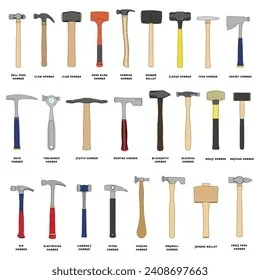
Credit: www.shutterstock.com
Mallet
The mallet is a type of hammer designed to deliver gentle yet firm blows. It has a large head made from soft materials such as wood, rubber, or plastic. This design helps protect the surface being struck from damage. Mallets are ideal for woodworking, assembling furniture, and other tasks where surface care is important.
Using a mallet allows better control over the force applied. It prevents dents, scratches, or marks that a metal hammer might cause. The mallet’s lightweight head also reduces user fatigue during repetitive tasks. This tool is a staple in many workshops and craft studios.
Wooden Mallet
A wooden mallet is the classic choice for woodworking. Its solid wooden head absorbs shock and spreads the force evenly. Carpenters use it to tap chisels or join wood pieces without splitting the material. The wooden mallet is durable and simple to maintain.
Rubber Mallet
Rubber mallets are softer than wooden ones. They are perfect for tasks that require a non-marring strike. Rubber mallets work well for setting tiles, adjusting metal sheets, or tapping delicate parts into place. The rubber head offers good grip and reduces noise.
Plastic Mallet
Plastic mallets combine durability with a soft striking surface. They are lightweight and resistant to chemicals or water. Plastic mallets are often used in automotive work or light assembly jobs. Their smooth impact prevents damage to sensitive surfaces.
Uses Of Mallet
Malets serve many purposes beyond woodworking. They help shape leather, assemble furniture, and fit parts without scratching. Craftsmen use mallets to apply precise pressure without risk of damage. Their gentle impact makes them essential for delicate tasks.
Tack Hammer
The tack hammer is a small, lightweight tool designed for precision work. It features a narrow head that allows careful driving of small fasteners like tacks and brads. This hammer is commonly used in upholstery, cabinetry, and fine woodworking.
Its design helps reduce damage to delicate materials. The tack hammer provides better control for tasks that require accuracy. It usually has a magnetic face to hold tiny nails in place during use.
Tack Hammer Design
The tack hammer has a slim, straight handle for easy grip. The head is light and balanced for precise tapping. One side of the head is flat for hammering tacks, while the other side often has a small pick or blade to remove them.
Common Uses Of Tack Hammer
Tack hammers work well with upholstery nails and small brads. They help attach fabrics and thin wood pieces without splitting. Woodworkers and furniture makers rely on them for detailed finishing work.
Advantages Of Using A Tack Hammer
The tack hammer allows careful control over fastener placement. Its lightweight design reduces hand fatigue during long projects. The magnetic face saves time by holding nails steady before striking.
Club Hammer
The club hammer is a versatile tool used for light demolition and heavy-duty tasks. It looks like a small sledgehammer but is easier to handle with one hand. Its compact size allows precise strikes without sacrificing power.
Many professionals and DIY enthusiasts prefer the club hammer for its balance and strength. It works well on masonry, metal, and other tough materials. The club hammer’s heavy head delivers strong blows while its short handle offers good control.
Design And Features
The club hammer has a thick, heavy steel head and a short, sturdy handle. The head usually weighs between 2 to 4 pounds. Its flat striking face ensures even impact. The handle is often made of wood, fiberglass, or steel with a grip for comfort.
Common Uses
Club hammers are ideal for breaking bricks, stones, and concrete. They help drive chisels and stakes into hard surfaces. They also work well in metalwork for shaping or cutting tasks. This hammer suits jobs needing controlled but powerful hits.
Advantages Of A Club Hammer
The club hammer offers more power than a regular hammer without the bulk of a sledgehammer. It fits comfortably in one hand, making it easy to use in tight spaces. It reduces user fatigue during heavy tasks. Its durability makes it long-lasting.
Warrington Hammer
The Warrington hammer is a classic woodworking tool. It is known for its balance and versatility. This hammer is often used by joiners and carpenters for precise tasks.
The head of the Warrington hammer has two distinct parts. One side is flat for driving nails. The other side is a cross-peen, which helps in starting small nails or tacks.
Design And Features
The Warrington hammer has a wooden handle, usually made of hickory or ash. Its head is made of forged steel for durability. The cross-peen shape is perfect for tight spaces and delicate work.
Common Uses
This hammer is mainly used in fine woodworking and joinery. It helps in tasks like nailing small pieces of wood and fitting joints. The cross-peen aids in removing nails or adjusting wood parts gently.
Why Choose A Warrington Hammer?
The tool offers control and precision. It is lighter than many other hammers, reducing hand fatigue. Its design allows for both driving and positioning nails easily.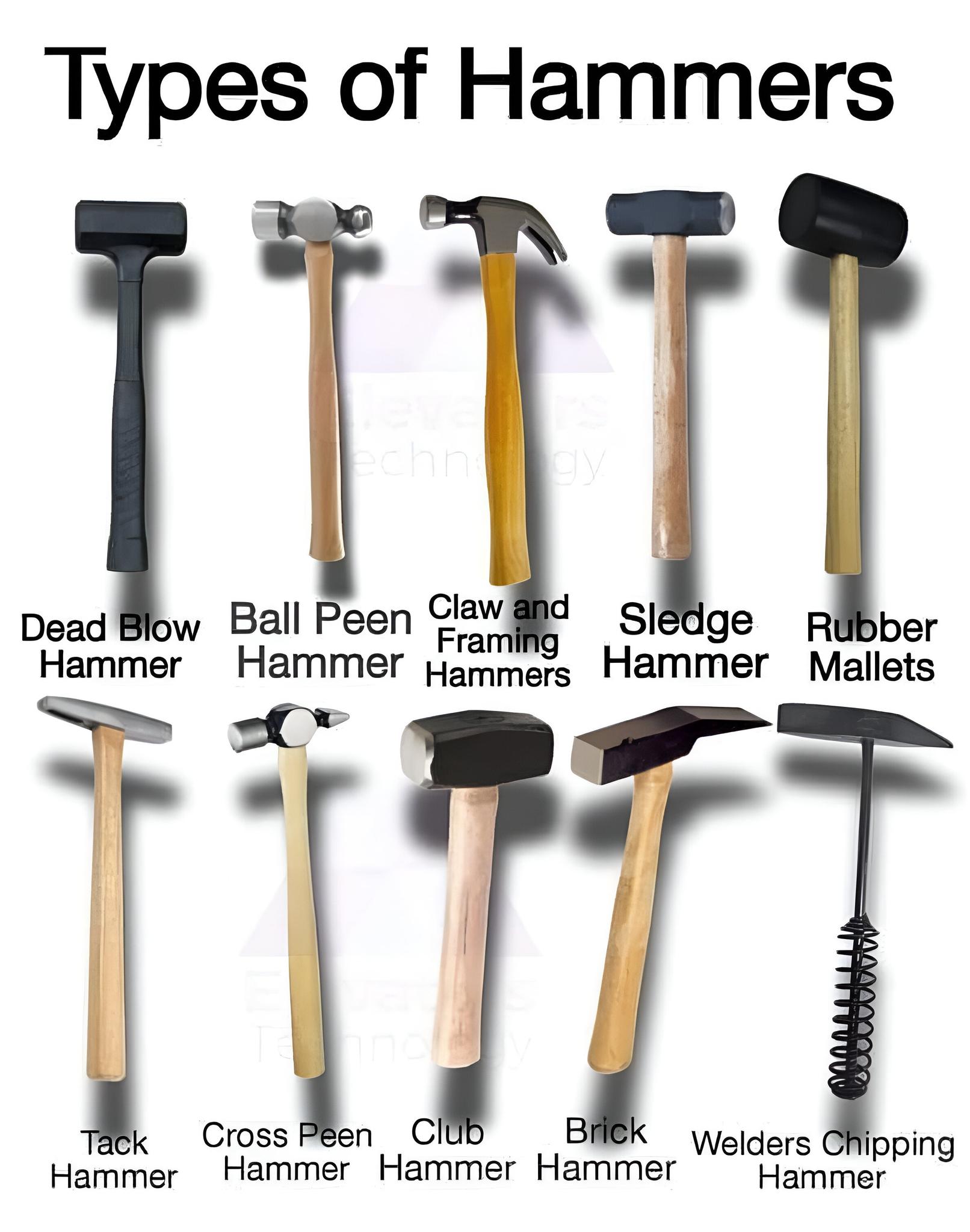
Credit: cmplasticos.com.br
Trim Hammer
The trim hammer is a smaller, lighter hammer designed for delicate woodworking tasks. It offers more control than a standard claw hammer. This tool is ideal for driving small nails in finish carpentry and trim work. Its compact size helps prevent damage to the wood surface around the nail.
Trim hammers usually have a straight claw. This design allows easy nail removal without splitting wood. The head is balanced for precise striking, reducing hand fatigue during use. Many trim hammers feature a smooth face to avoid marring wood.
Design And Features Of Trim Hammer
Trim hammers have a slim, lightweight handle. This makes them easy to handle and maneuver. The head weight is lighter than a framing hammer. The straight claw helps pull out small nails cleanly. The smooth striking face prevents dents on finished surfaces.
Uses Of Trim Hammer
Trim hammers are perfect for installing door trim, window casings, and molding. They work well with small finishing nails and brads. The tool provides precise control in tight spaces. It also helps avoid splitting delicate wood pieces.
Material And Handle Options
Trim hammers come with wooden, fiberglass, or steel handles. Wooden handles absorb shock and feel natural. Fiberglass handles offer durability and reduce vibration. Steel handles are strong but can transfer more shock to the hand.
Why Choose A Trim Hammer?
Choose a trim hammer for detailed woodworking and finish work. Its light weight and control improve accuracy. It reduces damage to the wood surface around nails. This hammer is a must-have for carpenters and DIY enthusiasts working on fine projects.
Choosing The Right Hammer
Choosing the right hammer makes your work easier and safer. Each hammer suits specific jobs and materials. Picking the correct one saves time and effort. Consider what you need the hammer for before buying.
Consider The Task
Different hammers fit different tasks. A claw hammer works well for driving nails and pulling them out. A mallet is best for gentle taps without damaging surfaces. Heavy hammers like sledgehammers handle demolition and breaking hard materials. Match the hammer to the job for better results.
Material And Handle Types
Hammer heads come in steel, brass, or rubber. Steel heads are strong and durable for most tasks. Brass heads avoid sparks and damage softer metals. Rubber or wooden mallets protect surfaces from marks. Handles may be wood, fiberglass, or metal. Wood handles absorb shock well. Fiberglass handles offer durability and vibration reduction. Metal handles are tough but can cause more vibration.
Weight And Balance
Weight affects power and control. Heavier hammers deliver stronger blows but tire you faster. Lighter hammers offer better precision for detailed work. Balance between head and handle improves accuracy. Hold the hammer to feel its weight and balance before choosing. The right balance helps you work longer without strain.
Credit: lescaveurs.com
Conclusion
Choosing the right hammer makes any job easier and safer. Each hammer type has its own use. Claw hammers help with nails and demolition. Ball peen hammers are great for metalwork. Mallets protect surfaces from damage. Small hammers fit tight spots and delicate tasks.
Knowing these types helps you pick tools wisely. Remember, using the correct hammer improves your work quality. Keep your toolkit ready with the hammers you need. Simple tools, smart choices.
Frequently Asked Questions
The six types of hammers are claw hammer, Warrington (joiner’s) hammer, ball pein hammer, club hammer, sledgehammer, and mallet. Each serves specific tasks from carpentry to metalwork and demolition.
A small hammer is called a tack hammer, mallet, or small claw (trim) hammer. Each type suits specific tasks.
A workshop typically contains six main hammer types: claw, ball pein, sledge, mallet, club, and tack hammers. Each serves distinct purposes.
A rubber hammer is called a mallet. It has a soft rubber head to prevent surface damage while striking.
Common types include claw hammer, ball pein hammer, sledgehammer, mallet, club hammer, and cross pein hammer.
A claw hammer is mainly used for driving nails and removing them with its curved claw.