
Last Updated: March 21, 2026
Nothing is more frustrating than a stubborn toilet clog that just won’t budge—even when you’ve grabbed your trusty plunger and given it your best shot. If you’re staring at a backed-up toilet that’s refusing to clear, you’re not alone.
But don’t panic or reach for harsh chemicals just yet. There are simple, effective ways to tackle that clog when your plunger fails you. In this guide, you’ll discover easy tricks and tools you can use right now to get your toilet flushing smoothly again.
Keep reading, because the solution might be simpler than you think—and it will save you time, stress, and a costly plumber’s visit.
Credit: www.timrauschplumbing.com
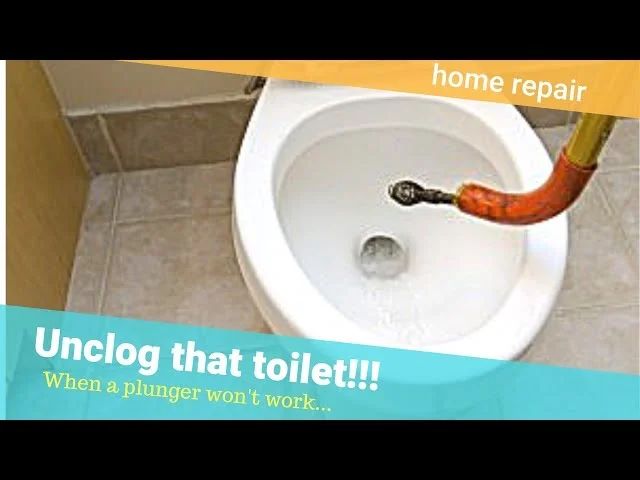
Try A Toilet Auger
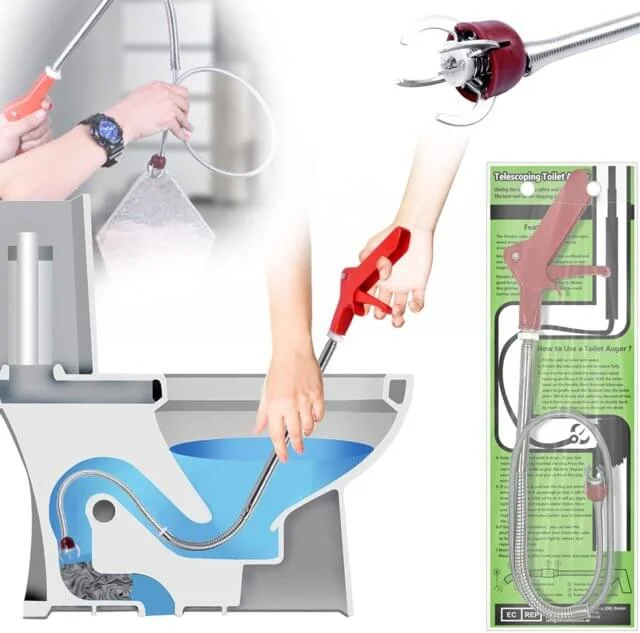
Try a toilet auger when a plunger does not clear the clog. This tool is designed to reach deep into the toilet’s drain. It breaks up or pulls out stubborn blockages. Toilet augers are simple to use and very effective. They work well on clogs that a plunger cannot fix.
Toilet augers have a long, flexible metal coil attached to a handle. You insert the coil into the toilet drain and turn the handle. The coil moves through the pipe and loosens the clog. This process helps water flow freely again.
Using A Toilet Auger
- Insert the auger’s coil gently into the toilet drain.
- Turn the handle clockwise to push the coil deeper.
- Feel for resistance when the clog is reached.
- Keep turning to break up or hook the clog.
- Slowly pull out the coil along with the debris.
- Flush the toilet to check if water drains properly.
Using Household Solutions
- Pour hot water and dish soap into the toilet bowl.
- Let it sit for 10-15 minutes to soften the clog.
- Try baking soda and vinegar to create a fizzing effect.
- Allow the mixture to work before flushing gently.
What To Avoid
- Repeated flushing can cause overflow and mess.
- Harsh chemical cleaners may damage pipes or create fumes.
- Boiling water can crack the toilet bowl.
- Using metal wires risks scratching the porcelain.
When To Call A Professional
Persistent or severe clogs may require a plumber’s help. Professionals have tools to clear deep or tricky blockages. Calling early can prevent pipe damage and costly repairs.
Credit: www.youtube.com
Make A Diy Drain Snake
When a plunger does not clear your toilet clog, a DIY drain snake offers a practical alternative. This tool can reach deeper clogs beyond the plunger’s reach. Making your own drain snake is easy and uses simple household items. It helps break up or pull out stubborn blockages.
Using a homemade drain snake saves time and money. It gives you better control to clear the toilet drain. Follow these steps to create and use your DIY drain snake safely.
Using A Toilet Auger Or Snake
- Use a toilet auger for tough clogs. Insert the coil into the toilet drain.
- Turn the handle clockwise to push the coil further in. This action breaks up the clog.
- Keep turning until you feel less resistance. Then pull the auger out slowly.
- Flush the toilet to check if the water drains normally.
Create A Makeshift Snake
- Unwind an old wire coat hanger carefully.
- Bend one end to form a small hook.
- Slowly insert the hooked end into the toilet drain.
- Gently move it back and forth to dislodge the clog.
- Avoid using too much force to prevent porcelain scratches.
- Pull the hanger out and test the flush.
Using Household Solutions
- Pour hot water mixed with dish soap into the bowl to loosen grease clogs.
- Use baking soda and vinegar to create a natural foaming action that breaks up blockages.
- Allow the mixture to sit for 15-20 minutes before flushing.
- Repeat if necessary but do not overfill the bowl.
What To Avoid
- Do not flush repeatedly. This can overflow the toilet.
- Avoid harsh chemical cleaners. They may damage pipes and create toxic fumes.
- Never use boiling water. It can crack the toilet bowl.
- Do not use metal wires other than a coat hanger to avoid damage.
When To Call A Professional
If the clog remains after trying these methods, call a plumber. Persistent or severe clogs require expert care. Professionals can prevent damage and fix the problem safely.
Use Hot Water And Dish Soap
Using hot water and dish soap is a simple way to unclog a toilet without a plunger. The dish soap helps to lubricate the blockage. Hot water then softens the clog, making it easier to move through the pipes. This method is safe and gentle on your toilet.
Start by pouring a good amount of dish soap into the toilet bowl. Let it sit for 5 to 10 minutes. The soap will break down grease and sticky waste. Next, add hot water carefully. Use water that is hot but not boiling to avoid cracking the toilet.
Allow the hot water and soap mixture to work for 15 to 20 minutes. This gives the clog time to soften and loosen. After waiting, try flushing the toilet. The blockage may clear on its own with this method.
How To Prepare Hot Water And Dish Soap
- Heat about a gallon of water until it is hot but not boiling.
- Pour 1/2 cup of dish soap into the toilet bowl.
- Wait 5-10 minutes to let the soap settle.
- Slowly pour the hot water into the bowl from waist height.
Why Hot Water And Dish Soap Work
- Dish soap breaks down sticky and greasy materials.
- Hot water softens hardened waste and paper.
- The combined effect helps move clogs through the pipes.
- This method avoids harsh chemicals that can damage plumbing.
Tips For Best Results
- Do not use boiling water to prevent cracking the toilet bowl.
- Pour the water slowly to avoid splashing and overflow.
- Let the solution sit long enough to work on the clog.
- Repeat the process once or twice if needed before flushing.
Apply Baking Soda And Vinegar
Applying baking soda and vinegar is a natural way to clear a clogged toilet. This method uses common household items to create a fizzy reaction that helps break down blockages. It is safe and eco-friendly, making it a great alternative when a plunger does not work.
This process is simple and requires only a few steps. Baking soda loosens debris, while vinegar adds acidity to dissolve the clog. The reaction also helps to clear odors and refresh the toilet bowl.
Gather Ingredients And Materials
- 1 cup of baking soda
- 2 cups of white vinegar
- Hot water (not boiling)
- A measuring cup
- A toilet brush (optional)
Pour Baking Soda Into The Toilet
Start by pouring one cup of baking soda directly into the toilet bowl. Spread it evenly around the drain area. This step helps to loosen any solid waste or buildup blocking the pipes.
Add Vinegar Slowly
Next, slowly pour two cups of white vinegar into the bowl. The mixture will start to fizz and bubble. This fizzing action helps break down the clog and clear the pipes. Let it sit for at least 30 minutes.
Flush With Hot Water
After waiting, pour hot water into the toilet bowl. Use about one to two cups. The hot water aids in flushing away loosened debris. Avoid using boiling water, as it may crack the porcelain.
Repeat If Needed
If the toilet remains clogged, repeat the process once more. Sometimes, multiple treatments help dissolve stubborn blockages. Be patient and allow time for the reaction to work.
Avoid Harsh Chemicals
Avoiding harsh chemicals helps protect your toilet and plumbing system. These chemicals can damage the porcelain and pipes. They also create toxic fumes that are unsafe for your health. Many chemical cleaners do not fully clear clogs. They might only move the blockage deeper into the drain. Safer alternatives exist that clean effectively without risks. Use gentle methods to save money and avoid damage.
Using A Toilet Auger Or Snake
- Use a toilet auger: Insert the coil into the toilet drain. Turn the handle clockwise to break up the clog.
- Create a makeshift snake: Unwind a wire coat hanger carefully. Push the hooked end into the drain to remove the clog.
Using Household Solutions
Mix half a cup of baking soda with one cup of vinegar. Pour it into the toilet bowl. Let it sit for 15-30 minutes. Flush with hot water afterward. Use dish soap with hot water for greasy clogs. These methods are gentle yet effective.
What To Avoid
- Repeated flushing: Can cause overflow and a messy situation.
- Harsh chemical drain cleaners: Can cause toxic fumes and pipe damage.
- Boiling water: May crack the toilet bowl and worsen the problem.
When To Call A Professional
Persistent or severe clogs need expert help. A plumber can safely remove tough blockages. Avoid forcing tools that may cause damage. Professional service ensures your plumbing stays intact.
Skip Boiling Water
Boiling water is a common tip to clear clogged toilets. Many people pour boiling water into the bowl, hoping it will dissolve the blockage quickly. This method seems simple and cheap, but it can cause more harm than good. Skip boiling water to protect your toilet and avoid extra problems.
Toilets are made of porcelain, which is sensitive to extreme heat changes. Pouring boiling water may cause the porcelain to crack or break. Cracks lead to leaks and costly repairs. Warm water is safe, but boiling water is too hot for toilet bowls.
Also, boiling water can make some clogs worse. Hot water can soften solid waste, but it may cause it to expand and block the pipes more tightly. This makes the clog harder to remove with a plunger or auger later.
Using Warm Water Instead
Use warm water from the tap instead of boiling. Warm water helps loosen clogs gently without risking damage. Pour it slowly into the toilet bowl, giving time for it to work. This method is safer for the toilet and still effective at softening blockages.
Combine Warm Water With Dish Soap
Dish soap can help break down grease and waste in the clog. Pour a generous amount of dish soap into the toilet bowl. Let it sit for 10 to 15 minutes. Then pour warm water to help flush the clog away. This mix works well to dissolve stubborn blockages.
Why Avoid Boiling Water
- It can crack the porcelain toilet bowl.
- Boiling water may worsen some types of clogs.
- It risks causing leaks and expensive repairs.
- Warm water is safer and just as effective.
Prevent Overflow With Careful Flushing
Preventing a toilet overflow starts with careful flushing. A clogged toilet holds water and waste in the bowl. Flushing without caution can cause water to rise quickly. This rise may lead to an overflow, creating a mess and more work. Taking small steps can help manage water flow and avoid spills.
Flush Slowly And Monitor Water Levels
Press the flush handle gently instead of a full flush. Watch the water rise in the bowl. Stop if it reaches the rim. Wait a moment for water to drain before flushing again. This method reduces pressure on the clog and lowers overflow risk.
Limit The Number Of Flushes
Do not flush multiple times in a row. Each flush adds water and may push the clog higher. This increases chances of overflow. Flush only when the water level is low. This controls the water volume inside the bowl.
Use A Bucket To Add Water Manually
Pour water slowly from a bucket into the bowl. This mimics a gentle flush and avoids sudden water surges. Adding water this way gives the clog time to move. It is safer than a full flush in a clogged toilet.
Know When To Call A Plumber
Knowing when to call a plumber is important. Trying to fix a toilet yourself can save time and money. But some problems need a professional touch. Recognizing these signs helps prevent bigger damage and costly repairs.
Persistent Clogs Despite Multiple Attempts
If the toilet stays clogged after several tries, stop. Continuous plunging or DIY methods may worsen the issue. A plumber has the right tools to clear tough blockages safely.
Water Rising Close To The Rim
Water that rises near the top of the bowl signals a serious clog. Flushing again can cause an overflow. Call a plumber to avoid flooding and water damage.
Multiple Fixtures Are Clogged
When more than one drain backs up, the problem is likely in the main sewer line. This issue requires professional inspection and repair.
Unpleasant Odors Persist
Foul smells from the toilet or drains may mean a hidden blockage or sewer problem. Plumbers can detect and fix these issues quickly.
Signs Of Pipe Damage Or Leaks
Cracks, leaks, or unusual sounds near the toilet need expert attention. Ignoring these signs can lead to serious plumbing failures.
Credit: yourguydrainage.ca
Frequently Asked Questions
What Can I Use If A Plunger Doesn’t Unclog My Toilet?
Try a toilet auger, hot water with dish soap, or baking soda and vinegar.
How Does A Toilet Auger Help Clear Clogs?
It breaks up clogs inside the toilet drain by twisting and pushing through blockages.
Can I Use Household Items To Unclog A Toilet?
Yes, hot water, dish soap, baking soda, and vinegar can help dissolve clogs safely.
Why Should I Avoid Harsh Chemical Drain Cleaners?
They can damage pipes, create toxic fumes, and often don’t fix toilet clogs well.
When Is It Time To Call A Plumber For A Clogged Toilet?
Call a plumber if the clog is severe, recurring, or if DIY methods don’t work.
Conclusion
Trying different methods can clear a stubborn toilet clog without a plunger. Use a toilet auger or household solutions like dish soap and hot water. Avoid harsh chemicals and repeated flushing to prevent damage. Be patient and gentle with tools to protect your toilet.
If the clog persists or gets worse, calling a plumber is the safest choice. Keeping these tips in mind helps solve clogs quickly and safely.
{ “@context”: “https://schema.org”, “@type”: “Article”, “headline”: “How to Unclog a Toilet When a Plunger Doesn’T Work: Expert Tips”, “description”: “Learn how to unclog a toilet when a plunger doesn’t work by exploring alternative methods and tools to clear blockages effectively and safely.”, “url”: “https://www.powertoolstoday.com/unclog-toilet-without-plunger/”, “datePublished”: “2025-12-10”, “dateModified”: “2026-03-18”, “author”: { “@type”: “Organization”, “name”: “Power Tools Today”, “url”: “https://www.powertoolstoday.com” }, “publisher”: { “@type”: “Organization”, “name”: “Power Tools Today”, “url”: “https://www.powertoolstoday.com” }, “mainEntityOfPage”: { “@type”: “WebPage”, “@id”: “https://www.powertoolstoday.com/unclog-toilet-without-plunger/” }, “image”: { “@type”: “ImageObject”, “url”: “https://www.powertoolstoday.com/wp-content/uploads/2025/11/how-to-unclog-a-toilet-when-a-plunger-doesnt-work.jpg” } }{ “@context”: “https://schema.org”, “@type”: “Article”, “headline”: “How to Unclog a Toilet When a Plunger Doesn’T Work: Expert Tips”, “description”: “Learn how to unclog a toilet when a plunger doesn’t work by exploring alternative methods and tools to clear blockages effectively and safely.”, “url”: “https://www.powertoolstoday.com/unclog-toilet-without-plunger/”, “datePublished”: “2025-12-10”, “dateModified”: “2026-03-19”, “author”: { “@type”: “Organization”, “name”: “Power Tools Today”, “url”: “https://www.powertoolstoday.com” }, “publisher”: { “@type”: “Organization”, “name”: “Power Tools Today”, “url”: “https://www.powertoolstoday.com” }, “mainEntityOfPage”: { “@type”: “WebPage”, “@id”: “https://www.powertoolstoday.com/unclog-toilet-without-plunger/” }, “image”: { “@type”: “ImageObject”, “url”: “https://www.powertoolstoday.com/wp-content/uploads/2025/11/how-to-unclog-a-toilet-when-a-plunger-doesnt-work.jpg” } }nn