
Last Updated: March 20, 2026
If you’ve ever struggled to drill through tough metals like stainless steel or cast iron, you know how important the right drill bit can be. That’s where cobalt drill bits come in—they’re specially designed to handle hard materials that ordinary bits just can’t manage.
But what exactly makes cobalt drill bits so effective, and when should you choose them for your projects? You’ll discover the key uses of cobalt drill bits, why they outperform regular bits on certain jobs, and what you need to know to get the best results every time you drill.
Keep reading to unlock the full potential of your tools and tackle those challenging materials with confidence.
Materials For Cobalt Bits
Cobalt drill bits are designed to work with tough materials that standard bits struggle to penetrate. Their unique alloy gives them strength and heat resistance. This makes them ideal for drilling through hard metals without dulling quickly. Understanding which materials cobalt bits perform best with helps in choosing the right tool for your project.
Hard Metals Suitable For Cobalt
Cobalt drill bits excel at cutting through hard metals like stainless steel, cast iron, and titanium. These metals are common in automotive, construction, and manufacturing work. The cobalt alloy keeps the bit sharp and prevents overheating. It also allows the bit to handle metal weld seams and hardened surfaces. This makes cobalt bits the top choice for metalworkers and professionals.
Limitations With Softer Materials
Cobalt bits are not the best choice for softer materials like wood or plastic. Their hardness can cause cracking or splitting in these materials. The cutting edges may damage delicate surfaces instead of cleanly drilling through. Using cobalt bits on soft materials also wears down the bit faster. For such tasks, standard high-speed steel bits are a better and safer option.
Common Applications
Cobalt drill bits are designed for tough jobs. They work best on hard metals that regular bits struggle with. Their strength and heat resistance make them reliable for many industrial and DIY tasks. The common applications show why these bits are favored in demanding environments. Below are some typical uses of cobalt drill bits.
Drilling Stainless Steel And Cast Iron
Stainless steel is hard and resists heat, which can wear out normal bits fast. Cobalt drill bits cut through this metal smoothly. They keep their sharp edge longer and handle high temperatures well.
Cast iron is brittle and can chip easily. Cobalt bits drill clean holes without cracking the metal. This makes them ideal for automotive and machine parts made from cast iron.
Use In Titanium And Weld Seams
Titanium is very strong but lightweight. Many drill bits break or dull quickly on titanium. Cobalt bits stay sharp and drill precise holes in titanium sheets or parts.
Weld seams are tough and uneven. Cobalt drill bits easily cut through these welds. Their durability helps avoid damage to the bit and the workpiece during welding repairs or modifications.
Advantages Over Other Bits
Cobalt drill bits offer several clear advantages over standard drill bits. Their design and material provide superior performance, especially for tough jobs. These bits handle demanding tasks better than many other options. The benefits make them a preferred choice for professionals and DIYers alike.
Heat Resistance And Durability
Cobalt drill bits can withstand very high temperatures without losing hardness. This heat resistance allows them to drill through hard metals smoothly. Other bits often dull quickly due to heat buildup, but cobalt bits stay sharp longer. Their durability reduces the chance of breaking or wearing out fast. This feature is crucial for projects involving tough materials like stainless steel.
Longer Cutting Edge Life
The cutting edge of cobalt bits lasts much longer than standard high-speed steel bits. They resist wear and maintain sharpness after many uses. This means fewer replacements and less downtime during work. The long cutting edge life saves money and effort over time. Users get consistent performance even after drilling many holes.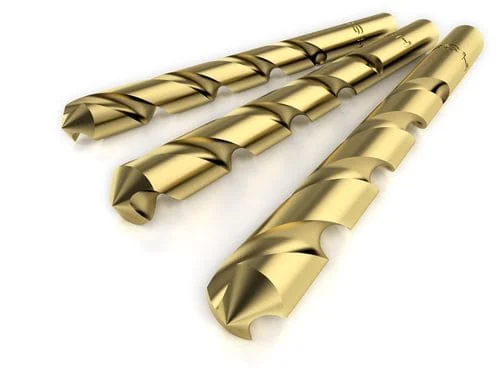
Credit: www.wasatchsteel.com
Drawbacks To Consider
Cobalt drill bits offer strong performance for tough metals. Still, they come with some drawbacks that users should know. These points help decide if cobalt bits fit your needs. Understanding these limits ensures better tool choice and safer work.
Higher Cost And Accessibility
Cobalt drill bits cost more than regular steel or titanium bits. The cobalt metal alloy raises the price significantly. This can affect your budget, especially for large projects.
These bits can also be harder to find in stores. Smaller sizes or specific types might not be available easily. This limits quick access for urgent tasks.
Brittleness And Breakage Risks
Cobalt bits are very hard but also brittle. Their rigidity makes them prone to chipping or breaking under pressure. Using too much force or the wrong angle can cause damage.
Careful handling is essential to avoid accidents. Wearing safety gear like goggles and gloves protects you during use. Breakage risks mean these bits need more cautious operation than standard ones.
Comparison With Other Drill Bits
Comparing cobalt drill bits with other types helps to understand their unique strengths and weaknesses. Choosing the right bit depends on the material and task. Cobalt bits stand out for hard metals but are not always the best choice for every job.
Cobalt Vs Titanium Bits
Cobalt bits contain 5-8% cobalt, making them harder than titanium bits. Titanium bits have a titanium nitride coating that reduces wear. This coating wears off over time, exposing the softer steel underneath.
Cobalt bits keep their hardness throughout the bit, allowing longer use on tough metals. Titanium bits work well for softer metals and wood but struggle with stainless steel. Cobalt bits resist heat better, reducing the chance of dulling when drilling metals.
Titanium bits cost less and are lighter, making them good for general use. Cobalt bits are more expensive but last longer in heavy-duty jobs. Titanium bits can break more easily when used on hard materials.
Cobalt Vs Carbide Bits
Carbide bits are the hardest and most brittle among drill bits. They can drill through extremely hard materials like concrete and ceramics. Cobalt bits are tough but more flexible than carbide bits, reducing the risk of breaking.
Carbide bits wear out slower but require special care to avoid chipping. Cobalt bits are easier to sharpen and handle metal drilling better. Carbide bits cost much more and are usually reserved for industrial use.
Cobalt bits offer a balance of toughness and flexibility for metalworking. Carbide bits excel in very hard or abrasive materials but can break if misused. Selecting between these depends on the material hardness and job demands.
Care And Maintenance Tips
Caring for cobalt drill bits extends their life and keeps them sharp. Proper care reduces wear and prevents damage. Good maintenance ensures better performance on tough metals.
Follow simple steps to protect your investment and work safely. Understanding how to use, sharpen, and store these bits helps avoid breakage. This guide covers key tips to help you maintain cobalt drill bits effectively.
Proper Usage Techniques
Use cobalt drill bits at the right speed for the material. Too fast can cause overheating and dull the bit. Apply steady, moderate pressure to avoid snapping the bit. Let the drill do the work without forcing it.
Use cutting oil or lubricant to reduce heat. This keeps the bit cooler and sharper longer. Avoid drilling into wood or soft metals with cobalt bits. They can cause rough holes or damage the material.
Sharpening And Storage Advice
Sharpen cobalt bits carefully using a bench grinder or sharpening tool. Keep the original angle of the cutting edge for best results. Sharpen only when the bit feels dull or cuts poorly.
Store drill bits in a dry place to prevent rust. Use a drill bit case or holder to keep them organized and safe. Avoid dropping or banging the bits to reduce chipping or breakage.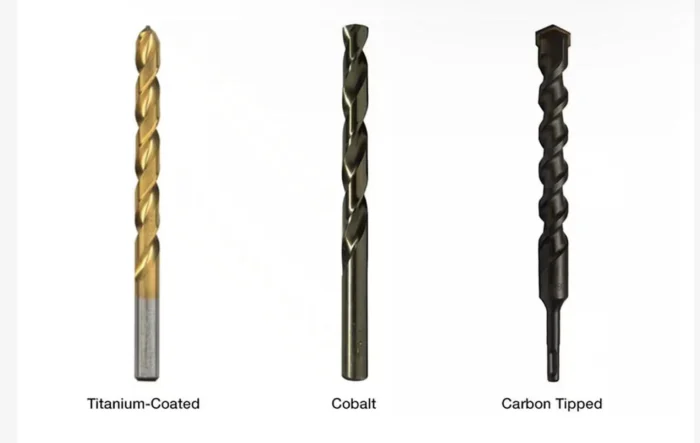
Credit: www.reddit.com
Conclusion
Cobalt drill bits work best on hard metals like stainless steel and cast iron. They last longer than regular steel bits but cost more. These bits need careful use to avoid breakage. They are not good for soft materials like wood.
Always use safety gear when drilling with cobalt bits. Choosing the right bit helps you drill efficiently and safely. Cobalt bits are a solid choice for tough metal drilling tasks.
Frequently Asked Questions
Cobalt drill bits resist heat and wear, efficiently drilling hardened metals like stainless steel and titanium. They last longer than standard bits.
Cobalt drill bits cost more and are brittle, risking breakage under high pressure. They struggle with soft materials and are harder to resharpen.
Carbide drill bits can drill through cobalt drill bits due to their superior hardness and wear resistance.
Cobalt drill bits are heat-resistant alloys ideal for hard metals like stainless steel. Carbide bits, made from tungsten carbide, are harder and best for tough materials but more brittle.
Cobalt drill bits can cut hard metals like stainless steel, cast iron, bronze, and titanium.
They last longer and stay sharper when drilling tough metals compared to standard steel bits.
