
Last Updated: March 21, 2026
If you’ve ever wondered how professionals slice through tough materials like concrete, brick, or stone with such precision, the secret often lies in a diamond saw blade. These blades aren’t just any cutting tools—they use industrial diamonds to power through some of the hardest surfaces you can imagine.
Whether you’re tackling a home renovation, a road repair, or a detailed tile installation, knowing what diamond saw blades are used for can make a big difference in choosing the right tool for your job. Keep reading to discover how these blades work and why they’re the go-to choice for cutting everything from asphalt to marble, helping you get your projects done faster and cleaner.
Credit: bsptools.com
Common Materials Cut
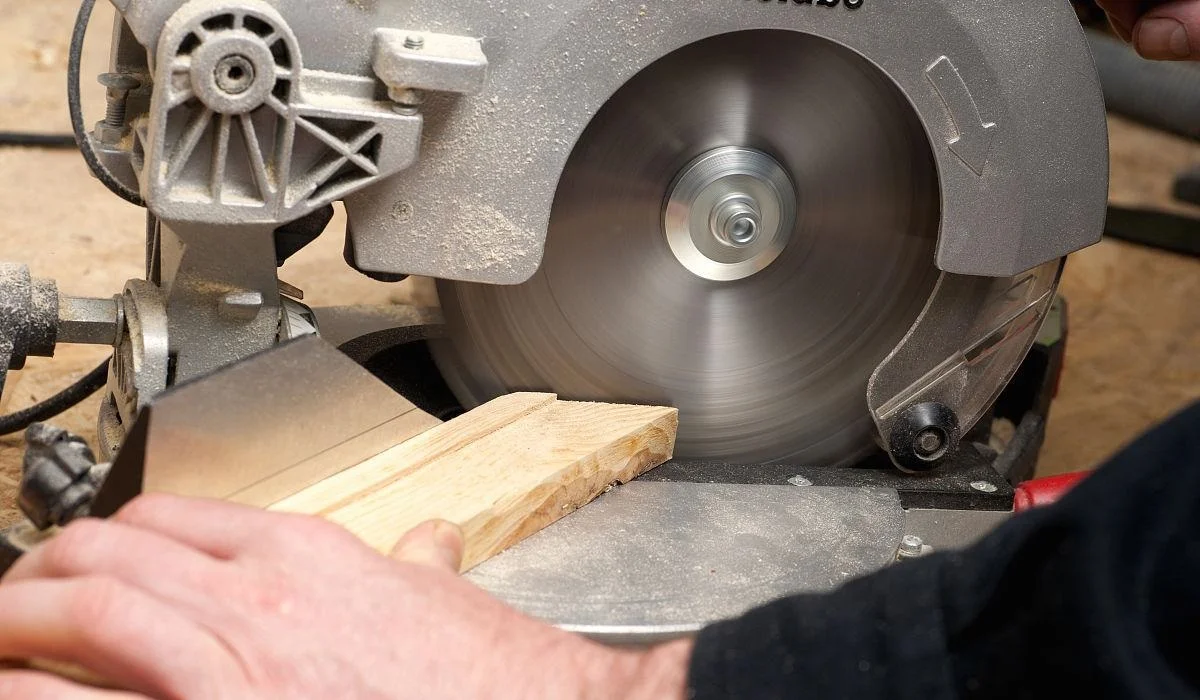
Diamond saw blades cut a wide range of tough materials. Their design includes industrial diamonds on the edge. This allows the blade to grind through hard surfaces with ease. These blades are essential in construction, renovation, and manufacturing. They provide clean, precise cuts, saving time and effort.
Concrete And Asphalt
Diamond blades cut concrete and asphalt quickly. They handle reinforced concrete with steel bars inside. Roadwork and building projects use these blades often. Cutting concrete slabs, curbs, and pavement is easier with diamond blades. They reduce dust and deliver smooth cuts.
Stone And Tiles
Cutting natural stone like granite or marble is simple. Tile installers prefer diamond blades for porcelain and ceramic tiles. These blades prevent cracking and chipping during cuts. They produce clean edges for a professional look. Stone countertop fabrication also uses diamond saw blades.
Brick And Masonry
Diamond blades slice through bricks and masonry blocks. They work well for walls, chimneys, and fireplaces. These blades make cutting mortar joints or shaping bricks easier. Masonry projects benefit from the precision and speed they offer. Hard materials become manageable with diamond cutting tools.
Metals And Plastics
Special diamond blades cut some metals and plastics. Thin metal sheets and pipes can be cut without distortion. Plastics like PVC and acrylic also respond well. Diamond blades reduce heat build-up and prevent melting. This makes them useful in plumbing and metal fabrication.
Credit: www.azom.com
Types Of Diamond Blades
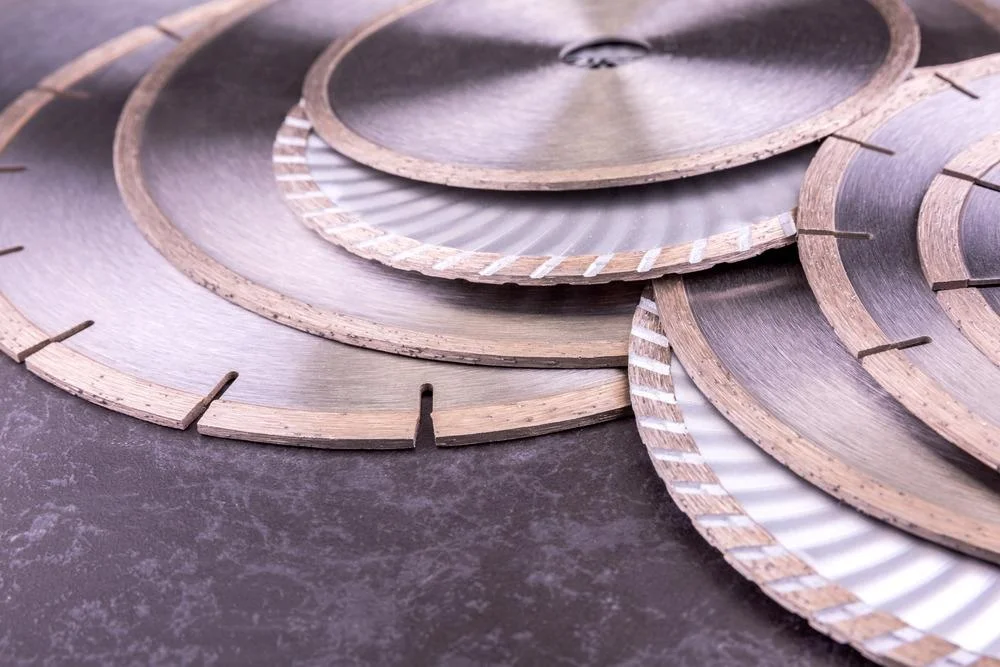
Diamond saw blades come in various types to meet different cutting needs. Each type suits specific materials and cutting styles. Choosing the right blade improves cutting speed and blade life. Understanding the main types helps you pick the best blade for your project.
Segmented Blades
Segmented blades have gaps or segments on the edge. These gaps help cool the blade during cutting. They work well for cutting concrete, brick, and other hard materials. Segmented blades are ideal for fast, rough cuts. They remove debris easily to prevent overheating.
Continuous Rim Blades
Continuous rim blades have a smooth, uninterrupted edge. They provide clean and precise cuts. These blades are perfect for cutting tiles, glass, and ceramics. They reduce chipping and breakage on delicate materials. Continuous rim blades are often used in finishing work.
Turbo Blades
Turbo blades combine features of segmented and continuous blades. Their edges have small, curved segments. This design offers faster cutting than continuous blades. Turbo blades give a smooth finish on materials like concrete and stone. They balance speed and clean cuts well.
Construction Uses
Diamond saw blades are essential tools in construction. Their strength and precision make cutting tough materials easier. These blades handle concrete, bricks, asphalt, and more without much effort. Builders and workers trust diamond blades to speed up projects and improve accuracy.
Building And Repairs
Diamond blades cut bricks, concrete blocks, and stone for building walls and structures. They create clean edges for better fitting and stronger joints. During repairs, these blades remove damaged sections quickly. They help prepare surfaces for new materials or installations.
Road And Driveway Work
Road construction relies on diamond blades to cut asphalt and concrete. These blades make precise cuts for joints and repairs. They also trim edges when building new driveways or pathways. Using diamond blades reduces damage to surrounding areas and speeds up work.
Demolition Tasks
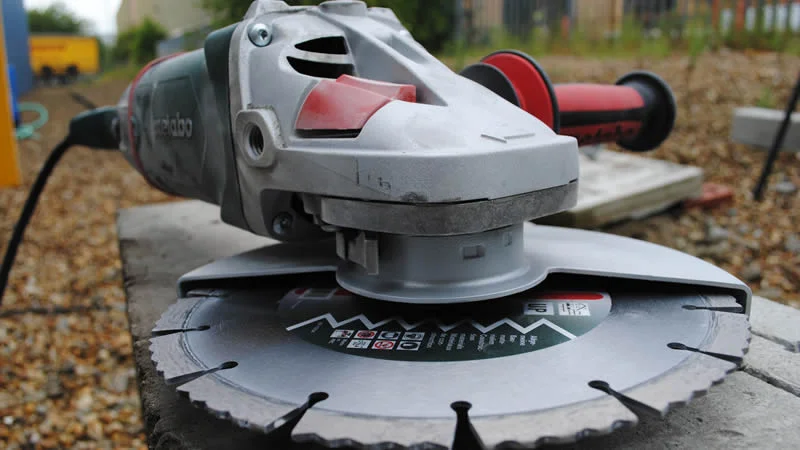
Demolition needs fast and accurate cutting tools. Diamond blades slice through reinforced concrete and metal supports. They help break down structures safely and efficiently. Workers use these blades to separate materials for removal or recycling.
Stone And Tile Applications
Diamond saw blades excel in cutting stone and tile materials. Their design handles hard surfaces with precision. These blades make clean, accurate cuts in various stone and tile applications. Builders and fabricators rely on them for efficient work with minimal damage to materials.
Countertops And Flooring
Diamond saw blades cut granite, marble, and quartz countertops. They create smooth edges and perfect shapes. For flooring, they slice through ceramic, porcelain, and natural stone tiles. The blades reduce chipping and cracking during installation. This helps achieve a polished, professional finish in kitchens and bathrooms.
Cladding And Decorative Cuts
Stone cladding requires precise cutting to fit walls perfectly. Diamond blades shape stone panels for exterior and interior cladding. They also carve intricate designs on tiles and stones. These decorative cuts add style and uniqueness to buildings. The blades’ sharpness ensures clean lines and detailed patterns without breaking the material.
Industrial And Specialty Uses
Diamond saw blades play a crucial role beyond construction and fabrication. Their ability to cut extremely hard and delicate materials makes them invaluable in specialized industries. These blades offer precision and efficiency where normal blades fall short.
Semiconductor Cutting
Diamond blades cut semiconductor wafers used in electronics. These wafers are very thin and fragile. The diamond edge ensures smooth cuts without cracking. It helps create tiny chips used in computers, phones, and other devices. This precision supports the high-quality standards of the tech industry.
Gemstone Shaping
Gem cutters use diamond blades to shape precious stones. Diamonds and other gems are extremely hard materials. The blades carve and trim stones into desired shapes and sizes. They create smooth surfaces and facets that enhance a gem’s beauty. This precise cutting preserves the value and clarity of each stone.
Ceramics And Glass
Cutting ceramics and glass requires sharp, durable blades. Diamond saw blades make clean cuts on tiles, glass sheets, and porcelain. They reduce chipping and cracking during cutting. These blades help manufacturers produce flawless ceramic and glass products. Their strength and accuracy improve both speed and quality.
Credit: kevcor.co.za
Blade Performance Factors
Diamond saw blades deliver strong cutting power for tough materials. Their performance depends on key factors that affect how well they cut and last. Understanding these factors helps in choosing the right blade for each job.
Cutting Speed And Smoothness
The cutting speed of a diamond blade shows how fast it can slice through material. A faster blade saves time and effort. Smoothness refers to the clean finish of the cut surface. Blades designed for smooth cuts reduce the need for extra polishing or grinding. Finer diamonds create cleaner cuts, while the blade’s shape helps control vibrations and heat.
Durability And Wear
Durability measures how long a blade lasts under heavy use. A durable blade resists wear and keeps cutting sharp over time. Wear happens as diamonds break down or fall out during cutting. Harder bonds suit soft materials, while softer bonds work better on hard materials. Proper bond selection extends blade life and maintains cutting power.
Material Compatibility
Material compatibility means the blade fits the type of material being cut. Different materials need blades with specific diamond types and bonds. For example, cutting concrete requires a different blade than cutting granite or asphalt. Using the right blade for the material ensures efficient cutting and prevents damage. Matching blade and material is key for best results.
Frequently Asked Questions
What Can You Cut With A Diamond Saw Blade?
A diamond saw blade cuts hard materials like concrete, asphalt, bricks, tile, stone, granite, marble, and ceramics efficiently and precisely.
What Is The Diamond Saw Blade Used For?
A diamond saw blade cuts hard materials like concrete, asphalt, stone, tile, and brick in construction and fabrication. It provides precise, efficient cutting for tasks such as masonry, roadwork, tile installation, and demolition by grinding through tough surfaces using industrial diamonds on its edge.
What Material Cannot Be Cut By A Diamond Cutting Tool?
Diamond cutting tools cannot cut materials harder than diamond, such as cubic boron nitride, tungsten carbide, and some reactive metal alloys.
Are Diamond Blades The Sharpest?
Diamond blades are among the sharpest due to industrial diamonds on their edges. They cut hard materials efficiently but wear with use.
What Materials Can Diamond Saw Blades Cut?
Diamond saw blades cut concrete, asphalt, brick, stone, tile, and some metals.
Why Choose Diamond Blades Over Regular Saw Blades?
Diamond blades last longer and cut harder materials more cleanly and quickly.
Conclusion
Diamond saw blades cut through many tough materials with ease. They help in construction, tile work, and stone projects. These blades offer clean, fast cuts on concrete, brick, and asphalt. Using the right blade improves work quality and saves time. Choose blades carefully to match your material and job needs. Diamond saw blades remain a trusted tool for many cutting tasks. Their strength and precision make them essential on job sites everywhere.
Related reading: How to Sharpen Saw Blades.
{ “@context”: “https://schema.org”, “@type”: “Article”, “headline”: “What are Diamond Saw Blades Used for: Essential Applications Explained”, “description”: “What are diamond saw blades used for? They are cutting tools designed to efficiently cut hard materials like stone, concrete, and ceramics with precision.”, “url”: “https://www.powertoolstoday.com/what-are-diamond-saw-blades-used-for/”, “datePublished”: “2026-02-26”, “dateModified”: “2026-03-18”, “author”: { “@type”: “Organization”, “name”: “Power Tools Today”, “url”: “https://www.powertoolstoday.com” }, “publisher”: { “@type”: “Organization”, “name”: “Power Tools Today”, “url”: “https://www.powertoolstoday.com” }, “mainEntityOfPage”: { “@type”: “WebPage”, “@id”: “https://www.powertoolstoday.com/what-are-diamond-saw-blades-used-for/” }, “image”: { “@type”: “ImageObject”, “url”: “https://www.powertoolstoday.com/wp-content/uploads/2025/11/What-are-Diamond-Saw-Blades-Used-for-1024×576.webp” } }{ “@context”: “https://schema.org”, “@type”: “Article”, “headline”: “What are Diamond Saw Blades Used for: Essential Applications Explained”, “description”: “What are diamond saw blades used for? They are cutting tools designed to efficiently cut hard materials like stone, concrete, and ceramics with precision.”, “url”: “https://www.powertoolstoday.com/what-are-diamond-saw-blades-used-for/”, “datePublished”: “2026-02-26”, “dateModified”: “2026-03-19”, “author”: { “@type”: “Organization”, “name”: “Power Tools Today”, “url”: “https://www.powertoolstoday.com” }, “publisher”: { “@type”: “Organization”, “name”: “Power Tools Today”, “url”: “https://www.powertoolstoday.com” }, “mainEntityOfPage”: { “@type”: “WebPage”, “@id”: “https://www.powertoolstoday.com/what-are-diamond-saw-blades-used-for/” }, “image”: { “@type”: “ImageObject”, “url”: “https://www.powertoolstoday.com/wp-content/uploads/2025/11/What-are-Diamond-Saw-Blades-Used-for-1024×576.webp” } }nn