
Last Updated: March 19, 2026
When you need to drill into tough surfaces like brick, concrete, or stone, reaching for the right tool can make all the difference. That’s where masonry drill bits come in.
But what exactly are masonry drill bits used for, and why should you choose them over regular drill bits? If you’ve ever struggled with drilling into hard materials or wondered how professionals get clean, precise holes in concrete walls, this article is for you.
You’ll discover the key uses of masonry drill bits, the features that set them apart, and how to pick the perfect bit for your next project. Keep reading to unlock the secrets to drilling like a pro and get your job done faster and easier!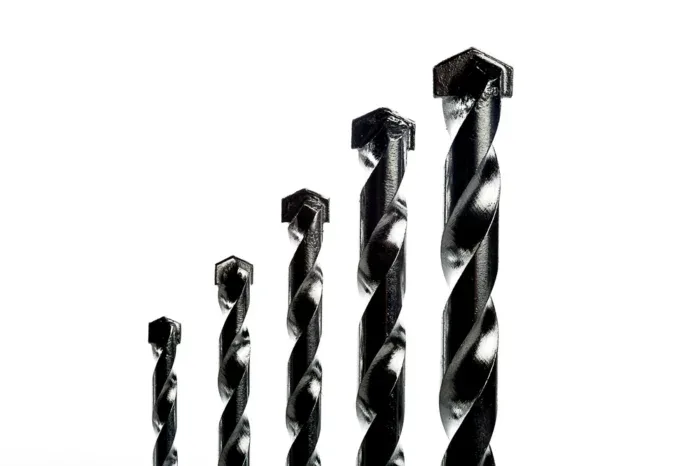
Credit: thearchitectsdiary.com
Masonry Drill Bit Features
Masonry drill bits have special features that make drilling into hard materials easier. These features help the bit cut through tough surfaces like brick and concrete. Each part of the bit is designed for strength and efficiency. This ensures better performance and longer life during use.
Understanding these features helps you choose the right bit for your project. It also improves safety and results when working with masonry materials. Let’s explore the key features of masonry drill bits.
Carbide Tip Durability
The tip of a masonry drill bit is made from carbide. Carbide is a very hard and tough material. It resists wear and heat much better than regular steel. This makes the bit last longer when drilling into bricks or concrete. The strong tip also helps the bit stay sharp for many uses. Sharp tips cut faster and cleaner holes.
Spiral Flutes Function
Spiral flutes are the grooves twisted along the drill bit’s shaft. These grooves remove dust and debris from the hole. This keeps the drill bit from getting stuck. The flutes also help cool the bit by allowing air to flow. This reduces heat build-up and prevents damage. They improve drilling speed and maintain smooth operation.
Hammer Drill Compatibility
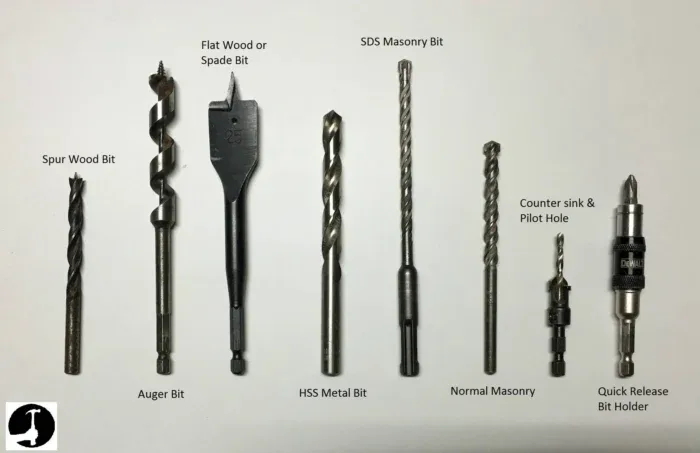
Masonry bits work best with hammer drills. Hammer drills add a pounding motion to the rotation. This makes drilling into hard surfaces easier and faster. Masonry bits have shanks designed to fit hammer drill chucks securely. Using the right bit with a hammer drill prevents slipping. It also extends the bit’s life by reducing stress.
Credit: www.carpentry-tips-and-tricks.com
Materials For Masonry Bits
Masonry drill bits must be strong to drill through tough surfaces. They often use special materials for durability and efficiency. The material affects how well the bit can cut through brick, concrete, and stone.
Choosing the right material helps the bit last longer and work faster. Two common materials are carbide and tungsten carbide. Also, some bits use a special design called SDS-Plus for better performance.
Carbide Vs Tungsten Carbide
Carbide is a hard material used on drill bit tips. It can cut through brick and concrete with less wear. Carbide tips keep sharp edges longer than steel tips.
Tungsten carbide is stronger and lasts longer than regular carbide. It resists heat and wear better. This makes tungsten carbide bits ideal for heavy-duty jobs. They stay sharp and drill faster in hard materials.
Both materials improve drilling speed and bit life. For tough masonry, tungsten carbide bits are the better choice. For lighter work, carbide bits offer good value and durability.
Sds-plus Bits
SDS-Plus bits have a special shank design. It fits into hammer drills that use a locking mechanism. This design stops the bit from slipping during use.
SDS-Plus bits are made for heavy masonry work. They provide better energy transfer from the drill to the bit. This makes drilling easier and faster.
These bits usually have tungsten carbide tips. They work well in concrete, stone, and brick. SDS-Plus bits are common for construction and renovation projects.
Drilling Concrete And Brick
Drilling concrete and brick requires special tools. Masonry drill bits are designed for this tough task. These bits have a strong carbide tip. They cut through hard surfaces like concrete and brick easily. Using the right bit makes the job faster and cleaner.
Concrete and brick are dense materials. Regular drill bits will wear out quickly. Masonry bits resist wear and heat. They are often used with hammer drills. The hammering action helps break the material while the bit spins. This combination drills holes efficiently in these hard surfaces.
Anchor Installation
Anchors secure heavy objects to concrete or brick walls. Drilling precise holes is critical for strong anchor hold. Masonry bits create clean, deep holes for anchors. The carbide tip allows drilling without cracking the material. Proper holes ensure anchors fit tightly and hold weight safely.
Creating Pilot Holes
Pilot holes guide screws or bolts into masonry. They prevent splitting or cracking during installation. Masonry bits make these small holes with accuracy. Pilot holes reduce stress on bricks and concrete. This step is important for neat, lasting construction work.
Utility And Structural Uses
Masonry drill bits serve important roles in both utility and structural projects. They allow precise drilling into hard materials such as concrete and brick. This capability is essential for installing and securing various building components. Professionals and DIYers rely on these bits to create necessary pathways and mounting points. Their durability and design make them perfect for tasks involving heavy materials.
Electrical Conduits
Electricians use masonry drill bits to create holes for electrical conduits. These conduits protect wiring inside walls made of brick or concrete. Drilling clean, accurate holes ensures safe and efficient installation. It also helps maintain the integrity of the structure. Proper conduit placement prevents damage to electrical systems and reduces fire risks.
Plumbing Pipes
Plumbers depend on masonry bits to drill holes for pipes through masonry walls. These holes allow pipes to run smoothly from one area to another. Using the right drill bit prevents cracks and damage to the wall. It also helps maintain water-tight seals around the pipes. This precision protects plumbing systems and supports long-lasting installations.
Surface Preparation Tasks
Surface preparation is a key step before starting many construction and repair jobs. Masonry drill bits help create precise holes in tough surfaces. These holes allow for tests and inspections that ensure the surface is ready for further work. Using the right drill bit makes the task easier and more accurate.
Moisture Testing Holes
Masonry drill bits are perfect for making small holes to test moisture levels. Moisture testing is important to avoid damage to walls and floors. These holes allow specialists to insert sensors or probes. The data collected helps decide if the surface is dry enough for painting or sealing. The carbide tip of the bit cuts cleanly through brick or concrete without cracking.
Inspection Openings
Creating inspection openings is another common use of masonry drill bits. These openings give access to check inside walls or floors. Inspectors look for hidden issues like cracks or pest damage. The bits make neat, round holes that are easy to cover later. This helps keep the surface strong and neat after the inspection is done.
Choosing The Right Masonry Bit
Choosing the right masonry bit is vital for a smooth drilling job. The correct bit ensures clean holes and prevents damage to the material or tool. Different materials need specific bits to work efficiently. Understanding your drill type also affects bit choice and performance.
Matching Bit To Material
Masonry bits vary based on the material you want to drill. Brick, concrete, and stone all have different hardness levels. Use a bit with a carbide tip for tough materials like concrete. Softer bricks may need a less aggressive tip. Choosing the right bit length matters too. Longer bits reach deeper but can bend easily. Match the bit size with the hole size you need. This helps avoid cracks and broken bits.
Hammer Drill Vs Standard Drill
Hammer drills are designed for masonry bits. They combine rotation with a hammering action to break hard surfaces. This makes drilling faster and easier. Standard drills rotate only, which may slow the job. Using a masonry bit in a standard drill works for soft bricks or light tasks. For tough concrete, use a hammer drill for best results. Always use the right drill with your masonry bit to extend its life and improve performance.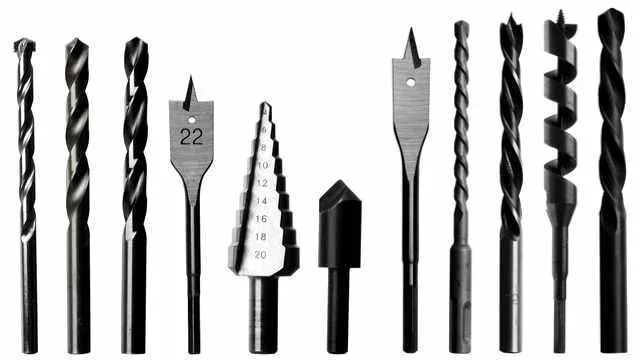
Credit: www.jackspaint.co.za
Conclusion
Masonry drill bits help you work with tough materials like brick and concrete. Their strong carbide tips make drilling easier and faster. Use them for tasks such as installing anchors or running pipes through walls. Choosing the right bit ensures clean, precise holes every time.
Keep your projects efficient by selecting the correct masonry drill bit. They are essential tools for many home and construction jobs. Remember, the right bit makes drilling safer and more effective.
Frequently Asked Questions
Use a masonry drill bit to drill into hard materials like brick, concrete, stone, or mortar. It works best with hammer drills for installing anchors, running pipes, or electrical conduits through masonry surfaces. The carbide tip resists wear and ensures precise, efficient drilling in tough materials.
Masonry drill bits have a carbide tip for drilling bricks, stone, and mortar. Concrete drill bits are often SDS-plus, designed for hammer drills to penetrate dense concrete efficiently.
Masonry drill bits have a carbide tip that resists wear on hard surfaces. Their spiral flutes clear debris efficiently. Designed for hammer drills, they penetrate brick, concrete, and stone easily, making them ideal for installing anchors and drilling utility holes in masonry materials.
Yes, you can use a masonry bit in a regular drill, but drilling hard materials will be slower and less effective.
Masonry bits drill into brick, concrete, stone, and mortar with ease.
Carbide tips resist wear and heat, making drilling into hard surfaces possible.
