
Last Updated: March 21, 2026
Are you curious about how to charge your electric vehicle faster and more efficiently? Understanding what a Level 2 charging station is could be the key to powering up your EV with ease.
Whether you’re considering installing one at home or want to know why these chargers are popping up everywhere, this guide will break down everything you need to know. Stick with me, and by the end, you’ll feel confident about choosing the right charger to keep your car ready to go when you are.
Credit: www.evconnect.com
Level 2 Charging Basics
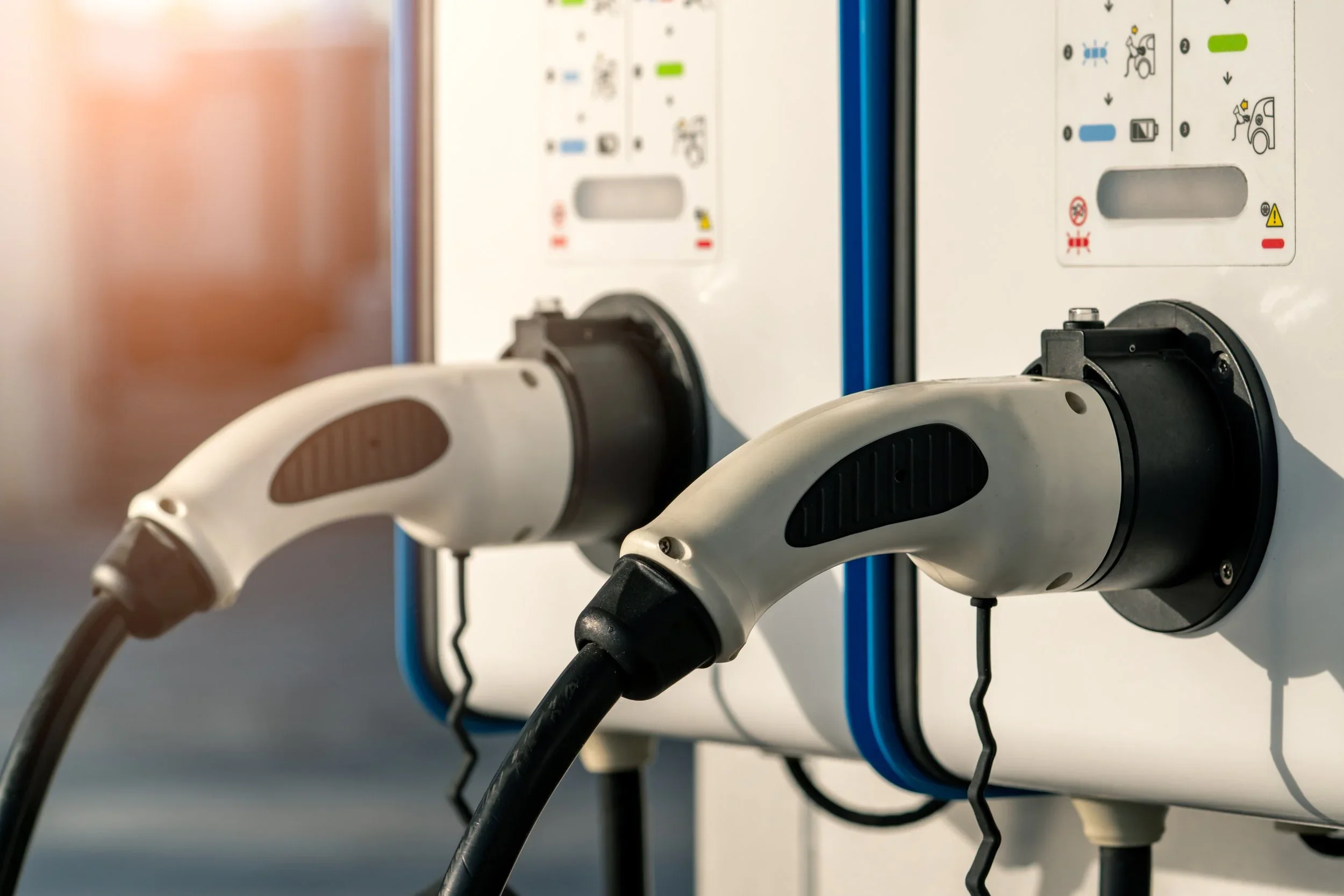
Level 2 charging stations offer a faster way to charge electric vehicles compared to standard outlets. They use a 240-volt power supply, similar to what large home appliances need. This allows electric cars to recharge much quicker.
These chargers are common in homes, workplaces, and public places. They balance convenience and charging speed, making them popular among EV owners. Understanding the basics helps you choose the right charging option.
What Is A Level 2 Charging Station?
A Level 2 charging station uses 240 volts of electricity. It delivers higher power than Level 1 chargers, which use 120 volts. This means your EV can gain more miles of range per hour of charging.
Most Level 2 chargers provide between 3.3 kW to 19.2 kW of power. This range suits many electric vehicles and charging needs. They connect to the car with a special charging cable and plug.
How Fast Does Level 2 Charging Work?
Level 2 chargers can add 10 to 60 miles of range in one hour. The exact speed depends on the car’s battery size and the charger’s power output. It is much faster than charging with a regular household outlet.
For example, a full charge may take 4 to 8 hours. This makes Level 2 chargers ideal for overnight or workday charging. They offer a good balance of speed and convenience.
Where Can You Find Level 2 Chargers?
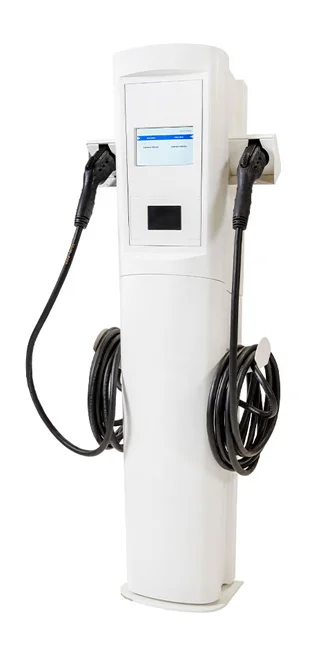
These chargers are found at many public locations like shopping centers and parking lots. They are also popular for home installation, giving EV owners easy access. Some workplaces provide Level 2 chargers for employees too.
Installing a Level 2 charger at home may require a professional electrician. It needs a dedicated 240-volt circuit. This setup ensures safe and efficient charging for your electric vehicle.
How Level 2 Stations Work
Level 2 charging stations provide a faster way to charge electric vehicles. They use a higher voltage than Level 1 chargers, allowing more power to reach the car’s battery. This means shorter charging times and more convenience for EV owners.
These stations are common in homes, workplaces, and public places. They connect to the vehicle through a special charging cable and plug. The charging process is smart and safe, managing power flow carefully.
Power Supply And Voltage
Level 2 chargers use a 240-volt power supply. This is similar to the voltage used by large home appliances. The higher voltage delivers more energy to the car compared to Level 1 chargers.
The power supply comes from the building’s electrical panel. The charger converts this electricity to a form the car can use. This process happens inside the charging station.
Charging Cable And Connector
The charging cable connects the station to the electric vehicle. It has a connector that fits the car’s charging port. Most Level 2 chargers use a connector called SAE J1772.
This connector is safe and easy to use. It locks in place during charging to avoid disconnection. The cable also has safety features to prevent electric shock.
Communication Between Car And Charger
The car and charger communicate during charging. This exchange ensures the right amount of power flows to the battery. The charger adjusts power based on the car’s needs and battery level.
Communication also helps detect any problems. It stops charging if there is a fault or unsafe condition. This protects both the vehicle and the charging station.
Level 2 chargers provide power at 3.3 to 19.2 kilowatts. This is much faster than Level 1 chargers. A typical Level 2 charger can add 20 to 60 miles of range per hour.
Charging time depends on the battery size and charger power. Most electric cars reach full charge in 3 to 8 hours with Level 2 stations. This speed fits well with daily routines.
Benefits Over Level 1 Chargers
Level 2 charging stations offer clear advantages over Level 1 chargers. These benefits make them a better choice for many electric vehicle owners. Faster charging, convenience, and efficiency stand out as key reasons to prefer Level 2 chargers.
Faster Charging Speed
Level 2 chargers deliver more power than Level 1. They use a 240-volt supply instead of 120 volts. This difference allows Level 2 chargers to add miles much quicker. A full charge that takes 8 to 12 hours with Level 1 can be done in 3 to 4 hours with Level 2.
Better For Daily Use
Level 2 charging stations suit daily driving needs well. They reduce wait times and keep your vehicle ready. This makes them ideal for people with busy schedules. You can charge your car overnight or during short breaks.
Supports More Vehicles
Level 2 chargers work with most electric vehicles. They provide enough power for larger batteries found in newer models. This flexibility means you can switch vehicles without changing your charger.
Energy Efficiency
Level 2 chargers are more energy-efficient than Level 1. They waste less electricity during charging. This saves money on your electric bill. Efficient charging also helps reduce environmental impact.
Credit: www.amazon.com
Installation Requirements
Installing a Level 2 charging station requires careful planning and preparation. This ensures the charger works efficiently and safely. Several key factors must be addressed before installation begins. Understanding these helps avoid costly mistakes and delays.
Proper electrical capacity and location are crucial for installation. The process may involve upgrades to your home’s electrical system. A licensed electrician often needs to perform the installation to meet safety codes.
Electrical Panel Capacity
Check your electrical panel to see if it can handle the extra load. Level 2 chargers use 240 volts and draw more power than standard outlets. Your panel may need an upgrade or a dedicated circuit for the charger.
Location And Mounting
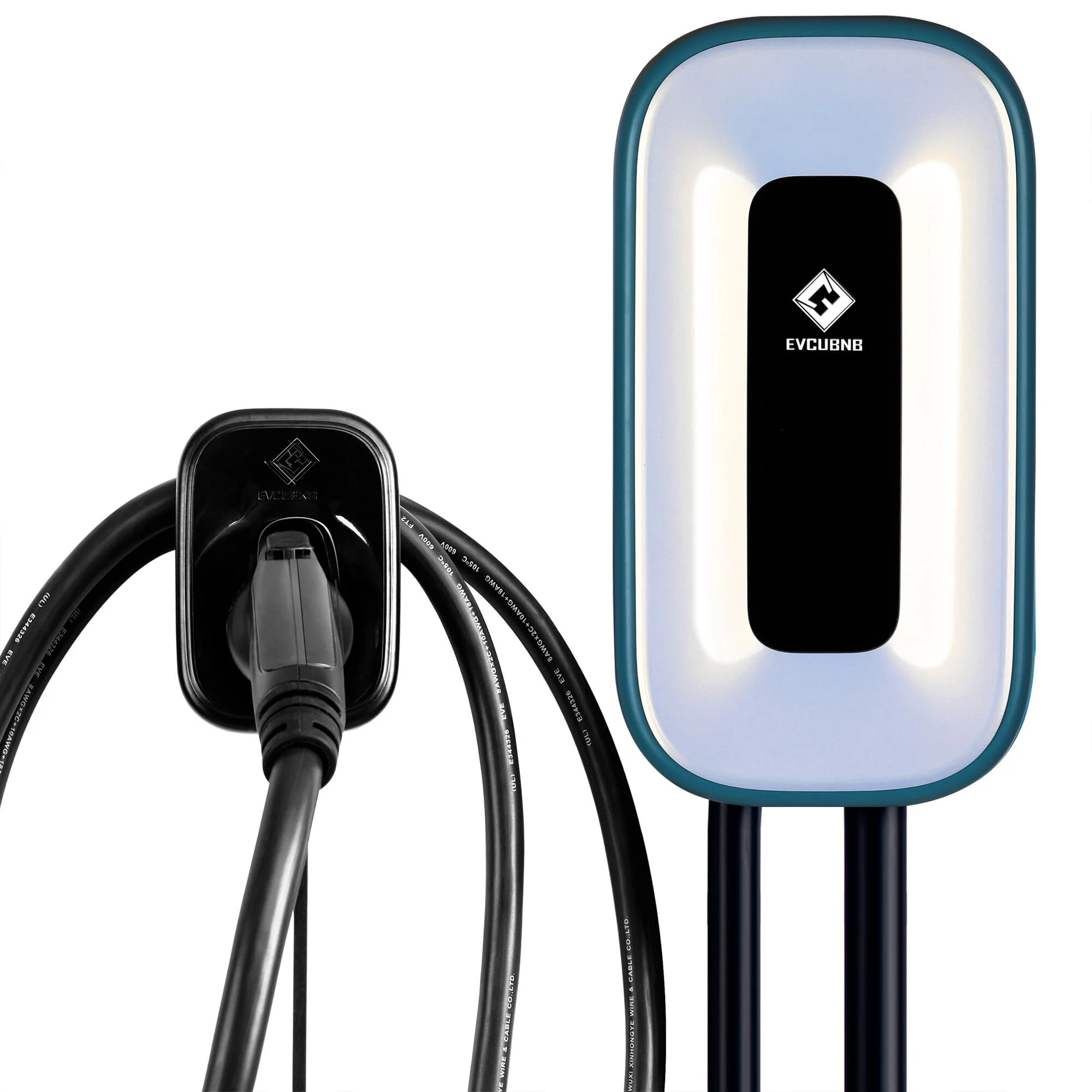
Choose a convenient spot near your parking area. The charger should be mounted on a wall or a sturdy post. Make sure the location protects the charger from weather and physical damage.
Permits And Inspections
Many areas require permits before installing a Level 2 charger. Local building codes and electrical regulations must be followed. Inspections ensure the installation meets safety standards.
Cable Length And Accessibility
The charging cable must reach your vehicle’s charging port easily. Avoid tight bends or stretched cables for safety. Position the charger so the cable does not create a tripping hazard.
Professional Installation
Hiring a certified electrician is important for safe installation. Professionals ensure all wiring and connections meet code requirements. They also handle necessary permits and inspections.
Charging Speed And Time
Charging speed and time are key factors in choosing an electric vehicle charger. Level 2 charging stations offer faster charging than Level 1 chargers. They are ideal for daily use at home or public places. Understanding how fast Level 2 chargers work helps drivers plan their charging schedule better.
Level 2 chargers use a 240-volt power supply. This higher voltage allows them to deliver more power to the vehicle. As a result, they reduce the time it takes to recharge an electric vehicle.
How Fast Does A Level 2 Charger Work?
Level 2 chargers can add 10 to 60 miles of range per hour. The exact speed depends on the car and the charger’s power output. Most Level 2 chargers deliver between 3.3 kW and 19.2 kW of power. This is much faster than the 1.4 kW typical of Level 1 chargers.
Typical Charging Time For Electric Vehicles
Charging time varies by battery size and charger power. Small electric cars may fully charge in 3 to 4 hours. Larger SUVs and trucks might take 6 to 8 hours. This makes Level 2 chargers convenient for overnight charging.
Factors Influencing Charging Speed
Several factors affect charging speed. The car’s onboard charger limits maximum power intake. The battery’s current state of charge also matters. Charging is fastest when the battery is nearly empty. As it fills, charging slows to protect battery health.
Credit: btcpower.com
Cost Factors To Consider
Understanding the cost factors for a Level 2 charging station helps plan your budget wisely. Several elements affect the total expense. Some costs are fixed, while others depend on your home’s setup and preferences.
Knowing these costs helps avoid surprises and choose the best option for your needs. Here are key cost factors to consider.
Equipment Price
The price of the charging station itself varies. Basic models start around $300. More advanced units with smart features can cost over $700. Choose based on your budget and desired features.
Installation Fees
Installation costs depend on your home’s electrical system. Simple setups may cost $200 to $500. Complex installations, like adding a new circuit, raise the price. Hiring a licensed electrician is important for safety and code compliance.
Electrical Upgrades
Older homes might need electrical panel upgrades. This upgrade can cost $1,000 or more. The upgrade ensures your home handles the extra power demand safely. Check your panel capacity before buying a charger.
Permits And Inspections
Local rules may require permits for installation. Permit fees vary by location and can add $50 to $200. Inspections may be needed to verify safety. Factor these costs into your budget to avoid delays.
Additional Accessories
You might want extra accessories like longer cables or mounting options. These add to the total cost. Choose accessories that fit your charging habits and parking area.
Top Brands And Models
Choosing the right Level 2 charging station matters for fast and safe electric vehicle charging. Several brands lead the market with trusted models. These chargers vary in features, design, and price. Understanding top brands helps buyers make smart decisions.
Chargepoint
ChargePoint is one of the most popular Level 2 charger brands. Their stations offer easy app control and smart charging options. Many models support Wi-Fi and mobile alerts. ChargePoint chargers fit home and commercial use. They provide reliable performance and good customer support.
Juicebox By Enel X
JuiceBox chargers are known for durability and fast charging speeds. These chargers come with an intuitive app for monitoring and scheduling charges. They support both outdoor and indoor installations. JuiceBox is praised for energy efficiency and compact design.
Siemens Versicharge
Siemens VersiCharge offers simple, robust Level 2 chargers. These models focus on safety and ease of use. They include features like delay timers to reduce electricity costs. Siemens chargers are compatible with most electric vehicles. Their build quality suits residential and commercial setups.
Clippercreek
ClipperCreek chargers are highly durable and easy to install. Their Level 2 stations come with long cables and weatherproof housing. ClipperCreek focuses on reliability over extra features. These chargers provide steady power and require minimal maintenance.
Blink Charging
Blink offers Level 2 chargers with flexible installation options. Their stations support Wi-Fi connectivity and user authentication. Blink chargers are designed for both home users and businesses. They balance affordability with useful smart features.
Tips For Ev Owners
Owning an electric vehicle means understanding the best ways to charge it. Level 2 charging stations offer faster charging than standard outlets. Knowing how to use them well can save time and extend your battery life.
Choose The Right Charger For Your Vehicle
Not all Level 2 chargers are the same. Check your EV’s charging capacity before buying. Match the charger’s power output with your car’s limits. This prevents slow charging or wasted energy.
Install The Charging Station Safely
Hire a licensed electrician for installation. Proper setup avoids electrical hazards and ensures reliable charging. Place the charger in a dry, shaded area to protect it from weather.
Schedule Charging During Off-peak Hours
Electric rates are often lower at night. Charge your EV when electricity costs less. This habit lowers your energy bills and helps the power grid.
Monitor Charging Progress Regularly
Use your charger’s app or display to track charging. Stop charging once the battery is full. Avoid overcharging to keep the battery healthy.
Keep Your Charging Equipment Clean
Wipe the charger and connector regularly. Dirt and debris can reduce charging efficiency. Clean equipment lasts longer and works better.
Frequently Asked Questions
What Is A Level 3 Charger?
A Level 3 charger, also called a DC fast charger, delivers rapid electric vehicle charging using direct current. It charges batteries much faster than Level 1 or Level 2 chargers. Level 3 chargers typically provide 50 kW or more power, enabling an 80% charge in about 30 minutes.
What’s The Difference Between Level 1 And Level 2 Ev Chargers?
Level 1 EV chargers use a standard 120V outlet, providing slow charging. Level 2 chargers use 240V, offering faster, more efficient charging.
Is A Tesla Charger Level 2 Or 3?
Tesla chargers are typically Level 2 for home use and Level 3 (Superchargers) for fast public charging.
How Do I Know If I Have A Level 2 Charger?
A Level 2 charger uses 240 volts and typically charges an EV in 4-8 hours. Check the charger label or specs for “240V” or “Level 2. “
What Is A Level 2 Charging Station?
A Level 2 charging station uses a 240-volt power source to charge electric vehicles faster than Level 1 chargers.
Conclusion
A Level 2 charging station offers faster charging than Level 1 options. It uses a 240-volt power supply to recharge electric vehicles quickly. Many homes and public places now support these chargers. They help reduce wait times and keep your car ready to go.
Choosing the right Level 2 charger depends on your needs and budget. Installing one can make daily driving more convenient and efficient. Overall, Level 2 stations play an important role in electric vehicle use today.
{ “@context”: “https://schema.org”, “@type”: “Article”, “headline”: “What is a Level 2 Charging Station: Ultimate Guide for EV Owners”, “description”: “A Level 2 charging station is an electric vehicle charger that provides faster charging using a 240-volt power source for home or public use.”, “url”: “https://www.powertoolstoday.com/what-is-a-level-2-charging-station/”, “datePublished”: “2026-01-22”, “dateModified”: “2026-03-18”, “author”: { “@type”: “Organization”, “name”: “Power Tools Today”, “url”: “https://www.powertoolstoday.com” }, “publisher”: { “@type”: “Organization”, “name”: “Power Tools Today”, “url”: “https://www.powertoolstoday.com” }, “mainEntityOfPage”: { “@type”: “WebPage”, “@id”: “https://www.powertoolstoday.com/what-is-a-level-2-charging-station/” }, “image”: { “@type”: “ImageObject”, “url”: “https://www.powertoolstoday.com/wp-content/uploads/2025/11/what-is-a-level-2-charging-station.jpg” } }{ “@context”: “https://schema.org”, “@type”: “Article”, “headline”: “What is a Level 2 Charging Station: Ultimate Guide for EV Owners”, “description”: “A Level 2 charging station is an electric vehicle charger that provides faster charging using a 240-volt power source for home or public use.”, “url”: “https://www.powertoolstoday.com/what-is-a-level-2-charging-station/”, “datePublished”: “2026-01-22”, “dateModified”: “2026-03-19”, “author”: { “@type”: “Organization”, “name”: “Power Tools Today”, “url”: “https://www.powertoolstoday.com” }, “publisher”: { “@type”: “Organization”, “name”: “Power Tools Today”, “url”: “https://www.powertoolstoday.com” }, “mainEntityOfPage”: { “@type”: “WebPage”, “@id”: “https://www.powertoolstoday.com/what-is-a-level-2-charging-station/” }, “image”: { “@type”: “ImageObject”, “url”: “https://www.powertoolstoday.com/wp-content/uploads/2025/11/what-is-a-level-2-charging-station.jpg” } }nn