
Last Updated: March 21, 2026
If you’ve ever wondered how craftsmen create those smooth, flawless metal joints you see on airplanes, custom bikes, or shiny kitchen appliances, then understanding what a TIG welder is will open a whole new world for you. A TIG welder isn’t just any welding tool—it’s the key to precision, strength, and clean finishes on metals like aluminum, stainless steel, and titanium.
Whether you’re a hobbyist eager to try your hand at metal art or a professional looking to master high-quality welds, knowing what a TIG welder does and how it works can transform your projects. Ready to discover why TIG welding is the go-to method for industries demanding perfection?
Keep reading, because everything you need to know is right here.
Tig Welding Basics
TIG welding, or Tungsten Inert Gas welding, is a precise welding method. It uses a non-consumable tungsten electrode to produce the weld. An inert gas, usually argon, shields the weld area from contamination.
This method creates clean, strong welds with excellent control over heat. It works well on many metals like aluminum, stainless steel, and copper. TIG welding is common in industries needing high-quality and detailed work.
How Tig Welding Works
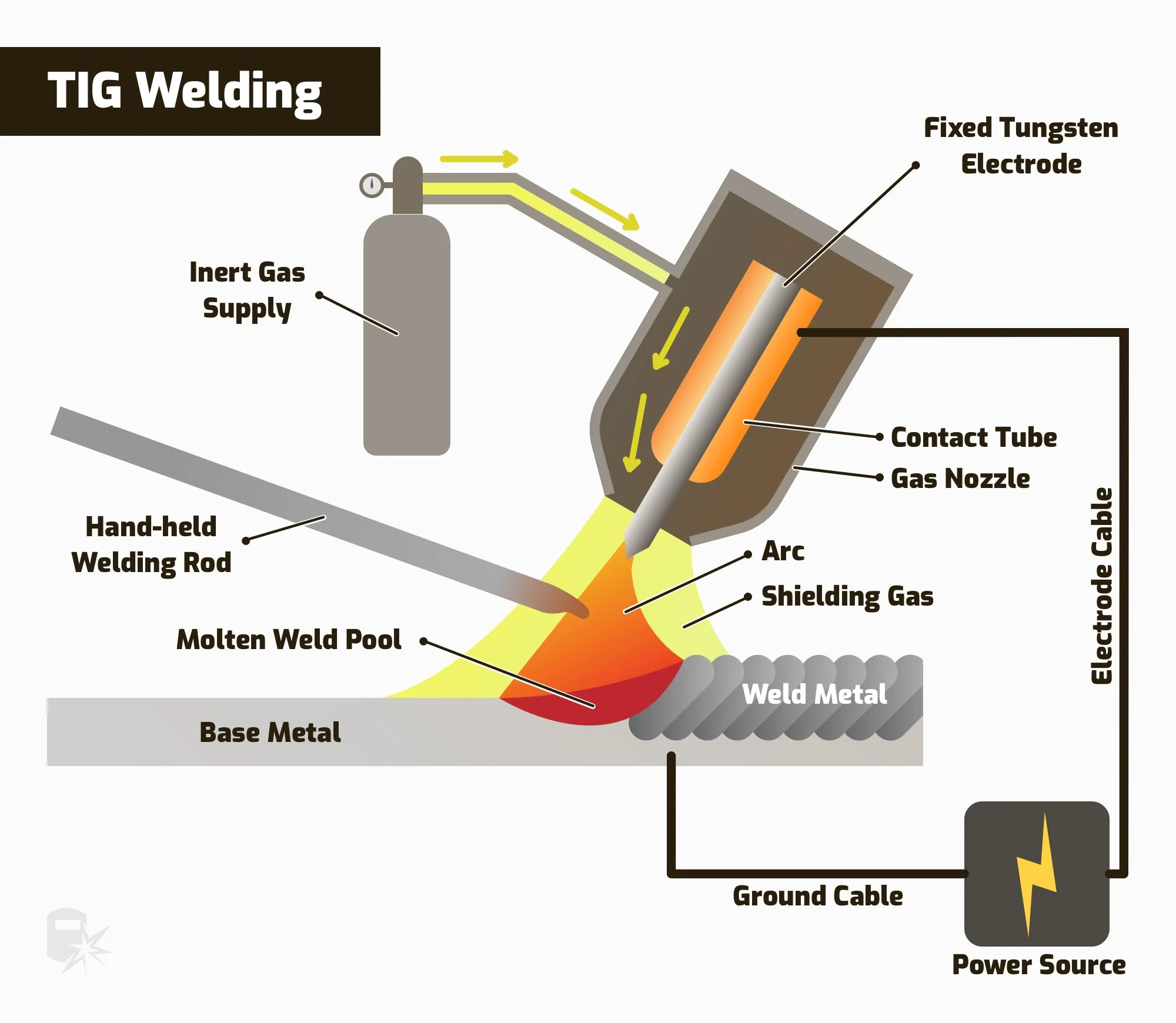
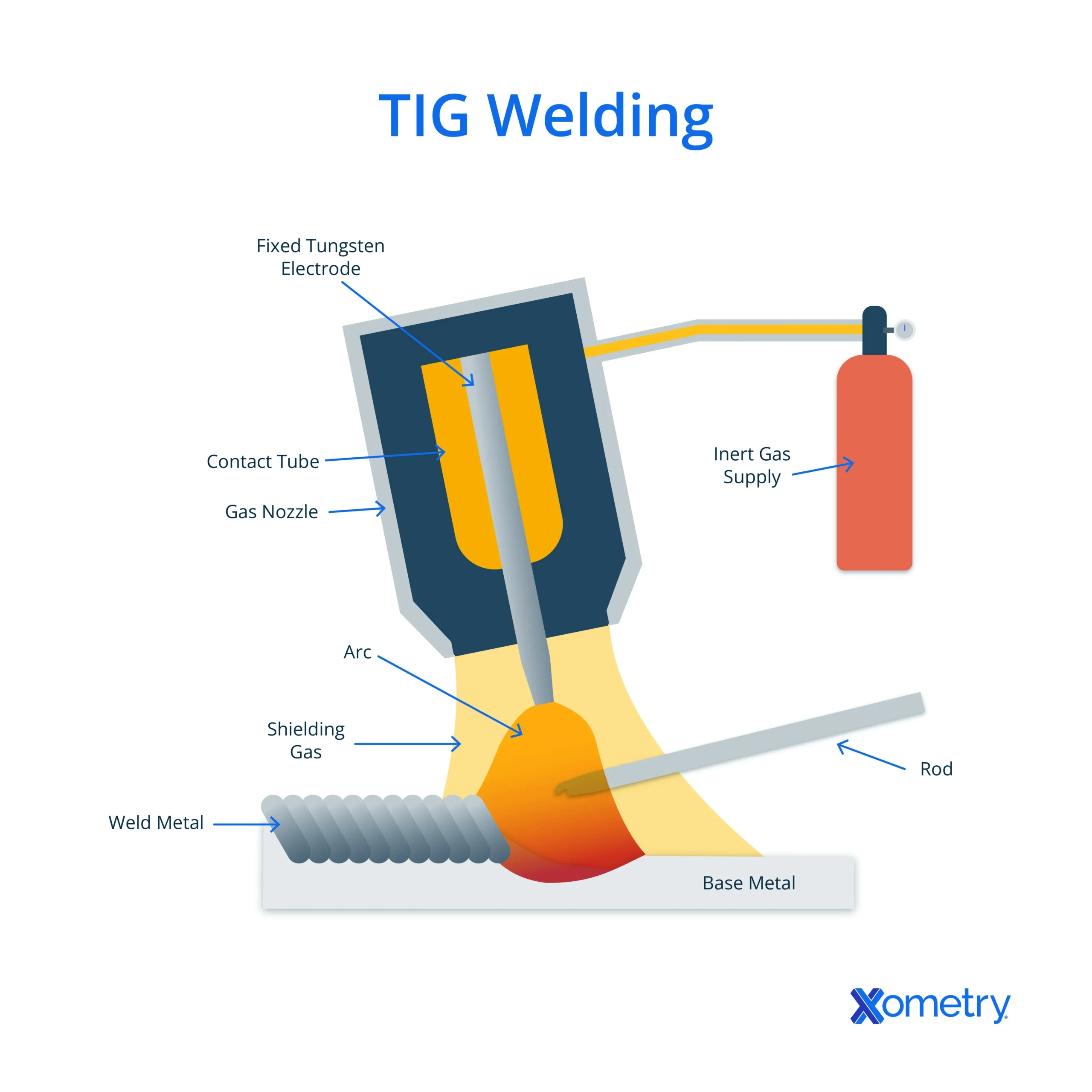
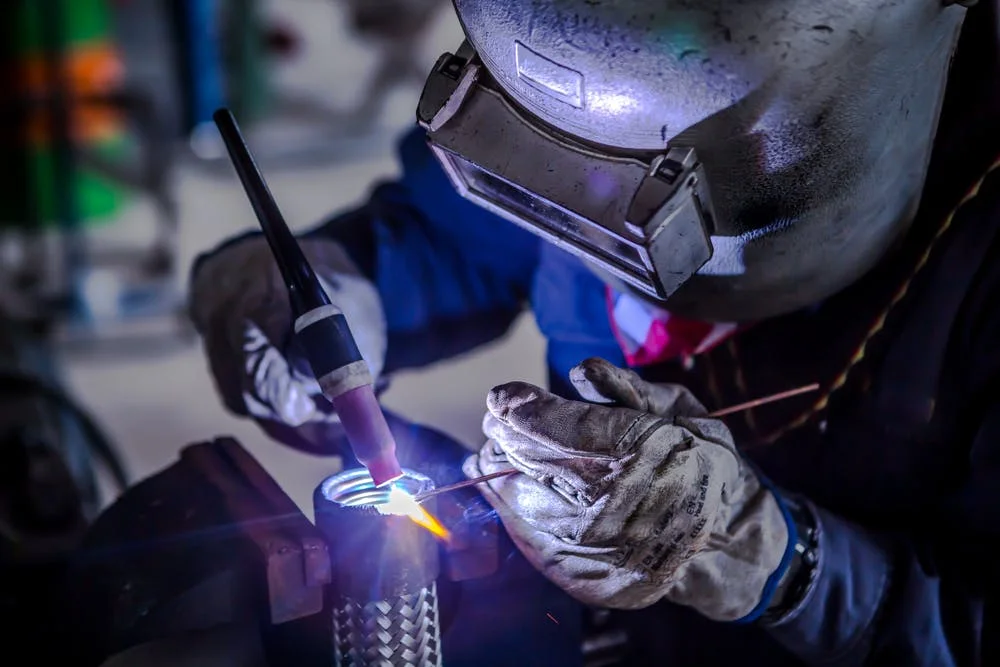
The welder uses a torch with a tungsten electrode to start the arc. The heat melts the metal pieces, fusing them together. A filler rod may be added to fill gaps in the joint.
Argon gas flows around the weld area to protect it from oxygen and moisture. This prevents oxidation and keeps the weld clean and strong.
A TIG welder includes a power source, a torch, and a gas supply. The power source controls the electric current. The torch holds the tungsten electrode and directs the arc.
The gas supply feeds inert gas to shield the weld zone. Some TIG welders have a foot pedal to control the heat precisely. This helps to avoid overheating or burning the metal.
Benefits Of Tig Welding
TIG welding produces smooth, high-quality welds with no spatter. It allows precise control over heat and weld speed. This makes it ideal for thin or delicate metals.
The welds are strong, clean, and visually appealing. TIG welding suits a wide range of metals and complex shapes. It is often used in automotive, aerospace, and artistic projects.
Credit: weldguru.com
Key Components Of A Tig Welder
The key components of a TIG welder work together to create precise and clean welds. Understanding these parts helps in using the machine safely and effectively.
Each component has a specific role. Some control the power, while others guide the welding process. Knowing these parts also helps in troubleshooting and maintenance.
Tungsten Electrode
The tungsten electrode is the heart of a TIG welder. It produces the arc that melts the metal. Tungsten is used because it can handle very high temperatures without melting.
Power Supply
The power supply provides the electric current needed for welding. It controls the voltage and amperage. This control allows the welder to adjust heat for different metals and thicknesses.
Shielding Gas Supply
The shielding gas protects the weld area from contamination. Common gases include argon and helium. This gas keeps oxygen and other impurities away from the hot metal.
Welding Torch
The welding torch holds the tungsten electrode. It directs the arc and gas to the weld zone. The torch is designed to be easy to handle for precise control.
Filler Rod
The filler rod adds extra metal to the weld joint. It melts into the weld pool to strengthen the bond. The rod is fed by hand during the welding process.
Foot Pedal Or Hand Control
The foot pedal or hand control adjusts the welding current while working. It allows smooth changes in heat. This control is important for making clean welds on thin or delicate metals.
Metals Compatible With Tig Welding
TIG welding works well with many different metals. It uses a tungsten electrode and inert gas to create clean, precise welds. This method suits metals that need careful control of heat and high-quality joins. The metals compatible with TIG welding include common and specialty types. Each metal has unique properties that TIG welding can handle effectively.
Aluminum
Aluminum is a light metal often used in aircraft and automotive parts. TIG welding can join aluminum without warping or weakening it. It works best with clean surfaces and steady heat control. This prevents oxidation and ensures a strong, smooth weld.
Stainless Steel
Stainless steel is popular for its strength and resistance to corrosion. TIG welding produces neat and durable joints on stainless steel. It avoids contamination and maintains the metal’s clean finish. This makes it ideal for food industry and medical tools.
Titanium
Titanium is lightweight and very strong. TIG welding is the preferred method for titanium because it controls heat well. It also prevents contamination that can weaken the metal. This metal is often used in aerospace and medical implants.
Copper And Copper Alloys
Copper has excellent electrical and thermal conductivity. TIG welding joins copper and its alloys with precision. The method helps avoid cracks and distortion by controlling the heat input. Copper pipes and electrical components benefit from TIG welding.
Credit: www.xometry.com
Industries Relying On Tig Welders
TIG welders play a vital role in many industries. Their ability to create precise and strong welds makes them a preferred choice. These welders handle a variety of metals, such as aluminum, stainless steel, and titanium. The industries that use TIG welding value both strength and appearance in their products.
TIG welding is especially useful when working with thin materials. Its clean and controlled heat reduces the risk of damage. Many sectors rely on TIG welders to meet strict quality and safety standards.
Automotive Industry
The automotive sector uses TIG welding to build lightweight and durable parts. Aluminum and stainless steel components need strong, clean welds. TIG welding helps improve vehicle performance and fuel efficiency. Custom car makers and repair shops also depend on this method for detailed work.
Aerospace Industry
Aerospace manufacturers require precise welding for aircraft parts. TIG welders join metals like titanium and aluminum with high accuracy. This process ensures safety and reliability in flight. The aerospace field demands welds that can withstand extreme conditions.
Art And Sculpture
Artists and sculptors choose TIG welding for its neat finish. This technique avoids weld spatter and rough edges. It allows creative freedom while maintaining strength. The clean welds help produce beautiful, lasting metal artworks.
Industrial Piping
Industrial piping systems rely on TIG welders for tight, leak-proof joints. Food and beverage plants use stainless steel pipes that need clean welds. High-pressure pipelines benefit from TIG’s durability and precision. The method supports safety and efficiency in these settings.
Advantages Over Other Welding Methods
TIG welding offers unique benefits that set it apart from other welding methods. It provides excellent control and precision. This makes it ideal for detailed and delicate projects.
The clean welds produced by TIG welding reduce the need for extra finishing. It works well on thin metals without burning through. TIG welding also supports a wide range of materials.
Superior Precision And Control
TIG welders allow welders to control heat and filler material precisely. This leads to cleaner and stronger welds. The ability to adjust the torch and filler separately helps avoid mistakes.
Cleaner And Neater Welds
TIG welding creates very little spatter or smoke. The inert gas shields the weld, preventing contamination. This results in smooth, shiny welds that need less polishing.
Versatility On Different Metals
TIG welders work well with aluminum, stainless steel, copper, and titanium. It handles both thin and thick metals with ease. This versatility makes it suitable for many industries.
Better For Thin Materials
TIG welding is perfect for thin metals that other methods may damage. The precise heat control prevents warping and burn-through. This makes it the preferred choice for delicate tasks.
Stronger And More Durable Joints
The welds made by TIG are often stronger than those made by other methods. The deep weld penetration creates solid joints. This adds to the durability and safety of the final product.
Credit: www.xometry.com
Applications In Precision Projects
TIG welding is known for its accuracy and control. It works well in projects that need delicate and exact metal joining. This welding method uses a non-consumable tungsten electrode to create strong, clean welds. Its precision makes it perfect for detailed work on thin or sensitive materials.
Many industries rely on TIG welding for tasks where quality cannot be compromised. The ability to control heat and avoid warping helps maintain the integrity of the metal. This makes TIG welding a top choice for precision projects.
Aircraft And Aerospace Manufacturing
TIG welders join lightweight metals like aluminum and titanium. These metals are common in aircraft parts. The welding must be strong but also precise to ensure safety. TIG welding creates smooth, reliable seams that meet strict aerospace standards.
Automotive And Motorcycle Parts
In automotive work, TIG welding builds custom frames and body panels. It allows for clean finishes without extra grinding. Motorcycle enthusiasts use TIG welding to shape and connect parts with fine detail. The welds are both sturdy and visually appealing.
Artistic Metalwork And Sculpture
Artists choose TIG welding for its neat, spatter-free results. It helps in making metal sculptures and decorative pieces. The precision ensures that the final product looks polished and professional. Welders can focus on design without worrying about rough edges.
Food And Beverage Industry Applications
TIG welding is ideal for stainless steel pipes and tanks in food processing. It produces clean welds that resist corrosion and contamination. This welding keeps the metal surfaces smooth, making cleaning easier. Safety and hygiene are top priorities in this field.
Thin Material Fabrication
TIG welders handle very thin metals without causing damage. The heat control limits warping and burn-through. This is important for making delicate parts in electronics and medical devices. The precise welds keep the parts functional and durable.
Techniques For Effective Tig Welding
TIG welding requires skill and careful control of the welding process. The right techniques improve weld quality and appearance. Small adjustments can make a big difference.
Focus on steady hand movement and proper torch angle. These help control the heat and the weld pool. Consistent practice builds confidence and precision in welding.
Maintaining The Correct Torch Angle
Hold the torch at about a 15-degree angle from vertical. This angle directs the gas to shield the weld area properly. It also helps keep the weld pool clean and stable.
A wrong angle can cause poor gas coverage and weak welds. Keep the torch steady and avoid sudden movements.
Controlling Heat Input
Adjust the amperage to match the metal thickness. Too much heat can burn through thin materials. Too little heat causes weak welds with poor fusion.
Use a foot pedal or hand control to vary heat during welding. This control allows you to add filler metal smoothly and avoid overheating.
Feeding The Filler Rod Properly
Feed the filler rod into the leading edge of the weld pool. Avoid dipping the rod directly into the arc. This prevents contamination and produces a clean weld bead.
Keep a steady rhythm in adding filler metal. This helps maintain a uniform weld and strong joint.
Using The Right Shielding Gas
Use pure argon gas for most TIG welding jobs. Argon protects the weld from oxygen and nitrogen in the air. This protection prevents oxidation and weak welds.
Ensure the gas flow rate is correct. Too much gas causes turbulence, while too little allows contamination.
Cleaning The Metal Surface
Clean the metal before welding to remove dirt, oil, and rust. Use a wire brush or grinder for best results. Clean surfaces produce stronger, more attractive welds.
Contaminants cause porosity and weaken the weld. Always inspect the workpiece before starting.
Maintenance And Safety Tips
Maintaining a TIG welder ensures it works efficiently and lasts longer. Safety is key to prevent accidents and injuries. Regular care and attention keep your equipment reliable and protect you while welding.
Regular Cleaning And Inspection
Clean the TIG welder after each use. Remove dust and metal particles from vents and surfaces. Check cables and connectors for wear or damage. Replace frayed or cracked cables immediately. Inspect the tungsten electrode for contamination or wear. A clean, sharp electrode improves weld quality.
Proper Storage
Store the welder in a dry, cool place. Avoid areas with high humidity or dust. Protect the machine from moisture to prevent rust and electrical faults. Coil cables neatly to avoid kinks or damage. Use protective covers if available.
Using Correct Safety Gear
Always wear a welding helmet with the right shade lens. Use flame-resistant gloves and clothing to protect your skin. Wear safety glasses under the helmet for extra eye protection. Use ear protection in noisy environments. Keep a fire extinguisher nearby in case of sparks.
Ventilation And Workspace Safety
Work in a well-ventilated area to avoid inhaling harmful fumes. Use local exhaust systems or fans to improve airflow. Keep the workspace clean and free of flammable materials. Ensure good lighting to see your work clearly. Keep a first aid kit close for emergencies.
Frequently Asked Questions
What Are Tig Welders Used For?
TIG welders create precise, high-quality welds on metals like aluminum, stainless steel, and titanium. They suit aerospace, automotive, pipework, and artistic projects, especially for thin materials requiring clean, strong, and visually appealing joints.
What Is The Difference Between A Mig And A Tig Welder?
MIG welders use a wire electrode and gas for fast, easy welding on thicker metals. TIG welders use a tungsten electrode for precise, clean welds on thin or delicate metals.
Do Tig Welders Need Gas?
TIG welders require an inert gas, usually argon, to shield the weld area from contamination. This gas protects the weld and tungsten electrode. Without gas, TIG welding cannot produce clean, strong joints.
What’s The Difference Between A Tig Welder And An Arc Welder?
A TIG welder uses a tungsten electrode and inert gas for precise, clean welds on thin metals. An arc welder uses a consumable electrode to create welds with more spatter, suitable for thicker materials and general construction tasks.
What Is A Tig Welder Used For?
TIG welders join metals like aluminum and steel with clean, strong, and precise welds.
Conclusion
TIG welding offers precise and clean welds on many metals. It suits projects needing strong, neat joints. This process works well on thin materials and alloys. Many industries rely on TIG welders for quality results. Understanding what a TIG welder does helps choose the right tool.
Its accuracy makes it valuable for detailed, delicate work. Overall, TIG welding combines control, strength, and neatness in one method.
{ “@context”: “https://schema.org”, “@type”: “Article”, “headline”: “What is a Tig Welder: Ultimate Guide to Precision Welding”, “description”: “What is a Tig welder? It is a welding tool that uses a non-consumable tungsten electrode to create precise, high-quality welds on various metals.”, “url”: “https://www.powertoolstoday.com/what-is-a-tig-welder/”, “datePublished”: “2025-12-05”, “dateModified”: “2026-03-18”, “author”: { “@type”: “Organization”, “name”: “Power Tools Today”, “url”: “https://www.powertoolstoday.com” }, “publisher”: { “@type”: “Organization”, “name”: “Power Tools Today”, “url”: “https://www.powertoolstoday.com” }, “mainEntityOfPage”: { “@type”: “WebPage”, “@id”: “https://www.powertoolstoday.com/what-is-a-tig-welder/” }, “image”: { “@type”: “ImageObject”, “url”: “https://www.powertoolstoday.com/wp-content/uploads/2025/11/what-is-a-tig-welder.jpg” } }{ “@context”: “https://schema.org”, “@type”: “Article”, “headline”: “What is a Tig Welder: Ultimate Guide to Precision Welding”, “description”: “What is a Tig welder? It is a welding tool that uses a non-consumable tungsten electrode to create precise, high-quality welds on various metals.”, “url”: “https://www.powertoolstoday.com/what-is-a-tig-welder/”, “datePublished”: “2025-12-05”, “dateModified”: “2026-03-19”, “author”: { “@type”: “Organization”, “name”: “Power Tools Today”, “url”: “https://www.powertoolstoday.com” }, “publisher”: { “@type”: “Organization”, “name”: “Power Tools Today”, “url”: “https://www.powertoolstoday.com” }, “mainEntityOfPage”: { “@type”: “WebPage”, “@id”: “https://www.powertoolstoday.com/what-is-a-tig-welder/” }, “image”: { “@type”: “ImageObject”, “url”: “https://www.powertoolstoday.com/wp-content/uploads/2025/11/what-is-a-tig-welder.jpg” } }nn