
Last Updated: March 20, 2026
Have you ever wondered what makes an angle grinder such a must-have tool in your workshop or toolbox? Whether you’re tackling a home improvement project or working on metal fabrication, this powerful device can make your tasks easier and faster.
But what exactly is an angle grinder used for, and how can it help you get the job done? You’ll discover the many practical uses of an angle grinder—from cutting through tough materials like metal and concrete to grinding, polishing, and even rust removal.
Keep reading to unlock the full potential of this versatile tool and learn how it can transform your DIY projects and repairs.
Credit: fantastichandyman.com.au
Angle Grinder Basics
An angle grinder is a powerful handheld tool. It spins a disc at high speed to work on many materials. This tool is common in workshops and construction sites. It helps cut, grind, and polish with ease.
Understanding the basics of an angle grinder helps use it safely and effectively. Knowing its parts and functions is key. Each part has a role to make the tool work well.
What Is An Angle Grinder?
An angle grinder is a small power tool. It has a motor that turns a rotating disc. The disc can be changed depending on the job. It cuts, grinds, or polishes surfaces like metal and stone.
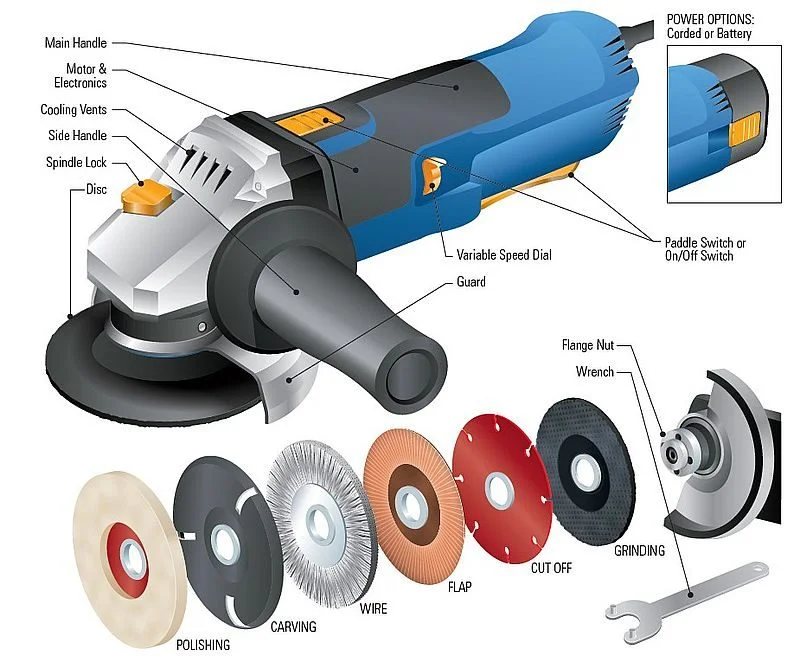
Main Parts Of An Angle Grinder
The tool has a handle for a firm grip. A guard covers the disc to protect the user. The motor powers the disc to spin fast. A switch turns the tool on and off. Some models have adjustable speed settings.
How Does An Angle Grinder Work?
The motor spins the disc at thousands of revolutions per minute. This fast spinning allows cutting or grinding of hard materials. Different discs serve different purposes. Attach the correct disc for the task to get good results.
Cutting Metal And Concrete
An angle grinder is a powerful tool for cutting metal and concrete. It spins a disc at high speed to slice through tough materials. This tool is common on construction sites and in workshops. Its versatility makes it ideal for many cutting jobs.
Cutting Metal With An Angle Grinder
Angle grinders cut metal such as pipes, bars, and sheets. They use special cutting discs made for metal. These discs are thin and sharp to make clean cuts. The tool works fast, saving time on metal projects.
Metal cutting with an angle grinder helps in plumbing, metal fabrication, and repairs. It can cut through steel, aluminum, and other metals. This tool also trims bolts and screws easily.
Cutting Concrete Using An Angle Grinder
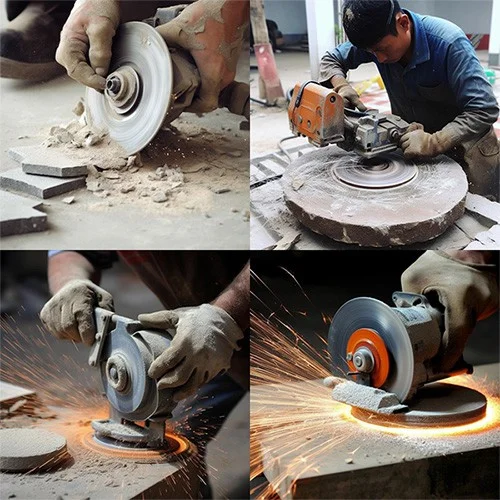
Concrete cutting requires a different disc type. A segmented diamond blade is best for concrete. This blade can slice through bricks, pavers, and concrete slabs.
Angle grinders help cut openings in walls or floors. They are useful for making grooves or trimming edges. This tool is handy for small concrete jobs where large saws are too big.
Grinding And Shaping Metal
Grinding and shaping metal are key tasks in many metalworking projects. An angle grinder makes these tasks easier and faster. It uses a spinning abrasive disc to wear down, smooth, or shape metal surfaces.
Metal parts often need shaping to fit or work properly. The angle grinder removes small amounts of metal to get the right shape. It can smooth rough edges or remove excess metal.
This tool is also great for grinding down welds. After welding, rough spots or bumps appear. The angle grinder smooths these areas, giving a clean finish. It helps create strong, neat joints in metalwork.
Shaping Metal For Fit
Metal pieces must fit together in many projects. Angle grinders shape edges and corners quickly. They help make tight fits by removing metal precisely. This is useful in construction and repair work.
Grinding Down Welds
Welds can be rough and uneven. Grinding smooths these joints for a better look and strength. The angle grinder removes bumps and sharp edges from welds. This step is important for safety and appearance.
Removing Excess Metal
Sometimes metal parts have extra material that needs removal. The angle grinder cuts away unwanted sections fast. It shapes metal to the desired size and form. This makes metalwork clean and accurate.
Flattening Joints And Surfaces
Flat surfaces and joints are often needed in metal projects. Angle grinders grind down high spots to make surfaces even. This helps parts fit tightly and work well together. Smooth joints improve metal structure quality.
Rust And Paint Removal
Removing rust and old paint is a common task for many DIYers and professionals. An angle grinder helps clean metal surfaces quickly and effectively. It prepares the surface for new paint or coatings. This process restores the metal’s appearance and prevents further damage.
Using Wire Wheel Attachments
Wire wheel attachments fit onto the angle grinder. They spin fast and scrape off rust and paint. This method is fast and covers large areas. It works well on flat or curved metal surfaces. The wire wheel removes loose paint and rust without damaging the metal underneath.
Select a disc made for rust and paint removal. Some discs have abrasive surfaces or metal bristles. Using the correct disc makes the job easier and safer. Avoid discs meant for cutting or grinding, as they may damage the surface or wear out quickly.
Preparing Surfaces For Painting
After removing rust and paint, the surface must be smooth. Use the angle grinder with a sanding disc to even out rough spots. A clean, smooth surface helps paint stick better. This step improves the durability of new paint and protects metal from rust.
Polishing And Surface Prep
Polishing and surface preparation are important tasks in many projects. An angle grinder helps make surfaces smooth and ready for painting or finishing. It can remove rough spots, rust, and old paint quickly. This improves the look and quality of the final work.
Polishing Metal Surfaces
Angle grinders use special polishing pads or discs. These attachments spin fast to shine metal surfaces. They remove scratches and marks left from cutting or grinding. Polishing makes metal look clean and smooth. It also protects the metal from rust and damage.
Preparing Surfaces For Painting
Before painting, surfaces need to be clean and smooth. Angle grinders remove old paint, rust, and dirt. They create a rough texture that helps new paint stick better. This step is key for long-lasting paint jobs on metal, wood, or concrete.
Removing Rust And Old Coatings
Rust weakens metal and can cause damage over time. Wire brush wheels or sanding discs on an angle grinder remove rust and old coatings fast. This clears the surface for repairs or repainting. It also helps prevent future rust by cleaning thoroughly.
Sanding Wood And Other Materials
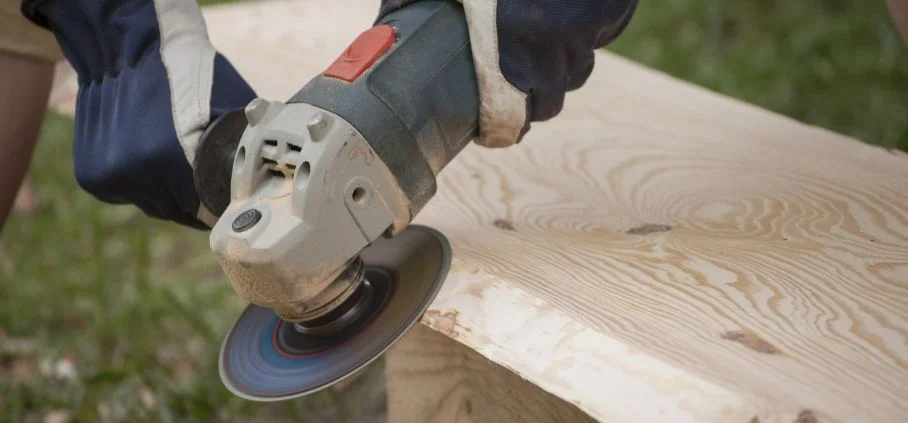
Angle grinders can also sand wood and other materials. Using sanding discs, they smooth rough edges and surfaces. This makes wood ready for staining or painting. Proper sanding improves the final look and feel of wood projects.
Choosing The Right Disc
Choosing the right disc for an angle grinder is key to getting the job done well. Each disc type suits a specific material and task. Using the wrong disc can damage the tool, the workpiece, or cause injury. This guide helps you pick the best disc for your project.
Cutting Discs
Cutting discs are thin and designed to slice through materials. They work well on metal, tile, and concrete. Thin discs make clean cuts with less effort. Avoid using cutting discs for grinding or polishing tasks.
Grinding Discs
Grinding discs are thicker and tougher. They remove excess material and smooth rough edges. Use grinding discs for shaping metal or removing rust. These discs are not meant for cutting through materials.
Diamond Blades
Diamond blades are ideal for hard materials like concrete and stone. They last longer and cut faster than standard discs. Diamond blades are a good choice for heavy-duty jobs on tough surfaces.
Wire Brush Wheels
Wire brush wheels clean surfaces by removing rust and paint. They are gentle enough to prepare metal for painting. Use these discs carefully to avoid scratching or damaging the surface.
Sanding Discs
Sanding discs smooth surfaces and remove small imperfections. Choose the right grit for the job, from coarse to fine. Sanding discs work well on wood, metal, and plastic.
Safety Tips For Use
Using an angle grinder can be risky without proper safety measures. This tool spins discs at very high speeds. It can cause serious injuries if handled carelessly. Follow these safety tips to protect yourself and work efficiently.
Wear Proper Protective Gear
Always wear safety goggles to protect your eyes from sparks and debris. Use ear protection to reduce noise exposure. Wear gloves to protect your hands from sharp edges and hot surfaces. Choose a dust mask to avoid inhaling dust and particles.
Check The Tool Before Use
Inspect the angle grinder for damage before each use. Make sure the disc is suitable for the task. Tighten the disc securely to prevent it from flying off. Check the power cord and plug for any wear or damage.
Use Both Hands For Control
Hold the angle grinder firmly with both hands. This improves control and reduces the chance of accidents. Keep a steady grip, especially when starting the tool. Use the side handle if your grinder has one for extra stability.
Maintain A Safe Work Area
Keep the workspace clean and free of clutter. Remove flammable materials to prevent fires from sparks. Make sure there is good lighting to see your work clearly. Keep bystanders away from the work zone.
Follow Proper Operating Techniques
Start the grinder before touching the material. Move the tool smoothly and do not force it. Avoid twisting the grinder while cutting or grinding. Always cut or grind in a direction away from your body.
Credit: canadianwoodworking.com
Specialty Diy Applications
An angle grinder is not only for heavy-duty tasks. It also fits many specialty DIY projects. These tasks require precision and care. The tool’s flexibility makes it ideal for creative and fine work at home. Using the right disc or attachment helps achieve great results on different materials. Below are some specialty DIY uses for an angle grinder.
Sharpening Mower Blades
Keeping mower blades sharp improves lawn care. An angle grinder quickly sharpens dull blades. It restores the cutting edge without removing too much metal. This saves money by extending blade life. Use a grinding disc designed for metal for best results.
Grinding Out Rivets
Rivets hold many objects tightly together. Removing them by hand is tough and slow. An angle grinder cuts through rivet heads fast. This lets you separate parts without damaging them. Choose a thin cutting disc to work precisely around rivets.
Cutting Off Screw Or Nail Ends
Sometimes screws or nails stick out too far. This can cause injury or block assembly. An angle grinder can trim these ends neatly. It is faster than hammering or using hand tools. Use a metal cutting disc for a clean cut.
Cutting Grooves In Rounded Bolts
Creating grooves helps in removing stubborn bolts. An angle grinder with a cutting disc makes this easy. It shapes the bolt so a screwdriver or tool can grip better. This technique saves time during repairs or DIY builds.
Credit: www.shalltools.com
Frequently Asked Questions
What Do You Use An Angle Grinder For?
An angle grinder cuts, grinds, and polishes materials like metal, concrete, tile, and wood. It removes rust, sharpens blades, and shapes surfaces.
What Should You Not Use An Angle Grinder For?
Do not use an angle grinder for cutting wood, plastic, or soft materials. Avoid using it without proper discs or safety gear. Never use it on live electrical wires or for precision tasks needing fine control. Avoid using dull or damaged discs to prevent accidents.
Who Uses Angle Grinders The Most?
Metalworkers, construction workers, and DIY enthusiasts use angle grinders the most for cutting, grinding, and polishing tasks.
What Can Angle Grinders Cut Through?
Angle grinders cut through metal, concrete, brick, tile, and pavers using appropriate cutting discs. They handle pipes, sheet metal, and bar stock efficiently.
What Materials Can An Angle Grinder Cut Through?
An angle grinder can cut metal, concrete, brick, tile, and wood using the right disc.
Conclusion
An angle grinder serves many purposes in home and work projects. It cuts, grinds, and polishes various materials like metal, tile, and concrete. Choosing the right disc is key for each job. Always wear safety gear to protect yourself from sparks and debris.
This tool helps finish tasks faster and cleaner. Understanding its uses makes your work easier and safer.
{ “@context”: “https://schema.org”, “@type”: “Article”, “headline”: “What is an Angle Grinder Used for: Essential DIY Tool Benefits”, “description”: “What is an angle grinder used for explains its role in cutting, grinding, and polishing various materials like metal, stone, and wood with a rotating disc.”, “url”: “https://www.powertoolstoday.com/what-is-an-angle-grinder-used-for/”, “datePublished”: “2025-11-21”, “dateModified”: “2026-03-18”, “author”: { “@type”: “Organization”, “name”: “Power Tools Today”, “url”: “https://www.powertoolstoday.com” }, “publisher”: { “@type”: “Organization”, “name”: “Power Tools Today”, “url”: “https://www.powertoolstoday.com” }, “mainEntityOfPage”: { “@type”: “WebPage”, “@id”: “https://www.powertoolstoday.com/what-is-an-angle-grinder-used-for/” }, “image”: { “@type”: “ImageObject”, “url”: “https://www.powertoolstoday.com/wp-content/uploads/2025/11/what-is-an-angle-grinder-used-for.webp” } }nn