
Last Updated: March 20, 2026
If you’ve ever struggled to drive a stubborn screw or bolt into tough wood or metal, you know how frustrating it can be. That’s where an impact driver comes in.
But what exactly is an impact driver used for, and why might it be the tool you didn’t realize you needed? Whether you’re a DIY enthusiast or a professional, understanding how this powerful tool works can save you time and effort on your projects.
You’ll discover the key tasks an impact driver excels at, how it differs from a regular drill, and when you should reach for it instead. Keep reading to unlock the secrets of this game-changing tool and make your next project easier and faster.
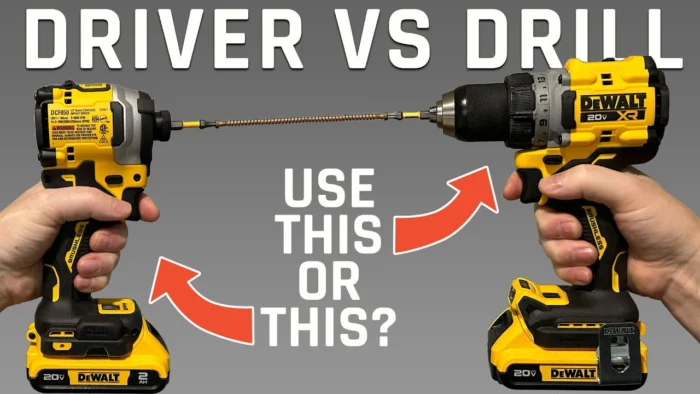
Credit: www.youtube.com
Impact Driver Basics
An impact driver is a powerful tool designed for fastening tasks that require more torque than a regular drill. It is ideal for driving screws, bolts, and other fasteners into tough materials. Understanding the basics of an impact driver helps you use it safely and effectively.
How It Works
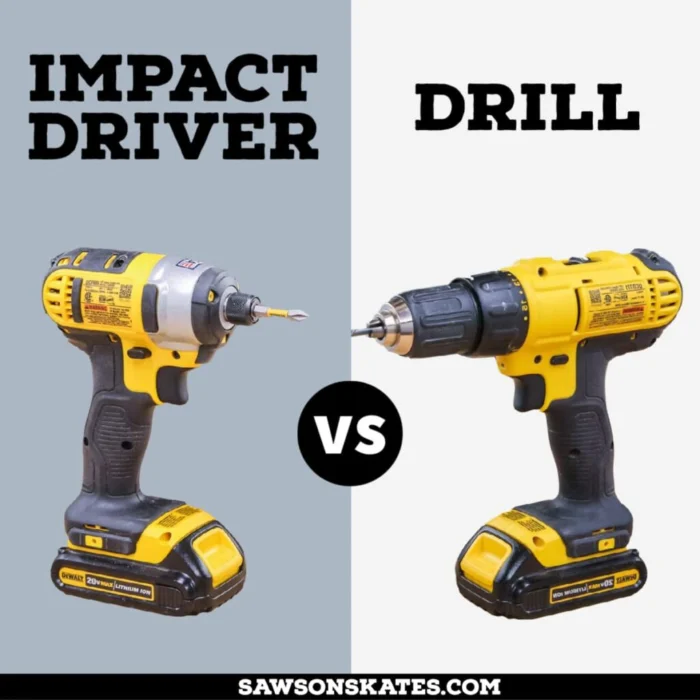
An impact driver combines rotational force with rapid, strong impacts. The motor spins the bit like a drill but adds quick bursts of hammering action. These impacts increase torque without making the tool hard to control. The result is faster driving of screws and bolts, especially in hard materials. The bit stays firmly in place, reducing slipping or cam-out.
Key Features
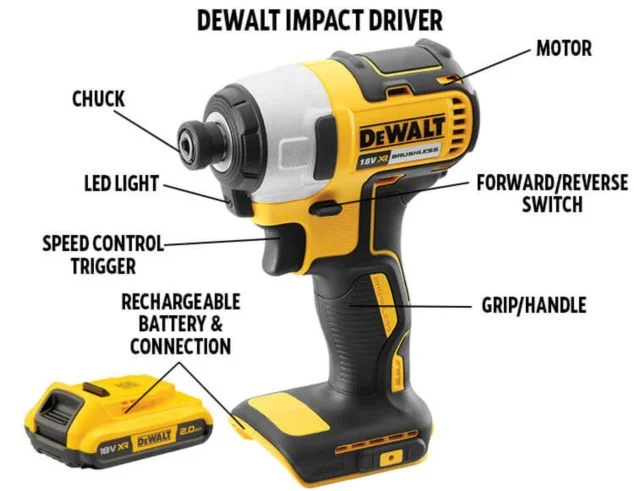
Impact drivers have a compact, lightweight design for easy handling. They use hex-shaped chucks that hold bits securely. The high torque output allows them to drive large screws and bolts quickly. Many models have variable speed triggers for better control. They also produce less vibration, reducing user fatigue during long tasks.
Credit: sinfoniagulfcoast.org
Ideal Tasks For Impact Drivers
Impact drivers are powerful tools designed for tasks that require strong, consistent torque. They work best where regular drills struggle. These tools apply sudden rotational force and forward pressure. This makes fastening quicker and easier. Their design reduces user fatigue and bit slipping, improving efficiency on tough jobs.
Impact drivers are perfect for specific tasks in construction, woodworking, and metalwork. They excel in driving large fasteners, working with hard materials, and handling many screws in a short time. Understanding these ideal uses helps you choose the right tool for your project.
Driving Large Screws And Lag Bolts
Impact drivers handle large screws and lag bolts with ease. Their high torque allows them to push these fasteners deep into wood and metal. This is difficult with standard drills. Using an impact driver reduces the risk of stripping the screw head. It also speeds up the process, making assembly faster and more reliable.
Working With Tough Materials
Hardwoods and treated lumber can be tough to penetrate. Impact drivers deliver quick bursts of force to overcome this. They drive screws smoothly without damaging the material. Metal studs and thick plastics also benefit from the extra power. This tool saves effort and ensures strong, secure connections.
High-volume Fastening
Projects like decking or framing need many screws fastened quickly. Impact drivers maintain speed without tiring the user. They keep bits firmly in place to prevent slipping. This results in faster work and less frustration. Using an impact driver in these cases improves productivity and quality.
Advantages Over Traditional Drills
An impact driver offers clear advantages over traditional drills. It combines power and efficiency in a compact design. These benefits make it a preferred tool for many tasks. Understanding these advantages helps you choose the right tool for your projects.
Higher Torque Output
Impact drivers deliver more torque than standard drills. This extra power drives large screws and bolts easily. It works well with tough materials like hardwood and metal. Higher torque means tasks finish faster and with less effort.
Reduced Bit Slippage
The impact mechanism reduces bit slippage or cam-out. This keeps the bit firmly in place during use. Less slippage means fewer stripped screws and damaged bits. It improves accuracy and protects both the tool and fasteners.
Less User Fatigue
Impact drivers use short bursts of force to drive screws. This action reduces the effort needed from the user’s hands. The tool feels easier to handle, especially during long jobs. Less fatigue means better control and less strain on your body.
Credit: www.screwfix.com
When To Choose A Drill Instead
Choosing between an impact driver and a drill depends on the task. Impact drivers deliver strong, quick bursts of torque. Drills provide steady and controlled rotation. Certain jobs need a drill’s style for better results.
Drilling Holes
Drills work best for making holes in wood, metal, or plastic. Their smooth rotation allows clean, precise holes. Impact drivers lack the control needed for neat drilling. Use a drill when you must create many holes or need accuracy.
Precision Screw Driving
For small screws or delicate materials, drills offer better control. They allow slow speeds and less torque to avoid damage. Impact drivers can overdrive screws or strip heads. Choose a drill for finishing work or sensitive projects.
Specialized Tasks
Drills can handle special attachments like sanding pads or hole saws. They are versatile for different DIY or craft jobs. Impact drivers focus mainly on driving fasteners and are less flexible. Use a drill for tasks beyond fastening.
Impact Driver In Automotive And Heavy-duty Use
An impact driver is a valuable tool in automotive and heavy-duty work. Its power helps handle tough tasks with ease. Mechanics and technicians use it to speed up repairs and maintenance.
The tool delivers strong rotational force with quick impacts. This makes it easier to loosen or tighten stubborn fasteners. It reduces hand strain and improves work efficiency on vehicles and heavy machinery.
Removing Stuck Fasteners
Impact drivers excel at removing stuck or rusted fasteners. The tool’s high torque and rapid impacts break loose bolts and screws. It is especially helpful on old or damaged parts where regular tools fail.
Using an impact driver reduces the risk of stripping or rounding fasteners. It applies force directly to the fastener, not the surrounding area. This precision helps save time and protects parts during automotive repairs.
Using Attachments For Nuts And Bolts
Special attachments turn an impact driver into a powerful wrench. Socket adapters fit onto the driver to handle nuts and bolts of various sizes. This setup is perfect for heavy-duty automotive tasks.
The impact driver delivers steady power that tightens or loosens fasteners quickly. This saves effort compared to manual wrenches or ratchets. The tool’s compact size also allows work in tight engine spaces.
Many mechanics prefer impact drivers for their versatility and speed. They handle demanding jobs on cars, trucks, and machinery with less fatigue. The right attachments make the tool even more useful in heavy-duty settings.
Tips For Safe And Efficient Use
Using an impact driver safely and efficiently ensures better results and longer tool life. Follow simple tips to protect yourself and maintain control. Proper use reduces damage to materials and prevents accidents. Learn key steps below to get the best from your impact driver.
Proper Bit Selection
Choose the right bit for each fastener type and size. Use impact-rated bits to withstand high torque. Avoid worn or damaged bits that may slip or break. Match the bit tip shape to the screw head for a secure fit. Proper bits improve driving power and reduce wear on both tool and fastener.
Handling Techniques
Hold the impact driver firmly with both hands for stability. Keep your wrist straight to avoid strain. Position the bit directly in line with the fastener to prevent slipping. Start at low speed to guide the bit before increasing power. Always wear safety glasses to protect your eyes from debris.
Maintenance Advice
Clean the tool regularly to remove dust and debris. Check the bit holder and chuck for tightness and damage. Lubricate moving parts as recommended in the user manual. Store the impact driver in a dry place to avoid rust. Replace worn parts promptly to keep the tool working well.
Frequently Asked Questions
When Should I Use An Impact Driver?
Use an impact driver for driving large screws, lag bolts, or nuts into tough materials quickly. It delivers high torque and reduces bit slipping. Ideal for heavy-duty fastening, removing stubborn fasteners, and automotive tasks needing extra power.
What Is The Difference Between A Drill And An Impact Driver?
A drill uses steady rotation for drilling holes and light fastening. An impact driver delivers rapid rotational impacts, providing higher torque for driving large screws and tough fasteners.
Can I Use An Impact Driver As A Drill?
Yes, you can use an impact driver as a drill for light drilling tasks. It offers high torque but less precision than a drill. Avoid using it for delicate or large hole drilling to prevent damage or poor results.
What Not To Do With An Impact Driver?
Avoid using an impact driver on delicate materials, soft plastics, or small screws. Do not use it to drill holes or for precision tasks. Never force the tool beyond its limits or use dull bits. Avoid using it without proper eye protection.
What Is The Main Use Of An Impact Driver?
An impact driver is mainly used to drive large screws and bolts into hard materials quickly.
How Does An Impact Driver Differ From A Drill?
An impact driver delivers rotational impacts for more torque, while a drill spins continuously for drilling holes.
Conclusion
An impact driver helps you drive large screws and bolts easily. It works best with tough materials like hardwood or metal. You can use it to install many screws quickly without tiring your hands. It also removes stuck screws or bolts with strong torque.
For drilling holes or delicate jobs, a regular drill is better. Knowing when to use each tool makes your work faster and easier. Choose an impact driver for heavy fastening tasks to get the job done right.
Related reading: Brushless vs Brushed Drill: Real Differences.
Related reading: How to Extend Cordless Drill Battery Life.
{ “@context”: “https://schema.org”, “@type”: “Article”, “headline”: “What is an Impact Driver Used for: Essential DIY Tool Benefits”, “description”: “What is an impact driver used for? It is a power tool designed to deliver high torque for driving screws and bolts into tough materials efficiently.”, “url”: “https://www.powertoolstoday.com/what-is-an-impact-driver-used-for/”, “datePublished”: “2025-11-11”, “dateModified”: “2026-03-18”, “author”: { “@type”: “Organization”, “name”: “Power Tools Today”, “url”: “https://www.powertoolstoday.com” }, “publisher”: { “@type”: “Organization”, “name”: “Power Tools Today”, “url”: “https://www.powertoolstoday.com” }, “mainEntityOfPage”: { “@type”: “WebPage”, “@id”: “https://www.powertoolstoday.com/what-is-an-impact-driver-used-for/” }, “image”: { “@type”: “ImageObject”, “url”: “https://www.powertoolstoday.com/wp-content/uploads/2025/11/What-is-an-Impact-Driver-Used-for-1024×576.webp” } }nn