
Last Updated: March 27, 2026
Choosing the right nail gun for your trim work can make all the difference between a flawless finish and a frustrating project. If you’ve ever struggled with nails that leave big holes or trim that just won’t stay put, you’re not alone.
You want a tool that’s easy to use, precise, and perfect for the type of trim you’re working on—whether it’s baseboards, crown molding, or delicate shoe molding. In this guide, you’ll discover which nail gun fits your needs best, so you can get professional results without the hassle.
Keep reading to find out how to pick the perfect nail gun that will save you time, effort, and headaches on your next trim project.
Types Of Nail Guns For Trim
Choosing the right nail gun for trim work improves your project quality and speed. Different nail guns suit different types of trim and tasks. Understanding the types helps you pick the best tool for your needs.
Brad Nail Guns
Brad nail guns use thin, small nails called brads. They work well for delicate trim and small moldings. Brads leave tiny holes that are easy to fill and hide. They hold pieces firmly but do not split thin wood.
Finish Nail Guns
Finish nail guns use larger nails than brads. They are strong enough for heavy trim like baseboards and crown molding. These nails offer better holding power for bigger wood pieces. Nail holes are slightly larger but still neat and easy to cover.
Pin Nail Guns
Pin nail guns shoot very small, thin pins. They leave almost invisible holes. Pins are perfect for very delicate trim or detailed woodworking. They provide light holding power and usually need glue or clamps for strength.
Brad Nailers For Baseboards
Brad nailers are ideal tools for installing baseboards. They use thin, small nails that reduce wood splitting. These nailers create clean, neat finishes on trim work.
Baseboards require nails that hold firmly without damaging the wood. Brad nailers deliver just enough power for this task. They keep baseboards secure while keeping nail holes small and easy to fill.
What Makes Brad Nailers Perfect For Baseboards?
Brad nailers use 18-gauge nails, which are thinner than finish nails. This reduces the chance of splitting baseboards during installation. Small nail holes make the trim look smooth and professional.
Ease Of Use And Precision
Brad nailers are lightweight and easy to handle. They offer precise control, which helps avoid damaging delicate trim. This precision is important for baseboards with detailed edges.
Power And Holding Strength
Brad nailers provide enough holding power for most baseboards. They secure the trim firmly to walls. For heavier trim, a finish nailer might be better, but brad nailers work well for standard baseboards.
Finishing And Repair
The small nail holes left by brad nails are easy to cover. Use wood filler or putty to hide holes quickly. This helps achieve a flawless finish without extra sanding or repair.
Finish Nailers For Larger Trim
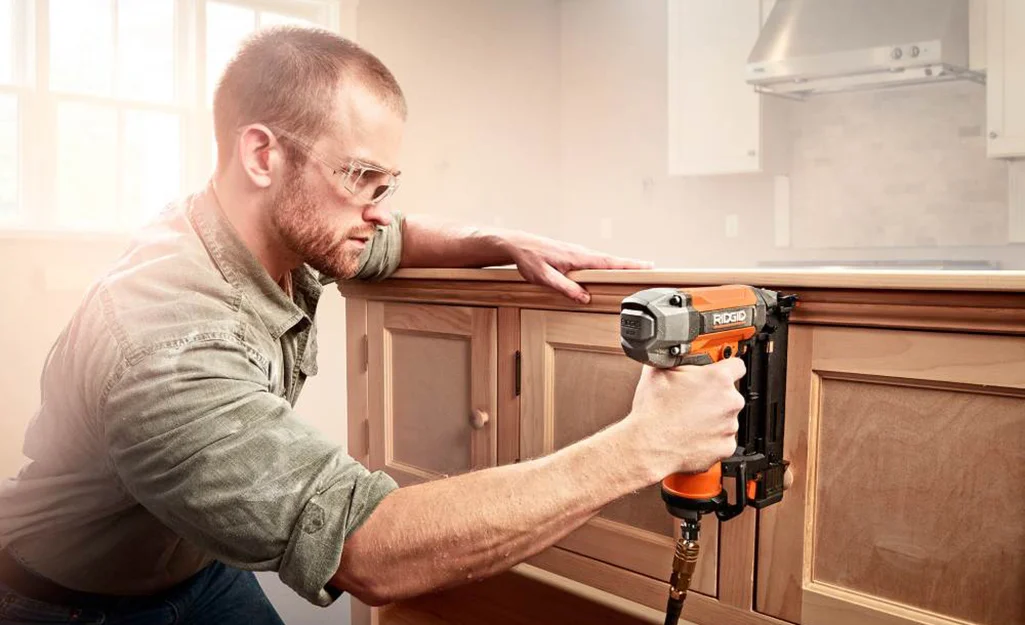
Finish nailers for larger trim provide the power and precision needed for strong, clean finishes. These nail guns handle bigger and thicker pieces like baseboards, crown molding, and door casings. They deliver nails that hold tight without splitting the wood.
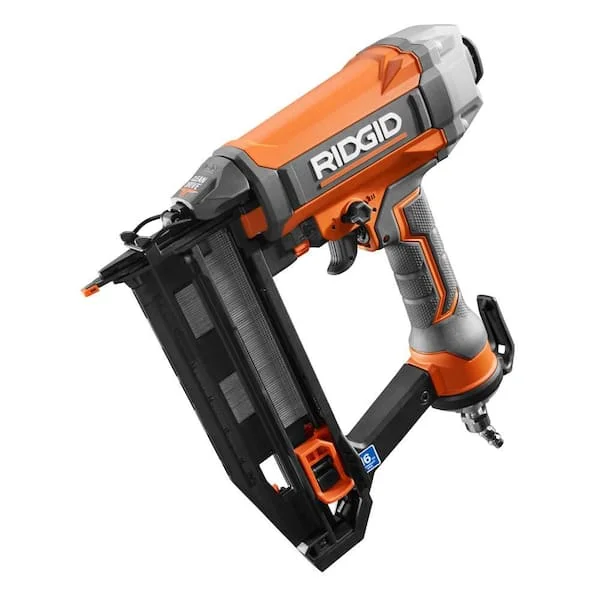
These tools are heavier and more robust than brad nailers. They drive larger nails, usually 15 or 16 gauge, which offer better grip for heavy trim. This makes them ideal for projects requiring durability and a neat look.
Power And Nail Size
Finish nailers use bigger nails than brad nailers. Nails range from 1 to 2.5 inches in length. This size fits well with larger trim pieces. The nails hold the wood firmly, preventing movement or gaps.
Best Uses For Finish Nailers
These nail guns excel with baseboards, crown molding, window, and door casings. They work well on hardwoods and dense materials. The nails stay hidden but strong enough to support the trim’s weight.
Ease Of Use And Precision
Finish nailers offer good control for clean nail placement. Most models have adjustable depth settings. This helps avoid damage to delicate trim surfaces. You get professional results without extra effort.
Considerations For Choosing A Finish Nailer
Choose a finish nailer that matches your trim size. Check nail length and gauge compatibility. Also, consider the tool’s weight and balance. A lighter nailer reduces fatigue during long projects.
Credit: www.homedepot.com
Pin Nailers For Delicate Work
Pin nailers are perfect for delicate trim work. They use very thin nails that leave tiny holes. These nails are less likely to split soft or thin wood. This makes pin nailers ideal for fine molding and detailed woodworking projects.
Because pin nails are so small, they hold pieces together gently. They work well when glue needs to dry without clamping. Pin nailers cause minimal damage to the wood surface. This means less filling and sanding later.
What Is A Pin Nailer?
A pin nailer shoots very thin, 23-gauge nails. These nails are thinner than brad nails. The small size helps avoid splitting delicate wood. Pin nailers are lightweight and easy to control. They are designed for precision and detail work.
Best Uses For Pin Nailers
Pin nailers are great for attaching small trim pieces. They work well on quarter-round, shoe molding, and small decorative trims. Use them for delicate projects where nail holes must be nearly invisible. Pin nailers can also hold glued joints while drying.
Advantages Of Using A Pin Nailer
Pin nailers leave tiny holes that hardly show. This reduces time spent on filling and finishing. The small nails reduce wood splitting risks. Pin nailers are easy to handle in tight spaces. They help create clean, professional-looking trim work.
Choosing The Right Nail Size
Choosing the right nail size is vital for trim work. The correct nail size ensures your trim stays secure without damaging the wood. Nails that are too long can split the trim. Nails that are too short may not hold the pieces firmly.
Understanding nail size helps you pick the best nail gun for your project. Different trim types need different nail lengths and gauges. This choice affects the overall look and strength of your work.
Understanding Nail Lengths For Trim
Nail length is measured in inches or gauge numbers. For most trim, nails between 1 inch and 2 inches work well. Shorter nails suit thin or delicate trim. Longer nails fit thicker or heavier pieces like baseboards.
Using the right length avoids wood splitting. It also prevents nails from sticking out. Choose a nail length that goes deep enough into the wood for a strong hold.
Choosing Nail Gauge For Different Trim Types
Nail gauge refers to the thickness of the nail. Thin nails cause less damage to delicate trim. Thick nails hold heavier trim firmly. Brad nails are thinner and usually 18-gauge. Finish nails are thicker, often 15 or 16-gauge.
Use thinner nails for small or detailed trim. Use thicker nails for large, heavy trim. Match nail gauge with the nail gun for smooth operation.
Matching Nail Size To Your Nail Gun
Nail guns work best with specific nail sizes. Check your nail gun’s manual for compatible nail length and gauge. Using the wrong size can jam the gun or cause poor nailing.
Brad nailers use thinner, shorter nails. Finish nailers handle longer, thicker nails. Pick the nail gun that fits the trim size and nail size you need.
Power Sources: Corded Vs. Cordless
Nail guns for trim come with different power sources. Choosing between corded and cordless models affects your work style and convenience.
Each type has clear advantages for trim installation. Understanding these helps you pick the right tool for your needs.
Corded Nail Guns
Corded nail guns plug into an electrical outlet. They offer constant power without worrying about battery life.
These tools are often lighter since they do not carry heavy batteries. They deliver strong, steady performance for long jobs.
The downside is the cord, which can limit movement. You need access to power and must manage the cable carefully.
Cordless Nail Guns
Cordless nail guns run on rechargeable batteries. They provide freedom to move anywhere without cords or plugs.
These tools are very handy for working in tight spaces or outdoor sites. Battery life varies and may limit use time.
They tend to be heavier due to the battery pack. Charging time is also a factor to consider.
Common Mistakes To Avoid
Choosing the right nail gun for trim work can save time and improve results. Avoiding common mistakes helps ensure smooth and professional finishes. Many beginners make errors that lead to damage or poor holding power. Understanding these pitfalls can make any trim project easier.
Using The Wrong Nail Gun Type
Not all nail guns fit every trim job. Finish nailers work best for large, heavy trim like baseboards. Brad nailers suit smaller, delicate trim pieces. Using the wrong type causes weak joints or visible holes.
Choosing Incorrect Nail Size
Nail length and thickness matter. Nails too long can split the wood. Nails too short may not hold trim securely. Match nail size to the trim thickness for strong, clean results.
Ignoring Air Pressure Settings
Pneumatic nail guns need correct air pressure. Too much pressure drives nails too deep. Too little pressure leaves nails sticking out. Adjust the pressure for consistent nail depth.
Skipping Safety Precautions
Not wearing safety glasses or handling the tool carelessly risks injury. Always keep fingers clear of the nail path. Use the nail gun on a stable surface to avoid accidents.
Failing To Practice Before Starting
Jumping into the project without practice causes mistakes. Test the nail gun on scrap wood first. This helps adjust settings and gain confidence before working on trim.
Credit: www.homedepot.com
Top Brands And Models
Choosing the right nail gun for trim depends on quality and reliability. Top brands offer models designed specifically for trim work. These tools deliver precision and power for smooth installation.
Each brand provides unique features and nail sizes suitable for different trim types. Understanding these helps you pick the best tool for your project.
Paslode Finish Nailers
Paslode is known for durable cordless nailers. Their finish nailers work well on baseboards and crown molding. They use fuel cells and batteries for consistent power. This means fewer cords and easy mobility on job sites.
Bostitch Brad Nailers
Bostitch offers lightweight brad nailers ideal for delicate trim. These nailers shoot small nails that leave tiny holes. This is perfect for quarter-round or shoe molding. The tools also have adjustable depth for precise nailing.
Dewalt Finish Nailers
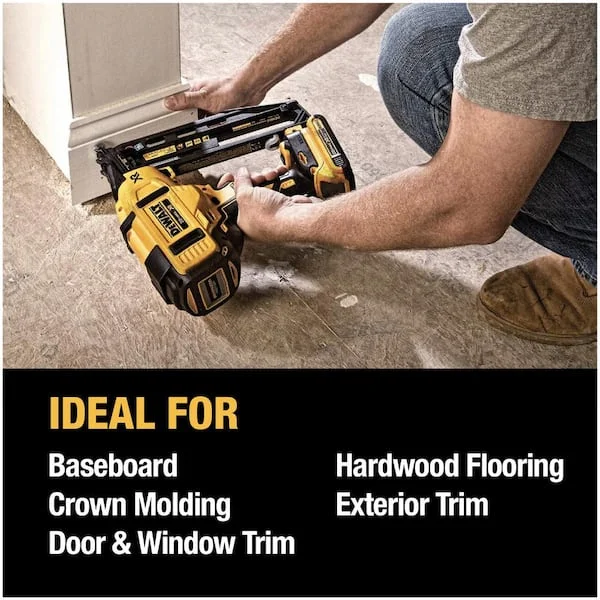
DeWalt provides both pneumatic and cordless finish nailers. Their models suit larger trim projects, including window and door casings. Known for fast firing rates and ergonomic designs, they reduce user fatigue. DeWalt nailers also feature easy jam clearing systems.
Hitachi (metabo Hpt) Pin Nailers
Hitachi, now Metabo HPT, makes reliable pin nailers. These nailers use very thin nails for fine trim work. They leave almost invisible holes, ideal for delicate wood pieces. The lightweight design helps with precise control.
Credit: www.homedepot.com
Frequently Asked Questions
Should I Use A Brad Nailer Or Finish Nailer For Baseboards?
Use a finish nailer for baseboards as it provides stronger holding power for larger, heavier trim compared to a brad nailer.
Should I Use 16 Or 18 Gauge Nails For Trim?
Use 16-gauge nails for larger, heavier trim like baseboards and crown molding. Choose 18-gauge nails for thinner, delicate trim to avoid splitting.
Do I Want A 21 Or 30 Degree Framing Nailer?
Choose a 21-degree framing nailer for tight spaces and easier maneuverability. Pick a 30-degree nailer for better angled access and versatility on larger projects.
Is A Pin Nailer Or Brad Nailer Better For Trim?
A brad nailer suits most trim projects, offering strong hold and minimal damage. Use a pin nailer for delicate, detailed trim needing nearly invisible holes.
What Type Of Nail Gun Is Best For Trim Work?
A finish nailer is best for most trim like baseboards and crown molding.
Conclusion
Choosing the right nail gun makes trim work easier and neater. Brad nailers suit smaller, delicate trim pieces well. Finish nailers handle larger, heavier trims like baseboards and crown molding. Pin nailers work best for very fine details with minimal nail holes.
Consider the size and type of trim before buying. A good nail gun saves time and improves your project’s finish. Simple tools lead to better results. Keep these points in mind for your next trim job.
Related reading: How to Cut Crown Molding With a Miter Saw.
Related reading: How Does a Hammer Drill Work.
Related reading: How Does an Impact Driver Work.
{ “@context”: “https://schema.org”, “@type”: “Article”, “headline”: “What Kind of Nail Gun for Trim: Ultimate Guide for Perfect Finish”, “description”: “What kind of nail gun for trim refers to a lightweight tool designed for precise fastening of delicate molding and trim without damaging the surface.”, “url”: “https://www.powertoolstoday.com/what-kind-of-nail-gun-for-trim/”, “datePublished”: “2025-12-22”, “dateModified”: “2026-03-18”, “author”: { “@type”: “Organization”, “name”: “Power Tools Today”, “url”: “https://www.powertoolstoday.com” }, “publisher”: { “@type”: “Organization”, “name”: “Power Tools Today”, “url”: “https://www.powertoolstoday.com” }, “mainEntityOfPage”: { “@type”: “WebPage”, “@id”: “https://www.powertoolstoday.com/what-kind-of-nail-gun-for-trim/” }, “image”: { “@type”: “ImageObject”, “url”: “https://www.powertoolstoday.com/wp-content/uploads/2025/11/what-kind-of-nail-gun-for-trim.jpg” } }{ “@context”: “https://schema.org”, “@type”: “Article”, “headline”: “What Kind of Nail Gun for Trim: Ultimate Guide for Perfect Finish”, “description”: “What kind of nail gun for trim refers to a lightweight tool designed for precise fastening of delicate molding and trim without damaging the surface.”, “url”: “https://www.powertoolstoday.com/what-kind-of-nail-gun-for-trim/”, “datePublished”: “2025-12-22”, “dateModified”: “2026-03-19”, “author”: { “@type”: “Organization”, “name”: “Power Tools Today”, “url”: “https://www.powertoolstoday.com” }, “publisher”: { “@type”: “Organization”, “name”: “Power Tools Today”, “url”: “https://www.powertoolstoday.com” }, “mainEntityOfPage”: { “@type”: “WebPage”, “@id”: “https://www.powertoolstoday.com/what-kind-of-nail-gun-for-trim/” }, “image”: { “@type”: “ImageObject”, “url”: “https://www.powertoolstoday.com/wp-content/uploads/2025/11/what-kind-of-nail-gun-for-trim.jpg” } }nn