
Last Updated: March 21, 2026
When you’re building or repairing a fence, choosing the right nail gun can make all the difference. You want your fence pickets to be secure, durable, and look great for years to come.
But what size nail gun should you use to get the job done right? Using nails that are too short might cause your pickets to loosen over time, while nails that are too long could split the wood or stick out, ruining the fence’s appearance.
In this guide, you’ll discover exactly which nail gun size works best for fence pickets, how to pick the right nails, and tips to ensure your fence stands strong through every season. Keep reading, and you’ll be ready to tackle your fencing project with confidence and the perfect tools in hand.
Credit: www.youtube.com
Choosing Nail Gun Types
Choosing the right type of nail gun is essential for attaching fence pickets securely and efficiently. Different nail guns suit different tasks and wood types. Understanding these tools helps in selecting the best option for your fencing project.
Framing Nailers
Framing nailers are heavy-duty tools made for large wood pieces. They use long, thick nails that hold fence pickets firmly in place. These nailers work well with hardwood and thick fence boards. They speed up the process and provide strong joints. Framing nailers are ideal for building sturdy fences that last long.
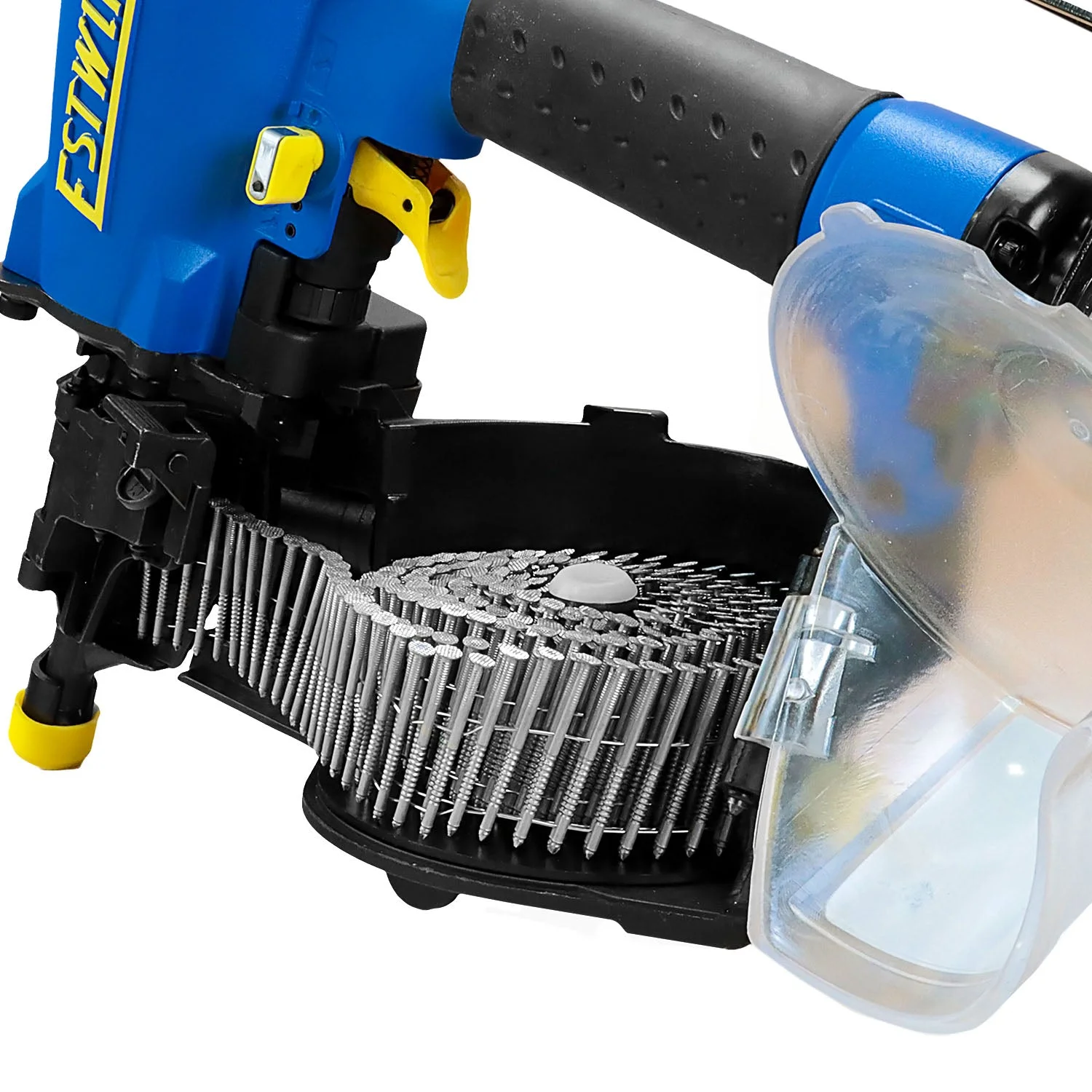
Coil Siding Nailers
Coil siding nailers hold many nails on a coil, allowing continuous nailing. They use medium-length nails that fit well with most fence pickets. These nailers offer good power and fast operation. The coil design reduces reloading time, making them efficient for long fence lines. They work well on softer woods and standard fence materials.
Finish Nailers Vs Brad Nailers
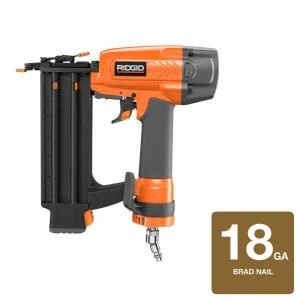
Finish nailers use thicker nails than brad nailers. Finish nails provide stronger holding power for fence pickets. Brad nailers use thinner nails, which suit delicate trim but may not hold fence pickets well. For fence building, finish nailers are a better choice. They offer balance between strength and clean appearance. Brad nailers work best on small, delicate projects, not fencing.
Credit: mrfencetools.com
Ideal Nail Length For Fence Pickets
Choosing the ideal nail length for fence pickets is key to building a strong, lasting fence. The right nail length ensures the picket stays firmly attached without damaging the wood. Nails that are too short won’t hold well. Nails that are too long can split the wood or stick out the other side. Understanding standard nail sizes and adjusting for the wood thickness helps you pick the perfect nail length for your fence project.
Standard Nail Lengths
Fence pickets usually require nails between 1.5 to 3 inches long. The most common length is 2.5 inches. Nails this size penetrate deep enough to hold the picket securely to the fence frame. Ring shank nails are popular because they grip the wood better than smooth nails. Smooth nails can loosen over time. Choosing a nail length based on the thickness of your wood keeps the fence strong and stable.
Adjusting For Wood Thickness
The thickness of the fence picket affects the nail length needed. For thin pickets around 0.5 inches, 1.5 to 2-inch nails work well. For thicker pickets, such as 0.75 to 1 inch, use nails between 2.5 and 3 inches long. The nail should go into the fence frame at least 1 inch for a strong hold. Avoid nails longer than the combined thickness of the picket and frame to prevent splitting or poking through.
Nail Gauge And Thickness
Nail gauge and thickness play a key role in choosing the right nail gun for fence pickets. These factors affect the strength and durability of your fence. Picking the correct gauge ensures nails hold pickets firmly without damaging the wood.
Understanding nail gauge helps you match nails to the wood type and fence design. Thicker nails provide better grip but might split thin or soft wood pickets. Thinner nails reduce splitting risk but may not hold as well. Finding the right balance is important for a strong fence.
Common Nail Gauges
Nails come in gauges that measure their thickness. Common gauges for fence pickets include 15, 16, and 18 gauge nails. A 15-gauge nail is thick and strong, ideal for heavy wood. A 16-gauge nail suits medium wood and offers good holding power. An 18-gauge nail is thinner and better for delicate wood or smaller pickets.
Most fence builders prefer 15 or 16 gauge nails for pickets because they balance strength and wood protection. Choosing the right gauge depends on your wood type and fence style.
Impact On Holding Power
Nail thickness directly affects how well the pickets stay in place. Thicker nails grip wood fibers more securely, reducing movement and loosening over time. This strength is crucial for fences exposed to wind and weather.
Thinner nails provide less holding power. They may loosen faster, especially on larger or heavier pickets. However, thin nails reduce the chance of splitting wood, which can weaken the fence.
Use ring shank or spiral nails for extra holding power. Their design increases grip without requiring thicker nails. This option offers a good balance between nail thickness and fence durability.
Credit: diy.stackexchange.com
Best Nail Materials And Coatings
Choosing the right nail material and coating is crucial for fence pickets. These factors affect durability and resistance to weather. Selecting the proper nails helps prevent rust and wood damage. It also ensures your fence stays strong and looks good for years. Below are the best nail materials and coatings for fence pickets.
Galvanized Nails
Galvanized nails have a protective zinc coating. This layer shields nails from rust and corrosion. They work well for outdoor fences exposed to rain and moisture. Galvanized nails last longer than plain steel nails. They prevent staining on wood, maintaining a clean look.
These nails offer strong holding power for fence pickets. They resist weather damage and keep the fence secure. Galvanized nails are an affordable option for most fencing projects. Their durability makes them a top choice for many builders.
Stainless Steel Options
Stainless steel nails provide the highest rust resistance. They contain chromium, which stops corrosion even in harsh conditions. These nails are ideal for coastal areas or wet climates. Stainless steel nails last much longer than galvanized nails.
They do not stain wood or leave marks. Stainless steel nails hold fence pickets firmly in place. Though more expensive, they reduce maintenance and replacement costs. For long-term fence projects, stainless steel nails are a smart investment.
Wood Types And Nail Selection
Choosing the right nail size depends on the wood type of your fence pickets. Different woods need different nails to avoid damage and ensure strong hold. Understanding wood types helps pick the best nail gun and nails for your project.
Softwood Considerations
Softwoods like pine or cedar are easier to nail. They require shorter nails to prevent splitting. Ring shank nails give better grip in softwood. Avoid thick nails that can crack the wood. A 1.5 to 2.5-inch nail usually works well for softwood pickets. Use a nail gun with adjustable depth to avoid over-driving nails.
Hardwood Challenges
Hardwoods such as oak or mahogany are denser and harder to nail. They need longer and stronger nails for a secure hold. Nails with corrosion resistance work best for outdoor hardwood fences. Choose nails 2.5 to 3 inches long for hardwood pickets. A powerful nail gun helps drive nails without bending or breaking them.
Nails Versus Screws For Fencing
Choosing between nails and screws for fence pickets affects your fence’s strength and lifespan. Each fastener type has unique benefits and ideal uses. Understanding these helps pick the right one for your fencing project.
Advantages Of Nails
Nails are quick to install and cost less than screws. They hold well in wood that expands and contracts with weather changes. Ring shank nails offer extra grip to stop pickets from loosening. Nails also bend slightly under pressure, which helps prevent wood from splitting. Using a nail gun speeds up the job without much fuss.
When To Use Screws
Screws provide stronger and longer-lasting hold than nails. They resist pulling out better, making fences more secure. Screws are best for hardwood or heavy wood pickets that need extra support. They also make it easier to remove or replace damaged pickets later. For a neat finish, use screws with coated or stainless steel to avoid rust.
Recommended Brands And Models
Choosing the right nail gun for fence pickets improves your work quality and speed. The right tool ensures nails go in straight and hold tight. Here, we focus on trusted brands and specific models that suit fence building. These nail guns balance power, ease of use, and durability. They handle common fence picket sizes well and fit various wood types.
Top Nail Gun Brands
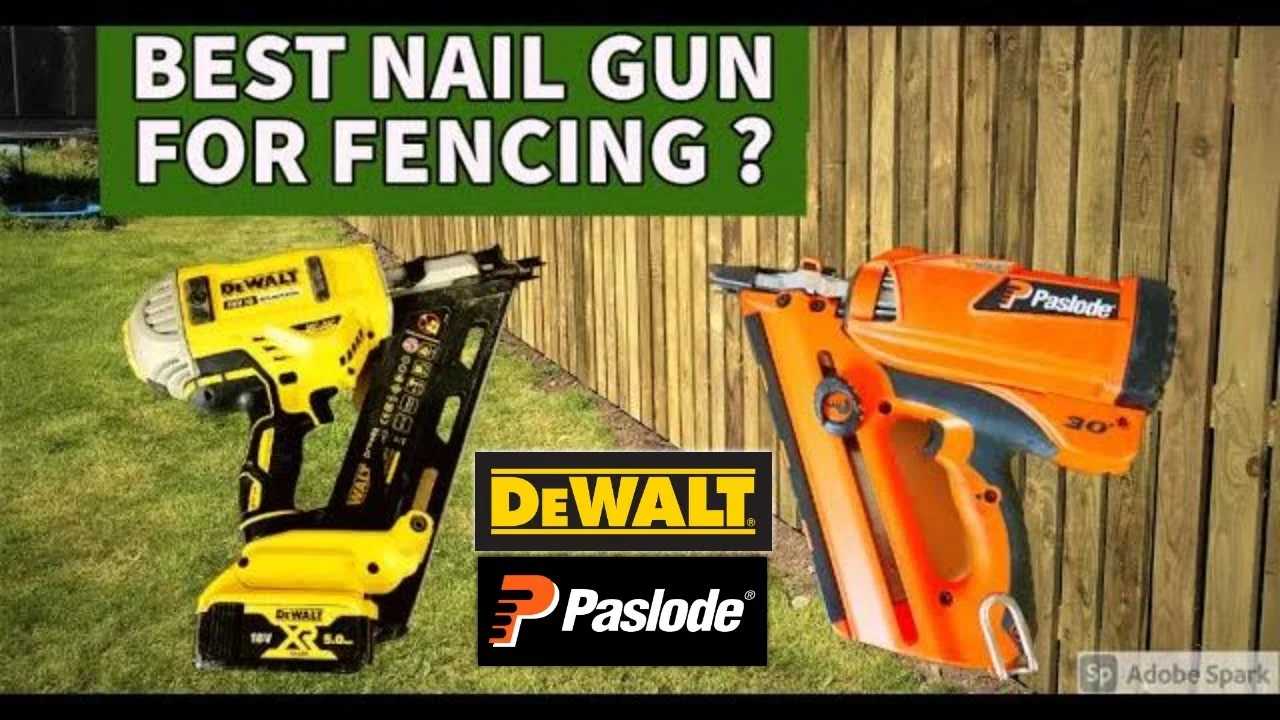
Paslode is known for reliable cordless nail guns. Their models offer strong power and easy handling. Dewalt also provides popular nail guns with excellent battery life. Bostitch makes durable, well-balanced tools for outdoor projects. Hitachi (now Metabo HPT) delivers lightweight and precise nail guns. These brands produce models that fit 2 to 3-inch nails, ideal for fence pickets.
Look for models designed for framing or finish work. Framing nailers can drive larger nails needed for thick wood. Some models use ring shank nails, which hold better in outdoor conditions. Cordless options offer freedom from cords and compressors. Pneumatic nail guns often give consistent power for longer projects.
User Reviews And Ratings
Users praise Paslode for its strong drive and easy reload. Many find Dewalt nail guns comfortable and long-lasting. Bostitch tools get high marks for balance and reliability. Metabo HPT receives positive feedback for accuracy and light weight. Common themes include good nail holding and fast firing speed.
Some users note battery life limits on cordless models. Pneumatic guns require an air compressor but offer steady power. Many reviews highlight how these tools reduce hand fatigue. Buyers often recommend models with adjustable depth settings. Overall, these brands have strong ratings for fence building tasks.
Nail Gun Maintenance Tips
Proper maintenance keeps your nail gun working well and safe. Regular care avoids jams and extends tool life. This section covers easy steps to clean, lubricate, and troubleshoot your nail gun.
Cleaning And Lubrication
Clean your nail gun after each use. Remove dust and debris from the magazine and trigger area. Use a soft brush or compressed air for thorough cleaning. Keep the nail gun dry to prevent rust.
Lubricate moving parts with a few drops of pneumatic tool oil. Apply oil to the air inlet if it is a pneumatic nailer. Avoid over-lubrication to prevent dirt buildup. Regular lubrication keeps parts moving smoothly and reduces wear.
Troubleshooting Common Issues
Check for nail jams if the gun stops firing nails. Remove the jammed nails carefully using pliers or a jam clearing tool. Inspect the nails to ensure they fit the gun’s size and type.
If the nail gun does not fire, check the air pressure or battery charge. Tighten loose screws and inspect the trigger for damage. Replace worn or broken parts to maintain performance.
Frequently Asked Questions
What Size Nails To Attach Fence Pickets?
Use 2 to 2. 5-inch ring shank nails for attaching fence pickets. They provide strong holding power and resist pulling out. Choose nails thick enough to secure the wood but avoid splitting softwoods. Ring shank nails offer durability and better grip than smooth nails.
What Nail Gun Nails To Use For Fencing?
Use 2 to 3-inch ring shank nails with a framing nailer for fencing. They offer strong holding power and resist pull-out. Choose galvanized nails to prevent rust. Avoid brad nails, as they lack durability for outdoor fence construction.
What Degree Nail Gun For Fencing?
A 15 to 21-degree framing nail gun works best for fencing. It drives strong, angled nails ideal for wood fence pickets. Choose a gun compatible with ring shank nails for better holding power and durability.
Do I Want A 16 Or 18 Gauge Nailer?
Choose a 16 gauge nailer for stronger, thicker nails ideal for baseboards and heavier trim. Use an 18 gauge nailer for finer, delicate work with less splitting and smaller holes.
What Size Nail Gun Is Best For Fence Pickets?
A 16-gauge nail gun with 2 to 2. 5-inch nails works best for fence pickets.
Conclusion
Choosing the right nail gun size makes fence building easier and stronger. Use 2 to 3-inch ring shank nails for most fence pickets. These nails hold wood firmly and resist pulling out. Softer woods need shorter nails to avoid splitting.
A framing nailer fits well for thick, durable fences. Smaller brad nailers suit delicate, thin pickets but may lack strength. Pick a nail gun that matches your wood type and fence style. This ensures a sturdy, long-lasting fence with less hassle.
Simple tools and correct nails save time and improve your fence’s look.
{ “@context”: “https://schema.org”, “@type”: “Article”, “headline”: “What Size Nail Gun for Fence Pickets: Ultimate Guide for Perfect Fencing”, “description”: “Discover what size nail gun for fence pickets is best by understanding nail length and gauge for secure, efficient installation of wooden fence panels.”, “url”: “https://www.powertoolstoday.com/what-size-nail-gun-for-fence-pickets/”, “datePublished”: “2025-12-03”, “dateModified”: “2026-03-18”, “author”: { “@type”: “Organization”, “name”: “Power Tools Today”, “url”: “https://www.powertoolstoday.com” }, “publisher”: { “@type”: “Organization”, “name”: “Power Tools Today”, “url”: “https://www.powertoolstoday.com” }, “mainEntityOfPage”: { “@type”: “WebPage”, “@id”: “https://www.powertoolstoday.com/what-size-nail-gun-for-fence-pickets/” }, “image”: { “@type”: “ImageObject”, “url”: “https://www.powertoolstoday.com/wp-content/uploads/2025/11/what-size-nail-gun-for-fence-pickets.webp” } }{ “@context”: “https://schema.org”, “@type”: “Article”, “headline”: “What Size Nail Gun for Fence Pickets: Ultimate Guide for Perfect Fencing”, “description”: “Discover what size nail gun for fence pickets is best by understanding nail length and gauge for secure, efficient installation of wooden fence panels.”, “url”: “https://www.powertoolstoday.com/what-size-nail-gun-for-fence-pickets/”, “datePublished”: “2025-12-03”, “dateModified”: “2026-03-19”, “author”: { “@type”: “Organization”, “name”: “Power Tools Today”, “url”: “https://www.powertoolstoday.com” }, “publisher”: { “@type”: “Organization”, “name”: “Power Tools Today”, “url”: “https://www.powertoolstoday.com” }, “mainEntityOfPage”: { “@type”: “WebPage”, “@id”: “https://www.powertoolstoday.com/what-size-nail-gun-for-fence-pickets/” }, “image”: { “@type”: “ImageObject”, “url”: “https://www.powertoolstoday.com/wp-content/uploads/2025/11/what-size-nail-gun-for-fence-pickets.webp” } }nn