
Last Updated: March 19, 2026
Is your lawn mower suddenly puffing out smoke? It can be alarming to see your trusted mower releasing clouds of smoke while you’re trying to keep your lawn neat.
But don’t panic just yet. Understanding why your lawn mower is smoking is the first step to fixing the problem and getting back to a smooth mowing experience. Whether the smoke is white, blue, or black, each color tells a different story about what might be wrong with your mower.
You’ll discover the common reasons behind the smoke, how to identify the root cause, and simple steps you can take to solve the issue quickly. Keep reading to save your mower and avoid costly repairs!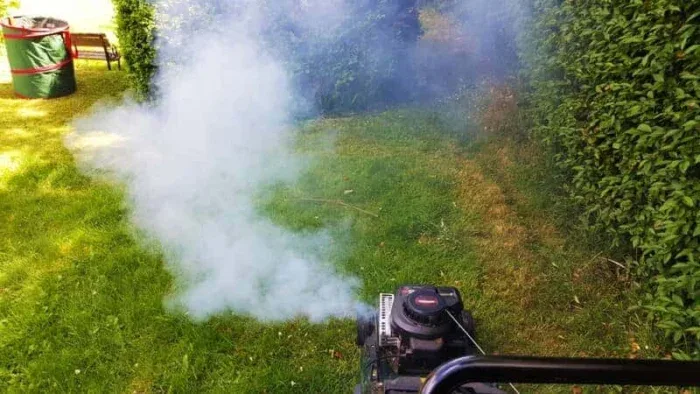
Credit: lawn.com.au
Oil Overfill And Spills
Oil overfill and spills are common reasons for a smoking lawn mower. Adding too much oil or spilling it on hot engine parts causes smoke. The excess oil burns off, creating visible smoke clouds. This issue can harm the engine if not fixed quickly. Understanding the effects helps in proper care and cleaning.
Effects Of Excess Oil
Too much oil clogs engine parts and reduces performance. It causes the engine to run hotter than normal. Burning oil produces thick white or blue smoke. The spark plug can foul, leading to hard starts. Oil overfill can damage seals and gaskets over time. Early action prevents costly repairs and keeps the mower running well.
Cleaning Spilled Oil
Turn off the mower and let the engine cool down. Use a clean rag to wipe off spilled oil from the engine. Avoid washing with water to prevent electrical damage. Apply a degreaser if oil stains remain, then wipe clean. Check oil levels again, filling only to the recommended mark. Proper cleaning stops smoke and protects your mower’s engine.
Internal Engine Leaks
Internal engine leaks often cause a lawn mower to smoke. These leaks allow oil to enter parts of the engine where it should not be. Burning oil produces visible smoke, which can be white, blue, or gray. Understanding the causes of internal leaks helps in fixing the problem quickly.
Worn Piston Rings
Piston rings seal the gap between the piston and cylinder walls. Over time, these rings wear out or break. Worn piston rings let oil slip into the combustion chamber. The engine burns this oil, creating blue or gray smoke. This reduces engine power and increases oil consumption.
Faulty Gaskets And Seals
Gaskets and seals keep oil inside the engine and prevent leaks. When these parts crack or break, oil can leak into the engine’s combustion area. Burning oil produces white or blue smoke from the mower’s exhaust. Replacing faulty gaskets and seals stops the leak and the smoke.
Air Filter Problems
The air filter plays a vital role in keeping your lawn mower’s engine clean. It stops dirt and debris from entering the engine. When the air filter gets dirty or clogged, the engine cannot breathe properly. This causes poor performance and can make the mower smoke. Air filter problems are a common cause of smoking lawn mowers.
Clogged Filter Symptoms
A clogged air filter blocks airflow to the engine. The mower may run rough or stall often. You might notice a strong fuel smell from the exhaust. The engine can overheat, causing white or black smoke. Reduced power and slow cutting speed are other signs. Inspect the air filter if you see these symptoms.
Replacing The Air Filter
Changing the air filter is simple and improves mower health. First, turn off the mower and let it cool. Remove the air filter cover carefully. Take out the old filter and check for dirt or damage. Replace it with a new filter that fits your mower model. Secure the cover back in place. This helps the engine run clean and reduces smoke.
Carburetor And Fuel Issues
The carburetor and fuel system play a key role in your lawn mower’s performance. Problems here often cause smoking. The carburetor mixes air and fuel in the right ratio for the engine. If this mix is off, the engine may burn too much fuel or run rich. This leads to smoke from the mower.
Fuel issues also cause smoking. Old or contaminated fuel can clog parts and affect combustion. Dirt, water, or stale gasoline can disrupt the engine’s normal function. Checking and maintaining the carburetor and fuel system helps stop smoke and keeps the mower running smoothly.
Sticking Needle And Seat
The carburetor needle and seat control fuel flow into the engine. If the needle sticks, it lets too much fuel pass. Excess fuel floods the engine and creates thick, black smoke. Dirt or debris often cause the needle to stick. Cleaning or replacing these parts fixes the issue. Regular carburetor maintenance prevents sticking problems.
Choke Position Impact
The choke controls air flow during engine start. A fully closed choke restricts air and adds more fuel to the mix. Running the mower with the choke on for too long causes rich fuel mixture. This rich mix leads to smoking as the engine burns excess fuel. Make sure the choke is open after starting the mower to avoid smoke.
Water In Fuel Effects
Water in the fuel tank harms the engine’s combustion process. Water does not burn like gasoline, so it causes sputtering and smoke. It may also cause rust inside the carburetor. Using fresh, dry fuel prevents water buildup. Draining old fuel and cleaning the tank reduce water contamination and stop smoke issues.
Smoke Color Meanings
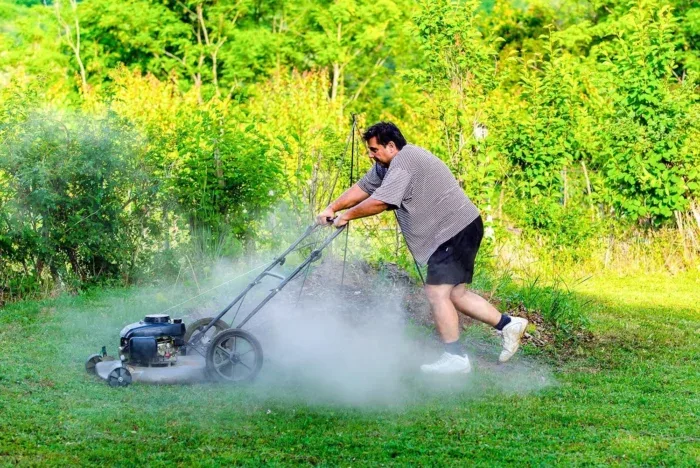
Smoke from your lawn mower’s engine tells a story. Different colors show different problems. Knowing what each color means helps you fix the issue fast.
Smoke color acts like a warning sign. Watch carefully to protect your mower and keep it running well.
Black Smoke Causes
Black smoke means the mower burns too much fuel. This happens when the air filter is dirty or clogged. A blocked filter limits air, causing extra fuel to burn. Poor fuel quality or a stuck choke can also cause black smoke. Fixing these issues stops black smoke quickly.
White And Blue Smoke Causes
White smoke shows that water or coolant mixes in the engine. This can mean a blown head gasket or cracked engine parts. Blue smoke means the engine burns oil. Oil leaks into the combustion chamber cause this. Worn piston rings or valve seals often lead to blue smoke. Both need attention to avoid serious damage.
Gray Smoke And Engine Wear
Gray smoke points to engine wear and oil burning, but less severe than blue smoke. It may also come from an old or poor-quality oil. Overfilled oil can cause gray smoke too. Regular oil changes and correct oil level help prevent this problem. Check engine parts for wear if gray smoke continues.
Credit: www.familyhandyman.com
Quick Fixes To Stop Smoking
When your lawn mower starts smoking, quick action can prevent damage. Simple fixes often stop the smoke and get your mower running smoothly again. These fixes focus on common causes like oil, parts, and fuel quality. Follow these easy steps to clear the smoke fast.
Adjusting Oil Levels
Check the oil level using the dipstick. Too much oil can cause thick, white smoke. Remove excess oil if the level is above the full mark. Low oil also harms the engine, so keep it at the right level. Change the oil if it looks dirty or old.
Cleaning Or Replacing Parts
Dirty air filters block airflow and cause smoke. Remove the filter and clean it with soap and water. Replace it if it’s torn or very dirty. Check the spark plug for damage or dirt. Clean or replace the spark plug to improve engine performance.
Using Fresh Fuel
Old or contaminated fuel causes engine problems and smoke. Drain the fuel tank completely. Fill the tank with fresh, clean gasoline. Use fuel stabilizer if you store fuel for a long time. Fresh fuel helps the engine run cleaner and reduces smoke.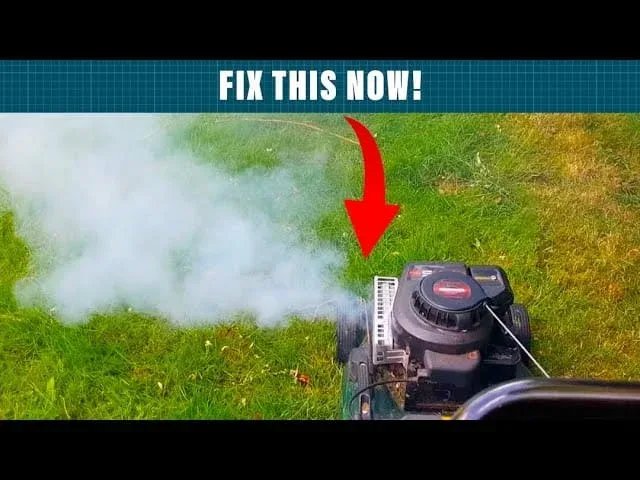
Credit: www.youtube.com
Conclusion
A smoking lawn mower signals a problem needing attention. Check the oil level and quality first. Overfilled or dirty oil often causes smoke. A clogged air filter may also make the mower smoke black. White or blue smoke usually means the engine burns oil.
Running the mower with bad oil can damage the engine. Regular maintenance helps prevent smoking issues. Keep your mower clean and use fresh fuel. Fix problems early to save money and avoid bigger repairs. A healthy mower cuts grass well and lasts longer.
Frequently Asked Questions
Do not use your lawn mower if it’s smoking heavily. Stop immediately, check oil and fuel levels, and fix issues before running it again.
Grey smoke from your lawn mower means the engine is burning oil. Worn piston rings or gaskets often cause this issue. Overfilled or spilled oil, and using incorrect oil type, can also produce grey smoke. Check oil level, clean air filter, and avoid tipping mower incorrectly.
Low oil usually causes engine damage, not smoke. Smoke often indicates oil overfill, leaks, or burning oil inside the engine.
White smoke from a lawnmower usually means burning oil. Causes include oil overfill, leaks, or worn engine parts. Check oil level and type. Clean or replace the air filter. Fix leaks and avoid tipping the mower incorrectly.
White smoke usually means oil is leaking or overfilled in the engine.
Black smoke often shows too much fuel is burning in the engine.
