
Are you curious whether your plasma cutter needs gas to operate? Understanding this is key to getting the most from your cutting tool and avoiding costly mistakes.
You might think plasma cutters work without any gas, but the truth is different—and knowing what type of gas to use, or if compressed air will do, can change your entire cutting experience. Stick around as we break down everything you need to know about the gases involved in plasma cutting, so you can cut smarter, faster, and safer.
Ready to clear the air on this topic? Let’s dive in!
Gas Types For Plasma Cutting
Plasma cutting requires gas to create the plasma arc. The type of gas affects cutting quality and speed. Different gases work better on different metals and thicknesses. Choosing the right gas improves the cut and extends consumable life.
Compressed Air
Compressed air is the most common gas for plasma cutting. It is cheap and easy to find. Air works well on mild steel and stainless steel. It also helps blow away molten metal from the cut. Air plasma cutters do not need extra gas tanks.
Oxygen
Oxygen is used mainly for cutting mild steel. It creates a hot, fast cut. Oxygen helps produce a clean edge with less dross. It also increases cutting speed. Using oxygen requires careful handling due to its reactive nature.
Nitrogen
Nitrogen is ideal for cutting stainless steel and aluminum. It creates a smooth, clean cut with little oxidation. Nitrogen plasma gas works well on thin to medium metal thickness. It is often mixed with hydrogen for better cutting.
Argon
Argon is used for cutting non-ferrous metals like aluminum and copper. It produces a stable plasma arc. Argon gas offers clean, precise cuts. It is often mixed with hydrogen or nitrogen to improve performance. Argon plasma cutting requires a gas supply.
Hydrogen
Hydrogen is mixed with argon or nitrogen to increase heat. It improves cutting speed and quality. Hydrogen blends are common for thick stainless steel and aluminum. Pure hydrogen is rarely used alone. It must be handled with care.
Role Of Gas In Plasma Cutting
The role of gas in plasma cutting is vital for the process to work efficiently. Plasma cutting uses a high-velocity jet of ionized gas to cut through metals. This gas is essential to create and sustain the plasma arc. Without gas, the cutter cannot generate the plasma stream needed to melt and blow away the metal.
Different types of gases affect the quality, speed, and cost of the cut. Choosing the right gas depends on the material being cut and the desired outcome. Understanding the role of gas helps users operate plasma cutters safely and effectively.
What Gas Does A Plasma Cutter Use?
Most plasma cutters use compressed air as the primary gas. Compressed air is affordable and easy to obtain. Some systems use inert gases like argon or nitrogen for cleaner cuts. Oxygen can be added for faster cutting of mild steel. The choice of gas impacts the cut edge and the machine’s performance.
How Gas Creates The Plasma Arc
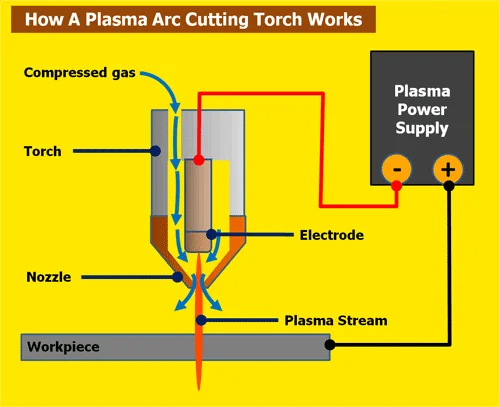
The plasma arc forms when the gas is forced through a small nozzle. The high speed and electrical energy ionize the gas. This ionized gas becomes plasma, a hot and conductive state of matter. The plasma reaches temperatures up to 30,000°F, melting the metal quickly. The gas flow also blows molten metal away from the cut.
Gas Flow And Cutting Quality
Proper gas flow is crucial for clean cuts and long consumable life. Too little gas can cause poor arc stability and damage the nozzle. Too much gas wastes resources and may blow the arc off target. Maintaining correct gas pressure ensures smooth, precise cuts and protects the machine.
Air Plasma Cutters Explained
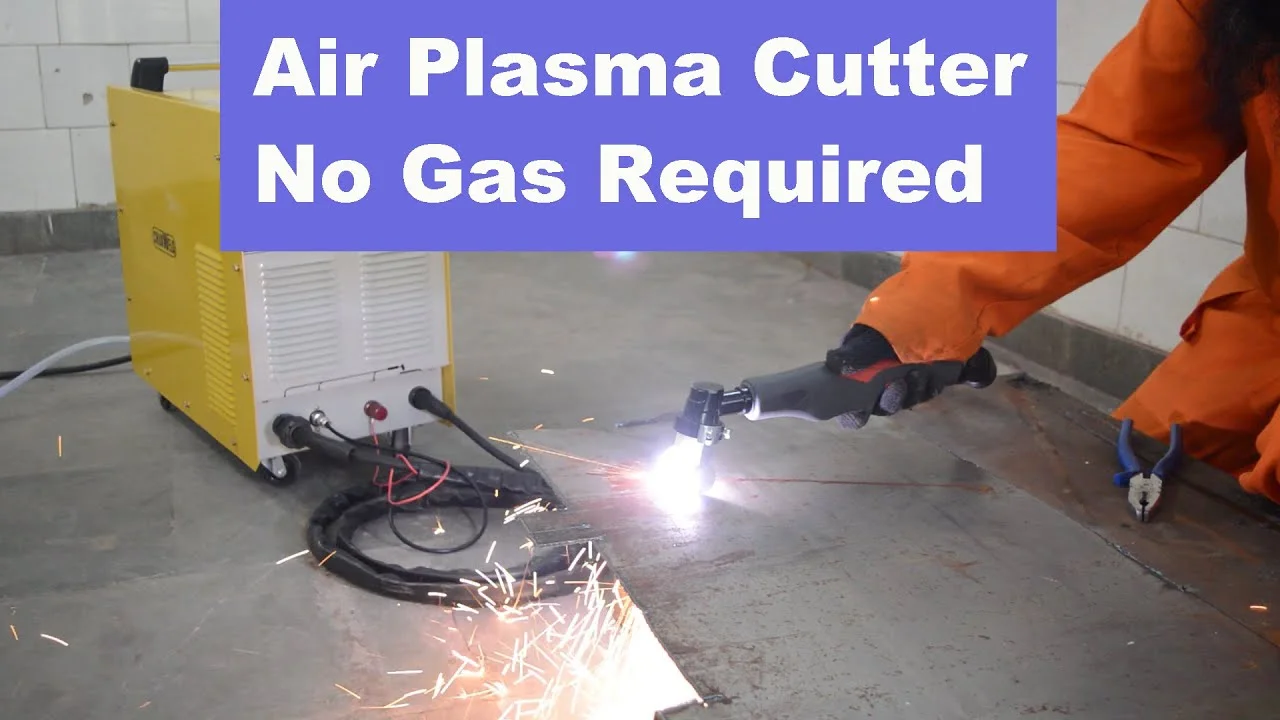
Air plasma cutters use compressed air to create a plasma arc. This arc cuts through metal by melting it quickly. The air cools the tool and clears molten metal away. These cutters do not need special gases like oxygen or nitrogen.
Instead, they use regular compressed air from a standard air compressor. This makes air plasma cutters easier to use and more affordable. They are popular for metal fabrication, automotive work, and home projects.
How Air Plasma Cutters Work
Compressed air flows through a small nozzle in the torch. An electrical arc forms between an electrode and the metal. The air turns into plasma at very high temperatures. This plasma cuts through metal with speed and precision.
Components Needed For Air Plasma Cutting
A plasma cutter, air compressor, and moisture filter are essential. The compressor supplies clean, dry air to create plasma. The moisture filter prevents water damage inside the cutter. A ground clamp completes the electric circuit for safety.
Advantages Of Using Air Plasma Cutters
Air plasma cutters are simple and cost-effective. They do not need bottled gases or gas regulators. This lowers operating costs and setup time. They cut many metals, including steel, aluminum, and copper.
When To Choose An Air Plasma Cutter
Choose air plasma cutters for general metal cutting jobs. They work well for thin to medium-thickness metals. For thicker metals or special alloys, other gas plasma cutters may perform better.
Credit: www.youtube.com
Equipment Needed To Run A Plasma Cutter
Running a plasma cutter requires more than the cutter itself. Several essential tools and accessories help the plasma cutter work properly and safely. These items ensure clean cuts and protect the user.
Knowing the equipment needed will help you prepare and avoid interruptions during cutting tasks. Each piece plays a specific role in the cutting process.
Plasma Cutter Unit
The plasma cutter is the main device that produces the plasma arc. It uses electrical power to heat and cut metal. Different models need different power levels, so choose one that fits your needs.
Compressed Air Supply
Most plasma cutters need compressed air to create the plasma stream. The air blows away molten metal from the cut. An air compressor or a clean, dry compressed air source is required.
Moisture Filter
A moisture filter protects the plasma cutter and its parts from water damage. Moisture in the air supply can cause poor cuts and shorten consumable life. Always install a filter before the torch.
Power Source
Plasma cutters need a strong and stable electrical outlet. A dedicated circuit with the correct voltage and amperage is necessary. This prevents electrical problems and ensures safe operation.
Ground Clamp
The ground clamp connects the metal piece to the cutter’s electrical circuit. It is essential for completing the circuit and allowing the plasma arc to form. Attach it firmly to clean metal.
Plasma Torch
The torch is the handheld part where the plasma arc comes out. It directs the plasma to the metal. The torch holds consumables like electrodes and nozzles that wear out during use.
Consumables
Consumables include electrodes, nozzles, swirl rings, and shields. These parts wear down and need regular replacement. Using good consumables keeps the cuts clean and the machine running well.
Personal Protective Equipment
Protective gear is crucial for safety. Use a face shield to guard your eyes and face from sparks and bright light. Wear gloves to protect your hands from heat and sparks. Fire-resistant clothing helps prevent burns. Ear protection reduces noise exposure.
Choosing The Right Gas For Metals
Choosing the right gas for plasma cutting metals affects the cut quality and machine performance. Different metals react differently to gases. Selecting the correct gas helps achieve cleaner cuts and reduces wear on the cutter. Understanding gas types and their uses improves your cutting results.
Compressed Air for Mild SteelCompressed air is the most common gas for cutting mild steel. It is affordable and readily available. Air creates a strong plasma arc to cut through steel quickly. It also blows away molten metal for a clean edge. Many plasma cutters come set up for air use.
Nitrogen for Stainless Steel and AluminumNitrogen works well on stainless steel and aluminum. It prevents oxidation during cutting. This results in smoother edges and less discoloration. Nitrogen produces a stable arc, improving cut precision. It is a popular choice for thin to medium thickness metals.
Argon-Hydrogen Mixtures for Thick MetalsArgon mixed with hydrogen is used for thicker stainless steel cuts. This blend increases heat and arc stability. It helps cut through heavy metals with less dross. The mixture improves cutting speed and edge quality. It is common in industrial plasma cutting.
Oxygen for Faster Mild Steel CuttingOxygen enhances the cutting speed on mild steel. It creates a hotter, more reactive plasma arc. Cuts are faster but may produce more oxidation on edges. Oxygen works best for thicker materials where speed is key. Use caution, as it can wear consumables faster.
Credit: esab.com
Essential Consumables And Maintenance
Plasma cutters rely on several consumables to work properly. These parts wear down and need regular replacement. Proper maintenance keeps your cutter running smoothly and safely.
Replacing consumables on time prevents damage to the torch and ensures clean cuts. Knowing what to check and change saves time and money.
Electrodes And Nozzles
Electrodes create the plasma arc that cuts metal. Nozzles shape and direct the plasma stream. Both wear out from heat and use. Replace them if cuts become rough or weak.
Swirl Rings And Retaining Caps
Swirl rings control gas flow around the plasma arc. Retaining caps hold consumables in place. Damage or wear to these parts can cause poor cutting performance. Check them regularly and replace if needed.
Torch Maintenance
Keep the torch clean and free of metal dust. Inspect for cracks, burns, or loose parts. Clean the torch after each use to prevent blockages and extend its life.
Gas Supply And Filters
Plasma cutters need clean, dry gas to work well. Use filters to remove moisture and oil from the gas supply. Replace filters as recommended to avoid damage to consumables and poor cuts.
Power Requirements For Plasma Cutters
Power requirements for plasma cutters vary based on the machine’s size and type. Understanding these needs helps ensure safe and efficient operation. Plasma cutters need a stable power source to generate the high temperatures for cutting metal.
Most plasma cutters operate on standard electrical outlets. Smaller units often run on 110V or 120V power, suitable for home workshops. Larger industrial cutters usually require 220V or higher voltage for more power.
Besides voltage, amperage is crucial. Higher amperage allows cutting thicker metals faster and cleaner. Machines with adjustable amperage offer flexibility for different cutting tasks.
Voltage Requirements
Plasma cutters come in various voltage options. Small, portable models typically use 110V or 120V outlets. These work well for light metal cutting and hobby projects.
Industrial-grade cutters require 220V or 240V power. They deliver stronger cutting power for thick metals and longer jobs. Using the correct voltage prevents damage and ensures safety.
Amperage And Cutting Thickness
Amperage affects cutting capacity and speed. Low-amperage cutters (20-40 amps) cut thin metals up to 1/4 inch. Higher amperage machines (50-100 amps) handle thicker metals up to 1 inch or more.
Choosing the right amperage depends on the metal thickness and cutting precision needed. Adjustable amperage settings add versatility to the plasma cutter.
Power Source And Circuit Needs
Plasma cutters require a dedicated electrical circuit to avoid overloads. Circuit breakers must match the cutter’s power demands. Using extension cords can cause voltage drops and reduce cutting performance.
Some plasma cutters use inverter technology for efficient power use. This technology makes the machines lighter and more energy-efficient.
Credit: weldguru.com
Safety Gear And Precautions
Safety is vital when using a plasma cutter. Proper gear and careful steps protect you from harm. Plasma cutting produces intense light, hot sparks, and metal debris. These hazards can cause serious injuries without the right precautions.
Always wear the correct safety equipment. Use protective gear designed for plasma cutting tasks. Follow safety rules strictly to avoid accidents and injuries.
Protective Clothing
Wear fire-resistant clothes to shield your skin from sparks. Use a heavy-duty jacket and pants. Avoid synthetic materials that melt easily. Cover all exposed skin to prevent burns.
Eye And Face Protection
Use a face shield or welding helmet with a proper shade lens. This blocks harmful ultraviolet and infrared rays. It also protects against flying sparks and metal particles. Regular safety glasses are not enough for plasma cutting.
Hand Protection
Wear heat-resistant gloves to protect your hands. Gloves prevent burns from hot metal and sparks. Choose gloves made for welding or plasma cutting tasks. Check gloves for damage before every use.
Hearing Protection
Plasma cutters create loud noise during operation. Use earplugs or earmuffs to protect your hearing. Prolonged exposure to loud noise can cause hearing loss. Always keep hearing protection nearby when cutting.
Work Area Safety
Keep your workspace clean and free from flammable materials. Sparks can ignite nearby objects quickly. Work in a well-ventilated area to avoid inhaling fumes. Always have a fire extinguisher ready in case of emergencies.
Frequently Asked Questions
Can You Plasma Cut Without Gas?
No, plasma cutters cannot operate without gas. They require compressed gas, like air, to create the plasma arc and cut metal effectively.
What Kind Of Gas Do I Need For My Plasma Cutter?
Use compressed air, nitrogen, argon, hydrogen, oxygen, or gas blends for your plasma cutter. Choose gas based on metal type and cut quality needed.
What Do I Need To Run A Plasma Cutter?
You need a plasma cutter, a power source, compressed air or gas, a grounding clamp, and a torch with consumables. Wear protective gear like gloves and a face shield. Use a moisture filter to protect equipment and ensure safety with fire-resistant clothing and ear protection.
Can You Use Regular Air On A Plasma Cutter?
Yes, you can use regular compressed air in a plasma cutter. It acts as the plasma gas to create the cutting arc. Ensure the air is clean and dry to protect the equipment and maintain cutting quality.
Does A Plasma Cutter Always Need Gas To Operate?
Yes, plasma cutters require gas to create the plasma arc that cuts metal efficiently.
Conclusion
A plasma cutter always needs gas to work properly. Compressed air is the most common choice. It helps create the plasma and clears away melted metal. Without gas, the cutter cannot form the plasma arc. Different gases suit different metals and cuts.
Using the right gas improves cut quality and tool life. Always check your machine’s requirements before starting. Proper gas use keeps your cuts clean and precise. Remember, gas is essential for safe and effective plasma cutting.