
Last Updated: March 20, 2026
If you work with sanding belts, you know how important it is to have the right size for your tool. But how do you measure a sanding belt correctly?
Getting the size wrong can waste time, money, and materials, leaving you frustrated. Whether you’re replacing an old belt or buying a new one, knowing the exact method to measure your sanding belt saves you from guesswork. You’ll discover simple, step-by-step tips to measure your sanding belt accurately.
Keep reading to master this essential skill and keep your sanding projects running smoothly.
Credit: www.redlabelabrasives.com
Types Of Sanding Belts
Sanding belts come in various types designed for different tasks and materials. Knowing the types helps you choose the right belt for your project. Each type offers unique features that affect sanding performance and finish quality.
Choosing the correct sanding belt type improves efficiency and extends belt life. It also helps prevent damage to the workpiece and the sanding machine.
Aluminum Oxide Sanding Belts
Aluminum oxide belts are the most common type. They work well on wood, metal, and plastic. These belts are durable and provide a smooth finish. They suit general sanding tasks and last a long time.
Garnet Sanding Belts
Garnet belts are softer and break down faster. They give a finer finish on wood surfaces. These belts are ideal for hand sanding or delicate projects. They are less durable but produce a smooth, natural look.
Ceramic Sanding Belts
Ceramic belts are very tough and last longer than others. They cut fast and handle heavy-duty sanding. These belts work best on hard metals and rough surfaces. They resist heat and keep sharpness over time.
Zirconia Alumina Sanding Belts
Zirconia alumina belts are strong and self-sharpening. They excel in aggressive sanding and grinding tasks. These belts perform well on metal and hardwood. They offer a balance of durability and cutting power.
Silicon Carbide Sanding Belts
Silicon carbide belts are sharp and ideal for sanding glass and stone. They also work on metal and plastic. These belts produce a fine finish but wear out quickly. Use them for special applications needing precision.
Credit: www.youtube.com
Tools Needed For Measurement
Measuring a sanding belt requires precise tools for accurate results. Using the right tools ensures the sanding belt fits well and performs efficiently. Below are the essential tools for measuring sanding belts.
Flexible Measuring Tape
A flexible measuring tape is ideal for measuring the length and width of sanding belts. It bends easily around the belt’s surface. This tool helps to get an exact measurement without damaging the belt.
Ruler Or Steel Tape Measure
A ruler or steel tape measure works well for measuring straight edges of the belt. It is useful for measuring belt width. Use a steel tape for more durable and accurate measurement.
Caliper
A caliper helps measure the thickness of the sanding belt. It provides precise readings in millimeters or inches. This tool is especially helpful for belts with different grit sizes.
Measuring Belt Length
Measuring the length of a sanding belt is a key step in finding the right replacement. The belt length ensures a proper fit on your sanding machine. Without accurate measurement, the belt may slip or cause damage to your tool.
Two common ways to measure belt length include using a flexible tape measure or measuring an old belt. Both methods are simple and reliable.
Using A Flexible Tape Measure
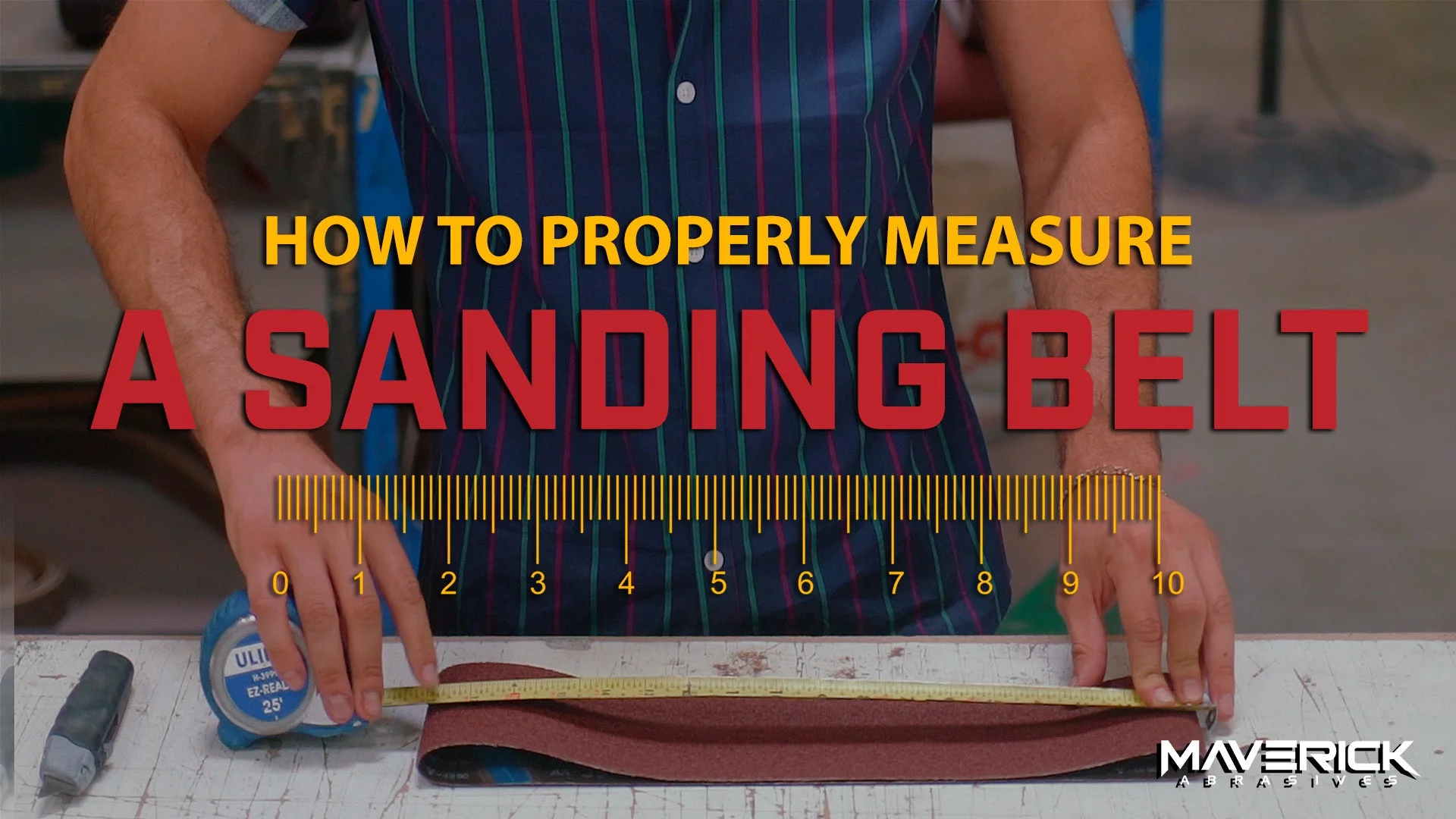
Take a flexible tape measure and wrap it around the sanding machine’s drum or pulley system. Follow the exact path where the belt sits. The tape should touch the surface without stretching.
Read the measurement carefully. This number represents the belt’s total length. Note it down for ordering your new belt.
Measuring An Old Belt
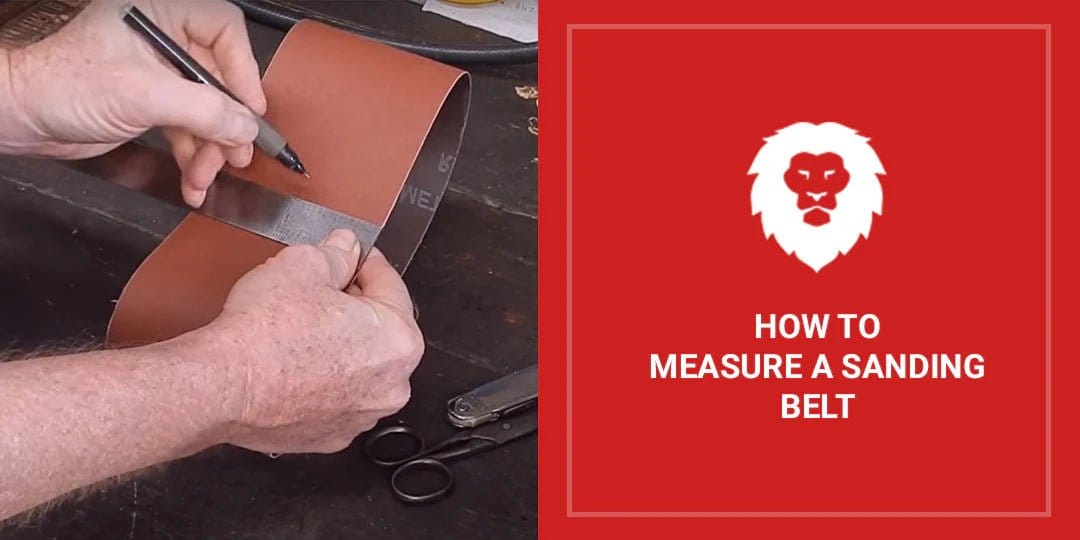
Remove the old sanding belt from your machine. Lay it flat on a smooth surface. Use a ruler or tape measure to find its full length.
Measure from one end straight around to the other end. This is the belt length you need. Also, check the belt width for a complete size.
Measuring Belt Width
Measuring the width of a sanding belt is crucial for choosing the right replacement. The belt width affects how well the belt fits your sander and how efficiently it works. A belt that is too wide or too narrow will not perform correctly and may damage your tool.
To get an accurate measurement, use a ruler or tape measure. Measure the distance across the belt from one edge to the other. This is the belt width, usually expressed in inches or millimeters.
Using A Ruler Or Tape Measure
Place the belt flat on a surface. Align the ruler or tape measure across the belt’s width. Read the measurement from one edge to the other. Make sure the belt lies straight for accuracy.
Measuring An Old Belt
If you have an old sanding belt, measure its width directly. Lay the belt flat and measure across its widest point. This method gives the exact width for replacement belts.
Checking Manufacturer Specifications
Refer to your sander’s manual for belt width information. Manuals often list the correct belt sizes for your model. This saves time and ensures compatibility with your tool.
Checking Your Sander’s Specifications
Checking your sander’s specifications is the first step to measure a sanding belt correctly. Every sander has specific belt size requirements. Knowing these details helps you buy the right belt without guesswork.
Manufacturers list belt sizes in the manual or on the machine’s label. These sizes include length, width, and sometimes thickness. Using the exact size ensures the belt fits well and works efficiently.
Locate The Model Number And Manual
Find your sander’s model number on the body or base. Search online for the manual using this number. The manual usually shows the belt size needed. It may also give tips on belt replacement and care.
Identify Belt Dimensions In Specifications
Look for belt length and width in the specs. Length measures the belt’s total circumference. Width is the distance across the belt. These two are critical for correct sizing.
Confirm Belt Type And Grit Recommendations
Check if the sander needs a specific belt type. Some require cloth or paper backing belts. Also, note the recommended grit range. This affects sanding quality and belt life.
Credit: www.maverickabrasives.com
Common Belt Sizes And Standards
Sanding belts come in many sizes to fit different machines and tasks. Knowing common belt sizes helps you pick the right belt. Standard sizes make it easier to find replacements and keep your work smooth.
Manufacturers often follow set standards for sanding belts. These standards cover length, width, and thickness. Using a standard size ensures the belt fits your sander perfectly.
Standard Belt Widths
Widths usually range from 1/2 inch to 4 inches. Common widths include 1 inch, 2 inches, and 3 inches. The width affects the sanding surface area and how the belt fits your machine.
Typical Belt Lengths
Lengths vary widely depending on the sander type. Popular lengths are 18, 21, 24, 48, and 72 inches. Measure the belt loop or check your sander specs to find the right length.
Thickness And Grit Standards
Belt thickness affects durability and flexibility. Most belts are about 1/16 inch thick. Grit size ranges from coarse (40 grit) to fine (400 grit). Choose grit based on the finish you want.
Tips For Accurate Measurement
Measuring a sanding belt accurately ensures the belt fits perfectly. This prevents slipping or damage to your sander. Using the right tools and methods improves measurement precision. Follow simple tips to get exact dimensions every time.
Use A Flexible Measuring Tape
A flexible measuring tape bends around the belt easily. It helps measure the belt length by wrapping around its entire loop. Avoid rigid rulers as they cannot follow curves well. This ensures a smooth, accurate length reading.
Measure The Belt Width Straight Across
Lay the belt flat on a surface to measure width. Use a ruler or tape measure across the belt’s cross-section. Measure from one edge to the other without stretching the belt. This gives the exact width needed for replacement belts.
Check The Belt Length By Unrolling
If possible, unroll the belt flat to measure length. Use a tape measure to record the full length straight. If unrolling is impossible, wrap the tape carefully around the belt’s loop. Mark the start and end points for accuracy.
Double-check Measurements
Always measure twice to avoid mistakes. Small errors can cause improper fitting belts. Compare your measurements with the manufacturer’s specifications if available. Confirm the width and length before purchasing a new belt.
Consider Belt Thickness
Thickness affects sanding performance and belt fit. Use a caliper for precise thickness measurement. Note this dimension along with width and length. This helps choose the right belt for your sander’s requirements.
Replacing And Fitting The Belt
Replacing and fitting a sanding belt is essential for smooth sanding and optimal tool performance. A correctly fitted belt ensures even wear and efficient material removal. The process involves careful measurement and proper installation.
Removing The Old Belt
First, unplug the sander to ensure safety. Release the tension lever to loosen the belt. Slide the old belt off the rollers gently. Inspect the rollers for dust or debris before fitting a new belt.
Measuring The New Belt
Check the length and width of the old belt for accuracy. Use a flexible tape measure to measure the belt’s total length. Confirm the width matches the sander’s specifications exactly. Accurate measurement prevents slipping or belt damage.
Fitting The New Belt
Place the new belt on the rollers with the abrasive side facing out. Align the belt with the tracking mechanism to keep it centered. Tighten the tension lever to secure the belt firmly. Test the belt by running the sander briefly to check tracking and fit.
Frequently Asked Questions
How Do I Know What Size Sanding Belt To Get?
Check your sander’s manual for belt size. Measure the old belt’s width and length. If none, measure your sander’s drum circumference and belt width. Choose a belt matching these dimensions for a proper fit.
How Do I Measure What Size Belt I Need?
Wrap a flexible tape measure around your waist where you wear the belt. Add 2 inches to this measurement. Alternatively, measure an existing belt from the buckle fold to the middle hole for your size.
What Is The Standard Size For A Belt Sander?
The standard belt sander size usually features a 3-inch wide belt. Lengths commonly range from 18 to 21 inches. This size suits most general sanding tasks efficiently. Always check your sander’s manual to confirm the correct belt dimensions.
What Size Is A 42 Inch Belt?
A 42-inch belt typically fits a waist size of 40 inches. Measure from buckle fold to the middle hole. Add 2 inches to your waist for accurate sizing.
How Do You Measure The Length Of A Sanding Belt?
Measure the entire loop of the belt by laying it flat and using a tape measure.
Conclusion
Measuring a sanding belt is simple with the right steps. Start by checking the width and length carefully. Use a measuring tape or measure an old belt if available. Always double-check your measurements before buying a new belt. Proper sizing ensures better sanding results and longer belt life.
Keep these tips in mind for your next sanding project. Accurate measurements save time and prevent mistakes. Now, you can confidently choose the correct sanding belt size every time.
{ “@context”: “https://schema.org”, “@type”: “Article”, “headline”: “How Do You Measure a Sanding Belt: Easy Steps for Perfect Fit”, “description”: “How do you measure a sanding belt? Learn the key dimensions including length, width, and grit size to ensure proper fit and effective sanding performance.”, “url”: “https://www.powertoolstoday.com/how-do-you-measure-a-sanding-belt/”, “datePublished”: “2025-11-20”, “dateModified”: “2026-03-18”, “author”: { “@type”: “Organization”, “name”: “Power Tools Today”, “url”: “https://www.powertoolstoday.com” }, “publisher”: { “@type”: “Organization”, “name”: “Power Tools Today”, “url”: “https://www.powertoolstoday.com” }, “mainEntityOfPage”: { “@type”: “WebPage”, “@id”: “https://www.powertoolstoday.com/how-do-you-measure-a-sanding-belt/” }, “image”: { “@type”: “ImageObject”, “url”: “https://www.powertoolstoday.com/wp-content/uploads/2025/11/how-do-you-measure-a-sanding-belt.webp” } }nn