
Are you struggling to get your wooden surfaces smooth and even? A belt sander could be the tool you need to make your projects easier and faster.
But what exactly is a belt sander used for? Whether you’re a DIY enthusiast or just starting out, understanding how this powerful tool works can save you time and effort. From removing old paint to leveling rough wood, a belt sander handles tough jobs that other sanders can’t.
Keep reading to discover how you can use a belt sander to transform your work and get professional-looking results every time.
Key Uses Of A Belt Sander
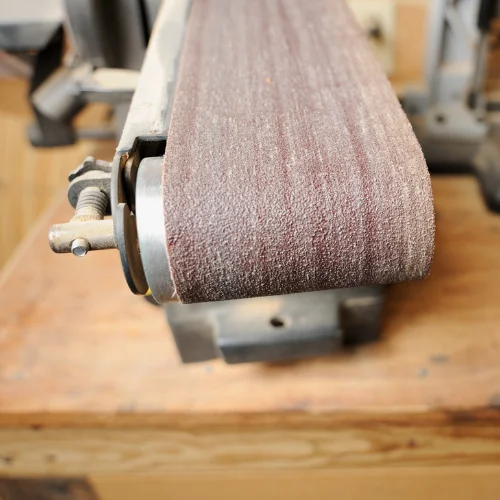
A belt sander is a powerful tool designed to handle tough sanding tasks. It works by moving a continuous loop of sandpaper at high speed. This makes it perfect for quickly shaping and smoothing large surfaces. Understanding the key uses of a belt sander helps users choose the right tool for their projects. Here are the main ways a belt sander is commonly used.
Material Removal
Belt sanders excel at removing large amounts of material fast. They strip rough edges and uneven surfaces with ease. This makes them ideal for shaping wood or other materials. The speed and power help save time on big jobs. Users can remove old finishes or level uneven boards quickly.
Surface Preparation
Preparing surfaces for painting or finishing is easier with a belt sander. It smooths out rough patches and creates an even texture. This helps paint or stain stick better and last longer. The tool can also flatten wood surfaces before further detail work. It is essential for good results in woodworking and renovation.
Paint And Rust Removal
Belt sanders remove old paint and rust effectively from metal and wood. The abrasive belt scrapes off unwanted layers without much effort. This is useful for restoring furniture, doors, or metal parts. It cleans surfaces quickly, making them ready for new paint or treatment. Using a belt sander reduces manual labor for these tough tasks.
Credit: universalgrinding.com
Types Of Belt Sanders
Belt sanders come in several types. Each type serves a specific purpose. Choosing the right type helps complete your project faster and better. Understanding the different types allows you to pick the best tool for your needs.
Handheld Belt Sanders
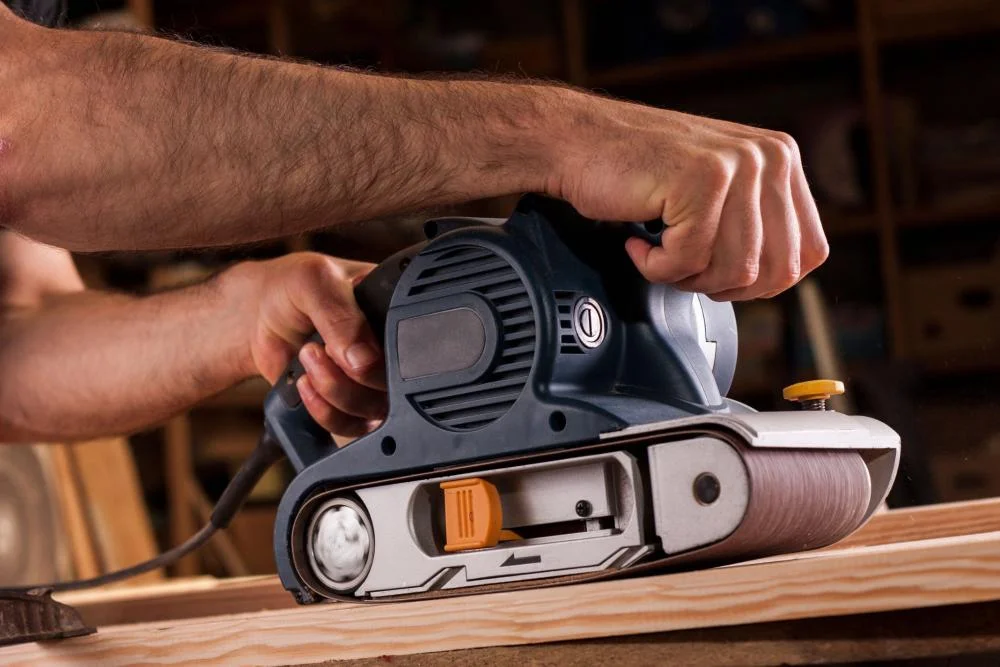
Handheld belt sanders are portable and easy to use. They are great for sanding large flat surfaces like wooden floors or doors. These sanders help remove old paint or finish quickly. They are suitable for both beginners and professionals.
Stationary Belt Sanders
Stationary belt sanders stay fixed on a workbench. They offer more control and stability during sanding. Ideal for shaping and smoothing smaller pieces of wood or metal. These sanders work well in workshops and for detailed tasks.
Wide Belt Sanders
Wide belt sanders use a large sanding belt to cover more area. They are powerful machines used in industrial settings. Perfect for sanding large panels, furniture, or flooring. They provide a smooth, even finish on big surfaces quickly.
Choosing The Right Belt Sander
Choosing the right belt sander is important for any sanding task. The correct tool makes your work easier and faster. Several factors affect your choice. These include power, speed, belt size, grit, portability, and weight. Understanding these will help you pick a sander that fits your needs.
Power And Speed
Power affects how fast the sander removes material. Higher power means more sanding force. Speed controls how quickly the belt moves. Variable speed lets you adjust for different materials. Softwood needs less speed than hardwood. A powerful sander with adjustable speed works for many projects.
Belt Size And Grit
Belt size determines the sanding area and belt replacement options. Larger belts cover more surface but are heavier to handle. Smaller belts are good for detail work and tight spaces. Grit size affects finish quality. Coarse grit removes material fast. Fine grit smooths surfaces for a clean finish. Choose the right size and grit for your job.
Portability And Weight
Portability matters if you move your sander often. Lightweight models reduce fatigue during long use. Compact sanders fit better in small workspaces. Heavy sanders offer stability but can tire your arms quickly. Balance between weight and power is key for comfort and control.
Credit: www.heamar.co.uk
Belt Sander Vs Orbital Sander
A belt sander and an orbital sander serve different sanding purposes. Choosing the right one depends on the task and desired finish. Both tools help smooth surfaces but vary in power and precision.
Aggressiveness And Material Removal
Belt sanders are powerful and remove material quickly. They use a continuous loop of sandpaper that moves fast. This makes them ideal for heavy sanding jobs.
Orbital sanders are less aggressive. Their sanding pad moves in small circles, removing less material. They work well for light sanding and detail work.
Finish Quality
Belt sanders leave a rougher finish due to their speed and pressure. They can create scratches if not used carefully. Fine sanding is needed after using a belt sander.
Orbital sanders produce a smoother finish. Their gentle action reduces swirl marks and scratches. They are great for preparing surfaces for painting or staining.
Best Applications For Each
Use a belt sander for removing old paint, shaping wood, or sanding large flat areas fast. It saves time on tough jobs.
Use an orbital sander for final sanding and finishing touches. It works well on furniture, cabinets, and delicate surfaces.
Safety Tips When Using A Belt Sander
Using a belt sander can speed up many woodworking tasks. Its power can also cause accidents if not handled carefully. Safety is the top priority to avoid injuries and damage. Follow these key tips to work safely with a belt sander.
Proper Handling Techniques
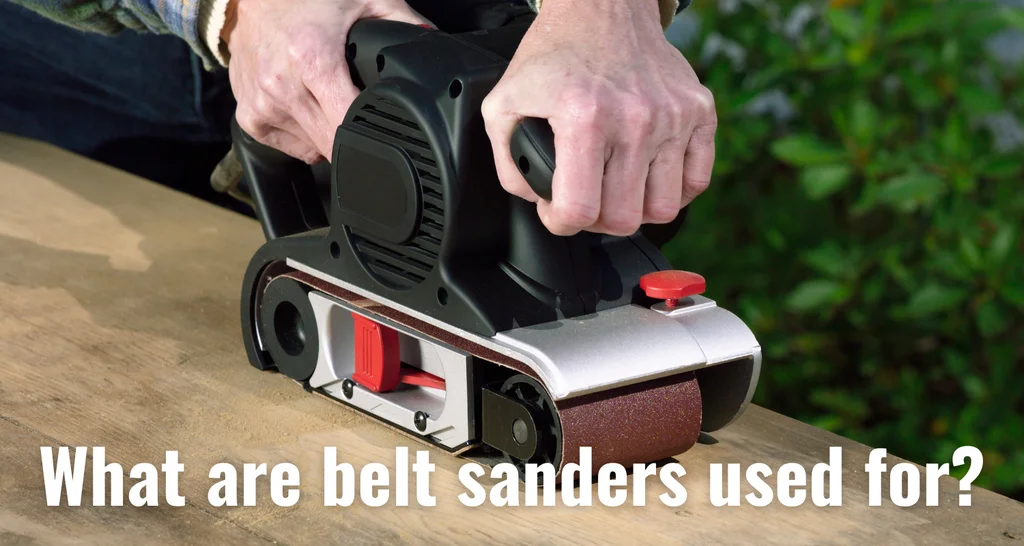
Hold the sander firmly with both hands. Keep your body balanced and stable. Do not force the sander; let it do the work. Move the sander steadily in the direction of the grain. Avoid sudden stops or changes in direction. Always turn off the sander before setting it down.
Protective Gear
Wear safety goggles to protect your eyes from dust and debris. Use a dust mask to avoid inhaling fine particles. Ear protection reduces noise exposure. Wear gloves to protect your hands but ensure they fit well. Avoid loose clothing that can get caught in the sander.
Avoiding Common Hazards
Keep the work area clean and free of clutter. Check the sanding belt for damage before use. Secure the workpiece firmly to prevent movement. Do not use the sander near flammable materials. Unplug the tool before changing belts or cleaning. Stay focused and avoid distractions during use.
Maintenance And Care
Proper maintenance and care keep your belt sander working well. Regular attention extends its life. It also improves sanding results and safety. Follow simple steps to maintain your tool.
Belt Replacement
Replace the sanding belt when it wears out or tears. A worn belt reduces sanding efficiency. Turn off and unplug the sander first. Release the tension lever to remove the old belt. Align the new belt on the rollers and secure it. Check the belt tracking and adjust if needed.
Cleaning And Lubrication
Clean dust and debris from the sander after use. Use a brush or compressed air to clear vents and rollers. Avoid water or harsh chemicals that can damage parts. Lubricate moving parts as the manual suggests. This keeps the sander running smoothly and prevents rust.
Storage Recommendations
Store the belt sander in a dry, cool place. Avoid damp areas to prevent rust and electrical issues. Keep it in a case or cover it to protect from dust. Unplug the tool before storing. Proper storage maintains the sander’s condition for future use.
Creative Projects With A Belt Sander
A belt sander is a versatile tool for many creative projects. It helps shape, smooth, and finish different materials quickly. Many hobbyists and professionals use it to improve the look and feel of their work. This tool makes tough sanding jobs easier and faster.
Woodworking Finishing
A belt sander removes rough spots on wood surfaces fast. It helps prepare the wood before painting or staining. The sander creates a smooth, even surface for a clean finish. You can use it on large panels or small pieces. It saves time compared to sanding by hand.
Shaping And Smoothing Edges
This tool shapes wood edges with precision. It smooths sharp corners and rounds edges nicely. You can create curves or bevels easily. The belt sander removes excess wood to refine the shape. It gives projects a professional and polished look.
Restoration And Repair
A belt sander is great for restoring old furniture. It strips away old paint and varnish efficiently. It also smooths damaged surfaces before repairs. The tool helps remove scratches and dents from wood. This makes the piece ready for refinishing or repainting.
Credit: engineerwarehouse.com
Common Mistakes To Avoid
Using a belt sander can make your woodworking tasks faster and easier. Yet, many users make simple mistakes that reduce the tool’s effectiveness. Avoiding these errors helps you get better results and keeps your sander in good condition. Below are common mistakes to watch out for.
Applying Too Much Pressure
Pressing hard on the belt sander can cause damage. The sander’s motor works best with light, steady pressure. Too much force wears out the belt faster and can leave uneven marks. Let the machine do the work by guiding it gently over the surface.
Ignoring Belt Condition
Worn or damaged sanding belts reduce performance. Using a belt past its prime causes rough sanding and scratches. Check the belt often for tears or clogging. Replace belts regularly to maintain smooth and efficient sanding.
Uneven Sanding
Moving the sander too quickly or staying too long in one spot leads to uneven surfaces. Keep a steady pace and glide the sander evenly. Overlapping your passes slightly helps create a uniform finish without dips or gouges.
Frequently Asked Questions
What Is The Difference Between A Belt Sander And A Normal Sander?
A belt sander removes material quickly on large, flat surfaces, ideal for rough sanding. A normal sander, like an orbital, smooths surfaces for finishing and detailed work.
What Are The Disadvantages Of A Belt Sander?
Belt sanders remove material aggressively, risking damage to delicate surfaces. They can be heavy, hard to control, and costly compared to other sanders.
How Much Wood Can A Belt Sander Remove?
A belt sander can remove up to 1/16 inch of wood per pass, depending on grit and pressure applied. It excels at rapid material removal on large, flat surfaces.
What Can You Make With A Belt Sander?
A belt sander quickly smooths and levels rough wood, metal, or plastic surfaces. It removes paint, rust, and shapes large flat areas efficiently.
What Is The Main Purpose Of A Belt Sander?
A belt sander quickly removes wood or material from large, flat surfaces for shaping or smoothing.
Conclusion
A belt sander helps remove rough surfaces fast and easily. It works well on wood, metal, and plastic. Use it to smooth tabletops or strip old paint. This tool is strong, so handle it carefully. Belt sanders save time in early sanding steps.
They are not for delicate or small projects. Knowing its uses makes your work better and faster. Keep safety in mind and enjoy smooth results every time.
Read also: How Do You Measure a Sanding Belt
