
Last Updated: March 20, 2026
Choosing the right nail gun can make all the difference in your project’s success. But with so many types, power sources, and nail sizes out there, how do you know which one fits your needs?
Whether you’re a beginner or looking to upgrade your tools, you want a nail gun that’s easy to use, reliable, and perfect for your specific job. In this guide, you’ll learn exactly what to consider—so you can pick the nail gun that saves you time, effort, and frustration.
Keep reading to find the perfect match for your next project and nail it every time!
Credit: www.livowalny.com
Project Needs
Choosing the right nail gun starts with understanding your project needs. Different tasks require different nail sizes and power levels. Matching these factors ensures smooth work and strong results. Think about the materials you will use and the type of nails needed. The nail gun must fit the job for best performance.
Assessing Nail Size
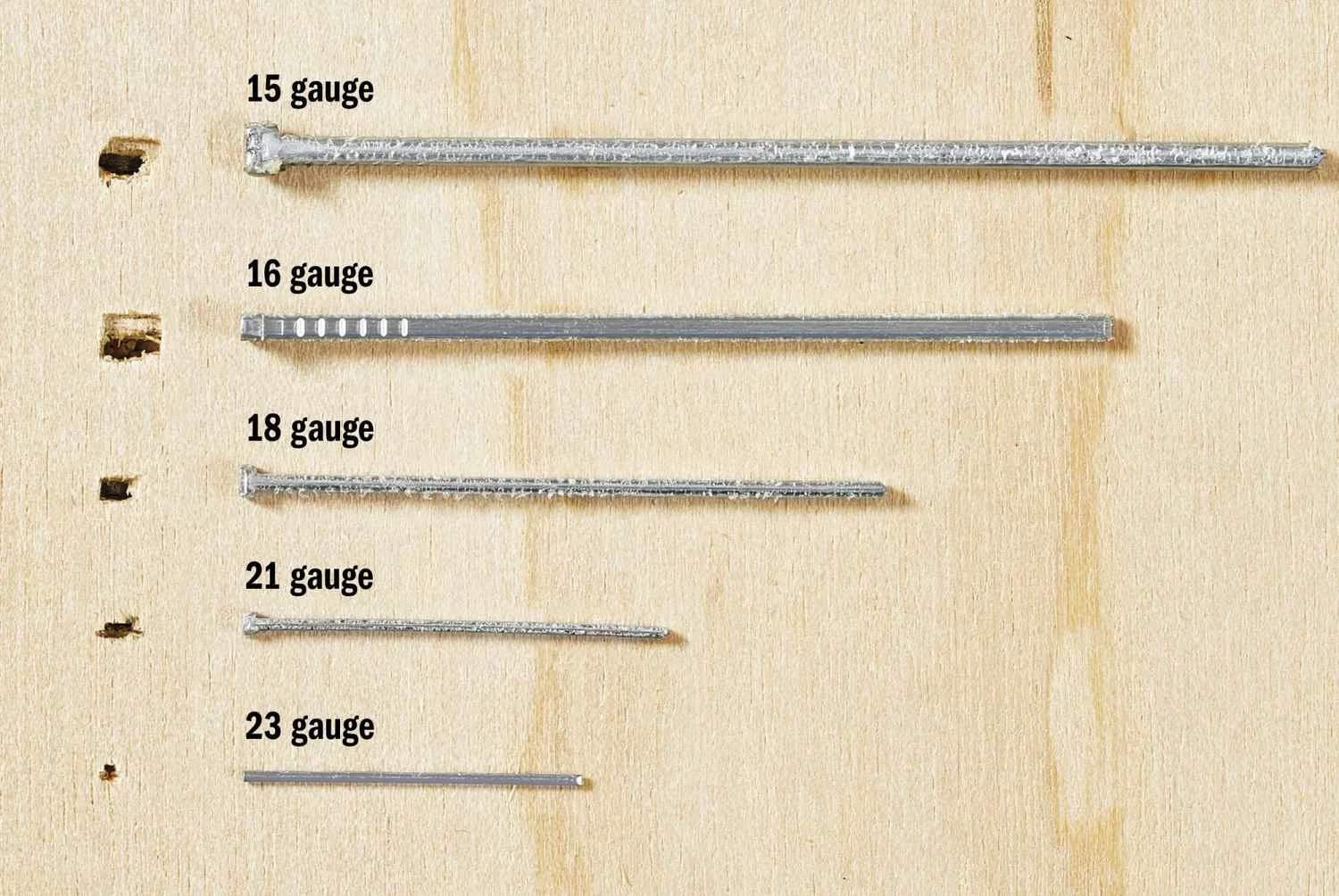
Nail size affects the strength and appearance of your project. Larger nails hold heavy materials like framing lumber. Smaller nails work well for delicate trim or finish work. Consider the thickness of the wood and the nail length needed. Using the right nail size prevents damage and improves hold. Check the nail gun’s compatibility with various nail sizes.
Determining Power Requirements
Power needs depend on the material hardness and nail length. Harder woods or thicker nails need more power. Pneumatic nail guns offer strong and consistent power. Battery-powered guns provide convenience but may lack force for big jobs. Electric corded guns balance power and portability. Match the power source to your project’s demands for better efficiency.
Credit: sawdustgirl.com
Power Sources
Choosing the right power source is key when buying a nail gun. It affects the tool’s weight, power, and mobility. Different power types suit different tasks and work environments. Understanding the main options helps pick the best nail gun for your needs.
Pneumatic Nail Guns
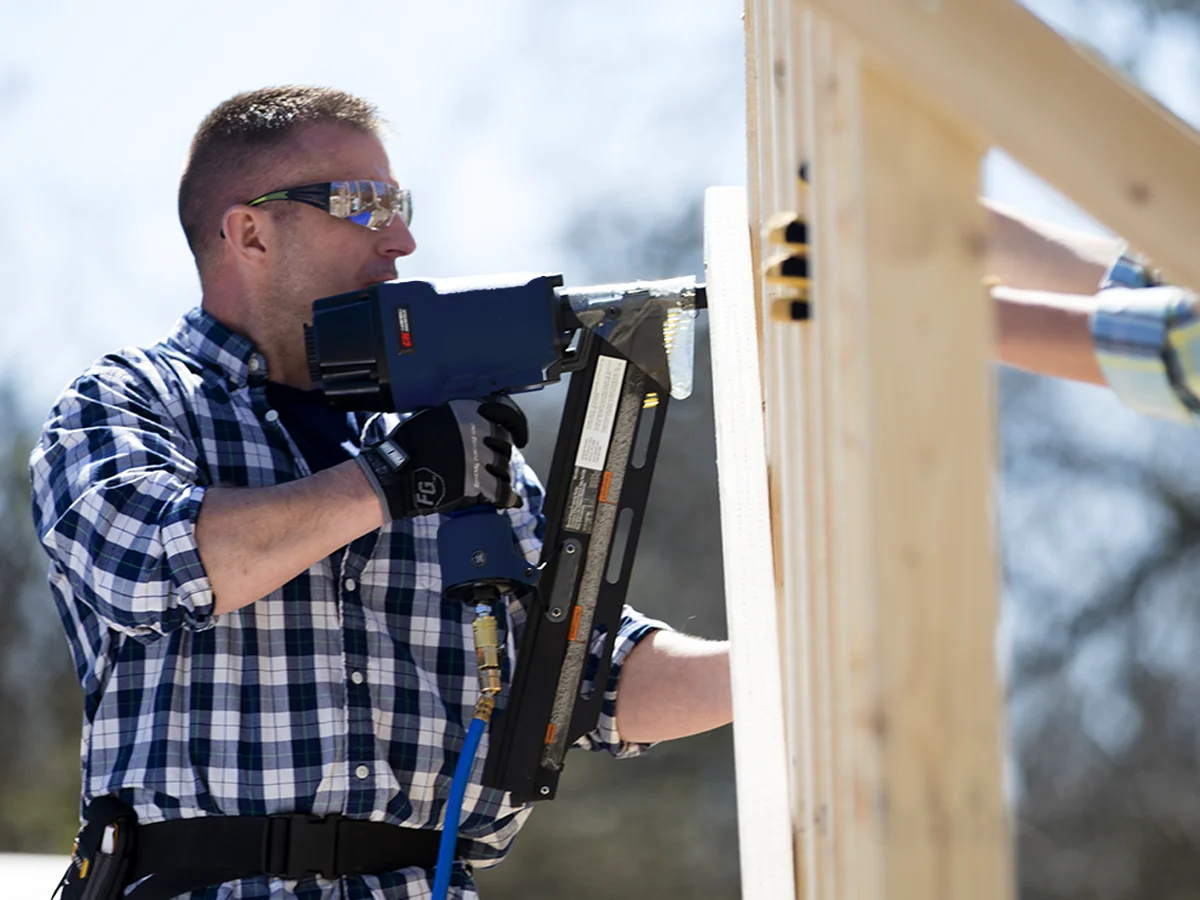
Pneumatic nail guns use compressed air for power. They connect to an air compressor with a hose. These guns offer strong, consistent power for heavy-duty jobs. They work well for framing and large projects. The hose limits movement, so they suit fixed work areas. Pneumatic models tend to be lighter than battery ones. Maintenance includes checking the compressor and air lines.
Corded Electric Options
Corded electric nail guns plug into wall outlets. They provide steady power without the need for air compressors. These guns are good for indoor projects near power sources. They tend to be heavier due to the motor inside. The cord limits mobility but removes the need to recharge or refill air. Corded models require less maintenance than pneumatic ones.
Battery-powered Models
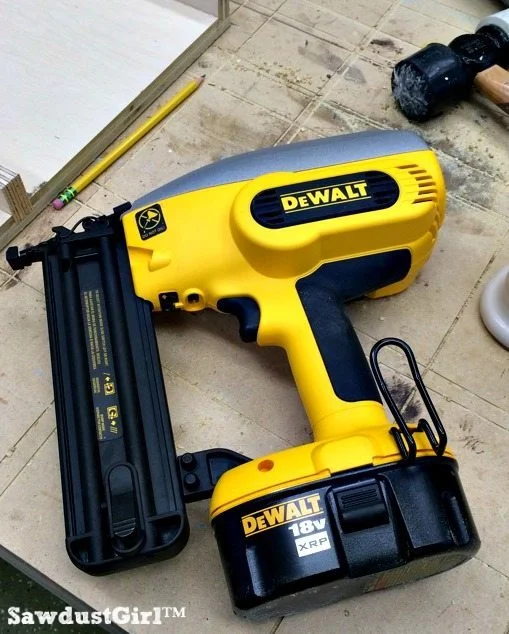
Battery-powered nail guns run on rechargeable batteries. They offer great freedom of movement without cords or hoses. These are ideal for outdoor jobs or places without power or air. Battery life varies but often supports long work sessions. Batteries add weight but modern models balance power and comfort. These guns need battery charging and occasional battery replacement.
Nail Gun Types
Nail guns come in various types designed for specific tasks. Each type fits different nail sizes and project needs. Knowing these types helps pick the right tool fast. The wrong nail gun can slow work or damage materials. Below are the main nail gun types used in woodworking and construction.
Framing Nailers
Framing nailers handle large nails for heavy-duty projects. They join wood frames in walls, decks, and fences. These guns use nails from 2 to 3.5 inches. They deliver strong power to fix thick lumber quickly. Ideal for framing houses or building large structures. They work best with pneumatic or cordless models.
Finish Nailers
Finish nailers drive smaller nails for detailed work. They use nails about 1.25 to 2.5 inches long. Perfect for trim, molding, and cabinetry tasks. Nails leave tiny holes that are easy to fill. They provide smooth results on wood surfaces. Great for indoor projects needing a clean look.
Brad Nailers
Brad nailers shoot very thin nails called brads. These nails are usually 18-gauge and under 2 inches long. Brad nailers work well on delicate wood pieces and trim. They reduce splitting and hold pieces softly. Good for crafts, furniture, and small repairs. They fill in gaps without heavy marks.
Pin Nailers
Pin nailers use ultra-thin 23-gauge nails, almost invisible after finishing. These nails measure around 1 inch or less. Pin nailers secure fine moldings and small wood parts. They offer delicate holding power without splitting wood. Best for precise, light fastening jobs. Ideal for small decorative woodwork.
Credit: www.campbellhausfeld.com
Gauge And Nail Size
Gauge and nail size are key factors when choosing a nail gun. They affect the strength and precision of your work. Using the right gauge and nail size ensures durable and clean results. Different projects call for different sizes. Understanding these basics helps you pick the perfect tool.
Choosing The Right Gauge
The gauge measures the thickness of the nail. Lower gauge means thicker nails and more holding power. Higher gauge nails are thinner and less visible. For heavy-duty framing, use 8 or 10 gauge nails. For finish work like trim, 15 or 16 gauge nails work well. Thin nails like 18 gauge are ideal for delicate tasks. Pick a gauge that matches the material and strength needed.
Matching Nails To Projects
Nail size includes length and type. Longer nails hold thick materials firmly. Short nails suit thin or fragile pieces. Brad nails work well for light trims and small crafts. Finish nails are good for cabinets and molding. Framing nails fit framing and heavy construction. Always check the nail gun’s compatibility with nail size. Matching nails to your project improves efficiency and quality.
Ergonomics And Comfort
Ergonomics and comfort play a big role in choosing a nail gun. A comfortable tool reduces fatigue and boosts accuracy. Working long hours demands a nail gun that feels good in your hands. Proper ergonomics prevent strain and injuries. This section highlights key factors to consider for comfort.
Weight Considerations
Weight affects how long you can use a nail gun without tiring. A heavy nail gun causes arm and shoulder pain fast. Choose a lighter model for overhead or extended use. Balance is important too. A well-balanced nail gun feels lighter and easier to control. Test the weight before buying. Think about the type of projects and how long you will use the tool.
Grip And Handling
The grip must fit your hand well. Soft, rubberized grips add comfort and reduce slippage. A good grip helps you hold the nail gun firmly and safely. Check if the handle is shaped for a natural hold. Controls should be easy to reach without adjusting your grip. Smooth handling allows better precision and speed. Try different models to find the best fit for your hand size and shape.
Safety Features
Safety is a top priority when selecting a nail gun. Proper safety features reduce risks and protect users from accidents. Always check these features before buying.
Safe operation helps prevent injuries and ensures better control. Nail guns with effective safety mechanisms offer peace of mind during use.
Trigger Mechanisms
The trigger type affects both safety and ease of use. Sequential triggers require pressing the safety tip before the trigger. This design reduces accidental firing.
Bump or contact triggers allow faster nailing but increase risk. They fire nails each time the tip touches a surface while the trigger is held. Choose based on your skill level and project needs.
Depth Adjustment
Adjusting nail depth controls how far the nail enters the material. This feature prevents over-driving or damaging the work surface. It also improves nail holding strength.
Look for easy-to-use depth controls. Some models have dials or levers for quick changes. Proper depth adjustment adds safety and precision to your work.
Budget And Brand
Choosing the right nail gun depends heavily on your budget and brand preference. These two factors affect the tool’s durability, performance, and your overall satisfaction. Setting a clear budget helps narrow down options. Picking a trusted brand ensures quality and reliability. Both play a key role in getting the best value for your money.
Cost Vs. Quality
Cheaper nail guns might save money upfront. But they often lack durability and power. A low-cost tool may break or perform poorly. Investing a bit more usually means better materials and longer life. Quality models offer consistent performance and reduce frustration on the job. Balancing cost with quality keeps your project smooth and efficient.
Trusted Manufacturers
Brands with solid reputations build reliable nail guns. They test their products for safety and strength. Trusted manufacturers provide good customer support and warranties. Popular brands often have parts and accessories easily available. Choosing a well-known brand reduces risks of defects or malfunctions. It also gives peace of mind during heavy use.
Maintenance Tips
Proper maintenance keeps your nail gun working well and lasting longer. Regular care prevents breakdowns and ensures safety. Follow simple steps to clean, store, and troubleshoot your tool. This helps maintain its performance and saves money on repairs.
Cleaning And Storage
Clean your nail gun after every use. Remove dust, dirt, and nail debris from the nail chamber. Use a soft brush or compressed air for hard-to-reach places. Wipe the exterior with a dry cloth to avoid moisture damage.
Store the nail gun in a dry, cool place. Avoid leaving it in damp or hot areas. Keep it in its case or on a shelf to protect from drops or bumps. Proper storage prevents rust and other damage.
Troubleshooting Common Issues
Check for jammed nails if the gun stops firing. Turn off the power source before clearing jams. Remove stuck nails carefully to avoid damaging the tool.
Oil the nail gun regularly to keep moving parts smooth. Use the recommended lubricant in the user manual. Tighten loose screws and replace worn parts immediately.
If the nail gun misfires or nails go in crooked, check the depth setting. Adjust it to fit the material thickness. Inspect the air pressure or battery charge to ensure consistent power.
Frequently Asked Questions
What Nail Gun Is Best For Diy?
A brad nailer with 18-gauge nails works best for DIY projects. It offers precision, ease, and suits light to medium tasks. Choose cordless models for convenience and portability.
Is A 30 Degree Nailer Better Than A 21 Degree Nailer?
A 30-degree nailer offers better angled access and fits tighter spaces than a 21-degree nailer. Choose based on your project’s needs.
Is A 16 Or 18-gauge Nail Gun Better?
A 16-gauge nail gun drives thicker nails for stronger hold in heavier trim. An 18-gauge offers finer nails, ideal for delicate finish work. Choose based on project strength and finish needs.
What Is The Difference Between A Brad Nailer And A Framing Nailer?
A brad nailer uses thin 18-gauge nails for delicate trim and small projects. A framing nailer shoots larger nails for heavy construction and framing tasks.
What Type Of Nail Gun Is Best For Beginners?
A brad nailer is ideal for beginners due to its ease of use and versatility.
Conclusion
Choosing the right nail gun makes your work easier and faster. Think about your project type and nail size first. Pick a power source that suits your workspace. Match the gun type to your task for best results. Comfort and ease of use matter a lot too.
With these tips, you can select a nail gun confidently. Your projects will look neat and professional. Take your time and choose wisely. Success comes with the right tools in hand.
{ “@context”: “https://schema.org”, “@type”: “Article”, “headline”: “How to Choose a Nail Gun: Expert Tips for Perfect Picks”, “description”: “How to choose a nail gun involves understanding types, power sources, and nail sizes to select the right tool for specific construction or woodworking tasks.”, “url”: “https://www.powertoolstoday.com/how-to-choose-a-nail-gun/”, “datePublished”: “2025-11-25”, “dateModified”: “2026-03-18”, “author”: { “@type”: “Organization”, “name”: “Power Tools Today”, “url”: “https://www.powertoolstoday.com” }, “publisher”: { “@type”: “Organization”, “name”: “Power Tools Today”, “url”: “https://www.powertoolstoday.com” }, “mainEntityOfPage”: { “@type”: “WebPage”, “@id”: “https://www.powertoolstoday.com/how-to-choose-a-nail-gun/” }, “image”: { “@type”: “ImageObject”, “url”: “https://www.powertoolstoday.com/wp-content/uploads/2025/11/how-to-choose-a-nail-gun.webp” } }nn