
Last Updated: March 21, 2026
Is your driveway looking dull, stained, or just plain dirty? You’re not alone, and the good news is that pressure washing can bring it back to life quickly and effectively.
But how do you pressure wash a driveway the right way without causing damage or wasting time? In this guide, you’ll learn simple, step-by-step tips to make your driveway sparkle like new. From choosing the right cleaning solution to mastering the pressure washer technique, you’ll discover everything you need to get the job done efficiently.
Ready to transform your driveway and boost your home’s curb appeal? Keep reading and let’s get started!
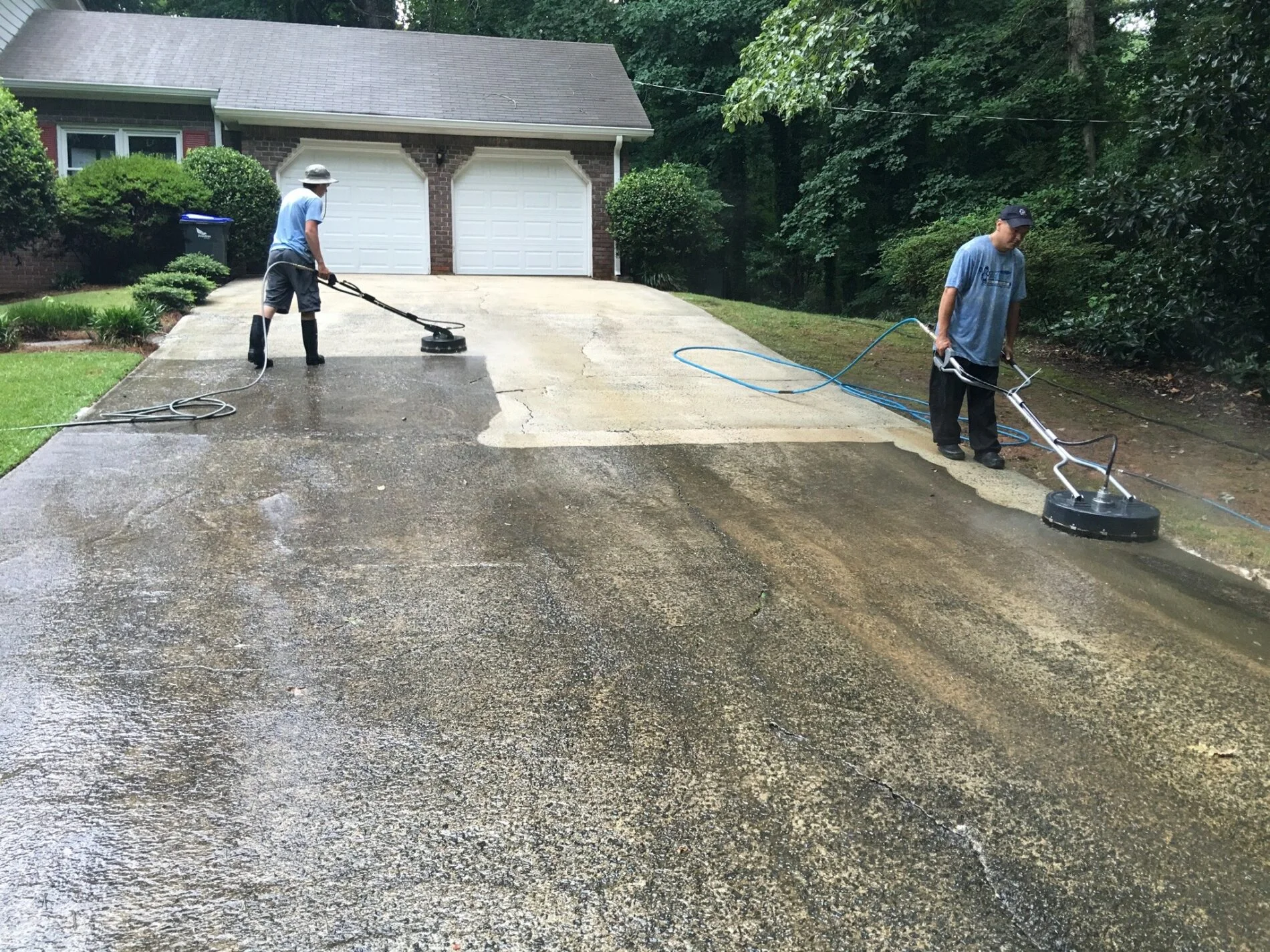
Credit: www.pinkprowash.com
Choosing The Right Pressure Washer
Choosing the right pressure washer is key for a clean driveway. The right tool saves time and protects your surface. Not all pressure washers work the same. Some are too weak, others too strong. Picking the right one keeps your driveway safe and spotless.
Gas Vs Electric Pressure Washers
Gas pressure washers deliver more power. They work well on tough stains and large driveways. Electric washers are lighter and quieter. They suit small to medium driveways and light cleaning jobs.
Psi And Gpm Ratings
PSI means pounds per square inch. It shows the water pressure force. Higher PSI cleans tough dirt faster. GPM means gallons per minute. It shows water flow rate. More GPM means quicker rinsing and cleaning.
Nozzle Types And Spray Patterns
Nozzles control spray shape and power. A 25-degree nozzle covers more area gently. A 0-degree nozzle delivers a strong, focused stream. Use wider nozzles for general cleaning. Use narrow nozzles for stubborn stains.
Portability And Ease Of Use
Check weight and size before buying. Lighter models are easier to move. Larger models may have wheels for easy transport. Choose one that feels comfortable and easy to handle. This reduces fatigue and improves control.
Additional Features To Consider
Look for adjustable pressure settings. Some models have detergent tanks. These help apply cleaning solutions quickly. A long hose and power cord add convenience. These features make cleaning faster and simpler.
Preparing The Driveway Surface
Preparing the driveway surface is a key step before pressure washing. It ensures better cleaning results and protects your driveway. Proper preparation removes loose dirt and debris. It also helps to identify stains and spots that need special attention.
Start with a clear and tidy area. Remove all items like cars, trash cans, and garden tools. Sweep the driveway well to get rid of dust, leaves, and small stones. This prevents scratches and damage during washing.
Remove Loose Debris
Sweep the driveway with a stiff broom. Focus on corners and edges where debris collects. Clear away leaves, twigs, and dirt clumps. This step stops the pressure washer from pushing debris around.
Pre-treat Stains And Spots
Apply a cleaning solution to oil stains and grime. Use dish soap mixed with water for general dirt. A degreaser works well on oil and grease spots. For mold or algae, spray a diluted bleach solution carefully.
Protect Surrounding Areas
Cover plants and grass near the driveway with plastic sheets. Bleach and strong cleaners can harm them. Move lightweight objects away to avoid damage from the pressure spray.
Selecting Effective Cleaning Solutions
Selecting the right cleaning solution is key to a successful driveway pressure wash. The right product helps break down dirt, grease, and stains quickly. It also protects your driveway surface and nearby plants. Understanding different cleaners makes the job easier and more effective.
Choosing A General-purpose Cleaner
A simple mix of dish soap and water works well for light dirt and grime. It is gentle and safe for most surfaces. This solution loosens dirt so the pressure washer can remove it easily. It is also affordable and easy to prepare.
Using A Dedicated Driveway Cleaner
Commercial driveway cleaners target tough stains like oil and mud. These products contain ingredients designed for concrete and asphalt. They often work faster than homemade solutions. Always follow the label instructions for the best results.
Applying Degreasers For Oil Stains
Oil spots need a degreaser to break down the grease. Apply it directly to the stain before pressure washing. Degreasers make it easier to lift oil from the driveway surface. Use a product made for outdoor use to avoid damage.
Natural Cleaning With Diluted Vinegar
Diluted vinegar offers a mild but effective cleaning option. It helps remove dirt and some stains without harsh chemicals. This is a good choice for eco-friendly cleaning. Mix vinegar with water in equal parts before use.
Handling Tough Organic Stains With Bleach
Bleach solutions kill mold, algae, and mildew on driveways. Dilute bleach with water to avoid surface damage. Spray carefully to protect nearby plants and grass. Rinse the driveway well after treatment to remove residue.
Applying Cleaners And Pre-treatment Tips
Applying cleaners and pre-treating your driveway is a key step before pressure washing. This step helps break down dirt, oil, and stains. It makes the cleaning process more effective and saves time. Using the right cleaner and applying it properly ensures a better result.
Some cleaners work better on certain stains. For example, oil stains need a degreaser, while mold may require a bleach solution. Knowing how to use these cleaners safely protects your driveway and plants around it.
Choosing The Right Cleaner For Your Driveway
Select a cleaner based on the type of dirt and stains. Dish soap mixed with water works for general grime. A commercial driveway cleaner is good for heavy dirt. Use a degreaser on oil and grease spots. For mold or algae, a diluted bleach solution is effective but should be used carefully.
How To Apply Cleaners Safely
Spray the cleaner evenly across the driveway. Use a pump sprayer or a garden sprayer for best results. Let the cleaner sit for 5 to 10 minutes. Avoid letting it dry completely to prevent residue. Rinse plants and grass near the driveway with water before applying bleach solutions to protect them.
Pre-treatment Tips For Better Cleaning
Remove loose debris from the driveway before applying cleaners. Sweep or blow away leaves and dirt. Test the cleaner on a small area to check for damage. Use gloves and eye protection when handling chemicals. Work in shaded areas to keep cleaners from drying too fast.
Pressure Washing Techniques
Pressure washing a driveway requires the right methods for effective cleaning. Using proper techniques saves time and avoids damage. This section explains key pressure washing techniques to achieve a clean driveway.
Following these methods helps remove dirt, stains, and grime. It also protects the driveway surface and nearby plants. Each step focuses on safety and efficiency.
Choosing The Right Pressure Washer Nozzle
Select a nozzle with the correct spray angle. A 25-degree nozzle works well for general cleaning. For tough stains, use a 15-degree nozzle carefully. Avoid narrow angles like 0-degree to prevent surface damage.
Test the nozzle on a small area first. This prevents unwanted marks or scratches on the driveway.
Maintaining A Safe Distance
Keep the nozzle 12 to 18 inches from the surface. Holding it too close can cause pitting or etching on concrete. Too far reduces cleaning power.
Move the nozzle steadily and evenly. Avoid staying too long in one spot to prevent damage.
Using A Consistent Washing Pattern
Wash in straight, overlapping lines. Start from one edge and move across the driveway. This ensures full coverage and prevents streaks.
Work in sections for large driveways. This keeps the cleaning process organized and thorough.
Applying Cleaning Solutions Properly
Apply detergent before pressure washing. Let the cleaner sit for 5 to 10 minutes. It loosens dirt and stains but avoid letting it dry.
Use a low-pressure setting to spray the detergent. Rinse with high pressure after the solution has worked.
For oil or grease, apply a degreaser first. Let it soak to break down the stain. Use the pressure washer to rinse away the residue.
For mold or algae, a diluted bleach solution helps. Use caution and protect plants nearby by covering them.
Handling Tough Stains
Handling tough stains on your driveway can be challenging. These stains often come from oil, grease, rust, or mold. They stick deep into the surface. Simple pressure washing might not remove them completely. Using the right methods helps to break down and lift these stubborn marks. This section explains how to handle tough stains effectively.
Identify The Type Of Stain
First, look closely at the stain. Oil and grease stains are dark and shiny. Rust stains have a reddish-brown color. Mold and algae appear green or black. Knowing the stain type helps choose the correct cleaner and method. Treat each stain with a specific solution for better results.
Pre-treat Stains With Cleaning Solutions
Apply a cleaner before pressure washing. Use a degreaser for oil and grease stains. Spray a rust remover on rust spots. For mold or algae, use a diluted bleach solution. Let the cleaner sit for 10 to 15 minutes. This softens the stain and makes washing easier. Avoid letting bleach touch plants or grass nearby.
Use The Right Pressure Washer Nozzle
Select a nozzle that fits the stain type. A 25-degree nozzle works well for most stains. For very tough spots, use a 15-degree nozzle carefully. Keep the nozzle at least 12 inches from the surface. Spray evenly to avoid damage. Move the wand in a steady side-to-side motion.
Repeat Treatment If Needed
Some stains need more than one cleaning session. After the first wash, check the driveway. If stains remain, apply cleaner again. Wait a few minutes before pressure washing. Repeat until the stain fades. Patience is key to fully removing tough stains.
Protecting Surroundings And Safety
Protecting your surroundings and ensuring safety are crucial steps when pressure washing a driveway. This process uses high water pressure that can cause damage or injury if not handled carefully. Taking precautions prevents harm to plants, surfaces, and people nearby.
Preparation is key. Cover delicate plants with plastic sheets or tarps. Move outdoor furniture and vehicles away from the work area. Protect windows and walls from water spray to avoid damage. Stay aware of your environment throughout the job.
Wear Proper Safety Gear
Always wear safety goggles to protect your eyes from debris. Use gloves to shield your hands from chemicals and water pressure. Non-slip boots help prevent falls on wet surfaces. Consider ear protection if your pressure washer is loud.
Check The Area For Hazards
Remove loose items like stones, toys, or tools from the driveway. Watch out for electrical outlets or cords that could get wet. Be careful around uneven ground or cracks that might cause trips. Clear the space to work safely and efficiently.
Use The Right Pressure Settings
Set the pressure washer to a level suitable for your driveway material. Too much pressure can damage concrete or asphalt. Start with a low setting and increase only if needed. This approach protects the surface and prevents accidents.
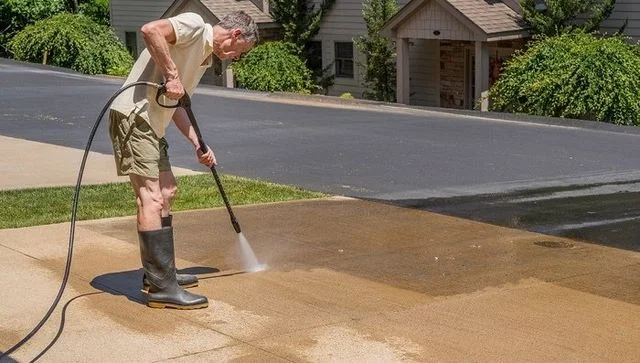
Credit: www.rtsconstructioncompany.com
Post-washing Care And Maintenance
After pressure washing your driveway, proper care helps keep it clean longer. Post-washing maintenance protects the surface and prevents damage. A clean driveway looks great and stays durable with simple steps. Follow these tips to maintain your driveway’s fresh appearance and extend its lifespan.
Allow The Driveway To Dry Completely
Let your driveway dry fully before using it. Wet surfaces can be slippery and attract dirt faster. Avoid parking cars or placing heavy objects on the driveway until it dries. Drying time depends on weather, usually a few hours to a day.
Inspect For Damage Or Cracks
Check your driveway for cracks or chips after washing. Pressure washing can reveal hidden damage. Small cracks can grow if left untreated. Repair any damage quickly to prevent weeds or water from worsening the problem.
Apply A Sealer For Protection
Consider applying a driveway sealer after it dries. Sealers protect against stains, weather, and wear. Choose a sealer suitable for your driveway material, like concrete or asphalt. Follow the product instructions for best results.
Regularly Remove Debris And Stains
Keep your driveway clear of leaves, dirt, and spills. Sweep or blow debris regularly to avoid stains and buildup. Clean oil or grease spots quickly with a degreaser or soap. This helps maintain a clean and safe surface.
Schedule Routine Pressure Washing
Pressure wash your driveway every 6 to 12 months. Regular cleaning prevents dirt and stains from becoming tough. Frequent washing keeps your driveway looking fresh and extends its life. Adjust frequency based on local weather and use.
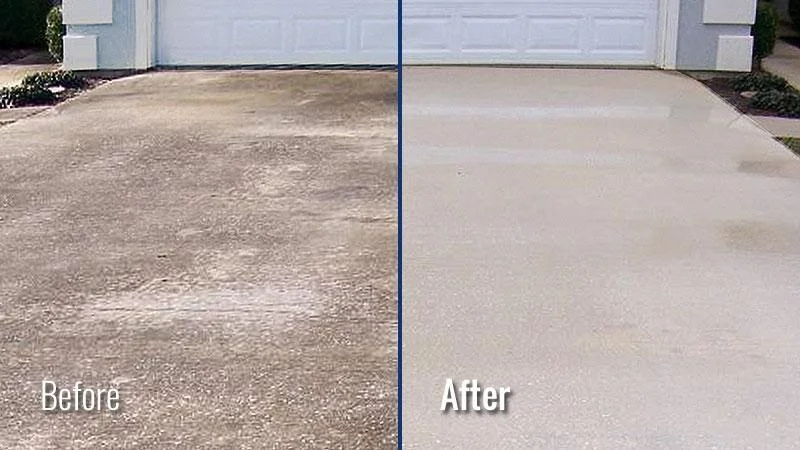
Credit: homebusinessmag.com
Frequently Asked Questions
What Do You Spray On A Driveway Before Pressure Washing?
Spray a dedicated driveway cleaner, dish soap mixed with water, diluted vinegar, or a degreaser before pressure washing. Use diluted bleach for mold or algae stains, avoiding plants. Allow the solution to sit, then scrub stubborn spots before rinsing with the pressure washer.
What Is The Best Way To Power Wash A Driveway?
Spray a driveway cleaner or degreaser on stains. Let it sit for minutes. Scrub tough spots. Use a pressure washer to rinse thoroughly. Avoid plants and delicate surfaces.
How Much Psi Do You Need To Pressure Wash Driveways?
Use a pressure washer with 2,500 to 3,000 PSI to effectively clean driveways without damage.
What Equipment Do I Need For Pressure Washing Driveways?
You need a pressure washer with 3000+ PSI, a surface cleaner attachment, protective gear, and driveway cleaning solutions for best results.
What Pressure Washer Settings Clean Driveways Best?
Use a medium pressure setting around 2000-3000 PSI for effective cleaning without damage.
Conclusion
Pressure washing your driveway keeps it clean and extends its life. Use the right cleaner and tools for best results. Take your time to remove tough stains carefully. Always protect nearby plants and surfaces during cleaning. A clean driveway improves your home’s appearance instantly.
Regular washing prevents buildup and costly repairs later. Try these steps to maintain a fresh, inviting driveway easily.
{ “@context”: “https://schema.org”, “@type”: “Article”, “headline”: “How to Pressure Wash a Driveway: Expert Tips for Sparkling Clean”, “description”: “Learn how to pressure wash a driveway by using high-pressure water to remove dirt, stains, and debris, restoring its clean and smooth surface effectively.”, “url”: “https://www.powertoolstoday.com/how-to-pressure-wash-a-driveway/”, “datePublished”: “2025-11-28”, “dateModified”: “2026-03-18”, “author”: { “@type”: “Organization”, “name”: “Power Tools Today”, “url”: “https://www.powertoolstoday.com” }, “publisher”: { “@type”: “Organization”, “name”: “Power Tools Today”, “url”: “https://www.powertoolstoday.com” }, “mainEntityOfPage”: { “@type”: “WebPage”, “@id”: “https://www.powertoolstoday.com/how-to-pressure-wash-a-driveway/” }, “image”: { “@type”: “ImageObject”, “url”: “https://www.powertoolstoday.com/wp-content/uploads/2025/11/how-to-pressure-wash-a-driveway.webp” } }nnnn