
If you want your garden to thrive, using a garden sprayer is one of the smartest moves you can make. But if you’re unsure how to use one properly, don’t worry—you’re in the right place.
Imagine quickly and evenly applying fertilizers, pesticides, or water to your plants without wasting time or effort. When you know the right steps, your garden sprayer becomes a powerful tool that saves you work and boosts your garden’s health. Ready to learn how to use a garden sprayer like a pro?
Keep reading, and you’ll discover simple tips and tricks that make every spray count.
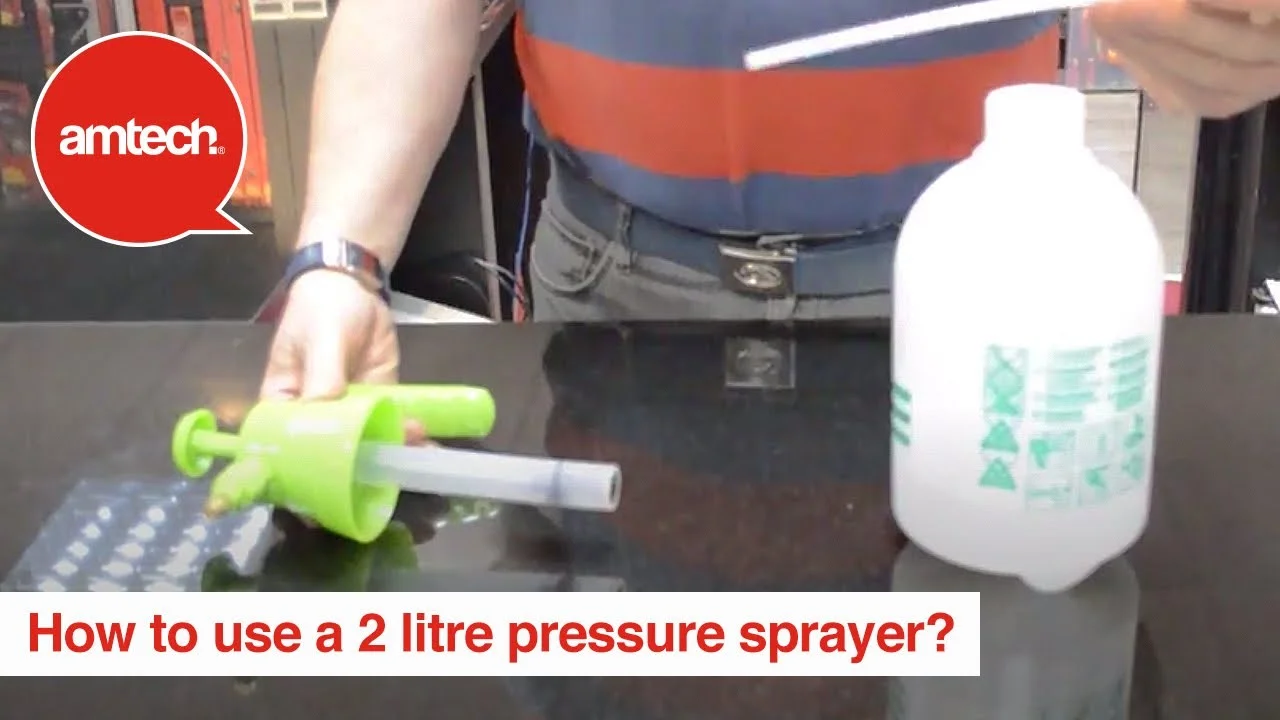
Credit: www.youtube.com
Choosing The Right Sprayer
Choosing the right garden sprayer is key for healthy plants and easy work. The right sprayer saves time and helps apply liquids evenly. Understanding the options helps you pick the best tool for your garden size and needs.
Different sprayers suit different tasks. Knowing what each type offers makes a big difference. Also, some features improve comfort and safety while spraying.
Types Of Garden Sprayers
Handheld sprayers are small and simple. They work well for small gardens or spot treatments. Pump sprayers have a tank and a pump to build pressure. These are good for medium-sized gardens and allow a steady spray. Backpack sprayers carry the tank on your back. They suit large gardens or lawns. Hose-end sprayers attach to a garden hose. They mix chemicals automatically and cover large areas quickly.
Factors To Consider
Think about garden size first. Small gardens need smaller, lighter sprayers. Large gardens need sprayers with bigger tanks or hose attachments. Check the spray pattern and range. Adjustable nozzles help target plants precisely. Also, consider ease of use. Comfortable handles and straps reduce fatigue. Materials matter too. Plastic tanks resist rust, while metal parts add durability. Safety features like pressure relief valves protect you during use. Lastly, think about cleaning and storage. Some sprayers are easier to clean and store than others.
Preparing Your Sprayer
Preparing your garden sprayer is the first step to effective spraying. Proper preparation ensures the sprayer works well and lasts long. It also helps you apply solutions evenly and safely. Start by getting your sprayer clean and ready for the right solution. This saves time and prevents clogs or damage.
Cleaning Before Use
Always clean your sprayer before each use. Rinse the tank with water to remove old residues. Use a brush to scrub the inside if needed. Check the nozzle and hose for blockages or dirt. Clean parts help the sprayer work smoothly. This step prevents unwanted chemicals mixing in your new solution.
Filling With Solution
Fill the sprayer with the correct solution carefully. Use the recommended amount of chemical and water. Avoid overfilling the tank to prevent spills. Mix the solution well by shaking or stirring gently. Tighten the lid to stop leaks. Proper filling keeps your plants safe and gets the best results.
Mixing Chemicals Safely
Mixing chemicals safely is crucial for effective and safe garden spraying. Incorrect mixing can harm plants, people, and the environment. Proper steps reduce risks and ensure the sprayer works well. Follow these simple guidelines every time you prepare your solution.
Measuring Ingredients
Use the exact amount of chemical as the label says. Too much can damage plants and cause pollution. Too little may not control pests or weeds properly. Use a clean measuring cup or device made for chemicals. Measure carefully and add chemicals to water, not the other way around. Stir gently to mix well without splashing.
Using Protective Gear
Always wear protective gear before mixing chemicals. Use gloves to protect your hands from harmful substances. Wear safety glasses to shield your eyes from splashes. A mask helps avoid breathing in fumes or spray mist. Long sleeves and pants protect your skin. Keep your face away from the sprayer opening while mixing. Change or wash gear after use to avoid contamination.
Operating The Sprayer
Operating a garden sprayer correctly ensures even coverage and protects your plants. It involves preparing the sprayer, building pressure, and choosing the right spray pattern. Proper operation saves time and delivers better results. Follow simple steps to handle your sprayer with confidence and care.
Priming And Pressurizing
Start by filling the tank with the correct mixture of water and solution. Close the lid tightly to avoid leaks. Pump the handle up and down to build pressure inside. Pump slowly and steadily until you feel resistance. This pressure forces the liquid out when you press the trigger. Do not over-pump to avoid damaging the sprayer.
Adjusting Spray Patterns
Most sprayers have adjustable nozzles for different spray types. Turn the nozzle clockwise for a fine mist. Turn it counterclockwise for a stronger stream. Use mist for delicate plants or wide coverage. Use a stream for targeted spraying on tough spots. Test the spray pattern before starting to make sure it suits your needs.
Spraying Techniques
Proper spraying techniques ensure your garden sprayer works efficiently. Good technique helps cover plants evenly and protects the environment. Spraying at the right time and in the right way improves results. Here are key tips to help you spray like a pro.
Coverage Tips
Hold the sprayer nozzle close to the plants, about 12 inches away. Move the wand slowly and steadily to cover all leaves. Spray both the top and underside of leaves for best effect. Avoid spraying too much in one spot to prevent runoff. Use overlapping strokes to avoid missed patches. Adjust the nozzle for a fine mist or a steady stream depending on the job.
Avoiding Drift
Spray only on calm days with little or no wind. Spray early in the morning or late in the evening when temperatures are cooler. Avoid spraying near water sources to protect wildlife. Use low pressure to reduce the chance of spray drifting away. Keep the nozzle pointed downward and close to plants. Check the weather forecast before spraying to avoid rain wash-off.
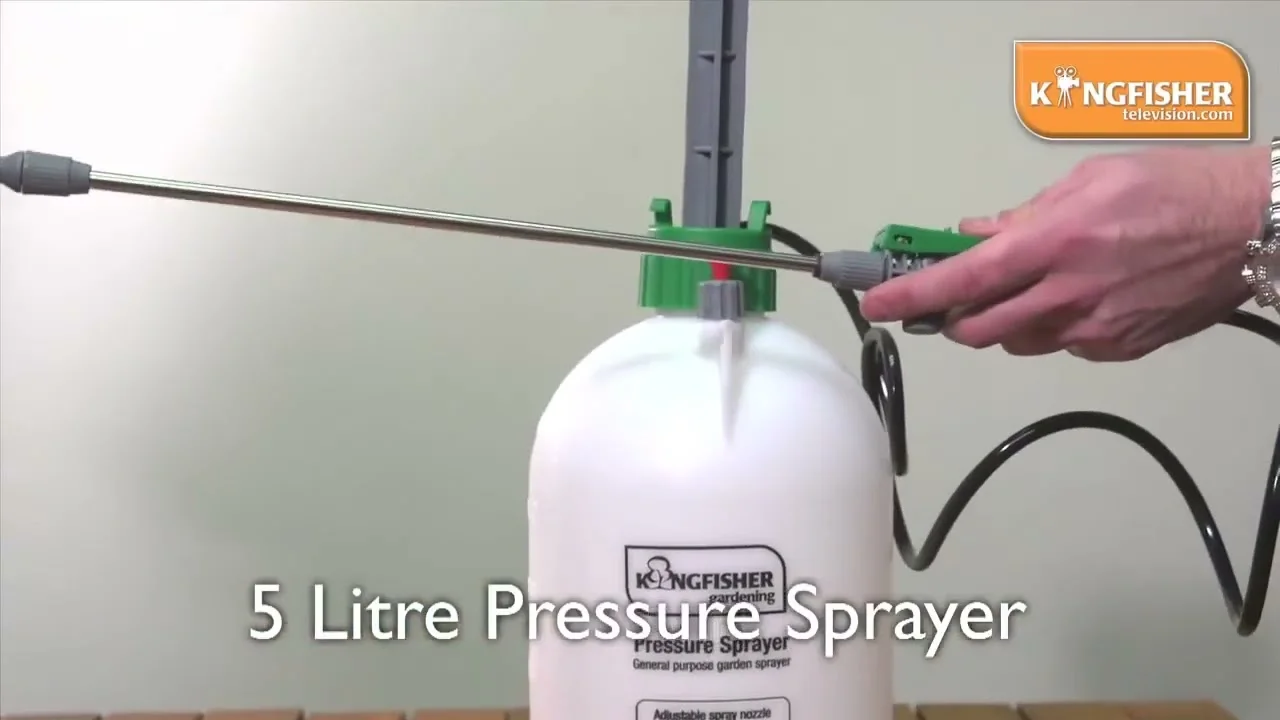
Credit: www.youtube.com
Cleaning After Use
Cleaning your garden sprayer after each use keeps it working well. Proper cleaning stops clogs and damage. It also makes the sprayer safe for next time.
Flushing The System
First, empty any leftover liquid from the tank. Fill the tank with clean water. Pump and spray the water through the nozzle. This flushes out any chemicals inside. Repeat until the water runs clear.
Storing The Sprayer
After flushing, remove the tank lid and let the sprayer dry. Store it in a cool, dry place away from sunlight. Keep the nozzle and seals clean and dry. This prevents rust and damage. Check the sprayer before the next use for any needed repairs.
Troubleshooting Common Issues
Troubleshooting common issues with your garden sprayer helps keep your plants healthy. Problems like low pressure or clogged nozzles can stop the sprayer from working well. Fixing these issues quickly saves time and effort. Here are simple steps to solve these common problems and get your garden sprayer running smoothly again.
Pressure Problems
Low or no pressure stops the sprayer from spraying properly. Check the pump handle and make sure it moves freely. If the handle is stiff, clean and lubricate it. Also, inspect the seals and gaskets for damage or wear. Replace any broken parts to restore pressure. Make sure the tank is closed tightly to keep the pressure inside. Pump the handle several times to build up pressure before spraying.
Clogged Nozzles
Nozzles often clog from dirt or leftover chemicals. Remove the nozzle tip carefully. Soak it in warm water to loosen debris. Use a soft brush or a toothpick to clear any blockage. Do not use sharp tools that can damage the nozzle. Rinse the nozzle well before reattaching it. Clean nozzles help spray evenly and prevent uneven coverage on plants.
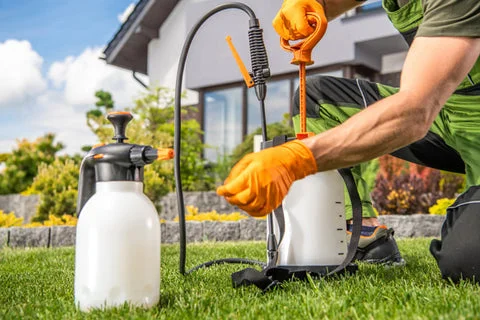
Credit: www.rockymountainbioag.com
Maintaining Your Sprayer
Maintaining your garden sprayer ensures it works well every time. Proper care prevents leaks and clogs. It also extends the sprayer’s life. Regular upkeep saves money and effort in the long run.
Regular Inspections
Check your sprayer before and after each use. Look for cracks, leaks, or worn parts. Inspect the nozzle for blockages or damage. Tighten any loose fittings to avoid leaks. Clean the tank and hose to prevent buildup. Regular checks keep your sprayer safe and efficient.
Replacing Parts
Replace worn or broken parts promptly. Common parts to replace include nozzles, seals, and hoses. Use parts recommended by the sprayer’s manufacturer. This keeps the sprayer working properly and avoids damage. Keep spare parts handy for quick repairs. Regular part replacement helps maintain strong spraying performance.
Frequently Asked Questions
How To Use A Sprayer Step By Step?
Remove the lid and fill the sprayer with the solution and water. Secure the lid tightly. Pump to build pressure. Aim the nozzle at the target area. Press the trigger to spray evenly. Release pressure after use and clean the sprayer.
Store in a cool, dry place.
How To Use A Garden Pressure Sprayer?
Fill the tank with water and the desired solution. Secure the lid tightly. Pump to build pressure. Aim the nozzle at plants. Squeeze the trigger to spray evenly. Release pressure after use and clean the sprayer. Store in a cool, dry place.
What Do You Use A Garden Sprayer For?
A garden sprayer applies water, fertilizers, pesticides, and herbicides evenly to plants. It helps protect and nourish your garden efficiently.
How Does A Pump Garden Sprayer Work?
A pump garden sprayer pressurizes liquid inside the tank by pumping air. Pressing the trigger releases a controlled spray through the nozzle. This helps evenly apply water, fertilizers, or pesticides to plants.
What Is A Garden Sprayer Used For?
A garden sprayer applies water, fertilizers, or pesticides evenly on plants and soil.
Conclusion
Using a garden sprayer makes plant care easier and more efficient. Always prepare the sprayer carefully and follow safety steps. Spray evenly to cover all plants well. Clean the sprayer after each use to keep it working longer. With practice, you will spray quickly and accurately.
Enjoy healthier plants and a better garden with regular spraying. Keep your garden tools ready and your plants will thrive. Simple steps bring great results in garden care.