
Keeping your kitchen drain clean is about more than just avoiding bad smells. A blocked drain can cause water to back up, slow down your daily kitchen routine, and even lead to expensive plumbing repairs. With regular cleaning, you prevent buildup and keep things running smoothly.
But how do you do it right? This guide covers everything you need to know—tools, techniques, and tips—to clean your kitchen drain like a pro.
Why Kitchen Drains Get Clogged
Kitchen drains are under attack every day. Food scraps, grease, soap, and even coffee grounds go down the sink. Over time, these materials build up inside the pipes. The most common causes of clogs are:
- Grease and oil: These cool and stick to pipe walls.
- Food particles: Small bits get stuck and collect.
- Soap scum: Soap combines with minerals and creates a sticky film.
- Coffee grounds and tea leaves: They don’t break down easily and add to the mess.
Many people do not realize that even tiny amounts of oil poured down the drain can cause big problems over time. Also, using hot water to wash down grease only pushes it farther down, where it cools and hardens.
Signs Your Kitchen Drain Needs Cleaning
Sometimes, a clog builds up slowly. Watch for these signs that your drain needs attention:
- Water drains slowly or pools around the drain.
- You smell a foul odor coming from the sink.
- Gurgling or bubbling sounds when water drains.
- Fruit flies or gnats gathering near the sink.
If you notice any of these, it’s time to act before the problem gets worse.
Credit: www.edsheatingandcooling.com
Essential Tools And Supplies
You don’t need fancy equipment to clean your kitchen drain effectively. Here are the most useful items:
- Plunger: For simple clogs.
- Drain snake or auger: For tougher blockages. For pressure-based clearing, see how to use a drain bladder.
- Bucket and old towels: To catch spills.
- Rubber gloves: Protect your hands.
- Baking soda and vinegar: Natural cleaning combo.
- Boiling water: Helps break down grease.
- Dish soap: Cuts through oily buildup.
- Pipe brush: For scrubbing inside the drain.
It’s smart to keep these tools handy. Having what you need nearby can prevent a small clog from turning into a big mess.
Step-by-step Kitchen Drain Cleaning Methods
There are several ways to clean your kitchen drain. Some methods are quick and easy for regular maintenance, while others are better for stubborn clogs.
1. Boiling Water Flush
The easiest way to prevent grease buildup is with hot water.
- Boil about 2 liters of water.
- Slowly pour it down the drain in two or three stages.
- Wait a few seconds between each pour.
This method helps melt and move grease before it hardens. It’s best for maintenance, not serious clogs.
2. Baking Soda And Vinegar
This classic combo works for mild blockages and odors.
- Pour 1/2 cup of baking soda into the drain.
- Follow with 1 cup of white vinegar.
- Let the mixture fizz and work for 15 minutes.
- Flush with boiling water.
This reaction breaks down grime and neutralizes smells. It’s safe for most pipes and eco-friendly.
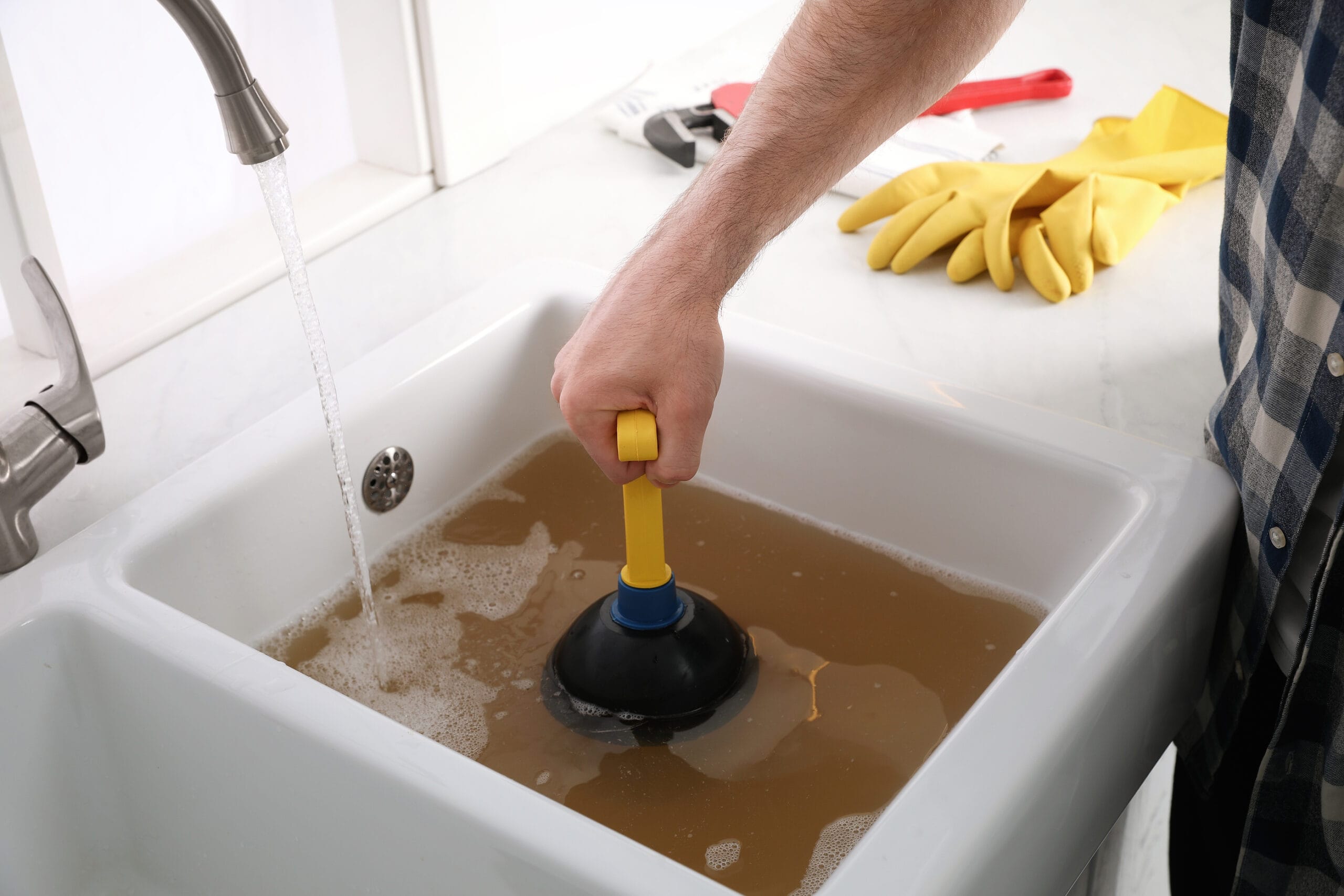
3. Plunger
A plunger can clear clogs caused by food or soap scum.
- Fill the sink with enough water to cover the plunger cup.
- Place the plunger over the drain and press down firmly.
- Pump up and down quickly for 15-20 seconds.
- Remove the plunger and see if water drains away.
Repeat if needed, but don’t use too much force—you could damage pipes.
4. Manual Removal
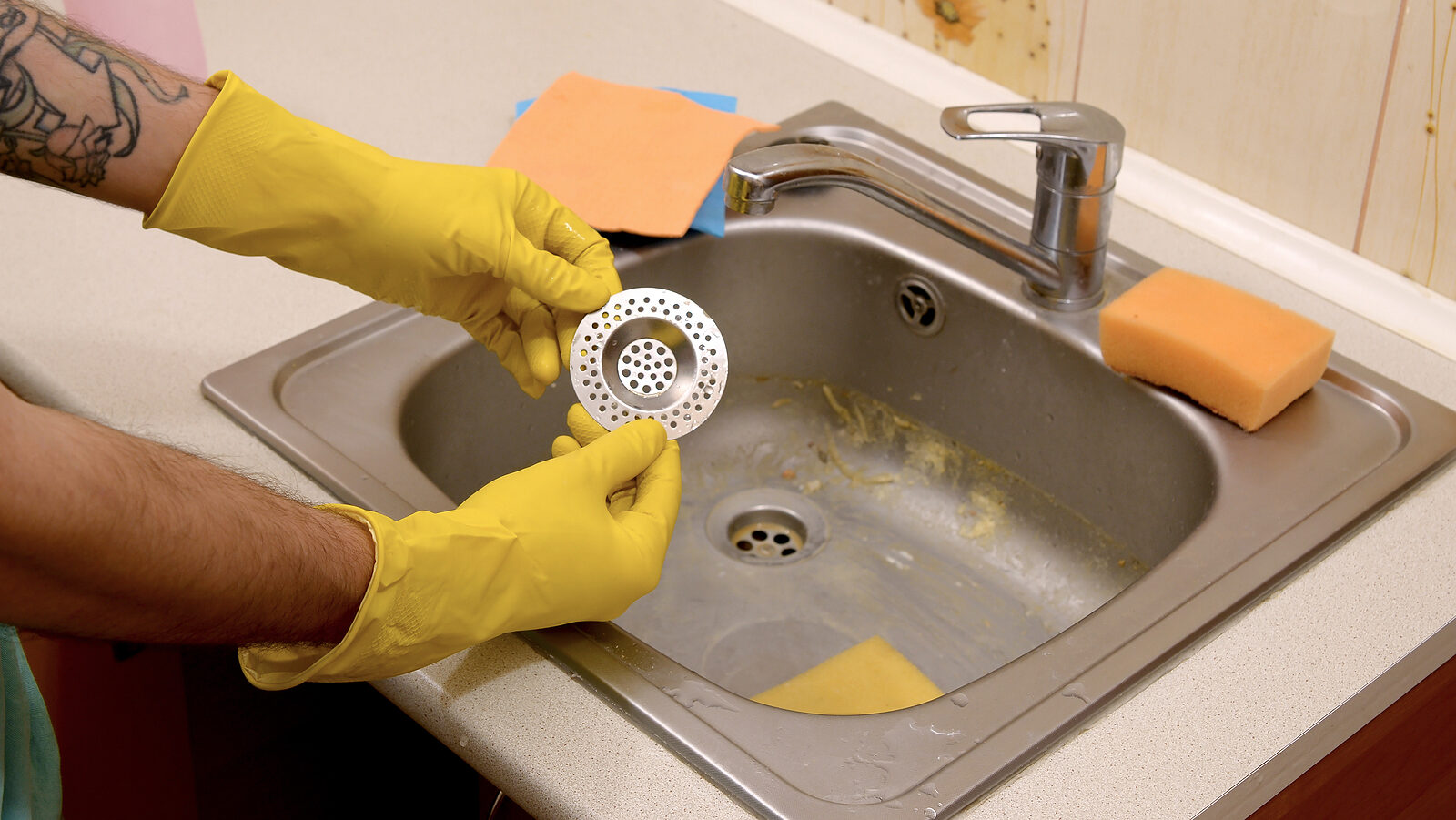
Sometimes, you need to remove and clean the trap (the curved pipe under the sink).
- Place a bucket under the trap to catch water.
- Unscrew the connectors and remove the trap.
- Clean out debris with a pipe brush and rinse.
- Reattach the trap and check for leaks.
This method is especially helpful if you drop something down the drain.
5. Drain Snake Or Auger
A drain snake reaches deep clogs.
- Insert the snake into the drain and push until you feel resistance.
- Turn the handle to break up or grab the clog.
- Pull the snake out, clean it, and run water to test flow.
It’s important to use gentle turns to avoid damaging pipes.
6. Enzyme Cleaners
Enzyme-based products break down organic buildup safely.
- Pour according to package directions.
- Let sit overnight if possible.
- Flush with hot water.
Enzyme cleaners are a good choice for regular maintenance.
Credit: blockbusters.co.uk
Comparing Cleaning Methods
Different cleaning methods work better for certain problems. Here’s how they stack up:
| Method | Best For | Safe for Pipes | Ease of Use |
|---|---|---|---|
| Boiling Water | Light grease, maintenance | Yes | Very easy |
| Baking Soda & Vinegar | Odors, mild clogs | Yes | Easy |
| Plunger | Food & soap clogs | Yes | Moderate |
| Drain Snake | Deep/solid clogs | Yes | Moderate |
| Enzyme Cleaner | Organic buildup | Yes | Easy |
How Often Should You Clean Your Kitchen Drain?
Regular cleaning prevents clogs. For most households:
- Once a week: Flush with boiling water.
- Once a month: Use baking soda and vinegar.
- Every 3-6 months: Remove and clean the trap.
If you cook often or have a large family, you may need to clean more often. One insight many beginners miss is that frequent small cleanings save you from bigger problems later.
What To Avoid Putting Down The Drain
Not everything can go down your kitchen sink. These items are common causes of blockages:
- Grease or cooking oil: Pour into a container and throw away.
- Coffee grounds: Compost them or put in the trash.
- Eggshells: The membrane sticks to pipes.
- Stringy vegetables (celery, onion skins): They wrap around parts and clog.
- Rice and pasta: They swell with water and cause jams.
Even if you have a garbage disposal, these rules apply. Garbage disposals break up solids, but can’t prevent sticky buildup.
When To Call A Professional Plumber
Most clogs can be handled at home. But if you notice these problems, it’s time for expert help:
- Water backs up into other drains.
- Repeated clogs after cleaning.
- Bad smells that don’t go away.
- Leaks under the sink after cleaning — you may need to learn how to seal pipe joints.
A licensed plumber can check for deeper issues or pipe damage. According to Family Handyman, professional tools can clear blockages that home methods can’t reach.
Preventing Kitchen Drain Clogs
Prevention is easier than fixing a clog. Here’s how you can keep your drain clear:
- Scrape plates and pans into the trash before washing.
- Use a sink strainer to catch food particles.
- Run hot water after each use to help clear grease.
- Clean the drain with baking soda and vinegar monthly.
- Avoid chemical drain cleaners—they can damage pipes.
One advanced tip: If your area has hard water, mineral deposits can build up. Consider installing a water softener or clean pipes more often.
Comparing Chemical Vs. Natural Cleaners
Many people reach for chemical drain cleaners. But these products can damage pipes over time and harm the environment. Natural methods are safer and work well for most problems.
| Cleaner Type | Effectiveness | Safety | Cost |
|---|---|---|---|
| Chemical Cleaner | Fast, strong | May damage pipes | High |
| Baking Soda & Vinegar | Good for mild problems | Very safe | Low |
| Enzyme Cleaner | Slow, but effective | Very safe | Medium |
Credit: blockbusters.co.uk
Common Mistakes To Avoid
Many homeowners make simple mistakes when cleaning drains:
- Using boiling water on plastic pipes—let it cool a bit first.
- Mixing chemical and natural cleaners—this can create dangerous fumes.
- Forcing a snake or auger—this can break or damage pipes.
- Ignoring slow drains—act early to prevent full blockages.
Most importantly, don’t use store-bought chemical cleaners as a first step. They can make future repairs harder and even void some warranties.
Understanding Your Plumbing
Every home is a bit different. Some have older pipes, others use newer materials. A quick look under your sink can tell you a lot:
- Metal pipes: Usually copper or galvanized steel. Very strong, but can corrode.
- Plastic pipes (PVC or ABS): Common in modern homes. Lighter and don’t rust, but can warp with very hot water.
Knowing your pipe type helps you choose the safest cleaning method. For example, always let boiling water cool for 1-2 minutes before pouring into plastic drains.
The Value Of Routine Maintenance
Regular cleaning is not just about avoiding clogs. It protects your home from water damage, mold growth, and expensive plumbing bills. A few minutes each week can save you hours and money in the future.
One more advanced tip: If you notice frequent clogs, you may have a problem with the main drain line. It’s worth having a plumber do a camera inspection every few years, especially in older homes — our drain inspection camera guide explains how the process works.
Frequently Asked Questions
What Is The Safest Way To Clean My Kitchen Drain?
Using baking soda and vinegar is one of the safest methods. It won’t harm pipes and removes odors and mild blockages. Follow up with hot water to rinse away debris.
How Do I Get Rid Of Bad Smells Coming From My Kitchen Sink?
Bad smells often come from trapped food or grease. Clean with baking soda and vinegar, then flush with boiling water. Also, clean the sink overflow hole if your model has one.
Can I Use Chemical Drain Cleaners In My Kitchen Sink?
It’s better to avoid them. Chemicals can damage pipes, especially plastic ones, and are bad for the environment. Use natural or enzyme cleaners instead.
Why Does My Kitchen Drain Get Clogged So Often?
Frequent clogs usually mean too much grease, food, or non-dissolving items are going down the drain. Use a sink strainer, scrape dishes well, and avoid pouring oil down the sink.
What Should I Do If None Of The Cleaning Methods Work?
If home methods fail, the clog may be deep in the pipes. Call a licensed plumber to inspect and clear the blockage safely.
Taking care of your kitchen drain is a simple but important part of home maintenance. With the right habits and tools, you can keep water flowing smoothly and avoid costly repairs. Regular attention and quick action can save you a lot of trouble—so don’t wait for a problem to start.
