
Milwaukee Battery Warranty Info
If you own Milwaukee tools, you probably use their rechargeable batteries. These batteries power everything from drills and saws to lights and radios. But what happens if your Milwaukee battery fails? Knowing the details of the Milwaukee battery warranty can save you money, time, and frustration. This guide explains every part of the warranty, from coverage periods to claim steps, plus advice on how to avoid common mistakes.
What Is Covered By The Milwaukee Battery Warranty?
Milwaukee provides a warranty on most of their batteries, but the coverage depends on the battery type and model. Milwaukee’s batteries are known for their reliability, but like all products, sometimes they can fail. The warranty is Milwaukee’s promise to repair or replace your battery if it stops working due to a defect in materials or workmanship.
Types Of Batteries And Warranty Periods
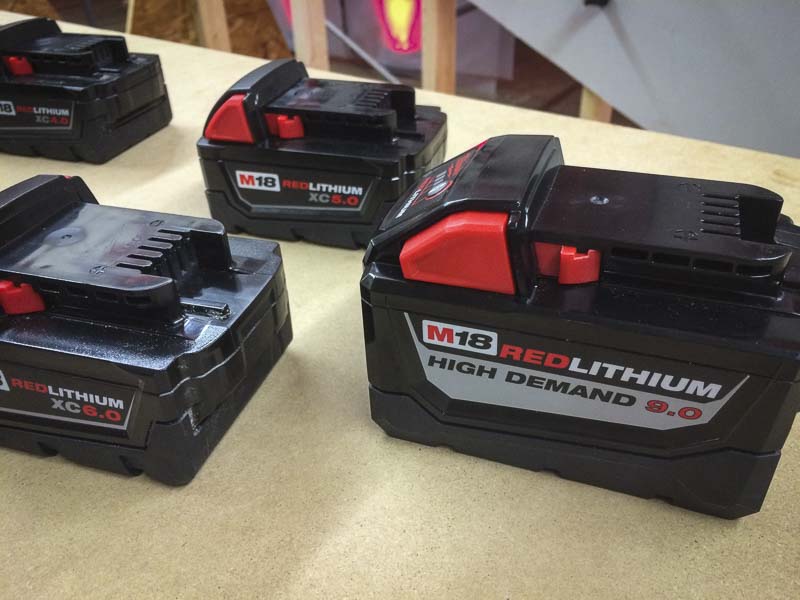
Milwaukee offers different battery lines. Each line has a specific warranty period. The most common Milwaukee batteries are:
- M18 REDLITHIUM™
- M12 REDLITHIUM™
- High Output™
- XC (Extended Capacity)
- CP (Compact)
- V18 and older NiCd models
Here is a breakdown of warranty periods for different battery types:
| Battery Series | Warranty Length | Common Models |
|---|---|---|
| M18 REDLITHIUM™ | 3 Years | 48-11-1850, 48-11-1828 |
| M12 REDLITHIUM™ | 2 Years | 48-11-2412, 48-11-2440 |
| High Output™ | 3 Years | 48-11-1862, 48-11-1880 |
| V18 NiCd | 1 Year | 48-11-2230 |
| CP (Compact) | 2-3 Years | 48-11-1815 |
Tip: Always check your battery’s product label or manual. Some special batteries may have a different warranty.
What The Warranty Does Cover
The warranty covers defects in materials or workmanship. If the battery stops holding a charge, won’t power your tool, or fails due to a design or manufacturing problem, Milwaukee will repair or replace it for free within the warranty period.
What The Warranty Does Not Cover
The warranty does not cover damage from:
- Misuse (dropping, crushing)
- Water or fire damage
- Unauthorized repairs or tampering
- Normal wear and tear (batteries losing capacity naturally over time)
- Using the battery with non-Milwaukee chargers or tools
If your battery stops working but shows clear signs of abuse, you will likely not be covered.
How To Check Your Battery Warranty Status
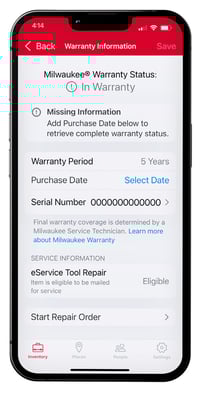
Milwaukee batteries do not use a traditional paper receipt for warranty claims. Instead, Milwaukee uses the manufacture date stamped on the battery. This means you don’t always need to show a sales receipt, but you must know how to find and read the date code.
Finding The Date Code
Every Milwaukee battery has a small code printed or stamped on the case. It often looks like a mix of letters and numbers, for example, B21A or 2021 35. This code tells Milwaukee when the battery was made.
How Milwaukee Calculates Warranty
Milwaukee starts the warranty period from the date of manufacture, not the date of purchase (unless you can prove otherwise with a receipt). If you bought a battery that sat in a store for a year, you may lose warranty time.
Example: If a battery was made in January 2022 (and you have no proof of purchase), the 3-year warranty ends in January 2025, no matter when you bought it.
Insider tip: If you buy a new battery, keep the receipt! If you ever need to claim the warranty, your receipt can prove you bought it later, getting you more coverage time.
Credit: onekeysupport.milwaukeetool.com
Common Problems That Lead To Warranty Claims
Many users wonder if their battery problem is covered. Here are the most common issues that Milwaukee will handle under warranty:
- Battery will not charge or hold charge (and was not abused) — if you’re not sure whether it’s a real fault, our guide on battery indicator light meaning helps decode the LED signals first
- Battery won’t fit or connect to Milwaukee charger or tool due to a defect
- Sudden failure (battery works fine for months, then stops completely)
But some problems are not covered, such as:
- Battery was left in extreme heat or cold
- Water or chemical damage
- Internal swelling from overcharging with a non-Milwaukee charger
How To Make A Milwaukee Battery Warranty Claim
Milwaukee makes the warranty claim process simple, but you must follow the right steps. Here’s what to do:
- Inspect your battery: Make sure the problem is not due to a broken charger or tool.
- Find the date code: Check your battery for the stamped code.
- Gather your receipt: If you have one, it can help extend your warranty.
- Contact Milwaukee Service: Go to the official Milwaukee website or call their customer service.
- Use the Service Portal: Milwaukee has an online service portal for warranty claims. You can also find authorized service centers near you.
- Ship or drop off the battery: You may need to send your battery to a service center. Some centers allow walk-ins.
Pro tip: Always remove any stickers or marks that are not original before sending your battery. Non-original labels can delay your claim.
What To Expect After Your Claim
Once Milwaukee receives your battery, they will inspect it. If the battery fails due to a defect and is within the warranty period, Milwaukee will usually send you a replacement, often a brand-new unit. Some service centers may repair the battery instead, but most simply swap it.
Average turnaround time: Most claims are processed in 7–14 days, but it can be faster if you visit an authorized center.
Shipping cost: You may need to pay for shipping to the center, but Milwaukee usually covers the return shipping.
How Milwaukee Battery Warranty Compares To Other Brands
Is Milwaukee’s warranty better or worse than other tool brands? Here’s a quick look:
| Brand | Battery Warranty | Receipt Needed? |
|---|---|---|
| Milwaukee | 2–3 Years | Not always (date code used) |
| DeWalt | 3 Years | Yes |
| Makita | 3 Years | Yes |
| Ryobi | 3 Years | Yes |
Milwaukee is unique because it does not always require a receipt (uses date code), but this can shorten your warranty if the battery is old stock.
How To Maximize Your Milwaukee Battery Warranty
Many people lose warranty coverage by accident. Here’s how to get the most from your warranty:
- Buy from an authorized dealer: This helps avoid counterfeit batteries, which have no warranty. (Knowing your tool’s voltage and capacity helps too — see battery Ah vs volts explained.)
- Keep your receipt: Even a photo of your receipt can help.
- Register your battery: Milwaukee allows you to register batteries online, which helps with future claims.
- Store batteries properly: Avoid extreme heat, cold, or moisture.
- Use only Milwaukee chargers: Third-party chargers may void your warranty.
- Avoid heavy impact or crushing: Physical damage is not covered.
Hidden insight: Many users do not realize that using a non-Milwaukee charger—even just once—can void the warranty. Always use the charger made for your battery.
What Is Not Covered: Common Mistakes
Some people try to claim warranty for problems that are not covered. To save time, avoid these common mistakes:
- Trying to claim a battery that was run over, dropped from height, or exposed to water
- Sending in batteries with obvious signs of tampering or opening
- Using the battery in non-Milwaukee tools
- Trying to claim after the warranty period (Milwaukee checks the date code carefully)
Non-obvious insight: If you write your name or mark your battery with paint or permanent marker, it does not void the warranty. But opening the case or modifying the battery will.
Milwaukee Battery Registration: Does It Help?
Milwaukee offers online registration for batteries. Registration is not required for warranty, but it can help. If you register, Milwaukee has your purchase details, making claims easier if you lose your receipt.
- Go to the Milwaukee website and enter your battery model, serial number, and date of purchase.
- You may get email updates about recalls or special offers.
Bonus tip: Registration is especially useful for contractors or companies who buy many batteries.
Real Examples: When Warranty Was Approved Or Denied
Let’s look at some real-world examples:
- Approved: User’s M18 battery stopped charging after 1 year. No signs of damage. Milwaukee replaced it with a new battery within 10 days.
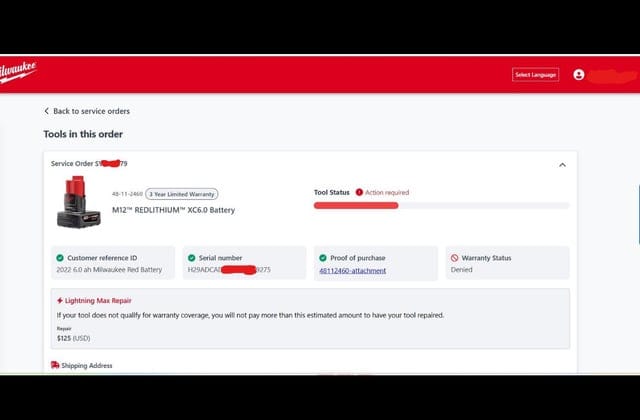
- Denied: Battery had burn marks from a third-party charger. Warranty was denied due to misuse.
- Approved: Battery would not fit the charger due to a manufacturing defect. Replaced under warranty, no receipt needed.
- Denied: User tried to claim 4 years after manufacture date. Warranty expired.
Where To Get Milwaukee Battery Warranty Service
You have several options to get warranty service:
- Authorized Service Centers: Found in most major cities. Fastest turnaround.
- Mail-In Service: Ship your battery to Milwaukee’s main service center.
- Retailer Assistance: Some stores (e.g., Home Depot) will help with claims if you bought the battery there.
To find your nearest service center, check the official Milwaukee Tool website or use their service locator.
When Is It Better To Buy A New Battery?
Sometimes, your battery may be out of warranty or damaged in a way that is not covered. Here’s when to consider buying new:
- Out of warranty: If your battery is past the warranty period (check the date code), replacement is your only option. Before assuming the battery is dead, you can test it with a multimeter to confirm.
- Physical damage: Cracked cases, water damage, or burned connectors are not covered.
- Counterfeit batteries: These are not covered and can be dangerous. Always buy from trusted sellers.
Practical advice: If your battery fails just after the warranty period, contact Milwaukee anyway. Sometimes, they offer goodwill replacements if the battery is just a few days out of warranty, especially for loyal customers.
Credit: www.protoolreviews.com
Environmental Responsibility: Battery Recycling
If your battery is not working and cannot be repaired, do not throw it in the trash. Lithium-ion batteries are hazardous waste. Milwaukee partners with recycling programs to safely dispose of old batteries.
- Drop off at a Milwaukee service center or participating retailer.
- Use recycling programs such as Call2Recycle.
- Never burn or crush old batteries.
Why recycle? Batteries contain valuable metals and chemicals. Proper recycling reduces pollution and supports sustainability.
For more about battery recycling and safety, visit the official Milwaukee Tool FAQ.
Frequently Asked Questions
How Do I Know If My Milwaukee Battery Is Still Under Warranty?
Check the date code stamped on the battery. The warranty period starts from this date unless you have a purchase receipt showing a later date. Most M18 batteries have a 3-year warranty, while M12 batteries usually have 2 years.
Do I Need A Receipt To Claim Milwaukee Battery Warranty?
Not always. Milwaukee mainly uses the manufacture date on the battery, but a receipt can extend your coverage if you bought the battery after it was made. Always keep your receipts for best results.
Will Using A Non-milwaukee Charger Void My Battery Warranty?
Yes. Using chargers not made by Milwaukee can damage the battery and will often void your warranty. Always use official Milwaukee chargers.
What Should I Do With A Dead Milwaukee Battery That’s Out Of Warranty?
Recycle it at an authorized service center or a battery recycling program. Do not throw it in the trash, as lithium-ion batteries can be hazardous.
Are Refurbished Or Third-party Milwaukee Batteries Covered Under Warranty?
No. Only new, original Milwaukee batteries bought from authorized dealers are covered. Third-party or refurbished batteries do not have Milwaukee’s warranty.
Milwaukee’s battery warranty gives you strong coverage, but understanding the details can help you avoid mistakes and get the most value from your purchase. If you use your tools often, take care of your batteries and keep receipts for the best possible support.
With the right steps, you can enjoy years of reliable power for your Milwaukee tools.
Credit: www.reddit.com
